New phone this Black Friday? The EPA says the old one should not go in the trash or the recycling bin, because its lithium-ion battery can start a fire
The EPA says old phones, laptops and headphones with a lithium-ion battery belong at a recycler or take-back program, never in the trash or curbside bin.

· 4 min read
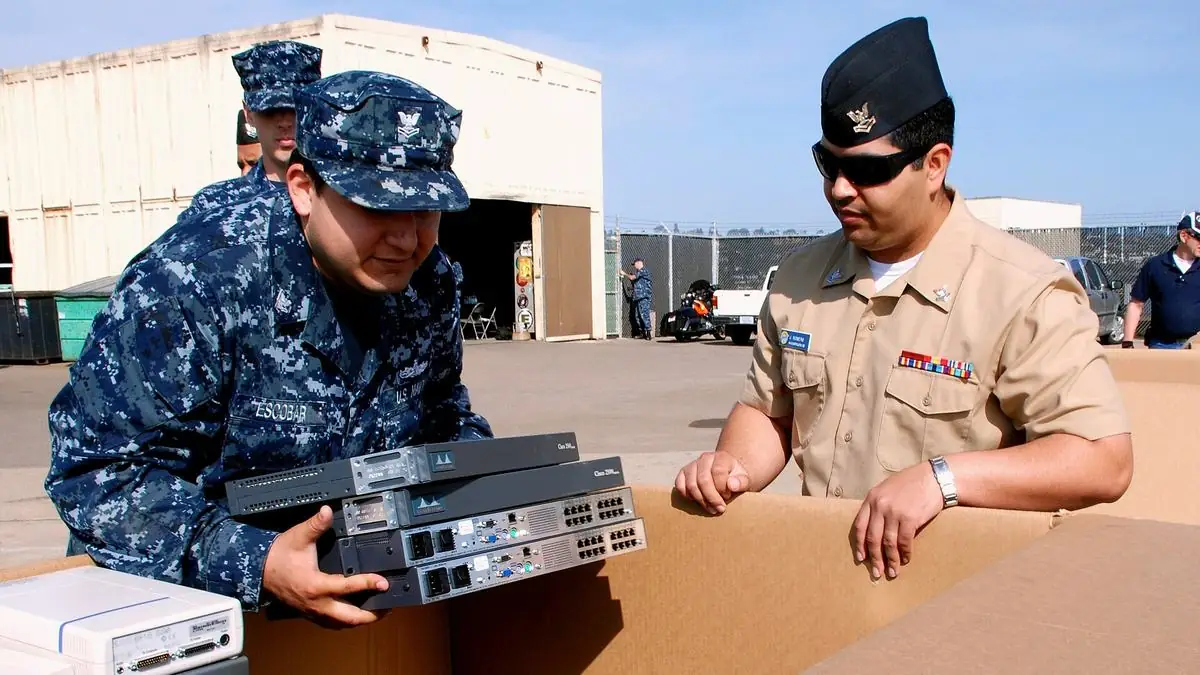
Buying a new phone this Black Friday? The Environmental Protection Agency says the old one should not go in the household trash or the recycling bin, because its lithium-ion battery can start a fire. Batteries can be crushed or damaged in transport or by sorting equipment, creating a fire hazard. An agency report found two hundred forty-five fires at sixty-four waste facilities between 2013 and 2020, caused or likely caused by lithium batteries. Instead, take them to certified battery recyclers or to retailers with take-back programs. Put each battery or device in its own plastic bag, and cover the terminals with electrical tape. If a battery cannot be removed, send the whole device to a recycler. The agency also suggests deleting personal information before you hand a device over. Recycling keeps valuable materials in use, including copper, silver and gold.
Key points
- A 2021 EPA report found 245 fires at 64 waste facilities from 2013 to 2020, and said the real number is likely higher.
- The agency advises taping battery terminals and bagging each battery or device separately.
- Cobalt, graphite and lithium in these batteries are critical minerals, according to the EPA.
Black Friday deals often mean a new phone, laptop or pair of wireless headphones. They also leave an old device behind, and with it a lithium-ion battery that the Environmental Protection Agency says should not be thrown away.
Lithium-ion batteries and devices containing them "should NOT go in household garbage or recycling bins," the agency says on its guidance page for consumers.
The reason is fire. A battery tossed in the trash or the curbside bin may be damaged or crushed in transport or by sorting equipment, the EPA explains, "creating a fire hazard."
Where these batteries hide
Lithium-ion batteries are rechargeable, and the EPA lists many products that use them. They power cellphones, laptops, tablets, e-readers, digital cameras, power tools, children's toys, e-cigarettes and wireless headphones.
Their popularity is largely due to what the agency calls energy density, the amount of energy stored in a given space. Lithium batteries can be smaller and lighter than other types while holding the same amount of energy. That has allowed a rapid increase in consumer adoption of smaller portable and cordless products.
There is also a single-use type, made with lithium metal. These turn up in cameras, watches, remote controls, handheld games and smoke detectors.

They can look like ordinary alkaline batteries or come as small button or coin cells. The agency suggests looking for the word "lithium" on the battery to tell them apart.
Some batteries come out of a device easily, as in many power tools. Others cannot be removed by the user. In that case, the EPA says to send the device itself to a take-back program or recycler.
How to dispose of them
The EPA's advice is to take them to certified battery recyclers, or to retailers and recyclers that run take-back programs. A local solid waste or household hazardous waste program can also point to other options.
Before dropping them off, the agency recommends a few precautions. Place each battery, or each device with a battery inside, in its own plastic bag.
Cover the terminals with non-conductive tape, such as electrical tape. If a battery is damaged, contact the manufacturer for handling advice.
The EPA also warns that a spent battery is not harmless. "Even used batteries can have enough energy to injure or start fires," it says.
Larger batteries follow different rules. For medium and large lithium-ion systems, such as those in electric vehicles or home energy storage, the EPA says to contact the manufacturer, car dealer or installer. Those should not go in the trash or recycling bins either.
Hundreds of fires at waste sites
The risk is not theoretical. In a 2021 report, the EPA found 64 waste facilities that had experienced 245 fires caused by, or likely caused by, lithium metal or lithium-ion batteries.
The fires occurred between 2013 and 2020 in 28 states. They hit recycling centers, garbage trucks, landfills, electronics recyclers and transfer stations.
Recycling centers, known in the industry as materials recovery facilities, appear to have faced the brunt of the impacts. Of the recycling centers found to have had a lithium battery fire, 78% had to call emergency responders at least once, compared with 40% of landfills.
The report notes that its count covers only the cases that were relatively easy to find. It adds that there are likely to be a significant number of additional cases it did not identify.
Some of those fires were small and quickly put out by staff. Others destroyed entire facilities, caused millions in damages and injured firefighters, according to the agency.
Valuable metals inside
Lithium-ion batteries are made of materials such as cobalt, graphite and lithium, which the EPA considers critical minerals. "When these batteries are disposed of in the trash, we lose these critical resources outright," the agency says.
The same goes for the device itself. For every million cell phones recycled, a 2006 U.S. Geological Survey estimate cited by the EPA says, 35,000 pounds of copper, 772 pounds of silver, 75 pounds of gold and 33 pounds of palladium can be recovered.
On its electronics recycling page, the agency adds that recycling one million laptops saves energy equal to the electricity used by more than 3,500 U.S. homes in a year.
Before you hand it over
The EPA suggests deleting all personal information from a device before donating or recycling it. Batteries may need to be removed and recycled separately.
Manufacturers and retailers offer donation and recycling options, and many states and communities run their own collection programs. For a laptop or computer, the agency also suggests considering a hardware or software upgrade instead of buying a new one.
U.S. Navy photo by Aviation Boatswain's Mate (Handling) 3rd Class Amanda Cabasos
Glossary for this story
- EPA
- The Environmental Protection Agency: the U.S. federal agency in charge of protecting air, water and land and enforcing environmental laws.
- Lithium-ion battery
- A rechargeable battery in which lithium ions move back and forth between two electrodes. It powers phones and electric cars.
- Electric vehicle
- A vehicle powered by one or more electric motors running on rechargeable batteries that are charged by plugging in.
- Battery storage
- Storing extra electricity, mostly in large batteries, to use it later when it is needed.
- Critical minerals
- Raw materials such as lithium, cobalt and rare earths that are vital to the economy and the energy transition and whose supply is at risk.
Adrián Villellas
Writer at ECOnewsAdrián Villellas is a computer engineer and entrepreneur in the fields of digital marketing and advertising technology. He has led projects in data analysis, sustainable advertising, and solutions for new audiences. He also contributes to scientific initiatives related to astronomy and space observation. He writes for science, technology, and environmental media outlets, where he makes complex topics and innovative advances accessible to a broad audience.
More from Adrián VillellasComments · 0
Rules ›No comments yet. Be the first to share your view.