In a small four-week Ohio State trial with 39 adults with prediabetes, whole wheat bread cut the blood sugar spike by 27% on average compared with white bread, but results varied widely
Ohio State researchers linked gut microbes to who benefited most from whole wheat bread, which they say hints at future personalized nutrition advice.

· 4 min read
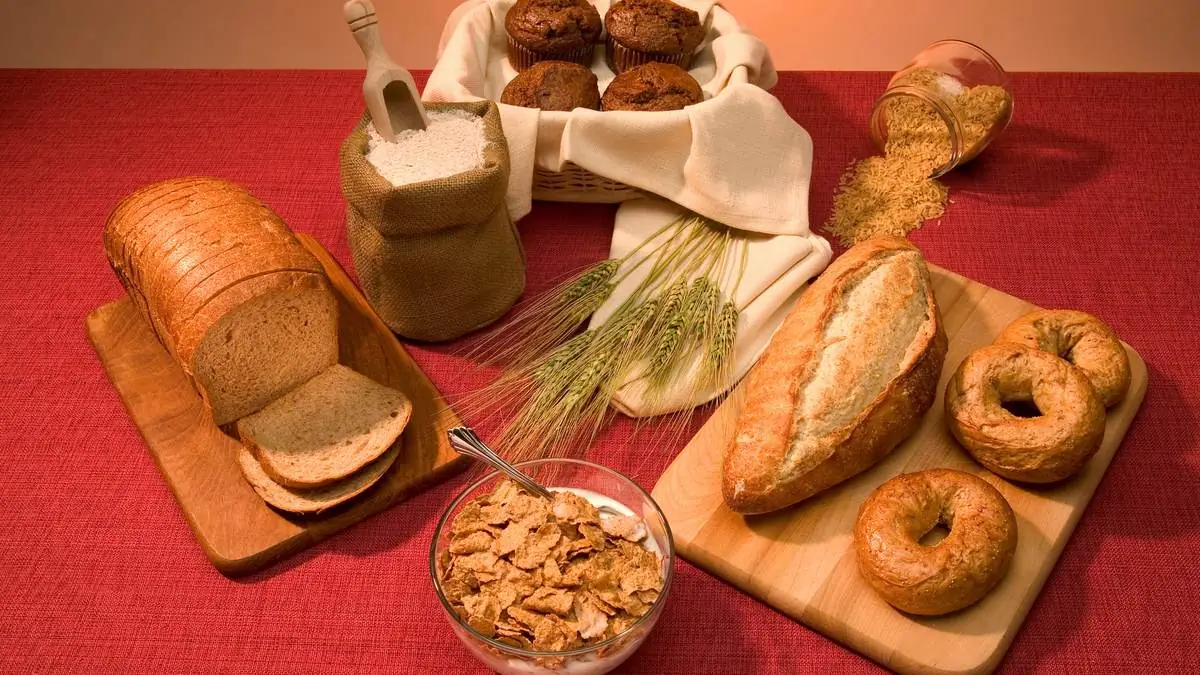
A small Ohio State trial found that swapping white bread for whole wheat improved blood sugar control in adults with prediabetes. Thirty-nine participants ate meals provided by the researchers for four weeks, and the only difference was the bread. On average, the blood sugar spike during a glucose tolerance test dropped by twenty-seven percent after the whole wheat diet. But results varied widely, from small to large improvements. The researchers linked those differences to the gut microbes. Some people's starting microbes predicted a benefit, while in others whole wheat shifted the microbes toward types tied to better blood sugar. The authors stress these are associations, not proof of cause. Co-senior author Richard Bruno said some people are "super responders," while others have marginal responses. The study appears in Frontiers in Nutrition.
Key points
- The 39 participants ate meals provided by the team for four weeks; only the bread changed between two-week phases.
- Fasting glucose and insulin improved with both breads, the paper reports.
- Co-senior author Richard Bruno described some people as super responders to whole grains.
A simple swap at the bread aisle may do more for some people than for others. In a clinical trial at The Ohio State University, replacing refined white bread with whole wheat bread improved blood sugar control in adults with prediabetes.
On average, the spike in blood sugar during a glucose tolerance test dropped by 27% after the whole wheat diet, compared with the white bread diet. But individual results varied widely, from relatively small to large improvements, the university said on November 25, 2026.
The researchers linked those differences to changes in the gut microbial community, the microbes living in the digestive tract. The study appears in the journal Frontiers in Nutrition.
Only the bread changed
The trial was small and tightly controlled. The Ohio State team provided all meals for four weeks to 39 participants with prediabetes.
The diet was split into two periods of two weeks each. The only difference between them was the bread: refined white bread or whole wheat bread homemade by Ohio State food scientists, not a store-bought loaf.
It was a randomized crossover trial, so every participant ate both breads, with a two-week washout in between. The participants had an average body mass index of 34.7, according to the paper.

After each phase, the researchers collected fasting blood and stool samples. They also gave participants an oral glucose tolerance test, which shows whether the body handles sugar as it should.
The improvement with whole wheat was unaffected by differences in body weight, inflammation or insulin levels, according to the university. Nor did cellular stress or short-chain fatty acids in the gut change the result.
Some results were less clear-cut. Fasting glucose and insulin improved over time regardless of which bread people ate, the paper reports, and inflammation markers did not differ between the two diets.
Microbes before and after
The analysis found distinct microbial profiles associated with greater benefit from the whole wheat bread. Eating whole wheat bread was accompanied by higher levels of Agathobacter, Agathobaculum and a group called Lachnospiraceae NK4A136, and lower levels of Streptococcus, Lachnoclostridium and Mediterraneibacter.
The overall diversity of the gut microbes did not change, and the authors describe these shifts in specific microbes as nominal. In other words, they point to associations that still need confirming, not proof that the microbes caused the benefit.
Some microbes seemed to predict the outcome before the diet even changed. Levels of Lachnoclostridium and the Lachnospiraceae group at the start of the trial predicted healthier blood sugar responses after eating whole wheat bread relative to white bread, said first author Jillian Pierson, a graduate fellow at Ohio State.
"So we have two separate paradigms," said Richard Bruno, a professor of human nutrition and co-senior author of the study. In some people, the starting mix of microbes predicted a benefit. In others, eating whole wheat bread shifted the microbes toward those linked with better blood sugar control.
Pierson noted that Lachnoclostridium is frequently associated with a pro-inflammatory state, such as one caused by a less healthy diet. Other studies have shown that it responds to diet, she said.
Why prediabetes matters
More than 115 million Americans have prediabetes, according to the university. Their blood glucose is elevated, but not high enough to be diagnosed as diabetes.
People with prediabetes are at very high risk of developing type 2 diabetes. At this stage they are not usually prescribed medication, and they are commonly advised to improve their diet and exercise more.
In their paper, the authors note that eating whole grains is associated with a lower risk of type 2 diabetes. Yet randomized trials have produced inconsistent findings, which is part of what the team set out to investigate.
Whole grains are seen as foods that support metabolic health, but their effects on people are highly variable. "Some individuals are 'super responders,' where they have a lot of benefits, and others have marginal responses," Bruno said.
The study was supported by the U.S. Department of Agriculture, the Academy of Nutrition and Dietetics Foundation and the Ohio Agricultural Research and Development Center.
Toward precision nutrition
The researchers say the findings hint at future nutrition advice based on markers of each person's gut activity. The idea is known as precision nutrition.
Co-senior author Jiangjiang (Chris) Zhu, also a professor of human nutrition, uses modeling and machine learning to study the microbiome at the molecular level. His lab looks at single bacteria and at relationships between bacteria, "because they live together," he said.
For now, the work is too time-intensive and expensive to be used for patients. A test for individual microbiome signatures is "what the field is expecting and hoping for," Zhu said.
Stephen Ausmus, USDA Agricultural Research Service
Javier Niño
Writer at ECOnewsJavier Niño has been a Spanish National Police officer since 2017 and a journalist specialising in employment, labour law and Social Security, with more than seven years of writing experience. At ECOnews he covers environment, energy and sustainability news, focusing on how new regulations and court rulings affect people in their everyday lives.
More from Javier NiñoComments · 0
Rules ›No comments yet. Be the first to share your view.