DNA and genetics
60 stories · since 2025 · latest, November 20, 2026
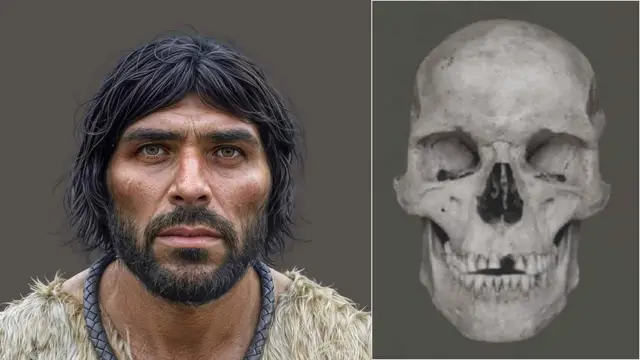
Ancient DNA reveals that hunter-gatherers in what is now Belgium and the Netherlands survived until 2500 BC, when the rest of Europe was already engaged in agriculture
For thousands of years after farming swept across Europe, pockets of hunter gatherers quietly held on in the lowlands of what is now the Netherlands and…
ECOnews Newsroom · April 3, 2026
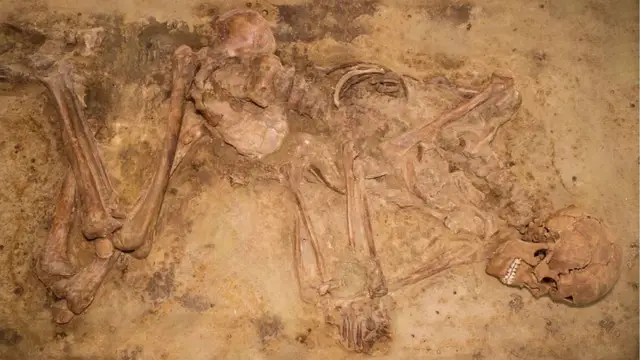
Scientists have found ancient DNA in 252 samples taken from the seafloor and have discovered that, 16,000 years ago, a lush and vibrant land existed beneath the North Sea
If you picture the North Sea, you think of rough water, cargo ships, and offshore wind farms. But what if that same patch of ocean once held a walkable…
ECOnews Newsroom · March 24, 2026
James Watson went from being a scientific icon to falling from grace in the public eye. The 1962 Nobel Prize winner for the discovery of DNA died on November 6, 2025, at the age of 97, after years of controversy for making baseless claims that Black people were less intelligent
How does a scientist go from Nobel hero to cautionary tale? James Watson, the American biologist who shared the 1962 Nobel Prize for helping reveal DNA’s…
ECOnews Newsroom · March 21, 2026

They wanted to equip astronauts with the “armor” of a tardigrade, but DNA gave them a resounding NO: the Dsup protein protects, yes, but in return it can kill cells
Future missions to the Moon and Mars will keep astronauts in deep space for months or even years. Out there, far from Earth’s protective magnetic field,…
ECOnews Newsroom · March 17, 2026
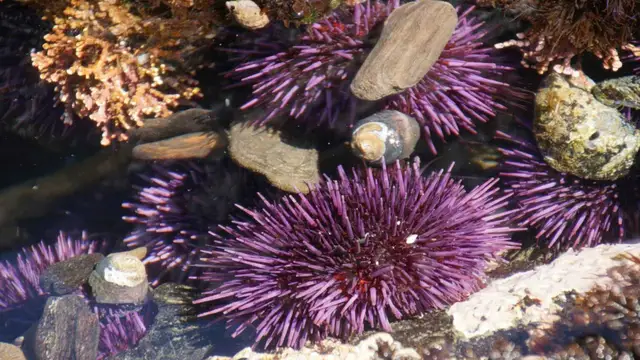
The purple sea urchin’s whole body works like a brain, a genetic study finds
If your whole body worked like a brain, would anyone recognize you as intelligent?That is more than a sci-fi thought experiment now. It is the puzzle…
ECOnews Newsroom · March 5, 2026
A study of 2,400 genomes suggests the first humans reached Australia about 60,000 years ago
For years, scientists argued over timing. One camp favored a later arrival around 47,000 to 51,000 years ago, based mainly on earlier genetic models.…
ECOnews Newsroom · February 25, 2026

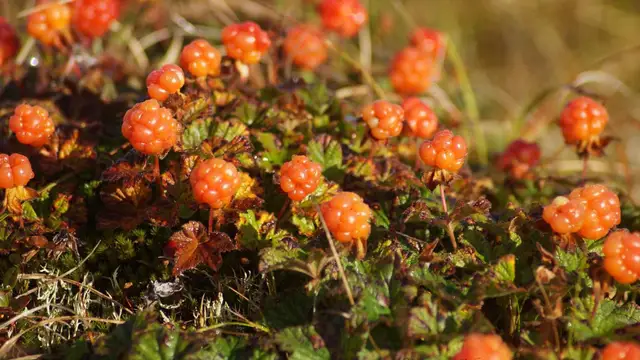
It wasn’t just a rare fruit: the humble molt that Nansen took to the North Pole in 1893 could be one of the most complex natural hybrids ever studied, with DNA from at least three extinct species and an evolutionary history written in eight chromosomes that still baffles geneticists
Cloudberries glow like tiny golden suns on Christmas desserts, topping rice puddings and cakes that come out only once a year. A new genetic study now…
Adrian Villellas · February 25, 2026
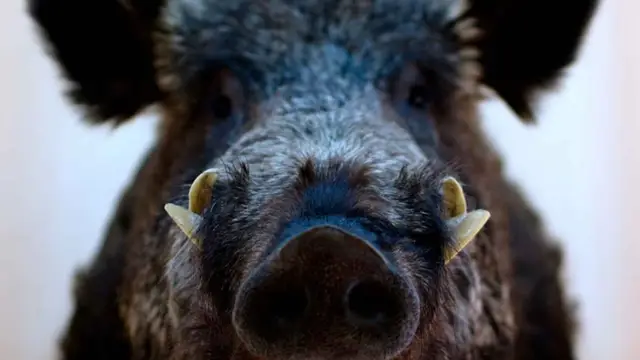
Fifteen years after the March 11, 2011 nuclear disaster in Fukushima, scientists discover that wild boars were the subject of an unexpected genetic experiment
What happens when a nuclear disaster clears out entire farming communities and leaves the barns open. In Fukushima, the answer is surprisingly simple and…
ECOnews Newsroom · February 23, 2026
Scientists analyze 763 dogs in nine regions of Ukraine and discover that the front is “producing” wolf-like dogs in a matter of months, claiming that this is natural selection, not genetic magic
War in Ukraine has filled screens with images of ruined cities and displaced families. What we rarely see is how the same conflict is silently reshaping…
Adrian Villellas · February 18, 2026

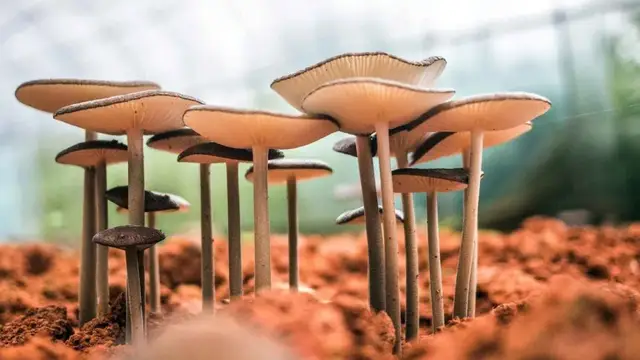
A Chinese invention is revolutionizing the food industry: genetically modified mushrooms that taste like meat and use 70% less land than traditional livestock farming
Imagine picking up something that looks and chews like chicken, only it never clucked, never set foot on a farm, and needed a fraction of the land and water.
ECOnews Newsroom · February 11, 2026
Italian centenarians carry more DNA from Ice Age hunter-gatherers, a University of Bologna study finds
Could the secret to blowing out 100 birthday candles be hiding in DNA that dates back to the last Ice Age? A new genetic study from Italy suggests that…
ECOnews Newsroom · February 10, 2026
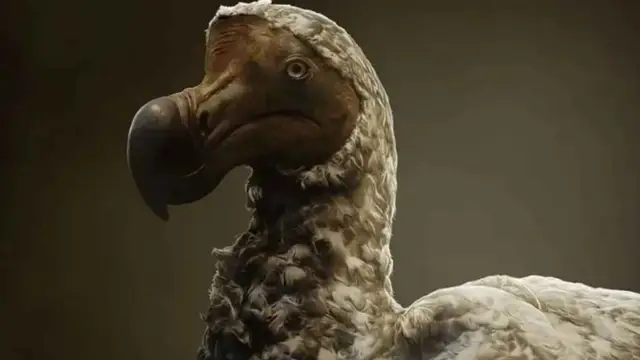
The dodo bird is not coming back yet: Colossal says the genome is about 95 percent complete and its AI flagged 2,300 candidate genes, but there’s no date for a dodo-like hatchling and no release site in Mauritius
Updated November 13, 2026, with Colossal’s October 14 GenoMorph announcement, the 36-bird Nicobar pigeon flock, the steps still pending, the IUCN rules…
Adrian Villellas · February 9, 2026
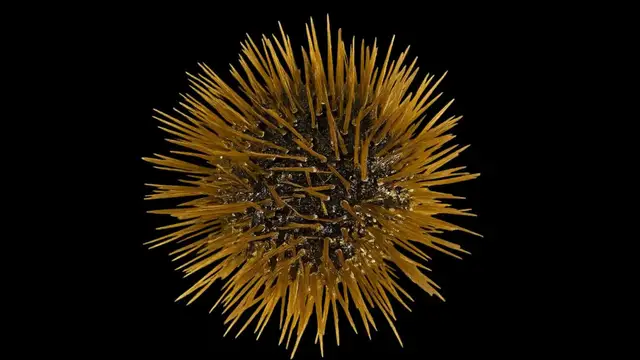
A strange animal with no head or face turns out to be “almost all head” at the genetic level, and the idea sounds absurd until you see how it is organized inside
At first glance, the purple sea urchin is just a spiky ball you try not to step on during a beach vacation. Yet a new study finds that this common…
Adrian Villellas · January 17, 2026
They perform calculations using DNA that recharges with heat and works over and over again
Most DNA-based computing systems in the lab behave like disposable gadgets. They run once, use up special DNA “fuel” strands, and gradually clog…
Adrian Villellas · December 22, 2025

Scientists complete a fully synthetic yeast genome, and the MiniLife project aims to build life from scratch
Scientists have created artificial life in the lab for the first time. The complete genome of the yeast Saccharomyces Cerevisiae was finally synthesized…
ECOnews Newsroom · February 9, 2025