DNA and genetics
60 stories · since 2025 · latest, November 20, 2026
Scientists sequenced 461 trees from the Amazon and discovered a rather surprising clue: some species may be passing on defensive genes as if they were recipes for fighting pests
The Amazon is famous for having more kinds of trees than anywhere else, but one basic question still bothers scientists. How did so many related trees…
ECOnews Newsroom · July 8, 2026
Researchers have just observed a jumping gene doing something extremely unusual: jumping from a tiny predatory bacterium to the dead cells of another species, like a thief sneaking into an empty house
Genes usually move through family lines. Parents pass them to offspring, and that is the version of genetics most of us learn first. But nature has…
ECOnews Newsroom · July 4, 2026
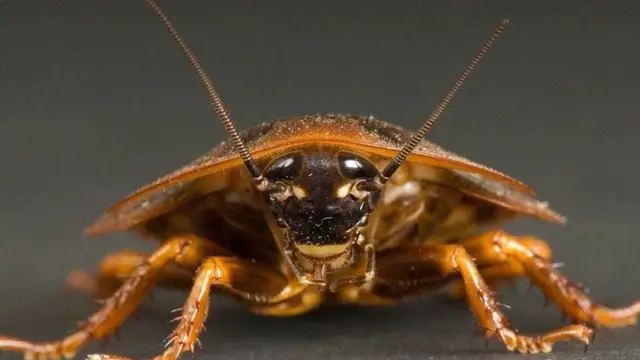
Cockroaches already seemed indestructible, but a new genomic study has just revealed something even stranger: they harbor thousands of fragments of bacterial DNA hidden within their own genome
Cockroaches already have a reputation for surviving almost anything. Now, a new genome study suggests they also carry a remarkable record of ancient…
Adrian Villellas · July 1, 2026
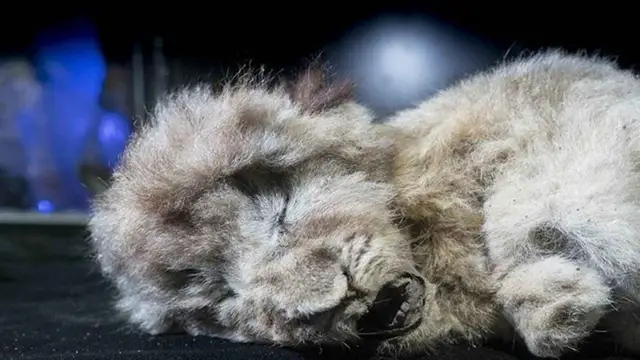
A cub named Sparta, which remained frozen in the permafrost for 32,000 years, provides virtually intact DNA and confirms that cave lions constituted a distinct lineage, with brain, visual, and circulatory traits, that never set foot on the African savanna
For years, scientists often pictured cave lions as oversized versions of the lions that live today — bigger, tougher, and built for ice — but new genome…
ECOnews Newsroom · June 26, 2026
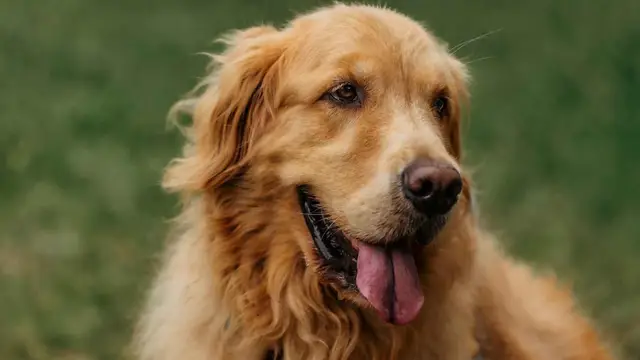
A genetic study of 1,343 golden retrievers has found genes tied to emotions that also appear in humans, suggesting dogs may share more of our inner world than expected
Why does one golden retriever trot happily into any room while another flinches at the doorbell or freezes around unfamiliar dogs? A new genetics study…
ECOnews Newsroom · May 11, 2026
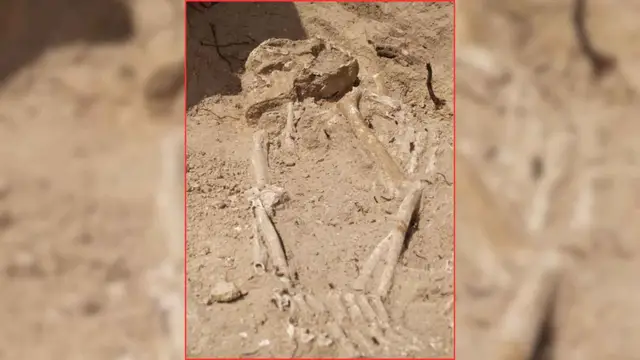
DNA solves the mystery of medieval people found in a Spanish Stone Age site, proving that the oldest layer of a place was not the whole story
Ancient DNA from two men buried at the entrance of the Menga dolmen in southern Spain is helping scientists explain how medieval lives intersected with a…
Adrian Villellas · May 10, 2026
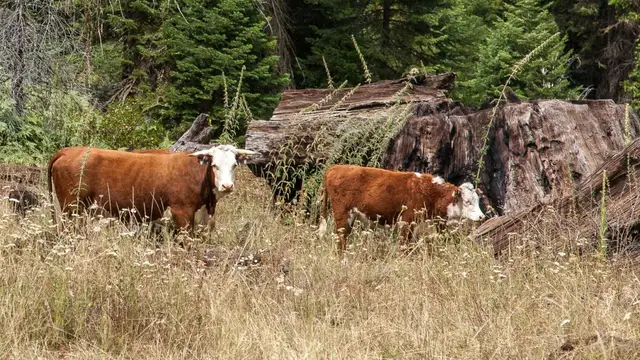
A herd of cows was abandoned on a deserted island 130 years ago, and a genetic study has now left researchers with a result they did not expect
When you think of cattle, you probably picture fences and a steady water supply. On Amsterdam Island, a tiny French territory in the Southern Ocean, five…
ECOnews Newsroom · May 9, 2026
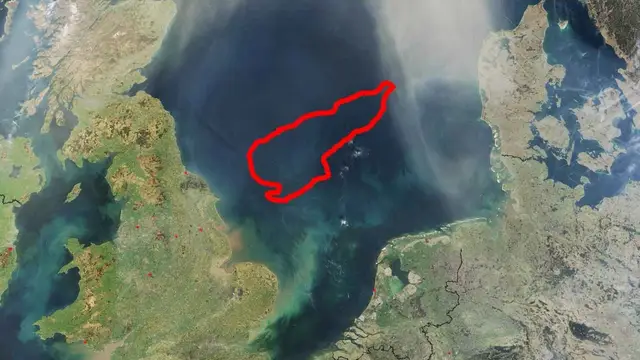
Ancient DNA from the North Sea reveals a lost forest beneath the waves, and suggests that 16,000 years ago Europe and Britain were still part of a vanished world
At one point after the last ice age, parts of the North Sea were dry land, and you could walk from mainland Europe into what is now Britain. A new study…
ECOnews Newsroom · May 4, 2026
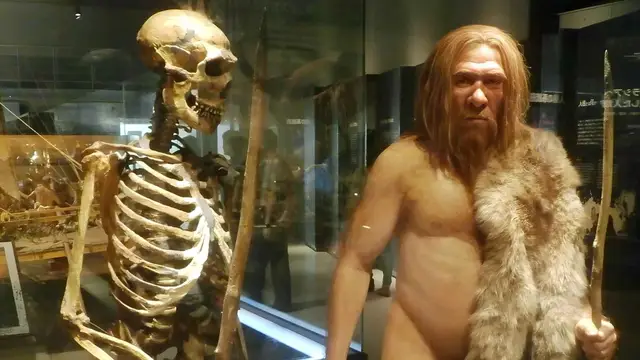
What if DNA were telling a story of unequal attraction between sapiens and Neanderthals that is far more human, complex, and uncomfortable than we had imagined until now?
If you have ever looked at an ancestry report and spotted a small slice labeled “Neanderthal,” you are seeing the leftovers of real encounters between…
ECOnews Newsroom · April 30, 2026
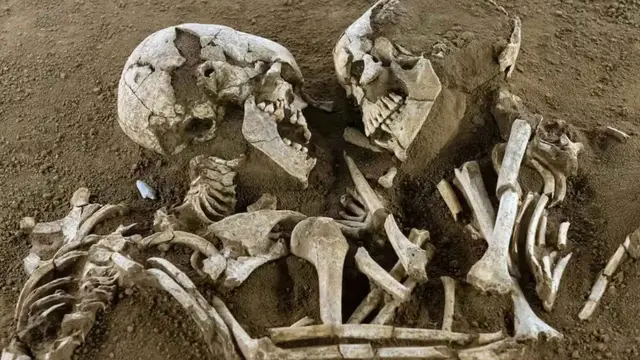
They embraced for 12,000 years, and now DNA has revealed that this Paleolithic scene was even more moving and mysterious than it initially appeared
In a limestone cave in southern Italy, two people were buried in an embrace more than 12,000 years ago. In late January 2026, researchers reported that…
Adrian Villellas · April 30, 2026
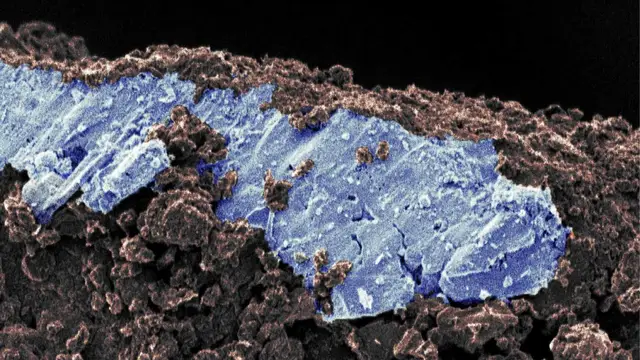
An asteroid located about 300 million kilometers away contained the five basic letters of DNA and RNA, and the discovery once again calls into question the idea that life began only on Earth
Scientists analyzing sealed, contamination-free samples from the near-Earth asteroid Ryugu have found all five “canonical” nucleobases that make up DNA…
ECOnews Newsroom · April 29, 2026
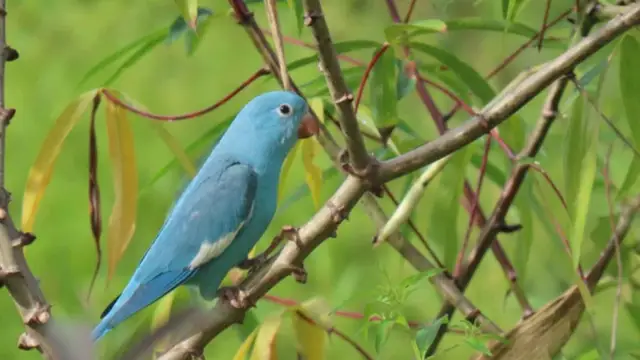
A rare blue parakeet with cyanism, a genetic mutation, photographed in the wild in Brazil
A routine birdwatching moment in Tocantins, Brazil, ended with a surprise that even seasoned observers rarely see. A wild parakeet showed up looking more…
ECOnews Newsroom · April 23, 2026
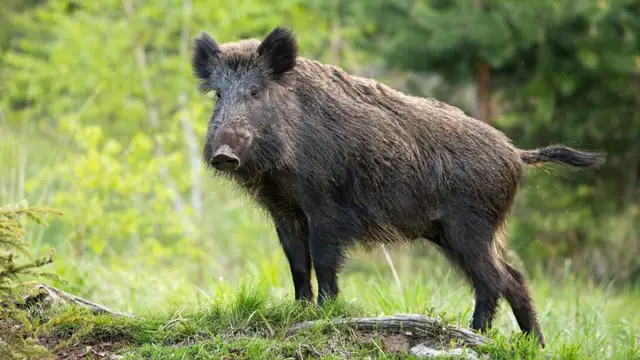
Seeing a wild boar near a playground or crossing a bike path might seem like a one-off visit from the forest, but genetics tells us a much stranger story: in Berlin and Barcelona, there are already urban populations that clearly differ from their rural counterparts, and that completely changes the way cities should act
Wild boars are no longer just a countryside headache in Europe. New genetic work suggests that, over time, some city-dwelling boars can become a distinct…
ECOnews Newsroom · April 11, 2026
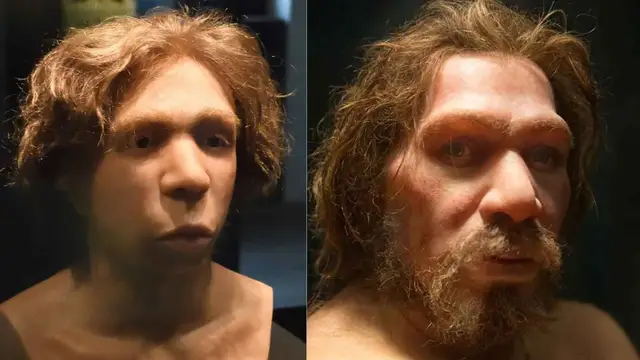
We carry Neanderthal DNA… except where it matters most
If you have ever opened a DNA ancestry report and spotted a tiny slice labeled “Neanderthal,” here is a twist you probably did not see. That inheritance…
ECOnews Newsroom · April 7, 2026
Human DNA reopens the last great mystery of Genghis Khan, and what scientists have discovered could change everything we thought we knew about his descendants
For years, one startling number has followed Genghis Khan through history books, documentaries, and internet trivia. About “1 in 200” men, the story said,…
ECOnews Newsroom · April 7, 2026