DNA and genetics
60 stories · since 2025 · latest, November 20, 2026
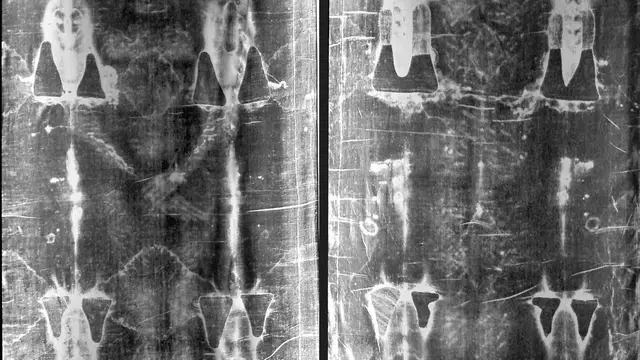
Scientists recovered DNA from humans, crops, domestic animals, microbes and even Mediterranean red coral from 1978 samples of the Shroud of Turin, but nearly 50 years later the genetic “guest book” still cannot reveal when the cloth was made or prove its authenticity
Nearly 50 years after samples were collected from the Shroud of Turin, scientists have recovered DNA from people, microbes, crops, domestic animals, and…
ECOnews Newsroom · September 24, 2026
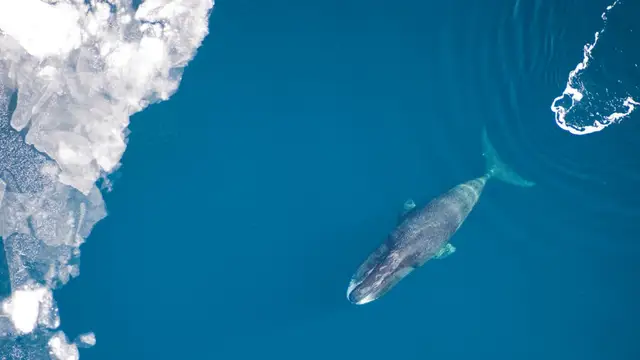
Bowhead whales can live for more than 200 years despite weighing up to 200,000 pounds, and scientists found their cells repair dangerous DNA breaks unusually well, with one protein even improving DNA repair in human cells and extending lifespan in fruit flies
Bowhead whales can live beyond 200 years without appearing unusually prone to cancer, and researchers think better DNA repair may help explain why. A 2025…
ECOnews Newsroom · September 22, 2026
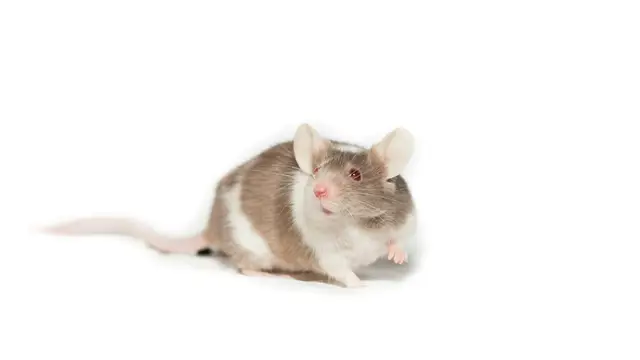
A drug first developed for spinal cord injuries reduced DNA damage and brain inflammation in mice with Alzheimer’s, and because it already passed a safety trial in 109 people, researchers believe it could reach patients faster
An experimental drug first developed for spinal cord injuries has reduced DNA damage and signs of brain inflammation in a mouse model of Alzheimer’s…
ECOnews Newsroom · September 19, 2026
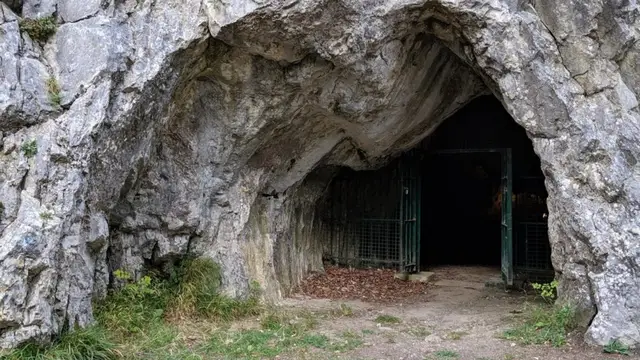
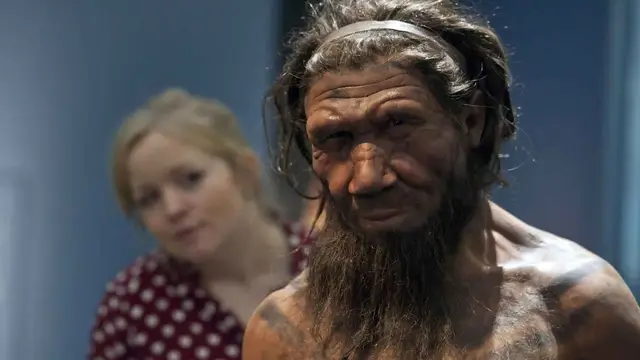
Ancient DNA from Belgium and France suggests Europe’s last Neanderthals were not isolated, inbred groups slowly dying out, and none of their genomes show recent modern human ancestry even though our species had already arrived in the region
Ancient DNA from Belgium and France challenges the idea that Neanderthals faded away as isolated, increasingly inbred groups. Researchers found signs of…
ECOnews Newsroom · September 18, 2026
South Korean women born in 1996 were about 20 centimeters taller on average than those born in 1896, the biggest gain recorded for women worldwide, and researchers say childhood nutrition and living conditions explain more than genes
South Korean women recorded the largest increase in average adult height among women in a global analysis published in 2016. Comparing those born in 1896…
Adrian Villellas · September 17, 2026

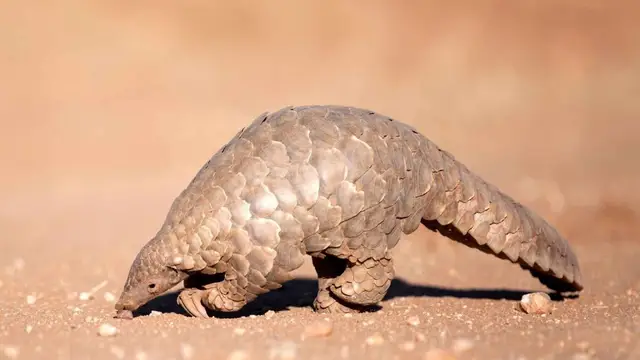
A pangolin collected in 1836 sat inside a museum for nearly 190 years until scientists extracted its DNA and discovered the forgotten animal belonged to a species that had been hiding in plain sight
An old museum specimen just settled a debate that scientists have been going back and forth on for years. DNA pulled from a pangolin skin collected way…
ECOnews Newsroom · August 24, 2026
Scientists analyzed hundreds of human genomes and found DNA from two unknown ancient groups: a ghost lineage that split off 800,000 years ago, and another dating back 1.8 million years
Mapping our evolution through hundreds of thousands of years can be like finding out you have 20 cousins you didn’t know about. New research led by the…
ECOnews Newsroom · August 23, 2026
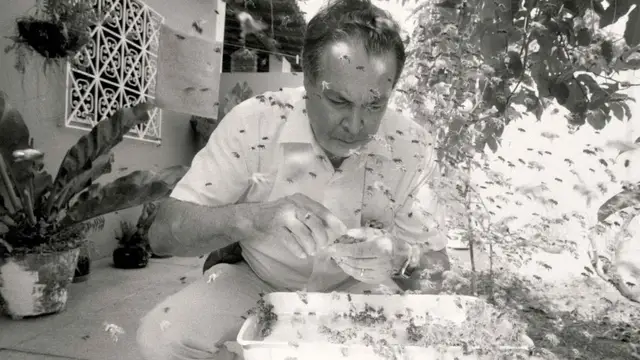
Brazilian geneticist Warwick Kerr bred honey bees for tropical heat in 1956, and 26 swarming colonies spread across the Western Hemisphere by 1990, transforming pollination patterns
Brazilian geneticist Warwick Estevam Kerr saw a need for a new and improved bee species back in 1956. Backed by the government, his work sought to breed…
ECOnews Newsroom · August 22, 2026
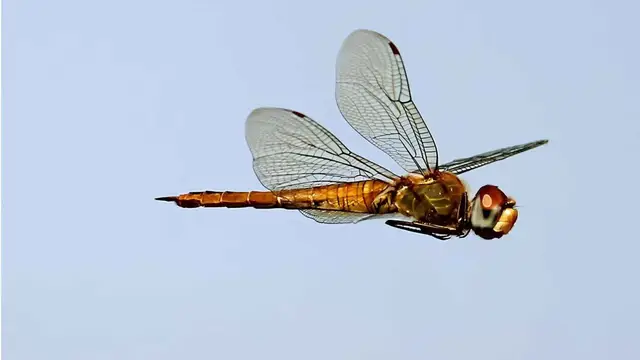
A globe skimmer dragonfly barely 1.5 inches long may fly 3,700 miles across generations, and DNA now links its populations across Asia and the Americas in one migration circuit
A dragonfly barely 1.5 inches long might be the best long-distance flyer in the insect world. In 2016, a Rutgers-led genetic study found that globe…
Adrian Villellas · August 22, 2026
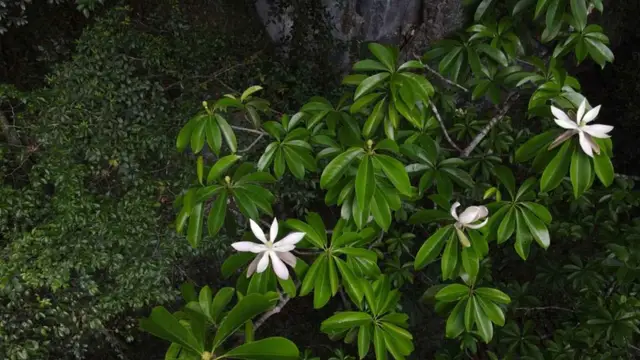
China’s karst sinkholes shelter the endangered Magnolia aromatica from heat and drought, yet genetic research found populations inside carry more harmful mutations and less diversity than trees outside, weakening their adaptability
Deep inside China’s massive limestone sinkholes, a rare magnolia tree has found a cool, humid sanctuary from rising global temperatures. But this natural…
Adrian Villellas · August 21, 2026
Leonardo DiCaprio and others fund a USD 200 million project to recover 100 species on the brink of extinction, a genetic rescue plan
A lemur leaping through Madagascar’s dry forests, a salamander hiding in a North Carolina cliff and a Mexican fish already gone from the wild now share…
ECOnews Newsroom · August 12, 2026

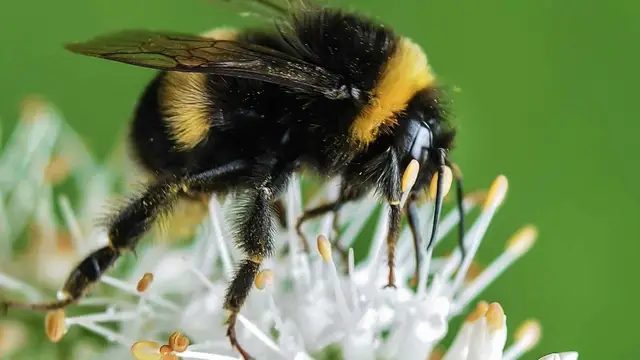
Bumblebees survived low doses of a modern pesticide, but scientists found the real damage hidden in genes linked to the next generation
A pesticide does not need to kill a bumblebee to damage a colony’s future. Georgia Tech researchers found that common eastern bumblebees exposed for 21…
ECOnews Newsroom · July 30, 2026
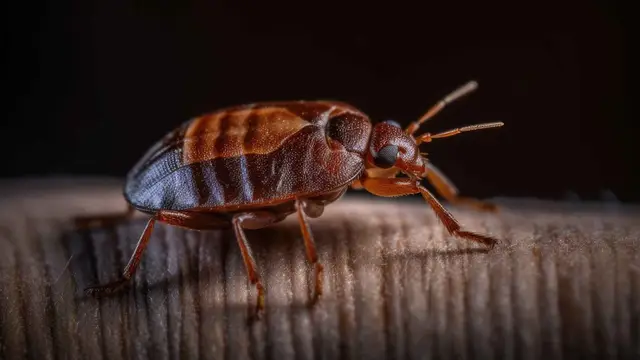
Bedbug DNA reveals that these insects have been tied to humans for far longer than we would like to imagine, a sticky and seriously uncomfortable history
Bed bugs did not simply follow people into houses. New DNA evidence suggests that settled life may have pulled the human-feeding branch of the common bed…
ECOnews Newsroom · July 23, 2026
A team from the Autonomous University of Barcelona analyzed 54 newborns who lived between 2,700 and 2,100 years ago and found a surprising clue in their DNA
For generations, the story of the ancient Iberians has often sounded like a tale of constant outside influence. Phoenician traders, Greek goods, Punic…
ECOnews Newsroom · July 11, 2026

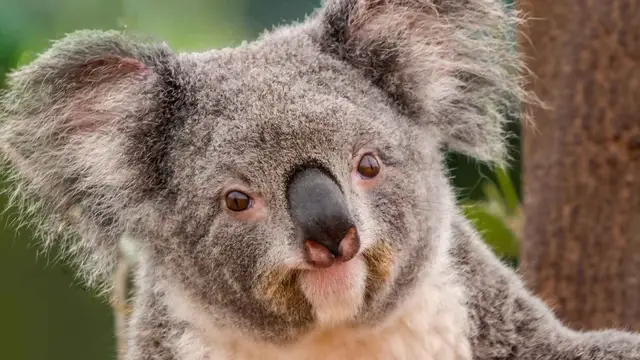
In the 1920s, perhaps only two or three koalas were brought to French Island to avert a catastrophe, and a century later, their DNA has just revealed a story far stranger than a simple genetic curse
Fewer than a half-dozen koalas, and possibly only two or three, were moved to French Island in Victoria in the 1920s after hunting and habitat loss pushed…
Adrian Villellas · July 10, 2026