DNA and genetics
DNA can tell us a lot. Scientists have created a completely synthetic yeast genome, found the building blocks of DNA on an asteroid, and used genetics to track animal migration patterns. Here are the genetic stories in science.
60 stories · since 2025 · latest, November 20, 2026
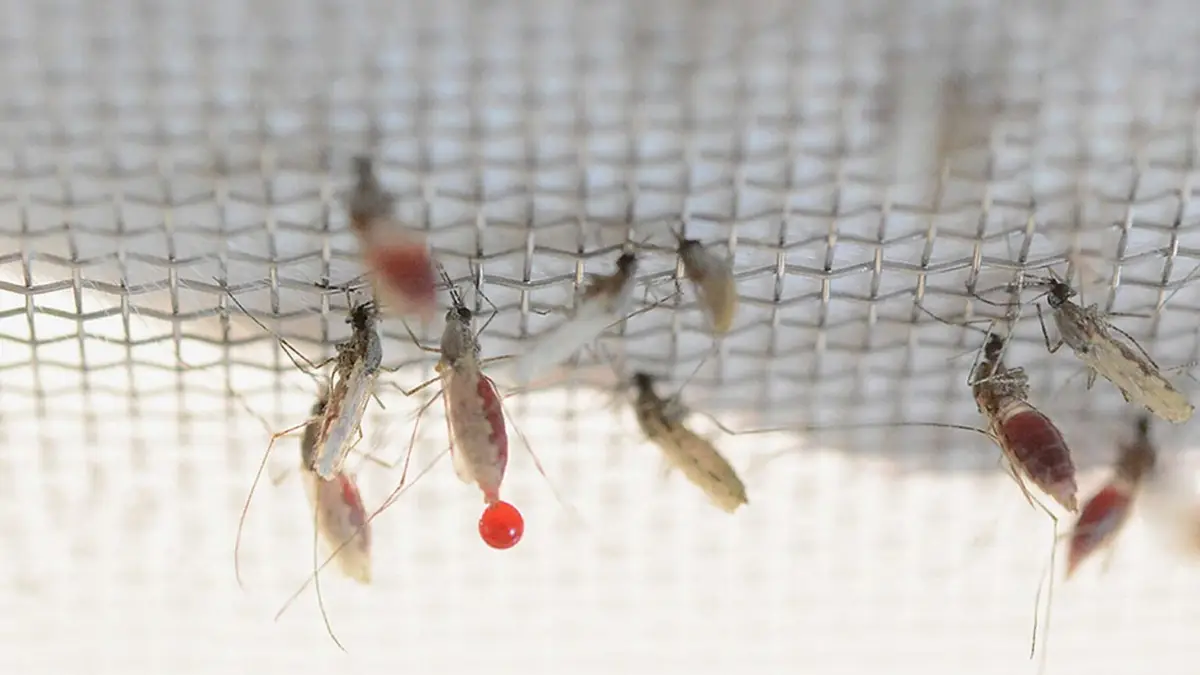
Male urban malaria mosquitoes carrying one copy of a natural gene variant mated up to 4.7 times more successfully in the heat, and females with it were more open to the parasite
An urban malaria mosquito that has spread from Asia into Africa may give males a genetic edge in hot weather. The same genetic change appears to make…
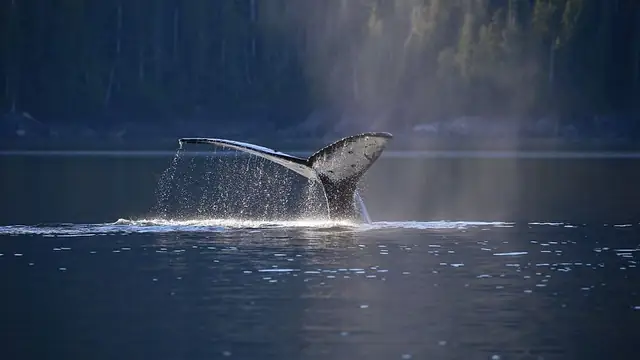
Scientists at the University of St Andrews flew a small drone through humpback whale breath off British Columbia and sequenced whole genomes from the whale snot without touching a single animal
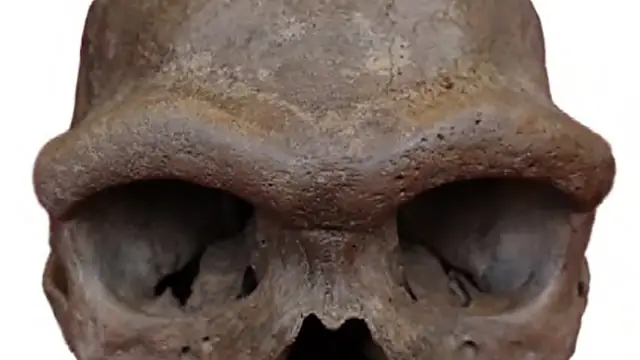
A skull known as Dragon Man is at least 146,000 years old, and after its bone and tooth yielded no DNA, hardened dental plaque pointed scientists to a lost human group known as the Denisovans
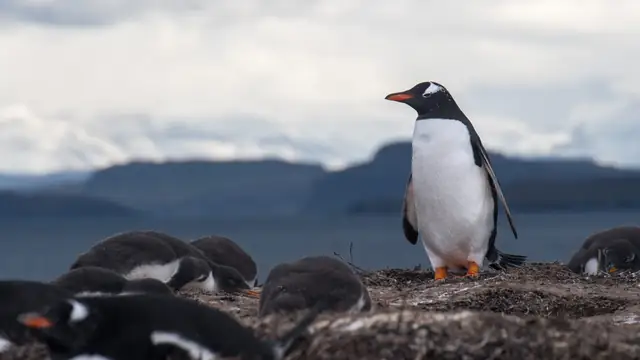
Gentoo penguins were long treated as a single species, and genomes have now split them into four, including a look-alike on remote Indian Ocean islands that had never been formally named
Gentoo penguins, long treated as one species, are in fact four, according to a study published in Communications Biology on April 23, 2026. One of them,…
Adrian Villellas · November 9, 2026
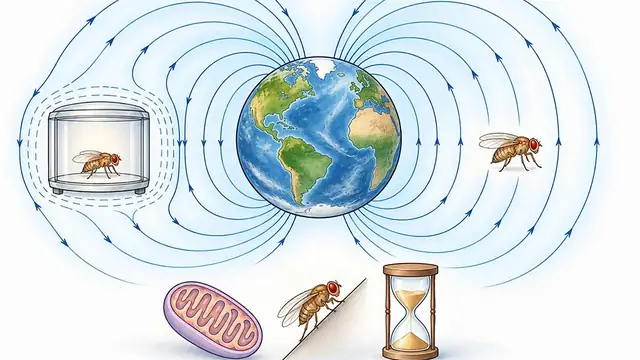
Fruit flies with a Parkinson’s-linked gene defect lived about 20 percent longer when shielded from Earth’s magnetic field, and the same insects got worse at one simple everyday task
Fruit flies with a defect in a Parkinson’s-linked gene lived about 20 percent longer when shielded from Earth’s magnetic field, according to a University…
ECOnews Newsroom · November 7, 2026
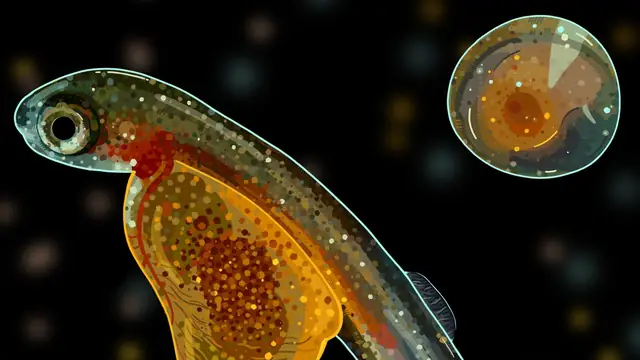
Salmon and trout still carry the marks of an event that doubled their entire DNA 100 million years ago, and scientists found the duplicated genes behave most alike at one moment in the embryo
Salmon and trout descend from a fish that doubled its entire genome 80 million to 100 million years ago. A study of 771 genetic datasets now shows how…
ECOnews Newsroom · November 5, 2026
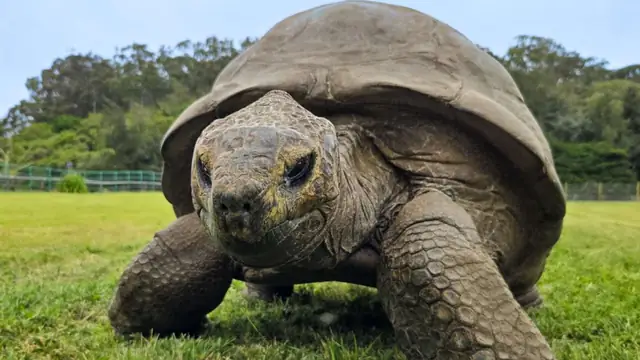
A 194-year-old giant tortoise named Jonathan has some gene switches as orderly as those of tortoises a fraction of his age, and scientists think part of his secret lies in how his cells make energy
Jonathan, a 194-year-old giant tortoise on the South Atlantic island of Saint Helena, has some gene switches as orderly as those of tortoises aged 5 and…
Adrian Villellas · November 3, 2026
In northwestern Madagascar’s Sambirano River region, a DNA study of 70 samples found a baobab species demoted to a variety in 1952 is distinct after all, and its authors say it would qualify as endangered
Madagascar has one more baobab species than botanists thought. A study published July 12, 2026, in the journal Taxon brings back Adansonia bozy, a tree…
Adrian Villellas · October 25, 2026
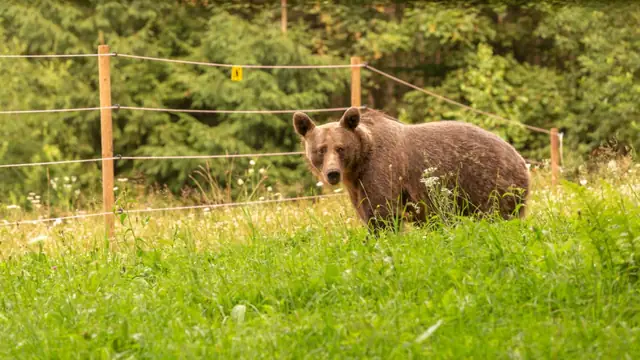
In Romania’s Brașov County, brown bears number about 1,329 by a national genetic estimate, the highest density of any county, and one bear relocated from Poiana Brașov was back within 3 days
Romania’s national genetic estimate puts the country’s brown bears at 10,657 to 12,787, and Brașov County has the highest density of any county, with an…
Adrian Villellas · October 22, 2026
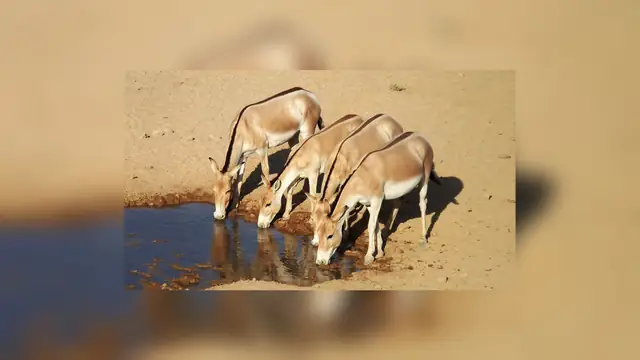
Israel released 28 Asiatic wild asses into the Negev from 1982 to 1987, and DNA from their dung now shows a herd eating native plants and inbreeding less after managers added three water points
In 1982, Israel began releasing Asiatic wild asses in the Ein Saharonim area of Makhtesh Ramon, the giant erosion crater in the Negev desert. Forty-four…
Adrian Villellas · October 19, 2026
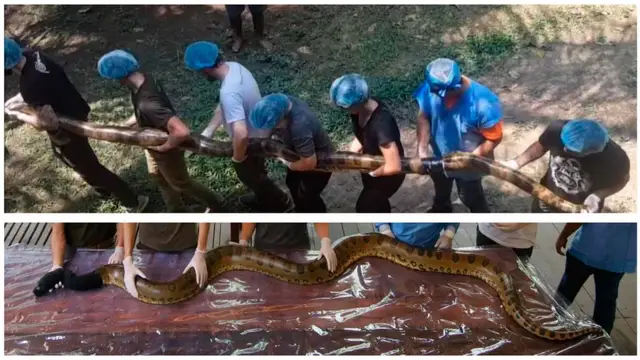
A DNA study of anacondas from nine countries split the green anaconda in two, with the northern green anaconda 5.5 percent apart from its twin, and critics went after its name within a month
On a riverbank in Ecuador’s Amazon, Waorani guides climbed off a boat and held down a northern green anaconda that Bryan Fry guessed was up to 17 feet…
Adrian Villellas · October 12, 2026
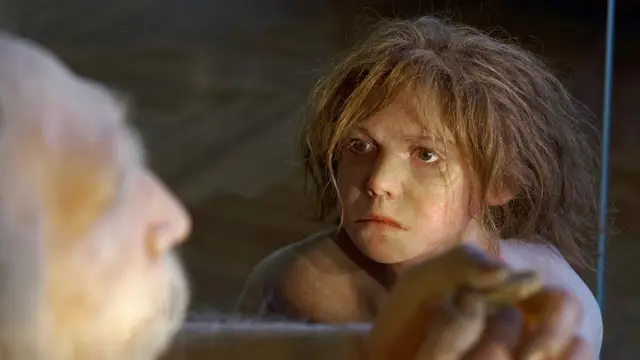
Max Planck scientists read DNA from 27 late Neanderthals in Belgium and France and found no sign of recent Homo sapiens ancestry, even though both lived in Europe at the same time
Neanderthal bones from ten sites in Belgium and France, with a focus on caves in Belgium’s Meuse Basin that were mostly excavated in the 19th century,…
ECOnews Newsroom · October 7, 2026
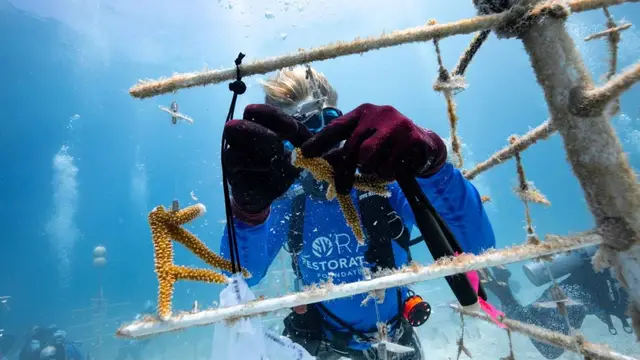
A Florida father and daughter started growing staghorn coral for a 4-H project around 2000, and after a 2023 heatwave killed 98% to 100% of wild staghorn and elkhorn in the Keys, the nurseries that grew out of it are banking the survivors’ genes
“Originally we were going to grow coral and sell it to the aquarium trade, just like the 4-H kids up north raised and sold pigs and chickens,” Ken…
Adrian Villellas · October 4, 2026
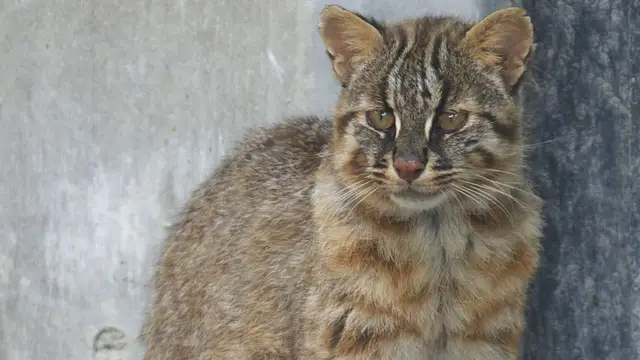
On Japan’s Tsushima Island, researchers found leopard cats with short tails and feared domestic cats had crept into their family tree, but genome tests of 16 animals found no trace of that ancestry
An unusually short tail can be a small detail with serious consequences for an endangered animal. On Japan’s Tsushima Island, researchers investigated…
ECOnews Newsroom · September 28, 2026
Scientists sampled 120 surfaces inside caves in Portugal and Spain and recovered ancient human DNA from just five, including a red-pigment crust at Escoural, revealing that even apparently blank cave walls can preserve genetic traces of people who passed through thousands of years ago
Scientists have recovered ancient human DNA from a pigment-bearing mineral crust in a Portuguese cave, showing that cave walls can preserve traces of…
ECOnews Newsroom · September 25, 2026