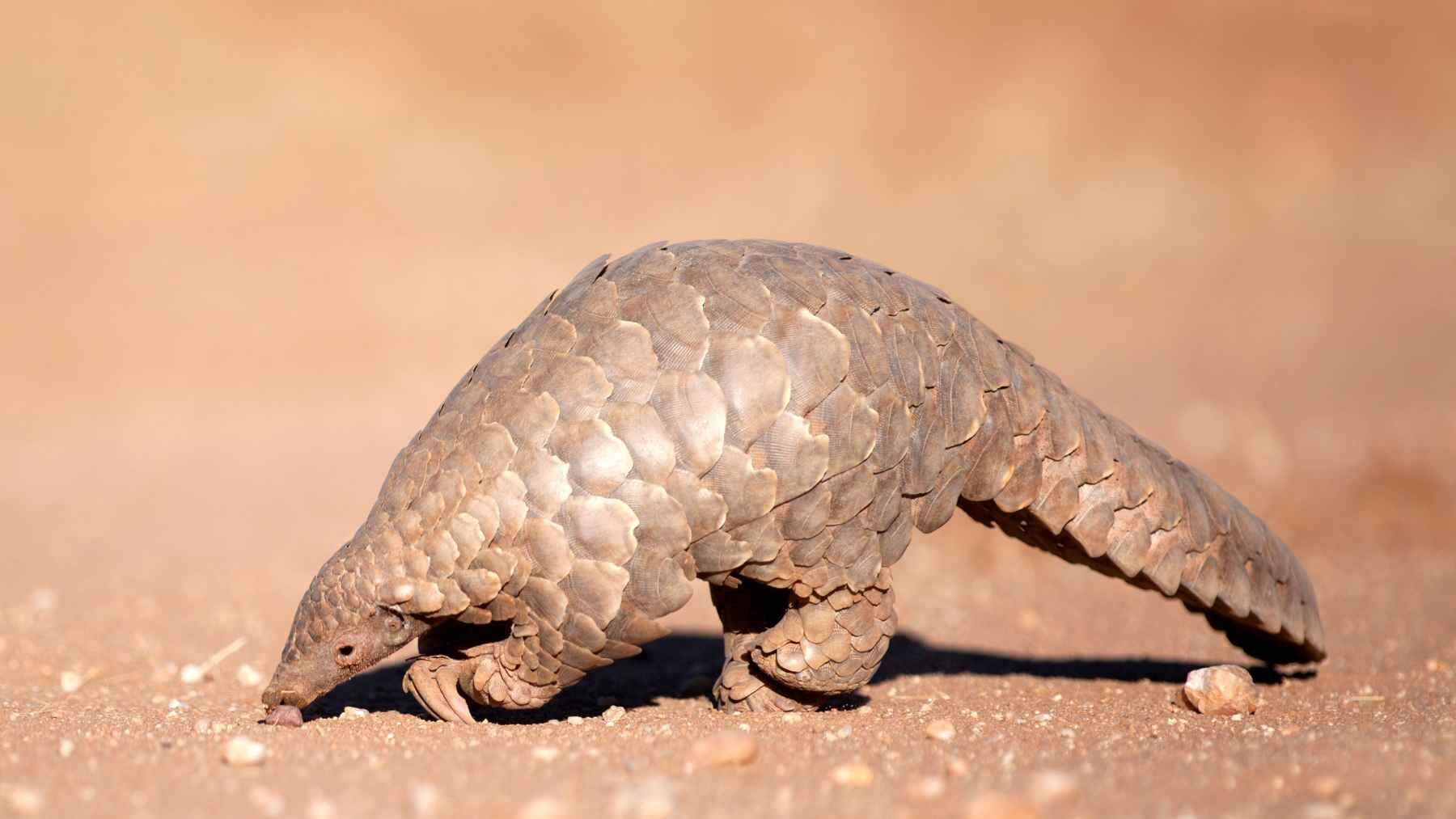
An old museum specimen just settled a debate that scientists have been going back and forth on for years. DNA pulled from a pangolin skin collected way back in 1836 shows that Himalayan pangolins are not only a regional variation of the Chinese pangolin, like people used to think. They are actually their own distinct species with a whole evolutionary path of their own.
The species now officially goes by the name Manis aurita, a name naturalist Brian Houghton Hodgson came up with almost 200 years ago, long before anyone had the tools to prove he was right. This is not just a footnote for a textbook update: it could genuinely help experts trace trafficked scales, track where poaching is hitting hardest, and figure out where rescued pangolins should be released so they actually end up back home.
A forgotten name returns
The specimen that cracked this whole case open is just an old, preserved adult pangolin skin, sitting in a drawer at the Natural Museum in London. Researchers sequenced DNA from this “type specimen,” meaning the physical example tied to the original species description, and compared it with genetic material from present-day pangolins across the southern Himalayas.
Lead author Narayan Prasad Koju of Nepal Engineering College was the one who connected the dots between the old specimen and today’s pangolin populations. The match confirmed that pangolins now living in Nepal, South Tibet, and Assam all belong to that same original lineage identified back in 1836.
That discovery also cleared up a totally different naming mess. A 2025 study had already proposed calling Himalayan lineage Manis indoburmanica. But under zoological naming rules, the oldest valid name usually wins out. Because the historic specimen matched those animals, Manis aurita takes priority and the newer name becomes a junior synonym, which means it is no longer the accepted scientific label.
DNA was only half the case
Researchers did not just run one DNA test and call it a day. They assembled 55 whole-genome datasets and 70 mitochondrial genomes, then compared 44 skull specimens and 26 preserved skins. Whole-genome data surveys DNA across the animal’s full genetic instruction book, while mitochondrial DNA offers a smaller record that is especially useful for tracing maternal ancestry.
The physical evidence pointed in the same direction. Anderson Feijó of the Field Museum said, “Compared to the Chinese pangolin, the Himalayan pangolin has a bigger body, a longer tail, and smaller ears.” Sure, those differences are not as obvious as, say, stripes on a tiger, but they remained consistent across the museum material.
Genetic analysis suggests the Himalayan and Chinese pangolin lineages split about 1.8 million years ago. Since then, they appear to have remained largely separate, with only a little bit of mixing here and there. Researchers think mountains, major river systems, and shifting habitats in the region probably kept these two populations apart for good.
Why the distinction matters
Pangolins are widely described as the world’s most trafficked mammals. Their overlapping scales are made of keratin, the same basic material found in human hair and fingernails, but that has not stopped them from being hunted for traditional medicine and other illegal markets.
Wildlife officers usually do not seize whole animals; they seize bags of scales, and that is a real problem, because once the rest of the body is gone, a lot of pangolin species end up looking nearly similar. A stronger DNA reference for Manis aurita gives investigators a better chance of identifying which species was killed and where the trafficking chain may have started.
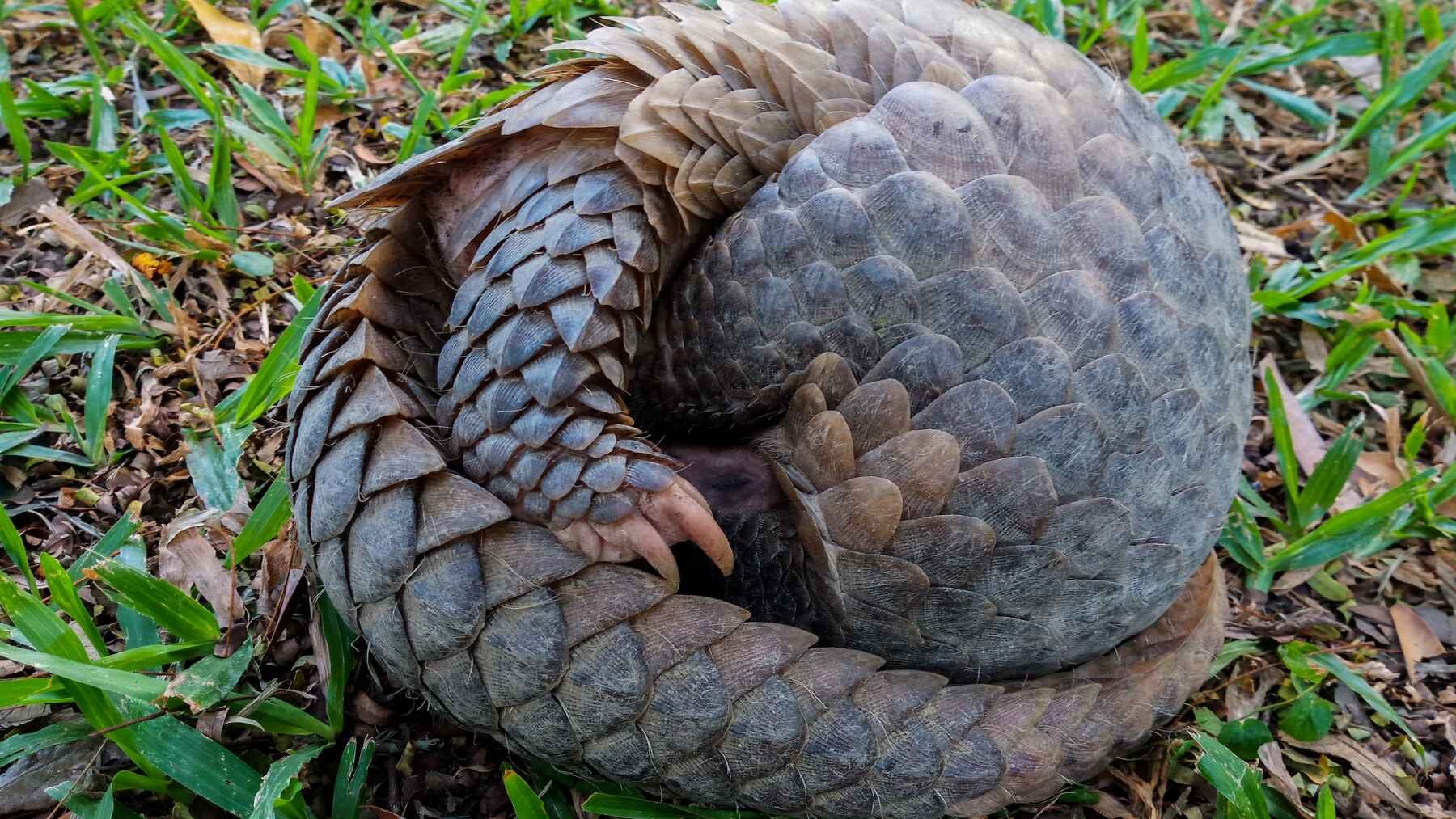
The Himalayan pangolin and the Chinese pangolin occupy different ranges, so releasing an animal into the wrong habitat could undermine an otherwise well-intended conservation effort. Getting species name right does not stop poaching on its own, but it hands enforcement teams and wildlife managers a far more reliable map to work from.
Museum shelves can act like time machines
It took a 190-year-old specimen to finally answer this question in 2026 because pangolins are rare and notoriously difficult to study in the wild. Museum collections let scientists compare animals gathered across many places and decades without waiting years to locate enough living individuals.
Old “type specimens” are especially valuable because they anchor a scientific name to a real animal. In this case, the preserved skin worked a little like an old identity document checked against a modern family tree. Without its DNA, researchers could see that the Himalayan pangolin was different, but they could not conclusively establish which historical name belonged to it.
This whole discovery also says a lot about why careful storage matters so much in museums. Techniques for recovering and reading historic DNA have advanced far beyond anything available to nineteenth-century naturalists. A specimen placed in a drawer for safekeeping can become useful again when a new tool, or a new question, arrives.
A clearer map for a threatened animal
The confirmed genetic records place Manis aurita in the southern Himalayan region, including central Nepal, South Tibet, and Assam in northern India. Researchers will likely need to do more fieldwork to fully map out its range, especially in parts of northern Myanmar where there is still very little data to go on.
Being officially recognized as its own species also changes how scientists look at its history. The research turned up evidence of a long-term population decline and a pretty limited range, two warning signs that make targeted conservation efforts feel a lot more urgent. Still, the taxonomic decision should be viewed as a starting point rather than a conservation victory.
For now, the nearly 190-year-old skin has done something remarkable but practical. It has linked a forgotten name, a living population, and a modern wildlife crime problem, showing how one quiet museum shelf can end up shaping what happens in forests thousands of miles away.
The official study has been published in Communications Biology.