Bed bugs did not simply follow people into houses. New DNA evidence suggests that settled life may have pulled the human-feeding branch of the common bed bug out of a long population decline, giving it stable hosts and the crowded indoor spaces it needed to expand.
Researchers compared the complete genomes of 19 bed bugs linked either to people or bats. The human-associated branch began recovering around the rise of permanent settlements and early cities, while the bat-associated branch kept shrinking. That makes bed bugs a leading candidate for humanity’s first true urban insect pest, although the evidence does not show that people saved the entire species from extinction.
DNA records a hidden history
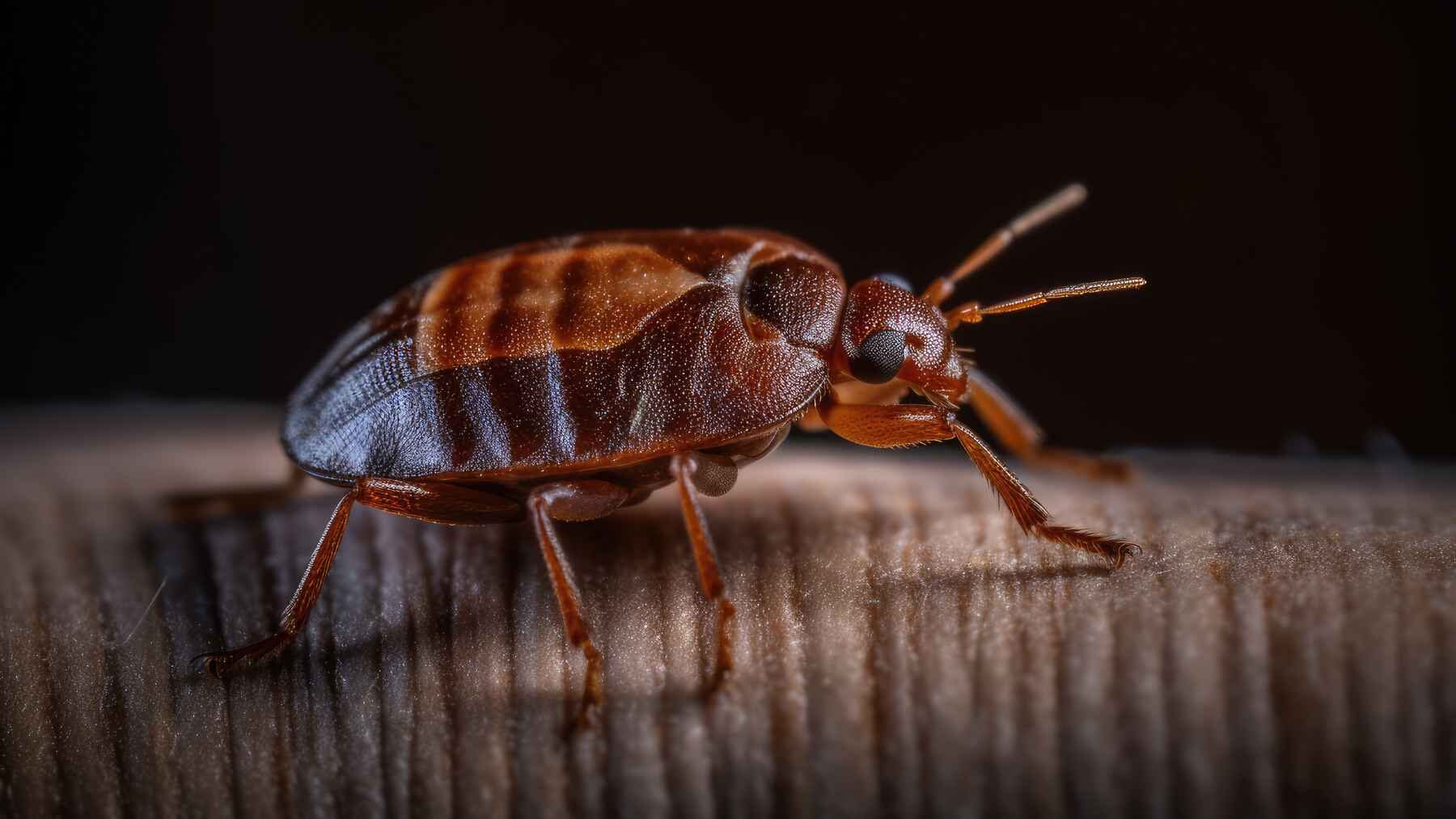
The team studied common bed bugs known as Cimex lectularius, a species with two distinct genetic branches. Nine insects came from human homes and 10 came from bat roosts at six sites in the Czech Republic, all collected in 2014. Sequencing their entire genomes revealed about 9.7 million variable DNA sites.
Those mutations work a little like marks in an old family record. They allowed the researchers to estimate “effective population size,” meaning the number of breeding insects that passed their genes to the next generation, rather than the total number alive. Lead author Lindsay Miles, a postdoctoral researcher at Virginia Tech, said those estimates “can tell you what’s been happening in their past.”
From bats to human beds
The wider bed bug family is ancient. A 2019 evolutionary study dated its origin to about 115 million years ago, long before people and even before bats, once assumed to be its first hosts. The common bed bug later developed branches associated with bats and humans.
The new analysis places the split between those branches about 245,000 years ago, building on earlier genetic research that found strong separation between them. The human branch also carried less genetic diversity. Co-author Warren Booth said the pattern fits a scenario in which migrating people “took a subset of the population with them” when they moved away from caves.
The ice age squeeze
Both branches lost breeding population between roughly 50,000 and 20,000 years ago. That period led into the Last Glacial Maximum, the coldest stage of the most recent ice age, when shifting climates and shrinking habitats placed pressure on many living things.
Then their paths separated. The human-associated branch stopped falling around 13,000 years ago, remained fairly level for several thousand years, and rose sharply about 7,000 years ago. The bat-associated branch showed no comparable rebound and continued declining toward the present.
Cities changed the balance
What changed for the bugs that fed on people? Around 12,000 to 13,000 years ago, many human groups began trading a mobile life for permanent communities. More people slept in the same places night after night, creating reliable meals and nearby hiding spaces for a parasite built to feed and retreat.
The timeline is intriguing. Çatalhöyük in present-day Turkey dates to about 9,400 years ago and may have housed between 800 and 8,000 residents. As larger settlements and later civilizations spread, cities became stepping stones that could carry bed bugs from one community to the next.
Were they the first urban pest?
The researchers argue that bed bugs may have beaten other familiar pests into human-built spaces. The human relationship with the German cockroach appears to be only about 2,100 years old, while the black rat became closely tied to people around 5,000 years ago. Bed bugs may have been established indoors thousands of years earlier.
Still, “first urban pest” is a narrow label, not a final verdict on the oldest human parasite. The sample included just 19 insects from one country, and population models depend on assumptions about mutation rates and the number of generations per year. That leaves room for larger studies to test whether the same historical pattern appears in other regions.
The extinction claim also needs care. The study does not show that all bed bugs would have disappeared without humans, since the bat-associated branch remains alive. What it shows is that the human-associated branch reversed a serious decline as settled life expanded, then grew alongside civilization.
Why this matters now
This history is not just about ancient bedrooms. Bed bug populations crashed after DDT became widely used in the 1940s, but resistant insects were documented within a few years, and the pests returned worldwide in the late 1990s. For travelers, the science lands in a familiar place: the hotel mattress and the suitcase beside it.
A separate 2025 resistance study screened bed bugs from 134 populations across the United States and Canada. It found a potentially resistance-linked mutation in two geographically separate populations. That finding does not explain every hard-to-kill infestation, but it shows how human control measures can leave a mark in pest DNA.
By reconstructing how bed bugs responded to caves, cities, pesticides, and human movement, researchers can build better models of where urban pests may spread next. In the end, the same relationship that helped bed bugs thrive may eventually reveal their weak points. Our homes shaped them, and their genomes still carry the record.
The full study was published in Biology Letters.