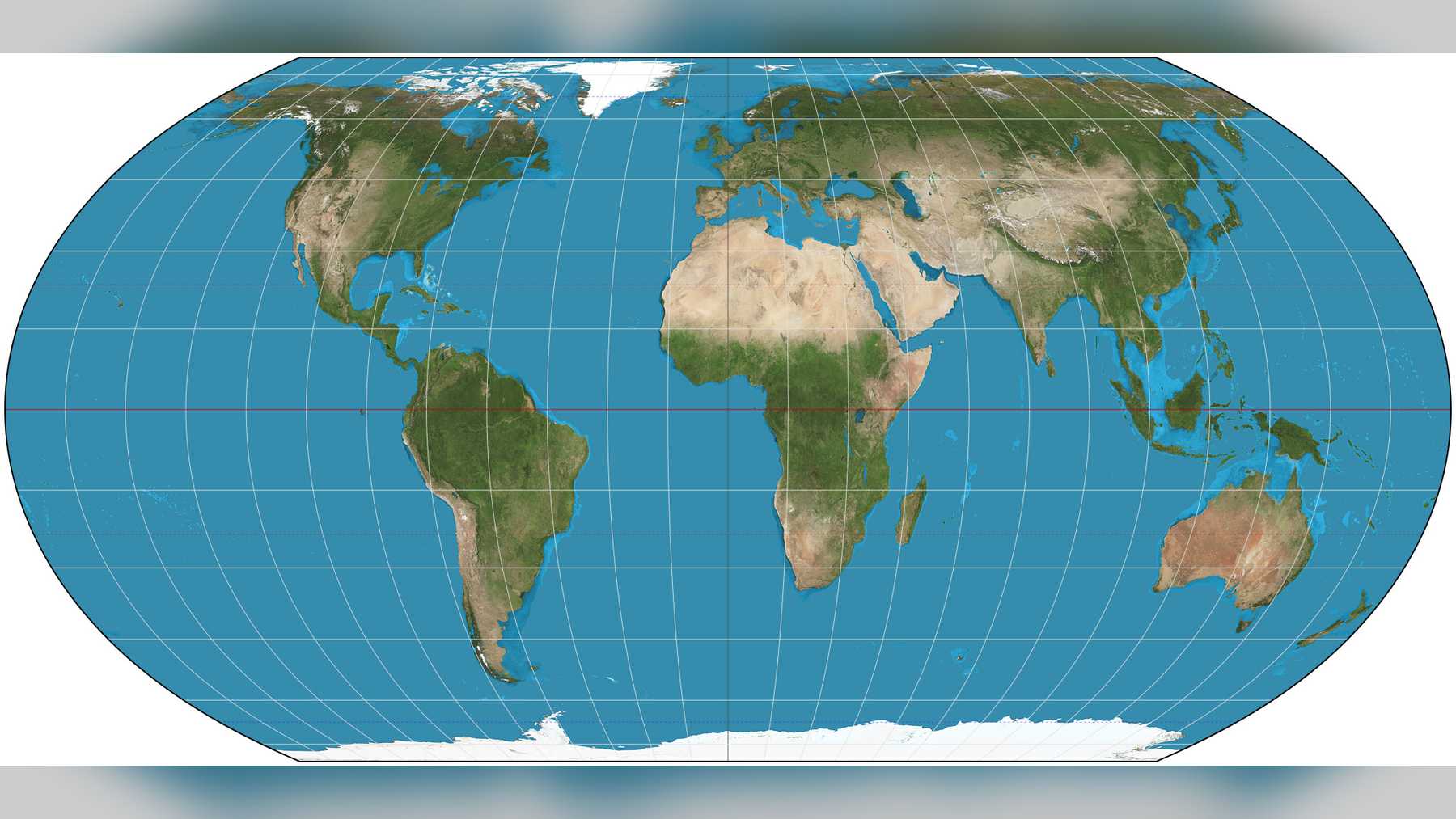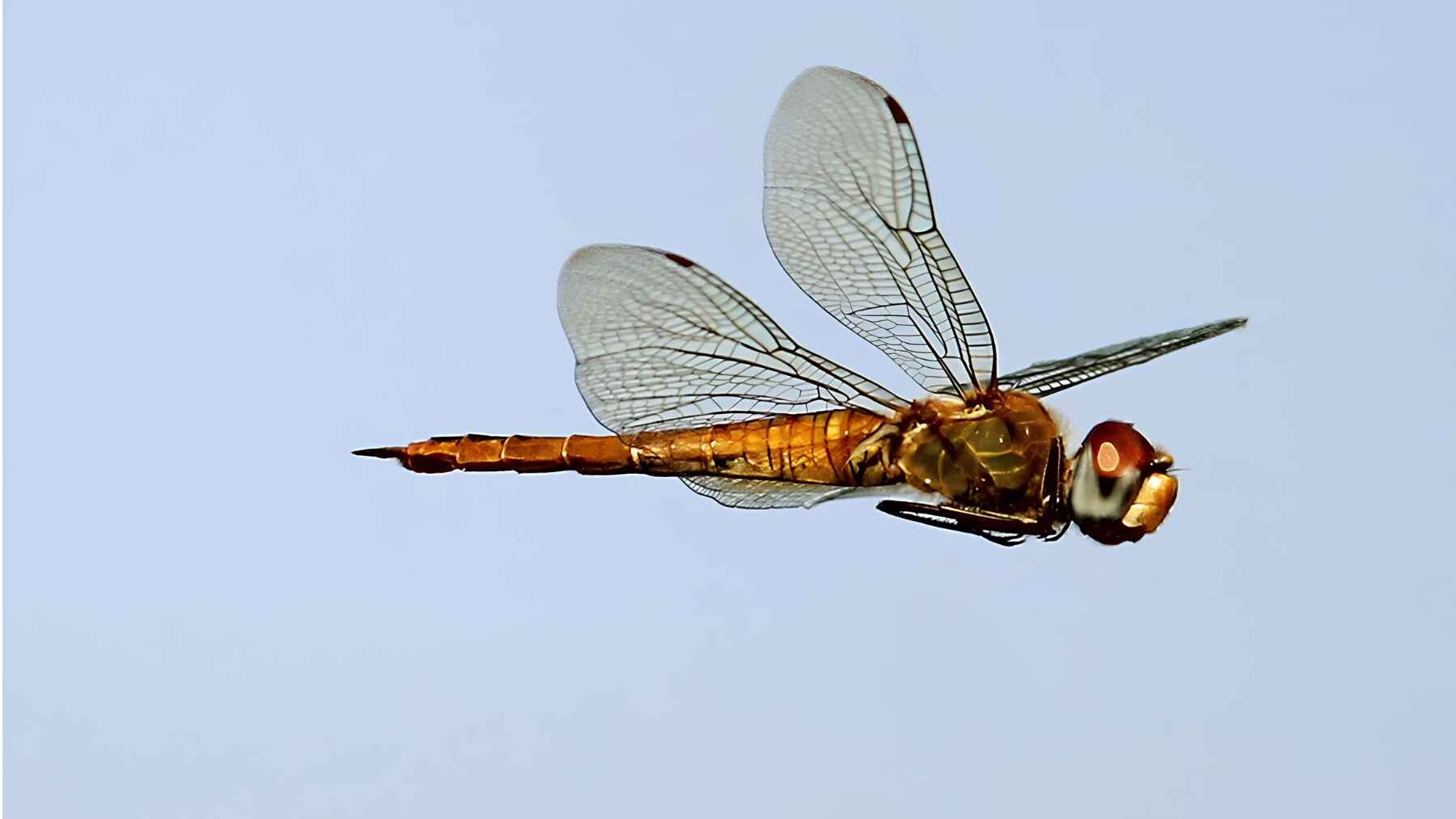
A dragonfly barely 1.5 inches long might be the best long-distance flyer in the insect world. In 2016, a Rutgers-led genetic study found that globe skimmers dragonflies from the Americas and Asia were so closely connected that they act like one global breeding group across the whole world.
Something needs to be pointed out. Scientists never actually watched one dragonfly the whole route. But DNA and wing-isotope evidence show that a single glove skimmer can fly more than 3,700 miles, and a full migration cycle, spread across several generations, may cover roughly 8,700 to 11,200 miles.
DNA revealed a global traveler
Researchers studied 49 genetic samples from dragonflies caught in Guyana, Japan, India, Korea, Canada, and the United States. Instead of splitting cleanly by continent, genetic branches mixed together, even in samples collected thousands of miles apart.
Only 4.26 percent of the measured variation occurred among geographic populations, while 95.74 percent occurred within them. One Canadian specimen was more closely related to one from Gujarat, India, than to nearby dragonflies.Lead researcher Jessica Ware said this shows genes mixing across huge distances.
How can it cross an ocean?
The globe skimmer, also called the wandering glider, is not built for speed. It is more like a tiny glider plane. A wide wingspan and an enlarged wing base help it catch good air currents, mixing active flying with long glides that save energy..
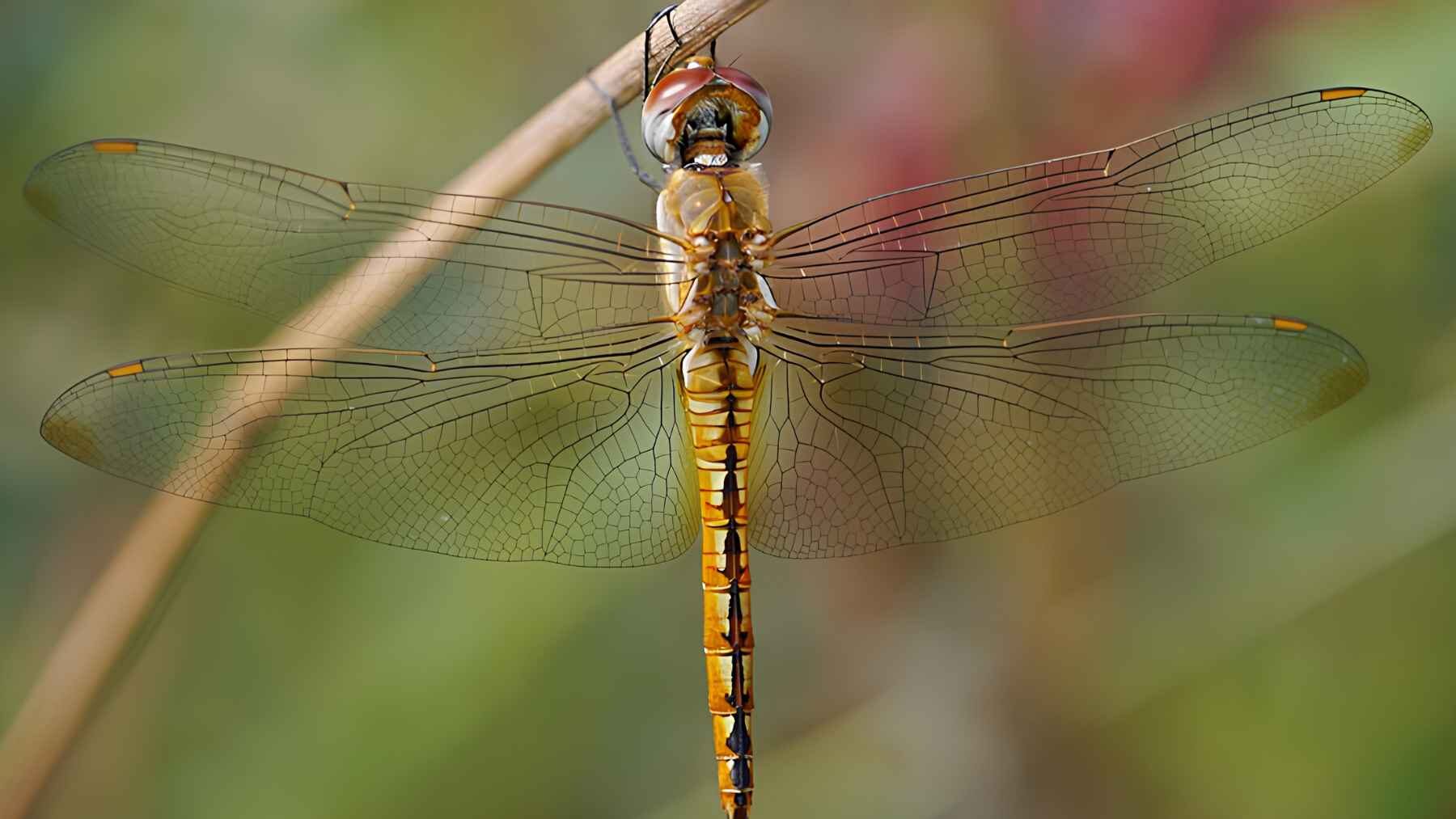
Weather does most of the work. Seasonal winds tied to a pattern called the Intertropical Convergence Zone carry the insects toward rain, and the rain creates small pools of fresh water where they can lay eggs and start the next generation.
A relay across generations
The full trip likely is not done by just one dragonfly.Globe skimmers grow up fast in short-lived pools, and once they become adults, they can continue the journey as the rain moves, turning the whole trip into a relay across generations.
Once study offers a clearer look at part of that relay. Researchers studied 49 caught in the Maldives and traced them back to northern India, meaning each one likely flew more than 3,700 miles to reach East Africa, including about 2,175 miles over open ocean.
Farther than the monarch
The monarch butterfly still is still one of nature’s great travelers, flying about 2,500 miles each way across North America. Yet Rutgers researchers estimated the globe skimmer’s can fly 4,400 miles or more, and the India-to-East-Africa leg was called the longest known single-generation insect migration at the time.
Across multiple generations, the fully yearly trip may add up to around 8,700 to 11,200 miles. That is not some random drift on a summer breeze. It is a carefully timed journey shaped by wind, rainfall, breeding opportunities, and the short life of these temporary pools..
Weather is part of the engine
A 2023 study using weather models added detail without fully mapping out the migration. It found that a wind system called the Somali Jet could make a roughly 1,740-mile flight from Somalia to India possible in about 45 hours, while the trip back toward Africa looked harder and may need stops in the Maldives and Seychelles.
In short, the dragonfly is not just flying wherever the wind takes it. The model suggests it needs the right altitude, direction, timing, and nearby islands,all while keeping enough energy in reserve.
What the evidence cannot prove
The 2016 DNA study was impressive, but it was not an exact GPS record. The sample was relatively small, included only a few North American specimens, had no African samples, and used just one type of genetic matter. Because of that, the researchers called for more sampling and more genetic going forward.
That caution still matters. Genetics, wing chemistry, sightings, and weather models all support extraordinary happening here, but none of them can fully map the exact route every dragonfly takes.
What scientists know in 2026
A global review published in May 2026 confirmed migration in 100 dragonfly and damselfly species, with another 85 considered possible migrants. That means only about 1.5 percent of known odonate species are confirmed migrants, making the globe skimmer’s ocean-crossing behavior even more unusual.
There is still a lot left to learn. A new project launched in 2026 by Nara University of Education and shipping company NYK is now collecting photos, video, and location data from ships, while a citizen-science survey has already logged more than 100,000 wandering gliders in Japan.
One population across continents
Scientists describe this genetic pattern as a mostly global “panmictic” population. In simple terms, enough dragonflies from distant regions appear to breed across connected routes that geography has not divided the species into clearly separate continental genetic groups.
That does not mean every globe skimmer flies around the whole planet. It means their combined movement keeps genes flowing across huge distances, linking freshwater habitats and weather systems that look completely separate on a map.
Tiny wings, global reach
The globe skimmer’s achievement is not just a story about endurance. It shows how wing design, wind, rain, rapid development, and repeated generations can turn a fragile-looking insect into an ocean-crossing traveler.
The 2016 genetic study was published in PLOS ONE. The latest global review was published in Biological Reviews.