For centuries, Iceland seemed to hold on to one very unusual privilege. While much of the world has dealt with that familiar nighttime buzz, itchy bites, and summer swatting, the island was widely known as a place where mosquitoes had not taken hold. That has now changed.
The Icelandic Institute of Natural History has confirmed the country’s first recorded mosquito case, after three insects were found in Kiðafell, Kjós, in mid-October. The discovery does not mean Iceland is suddenly facing a mosquito invasion, but it does mark a small, symbolic shift in a warming world where even remote ecosystems are becoming less predictable.
A tiny insect makes history
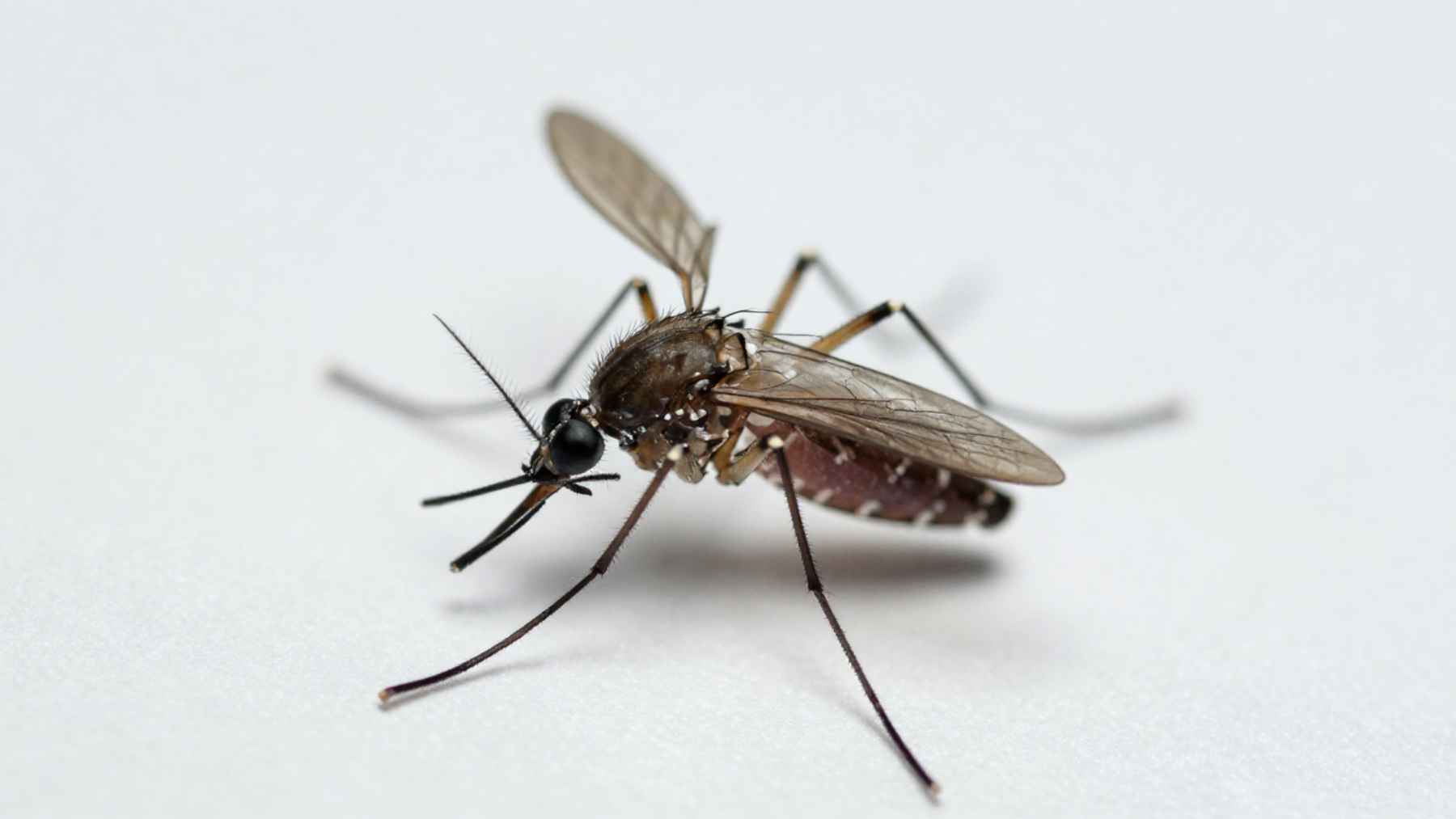
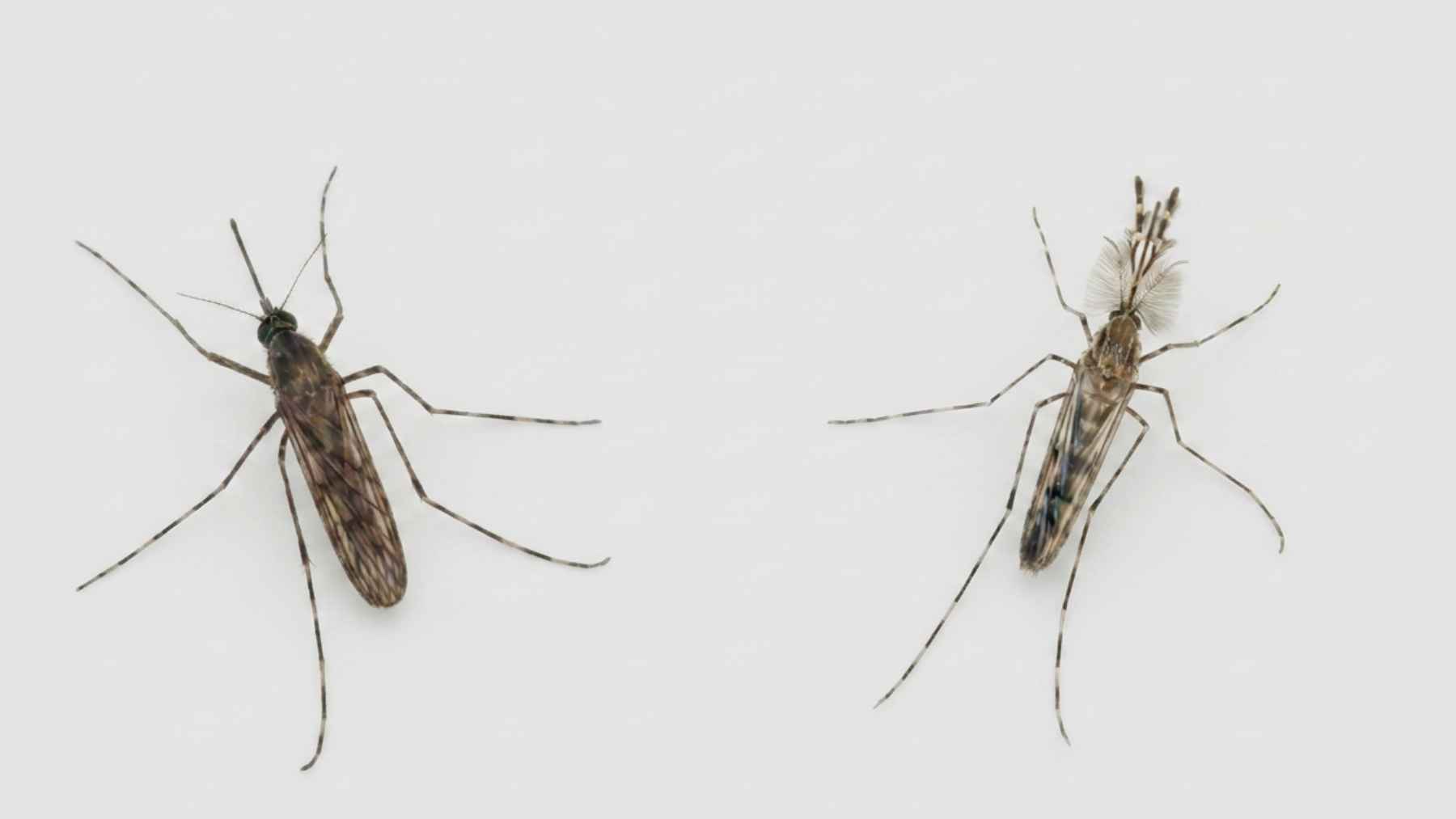
The mosquitoes appeared between October 16 and October 18 on a red wine rope used to attract moths at a farm in Kiðafell. The insects were later sent for analysis, where experts confirmed they were two females and one male of the species Culiseta annulata.
That detail matters. Finding both male and female mosquitoes suggests this was not just a single stray insect blown in by chance, even though scientists still do not know whether the species has established itself permanently.
The finder, Björn Hjaltason, noticed an unusual insect at dusk and collected it for identification. It is the kind of moment most people would brush away with a hand, but in Iceland, it became a biological milestone.
Why this species could survive
The mosquito was identified as Culiseta annulata, a large mosquito found across much of Europe, including colder northern regions. According to the Icelandic Institute of Natural History, the species is adapted to chilly conditions and can survive winter as an adult by sheltering in protected places such as barns, outbuildings, and basements.
That makes it different from many mosquitoes people associate with hot, humid climates. It does not need a tropical setting to persist, and Iceland has no shortage of ponds, marshes, and damp ground where larvae could develop when water stays liquid long enough.
The institute also noted an important public health point. This species bites, but it is not considered dangerous to people in the region because it is not known to carry relevant diseases there.
Climate is part of the story
So, is this climate change in action? To a large extent, it fits the pattern scientists have been warning about, though experts are careful not to pin one discovery on one cause.
The Arctic has warmed nearly four times faster than the global average in recent decades, according to research published in Communications Earth & Environment. That kind of warming can stretch thaw seasons, soften winters, and give cold-tolerant insects a better chance to complete their life cycles.
That means more days when standing water stays open instead of freezing quickly. For mosquitoes, that water is not just background scenery. It is the nursery.
Shipping may have opened the door
The Icelandic Institute of Natural History said it is not clear how the mosquitoes reached Iceland. The most likely route, according to the agency, is freight transport, which can move small insects across borders inside containers, cargo, or sheltered materials.
That does not make human transport the whole story. A mosquito can arrive by ship or container, but it still needs a landscape where it can survive after arrival.
That is why this discovery feels bigger than three insects on a wine-soaked rope. Global trade may open the door, but a warming climate can make the room more livable.
Iceland is watching closely
For now, the most responsible answer is also the least dramatic one. Scientists do not yet know whether Culiseta annulata will become a permanent resident of Iceland.
Still, the institute said the find adds to a growing number of new insect species detected in the country in recent years, linked in part to a warming climate and increased transport. It also said it will continue monitoring the situation and asked the public to send photos or samples if they notice insects that look like mosquitoes.
That public role matters. A small jar, a clear photo, or a note about where an insect was seen can help scientists understand whether this was a brief visit or the start of a new chapter in Iceland’s ecology.
A warning without panic
The arrival of mosquitoes in Iceland is not a reason for fear. There is no evidence here of a sudden disease threat, and experts have not confirmed a stable mosquito population.
However, it is a reminder of how climate change often shows up. Not always as one huge disaster, but sometimes as a small animal in a place where it was not expected, quietly rewriting what people thought they knew about nature.
For Icelanders, the shift may eventually be felt in very ordinary ways, from barns and basements to summer evenings outdoors. For the rest of the world, it is another sign that ecological borders are moving.
The official statement on the first confirmed Icelandic mosquito record was published on Náttúrufræðistofnun ’s website.