NASA
164 stories · since 2024 · latest, November 18, 2026
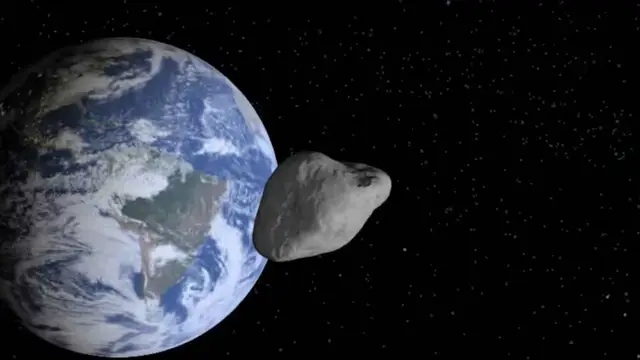
NASA and China warn that the Moon could be hit by a 60-meter rock and that the impact could trigger a meteor storm that would knock out the Internet, satellites, and GPS for years
What if the most spectacular sky show of the century came with a very down-to-Earth problem for your GPS, your weather app, even the satellites that track…
Adrian Villellas · February 27, 2026
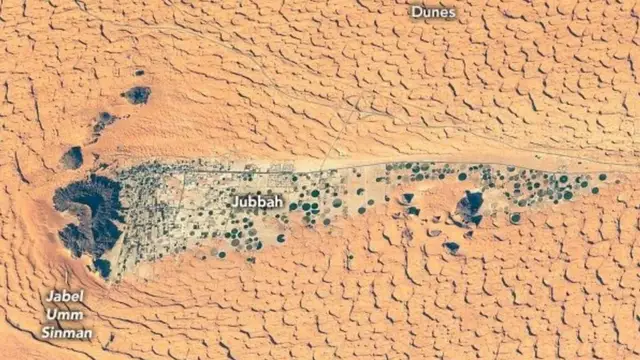
NASA photographs a desert and finds mysterious circles in the heart of Saudi Arabia
From orbit, the northern desert of Saudi Arabia looks like an endless sheet of orange dunes. Yet in a new image released by NASA, a chain of bright green…
Adrian Villellas · February 23, 2026
NASA conducts the first test of its nuclear engine for interstellar travel
Getting to the outer solar system with today’s rockets is like driving across a continent in first gear. Engineers at NASA say they have just nudged space…
Adrian Villellas · February 19, 2026

The photos that confirm it: NASA’s X-59 fires up its afterburner and takes a key step toward breaking the sound barrier without breaking our ears
NASA’s experimental X-59 quiet supersonic aircraft has taken a major step toward the sky after its engine roared in maximum afterburner for the first time…
ECOnews Newsroom · February 15, 2026

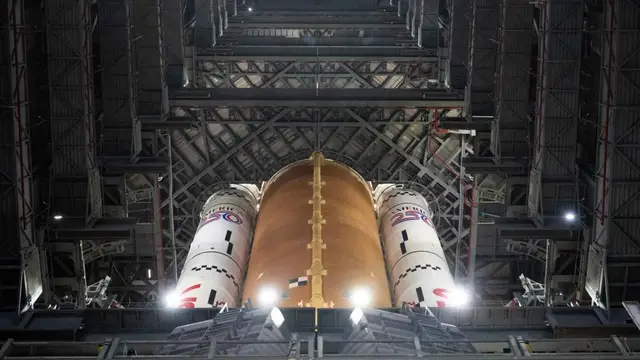
NASA is already moving its giant rocket to platform 39B, and the manned return to the Moon begins with a 4-mile journey at walking pace
NASA is already moving its giant rocket to platform 39B, and the manned return to the Moon begins with a 4-mile journey at walking pace
Adrian Villellas · February 11, 2026
NASA’s asteroid watchlist has five dates between 2030 and 2880, and they are not a countdown to the end of the world
People love to joke about “the next doomsday date,” especially when a space rock shows up in the news. But the real story is quieter, and a lot more…
Adrian Villellas · February 6, 2026
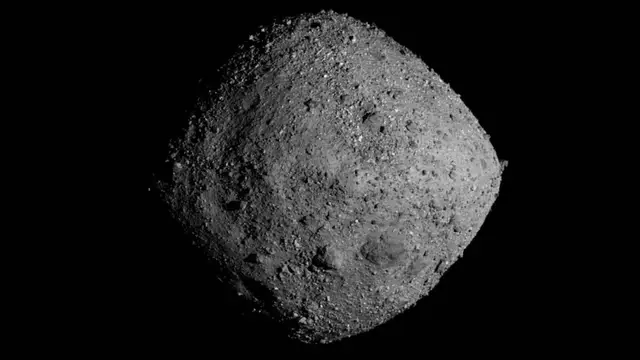
A new study of Cassini data confirms complex organic chemistry in the ocean of Saturn’s moon Enceladus
Two decades ago, scientists at NASA looked at the small, icy moon Enceladus and made a bold claim. They argued that this frozen speck orbiting Saturn hid…
Adrian Villellas · February 6, 2026
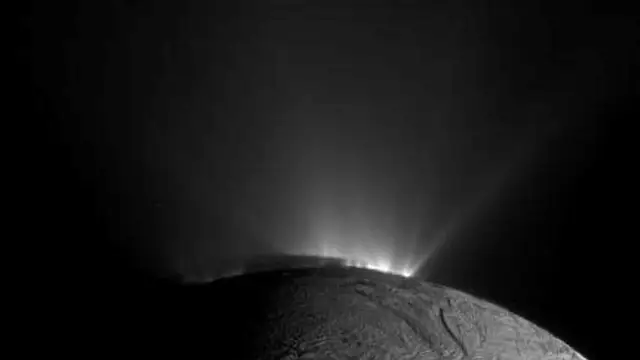
At 3:41 a.m. on January 15, 2026, the Dragon capsule splashed down in the Pacific Ocean, ending a mission that concluded ahead of schedule
The four members of NASA’s SpaceX Crew 11 mission are back on Earth after a tense but carefully managed return from the International Space Station. At…
Adrian Villellas · February 5, 2026
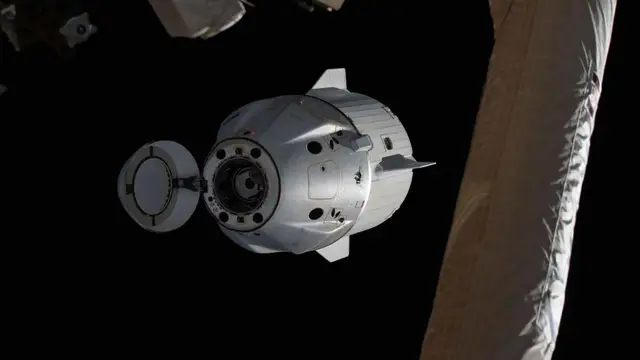
Will we run out of drinking water? The planet keeps its water, but a 2025 study projects that, under high emissions, 74 percent of drought-prone regions would face unprecedented scarcity by 2100, and some US aquifers are already falling
Updated November 11, 2026, with a direct answer on whether Earth can run out of water, USGS data on where fresh water sits, WRI water-stress figures, NASA…
Adrian Villellas · January 16, 2026
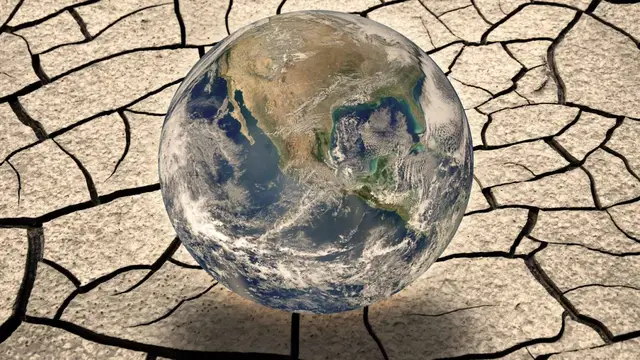
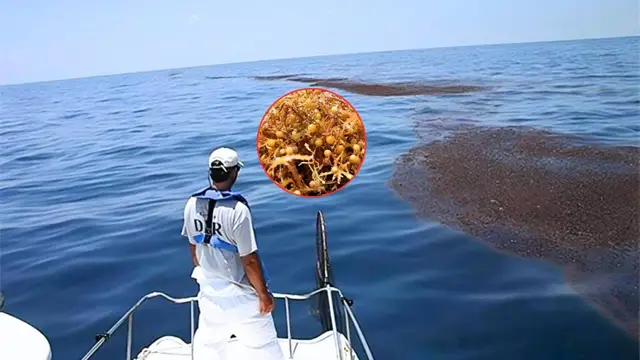
The Great Atlantic Sargassum Belt, the floating brown seaweed that makes parts of the Atlantic look brown from space, ranked second on the satellite record in June 2026, NASA says, while the Caribbean and Gulf set regional records
Updated November 14, 2026, with NASA and USF satellite data for the 2026 season, the October 2026 USF Sargassum Outlook, NOAA guidance on health risks and…
Adrian Villellas · January 14, 2026
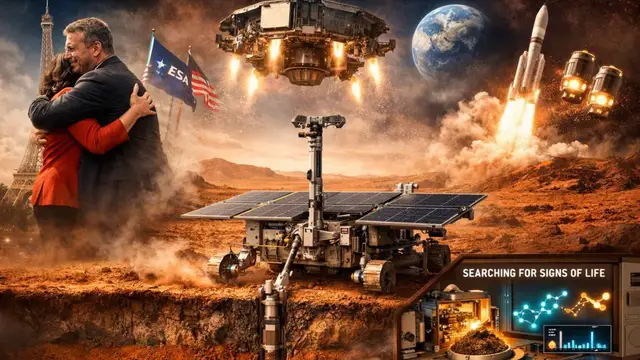
The European mission aiming to find life on Mars now has a date and a key partner: NASA will provide a rocket and nuclear “heaters,” with launch planned for 2028 and landing in 2030
What if the clearest clues about life on Mars are not on the surface at all, but hidden a couple of meters underground where radiation cannot easily reach…
ECOnews Newsroom · January 12, 2026
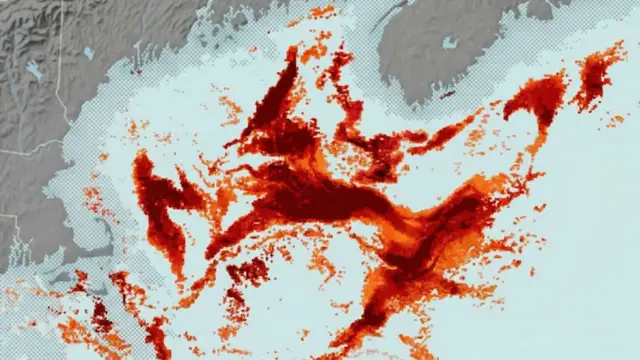
A NASA satellite has made visible something microscopic that keeps one of the most endangered whales on the planet alive
Far off the New England coast, one of Earth’s rarest whales is surviving on clouds of plankton that most of us never notice. Now scientists can see those…
Adrian Villellas · January 9, 2026
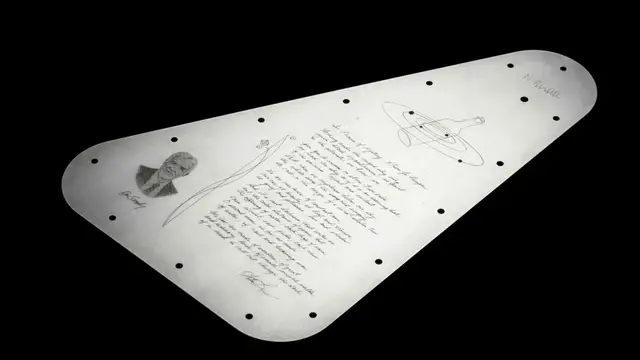
Europa Clipper carries Earth’s message in a bottle to an alien ocean
When NASA’s Europa Clipper left Earth in October 2024, it carried more than fuel, cameras, and radar. Bolted to the spacecraft is a thin triangular metal…
Adrian Villellas · January 9, 2026
NASA detects a “super-Earth” just 137 light-years away in the habitable zone: the most intriguing detail is that its year lasts only 19 days
Far beyond our traffic jams, power plants, and rising electric bills, NASA has spotted a new kind of neighbor in space. A rocky “super Earth” called…
ECOnews Newsroom · January 9, 2026
NASA’s 3 million dollar “lunar recycle” bet could change how we deal with trash on and off the Moon
If humans are going to live on the Moon, they will take something with them besides spacesuits and science gear. Trash. A lot of it. NASA now thinks that…
ECOnews Newsroom · January 4, 2026