

K Road Power Holdings now owns the 663.5-megawatt Calico solar thermal project in California, just days after original owner Tessera Solar lost a power purchase agreement with Southern California Edison.
Calico went through years of opposition from local residents and environmental groups before it was finally approved by California Energy Commission on December 1. Southern California Edison decided to cancel its power purchase agreement on December 23.
Industry observers believe Tessera found itself unable to finance the project after Southern California Edison withdrew its 20-year power deal.
But the California utility declined to say which company terminated the contract and why it was terminated, citing nondisclosure agreements.
The California Energy Commission formally approved the Calico project for 663.5 MW on December 1, but the project had earlier secured an electric grid interconnection agreement for 850 MW of capacity as originally envisioned for the project. It was required to cut its size to minimize impact on wildlife, particularly on the desert tortoise protected under the Endangered Species Act.
PV shift
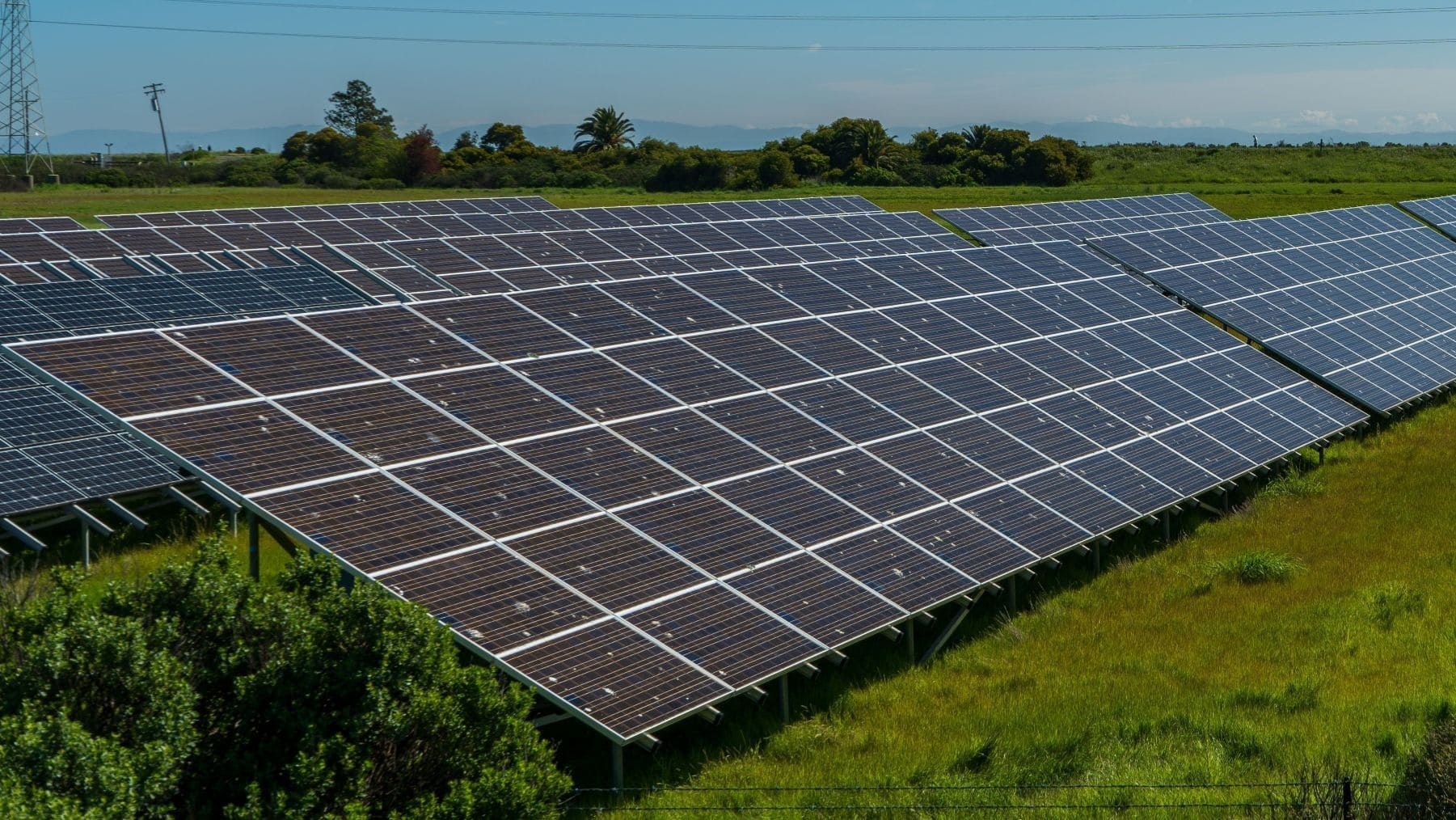
In a press release, K Power said Calico will not be using concentrating solar power or solar thermal technology as originally planned. Instead, 750 MW of the project will use solar photovoltaic panels. The remaining 100 megawatts will still employ solar thermal technology.
William Kriegel, K Road’s chief executive, said the use of more mature PV technologies ensures the project’s immediate financing, further reduce environmental impacts and lower solar energy production costs. The capital investment needed for the project is about $3 billion.
Calico was formerly called SES One and overseen by Stirling Energy Systems which develops stirling engines, giant parabolic dish of mirrors that concentrate and direct sunlight to heat up hydrogen gas in order to run a steam engine.
In 2005, Stirling Energy Systems signed a 20-year contract to sell power from Calico to Southern California Edison, then one of the largest contracts for electricity to be generated by a single solar thermal power plant. It then created Tessera Solar in 2009 so that it would focus on project development while Stirling Energy would concentrate on technology development and equipment sales.
The California Energy Commission approved the Calico project in October 2010, but then had to change the approval date to December 1 because the commission did not file the right documents in time.
Tessera has yet to settle legal challenges with another solar plant near the Mexican border. Despite securing federal permits, the district court issued a temporary injunction blocking construction of the 709-MW Imperial Valley Solar Project last December 16. Tessera has signed a deal to sell the power from Imperial Valley to San Diego Gas & Electric.
It will be held indefinitely until a judge can hear the accusations brought by the Quechan Tribe which claims government failed to adequately consult them over the project’s impact on their ancestral lands.