
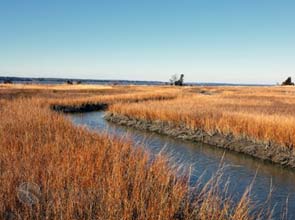
The Chesapeake Bay is America’s largest estuary, which is a body of water that links rivers to the sea and acts as a bridge between freshwater and saltwater. The Chesapeake Bay is so large that it stretches across six states and the District of Columbia, and is also one of the globe’s most fruitful estuaries. In years past, the bountiful bay has succumbed to harmful human activities, activities that have led to pollution, over-fertilization, tainted storm water runoff and an excess of nutrients. Thankfully, efforts are being made to staunch the harmful effects and restore the Chesapeake Bay back to its natural beauty.
History
It wasn’t until 1975 that the Chesapeake Bay was first placed under protection and the Environmental Protection Agency (EPA) was tasked with launching an investigation into why the bay was suffering from an environmental decline. Nearly 25 percent of the land in the watershed of the Chesapeake Bay is devoted to farming, but all of that farming has led to an abundance of sediment pollution and nutrients that find their way into the bay.
You might think that pumping nutrients into the bay would be a good thing, but there’s a delicate balance to nature that must be preserved at all costs in order for things to remain normal. The excess nutrients have contributed to the growth of algae blooms that keep vital sunlight from helping underwater grasses grow. As all of that algae dies, the decomposition process leeches precious oxygen from the water, which means that aquatic animals aren’t getting the air that they need to survive.
Another reason that the Chesapeake Bay has become so contaminated is because of air pollution. Power plants, automobiles and lawn tools that run off of gas all release harmful chemical contaminants and nitrogen that eventually fall back into the bay. The effects of the pollution of the Chesapeake Bay have led to invasive species that don’t belong in the bay and have also caused climate change and animal habitat loss.
Conservation Efforts
Several efforts are being made to save the Chesapeake Bay. The population of oysters in the bay has dropped dramatically, which has led to some oyster companies planting their own oysters in the bay so that they can be sure that they aren’t contributing to the degradation of the bay’s aquatic life. Not only do these companies plant their own oysters, they also carefully care for them and avoid dredging for them.
Planted oysters grow up in cages that float above the river bottom so that they don’t suffocate on the abundance of silt caused by improper farming techniques and extensive development.
Through the proposition of clean water policies, the Chesapeake Bay Coalition along with the EPA has made efforts to limit the amount of pollution that is churning into the bay. The coalition is also in support of addressing polluted storm runoff that runs into the bay, which contributes to excess nutrients and sediment in the bay.
An executive order known as the Farm Bill was established in 2008 as a way to ensure that Congress and the White House make the Chesapeake Bay’s watershed one of their top environmental priorities. The Chesapeake Bay Coalition continues to block attempts to roll back protections and funding from federal sources.
Ripple Effect
The areas around the Chesapeake Bay have also been affected by human development. Hydraulic fraction is used to drill for natural gas and sends large amounts of chemicals sand and water into the ground in the hopes of releasing gas. This rapidly growing practice has polluted community drinking water, increased the erosion of land and has industrialized farming and forest land.
The invasive species that have found their way into the Chesapeake Bay have started to jeopardize the pants and animals that are native to the bay. When invasive species are introduced to a new area, they don’t bring with them the diseases and predators that keep them in check, which means those species grow uncontrollably in their new environment. Examples of invasive species for the Chesapeake Bay include zebra mussels, blue catfish and the northern snakehead. If only one invasive species can cause so much damage to an environment, you can imagine the havoc that’s caused by three. Something else to think about with invasive species is that they have been known to put endangered species at even greater risk than they were before.
We have to do everything that we can to prevent further pollution and destruction of the Chesapeake Bay. While you may not live anywhere near the bay, you never know when the ripple effects will spread to your own backyard. In fact, they might already have.
Lauren Hill is an advocate for the conservation of the Chesapeake Bay. She has been fascinated with the work being done at Anderson’s Neck Oyster Company to save the beauty of the bay and is thrilled to be writing for them.