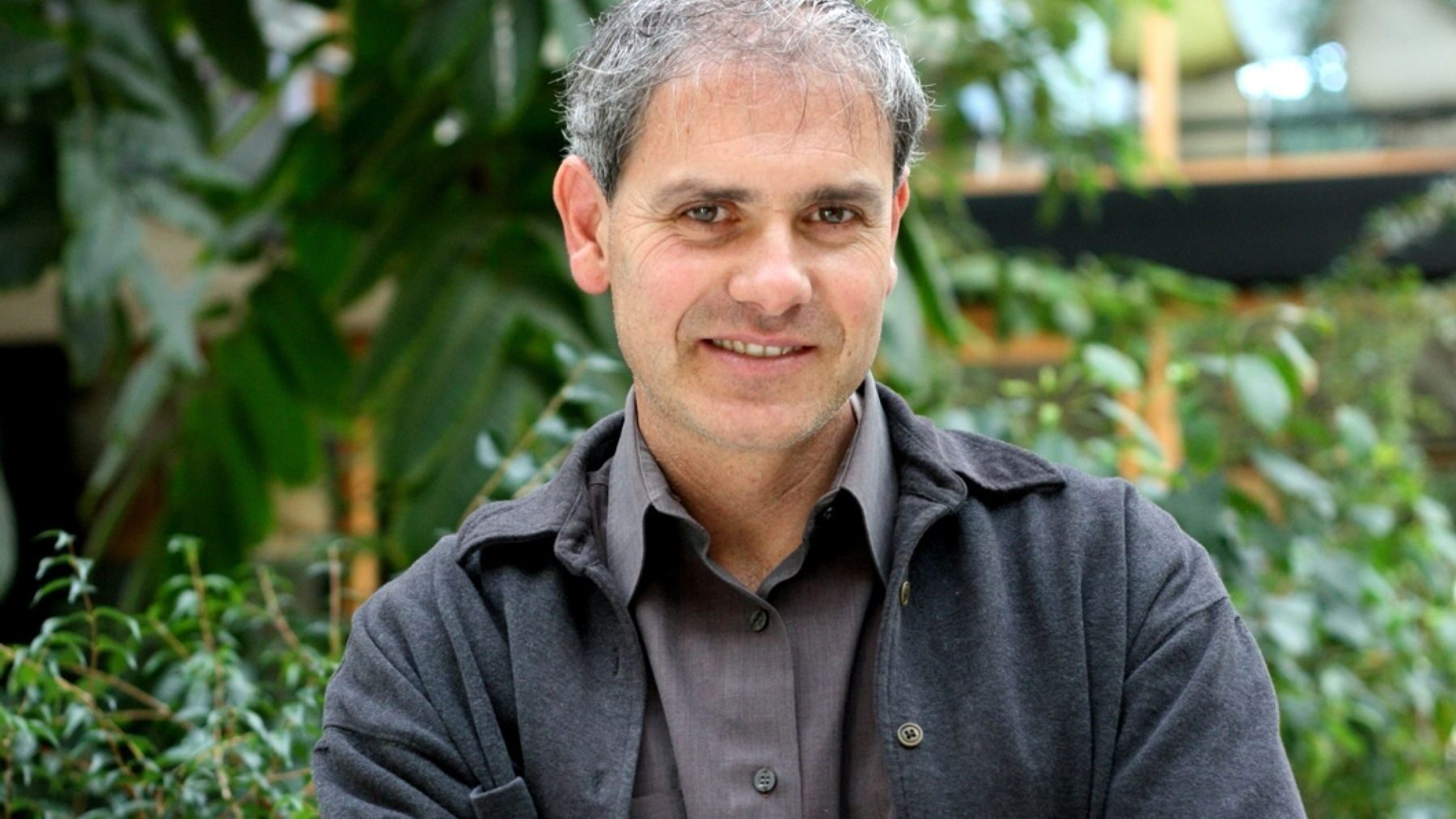
«Our study indicates that the potentially devastating consequences of global warming threaten people’s fundamental tendency to see the world as safe, stable and fair. As a result, people may respond by discounting evidence for global warming,» said Robb Willer, social psychologist and coauthor of the study to be published in the January issue of the journal Psychological Science.
According to Mr. Willer, if scientists and advocates can communicate their findings in less apocalyptic ways – and present solutions to global warming instead – most people can get past their skepticism.
Recent decades have seen a growing scientific consensus on the existence of a warming of global land and ocean temperatures. A significant part of the warming trend has been attributed to human activities that produce greenhouse gas emissions.
Despite scientific evidence supporting these, a Gallup poll conducted earlier this year found that 48 percent of Americans believe that global warming concerns are exaggerated and 19 percent think global warming will never happen.
The researchers thus sought to investigate the psychology behind attitudes about climate change in two experiments. In the first one, 97 University of California undergraduates were gauged for their political attitudes, skepticism regarding global warming and belief in whether the world is just or unjust.
Next, participants read a news article about global warming. The article started out with factual data provided by the United Nations Intergovernmental Panel on Climate Change. But while half the participants received articles that ended with “apocalyptic warnings,” the other read articles that ended with positive messages focused on potential solutions to the issue.
Results showed that those who read the positive messages were more open to believing in the existence of global warming and had more faith in science’s ability to solve the problem. Moreover, those who scored high on the “just world” scale were less skeptical about global warming when exposed to the positive message.
By contrast, those exposed to doomsday messages became more skeptical about global warming, particularly those who scored high on the just-world scale.
A second experiment involved 45 volunteers from 30 cities in the United States. Researchers looked at whether increasing one’s belief in a just world would increase his or her skepticism about global warming.
They had half the volunteers unscramble words such as «prevails,” “justice” and “always” so they would be more likely to take a just world view when doing the research exercises. They then showed them a video featuring innocent children being put in harm’s way to illustrate the threat of global warming to future generations.
Those who had been primed for a just world view responded to the video with heightened skepticism towards global warming and less willingness to change their lifestyles to reduce their carbon footprint, according to the results.
Overall, the study concludes, «Fear-based appeals, especially when not coupled with a clear solution, can backfire and undermine the intended effects of messages.»