Mexico City’s Green Plan is a comprehensive plan that aims to make Mexico City a sustainable city in the next 15 years. It includes initiatives and investments in transportation, energy and water conservation, solid waste management, air quality, reforestation and climate adaptation.
The announced reduction figures are equivalent to 82 percent of the city’s overall reduction target of 7 million metric tons of carbon dioxide emission set when the Green Plan was established.
According to Mexico City mayor Marcelo Ebrard, this puts the city on track to realize the full target on schedule next year.
«Over the past four years, we have made significant progress toward becoming one of the world’s most sustainable cities by promoting environmental stewardship not only in our government operations but also by encouraging widespread business and citizen participation,» Mr. Ebrard said.
The drastic reduction of greenhouse gas was credited to the transport sector, which managed an accumulated emission reduction of 4.8 million metric tons of carbon dioxide equivalent. The transport sector is said to account for 44 percent of the total emissions in the city.
Mr. Ebrard cited a 350 percent expansion of the Metrobus system; replacement of 84,000 high-emission microbuses and taxis; development of Zero Emissions Corridors; EcoBici bicycle sharing network; and construction of a new metro subway line as contributing factors.
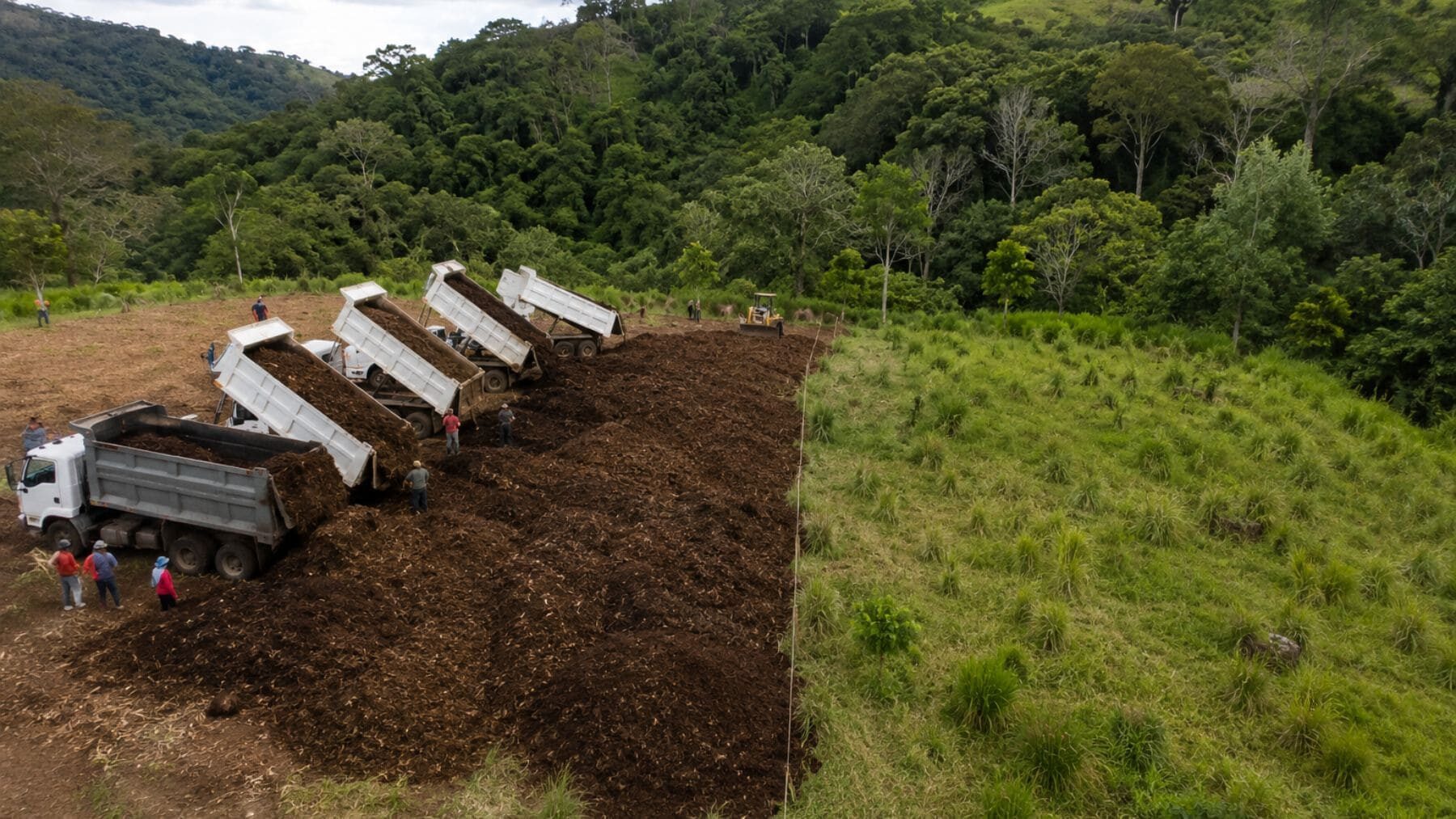
According to minister of the environment Martha Delgado, reforestation and prevention of forest fires contributed to a GHG reduction of 607,846 metric tons.
Other factors that contributed to the overall emission reductions were improvements on energy conversation (183,425 MT) and the separation of organic and non-organic solid waste which reduced 127,175 MT of carbon and methane emissions.
In December, Mexico City is scheduled to close Bordo Poniente, one of the world’s largest solid waste facilities, by itself responsible for 16 percent of the metropolitan area’s GHG emissions.