Sustainable mobility continues to bet on EVs, which are seen as the best zero-emission option we have today. But what about the best and most promising fuel that you already know about? Just these days we have just learned about the new next-generation hydrogen engine, with unprecedented power and a curiosity that will surprise you. Is this the end of electric cars as we know?
New hydrogen engine to put an and to EVs: a totally unknown generation
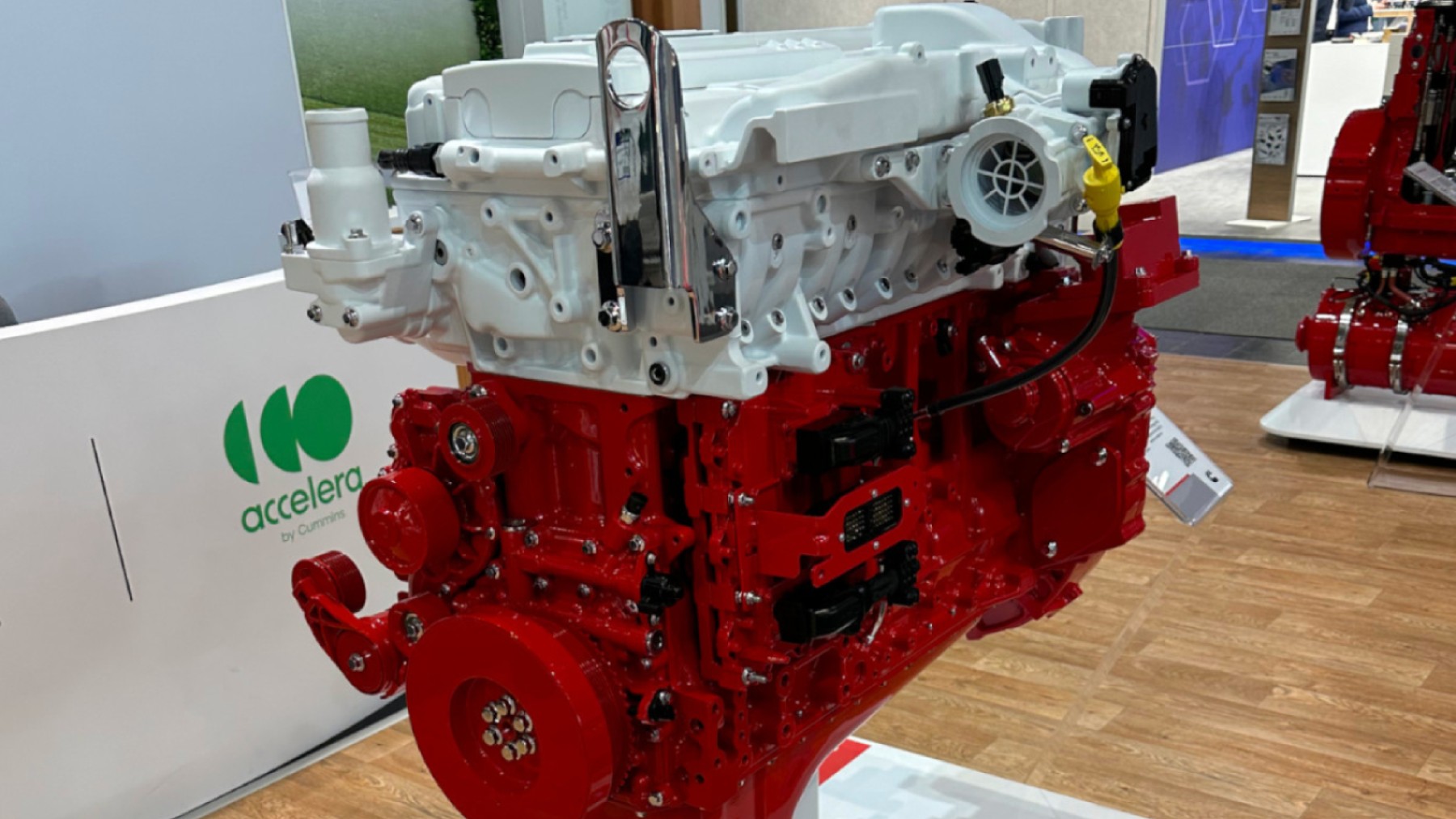
Cummins, a top diesel, and natural gas engines brand, has teased an upcoming hydrogen engine which is expected to be used to power big trucks and other heavy big trucks in the future. The B67H is propelled by a hydrogen fuel cells engine and no waste gas is produced.
B67H hydrogen engine offers quite a few benefits such as, higher fuel efficiency, lower carbon emissions, and longer operational ranges. A hydrogen fuel cell engine operates via electrochemical reaction, where hydrogen generates electricity that feeds to the vehicle’s power system to upsurge the vehicle’s range of motion.
Unlike battery powered EVs which require significant numbers of battery units in packs, hydrogen fuel cell trucks can successively drive over 500 miles on the same level of capability for carrying as conventional diesel vehicles, as we have seen.
The B67H motor is good for outputting a 290 horsepower and 900 lb-ft of torque amount which is an enormous number. Now it only takes 15 mins to be refuelled and that’s its what you call uninterrupted operation. Hydrogen engines ensure trucking applications with the distance, power and refueling speed necessary for this sector.
The keys of the new hydrogen engine: 290 hp to revolutionize the roads
The novel Hydrogen engine B67H from Cummins has advanced some noticeable benefits as compare to the existing EV battery power supply. The B67H, however, delivers an impressive amount of horsepower and has the capability of quick refueling that can lead to longer travel distances between filling-ups.
The B67H outputs 290 hp which is more than one could ever imagine in a personal EVs. As an example, the 2022 model year of the Tesla Model 3 is able to produce as much as 358 hp, more expensive options are available, but with the Nissan Leaf that figure is only 147.
The highly performance of the B67H with the more horsepower makes its performance to be great, especially when its towing heavy loads. These turning engines prove hydrogen-powered ones to be perfect for the commercial vehicles industry and the scenic spots of Indian cities.
Regarding that, the Hydrogen B67H requires only 5-15 minutes to be refueled what is diesel or gas refueling needs. It is a perfect equivalent, as EV battery can have 30 minutes to multiple hours charge volume, based on charging plug type.
The hydrogen engine that will change everything: 449 lb-ft of torque
The hydrogen B67H engine by Cummins is based on a diesel B67 platform series, which is a 6.7-liter class, in turn. Thus, unlike diesel combustion it was optimized to work with hydrogen burn. Fueling the thrill of driving and performance enthusiasts is the B67H that generates a massive 290 horsepower and an 449 lb-ft of torque.
The torque output resembles large diesel engines, which also demonstrates that hydrogen can have outperformed the power drivers are so used to, and be on the same level or even better. The 2 horse power capacity sits in the middle between impulsion and efficiency.
In this case, the B67H benchmarks the same engine model via an improving existing Cummins engine design to generate an era of hydrogen engines that remains within the hydrogen realm without investing in a complete engine redesign. This will enable a faster build and bestow hydrogen engines on consumers.
As you can see, this new next-generation hydrogen engine aims to be the definitive leap towards mobility beyond electricity. The key will be its incorporation into large fleets of buses, heavy transport and even trains, as advocated by the manufacturers themselves. However, it will also be used in cars for private use, which is what we are interested in.