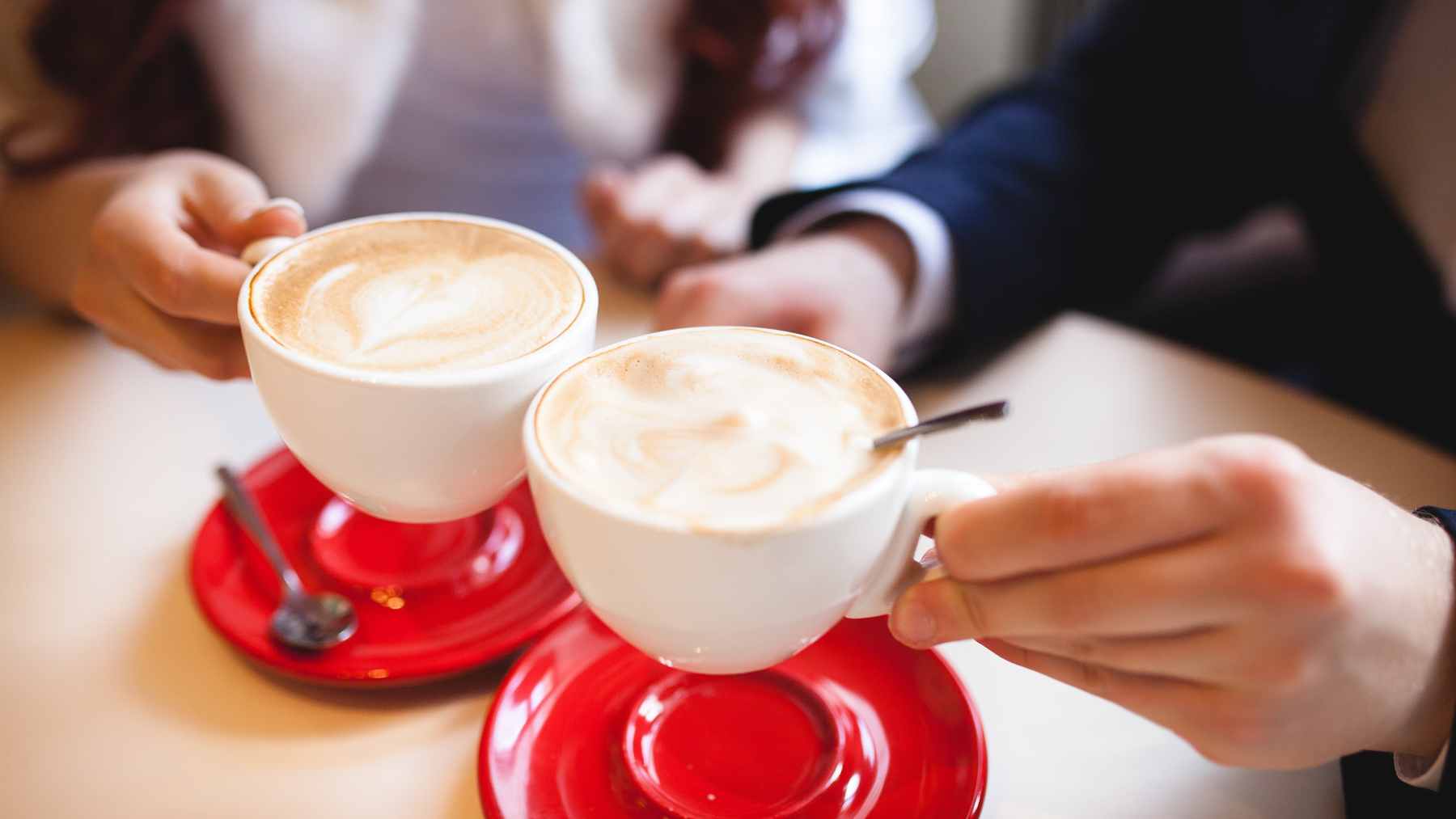
The person who always orders black coffee may not be trying to look intense, refined, or impossible to impress. Psychology suggests a more interesting possibility, although not a diagnosis. For some people, that plain cup points to a broader comfort with things as they are.
No sugar. No cream. No flavored syrup. Just coffee, with all the bitterness left in. In a world of filtered photos, polished small talk, and carefully edited online lives, that tiny morning habit may feel like a quiet preference for reality without decoration.
Not a personality test
Let’s be clear from the start. Drinking black coffee does not prove anything about a person’s character. Plenty of people drink it that way because of culture, habit, lactose intolerance, calories, or simply because the office coffee station ran out of creamer.
Still, researchers have explored whether taste preferences can overlap with personality patterns. A 2025 systematic review in Appetite looked at 30 years of research and narrowed 2,182 records to 24 studies on taste and personality.
It found some links between bitter and sour preferences and certain antisocial traits, but the authors also warned that existing evidence is limited by small samples and inconsistent tools.
That matters. It means black coffee should not be turned into a pop-psychology label. At most, it is a clue worth reading carefully, not a verdict.
The appeal of bitter things
Black coffee is not trying to charm you. It can be sharp, earthy, smoky, or flat-out bitter, depending on the roast and how it is brewed. For many people, that is exactly the point.
The person who likes it plain may be choosing the drink closest to its original form. No foam to soften it. No vanilla to cover the edge. That means accepting the experience instead of redesigning it.
Is that always deep? Of course not. Sometimes coffee is just coffee, but when that same preference shows up in clothing, friendships, work habits, and conversations, the pattern becomes harder to ignore.
What authenticity means
Psychologists often use the word “authenticity” to describe living in a way that lines up with one’s real values, rather than performing a version of the self for approval. A major 2008 paper in the Journal of Counseling Psychology developed an authenticity scale built around authentic living, self-alienation, and accepting outside influence.
Its subscales were strongly related to self-esteem and both subjective and psychological well-being.
That idea fits the black coffee metaphor surprisingly well. Some people are not looking for the sweetest version of reality. They would rather know what is actually in the cup.
You may recognize the type. They are the friend who gives the honest answer when everyone else is smoothing things over. They may not be harsh, but they are rarely interested in pretending.
Life without the filter
Today, the filtered version of life is everywhere. The edited selfie. The vacation photo cropped to hide the crowd. The cheerful update that leaves out the stress, bills, traffic jams, and the boring Tuesday night dishes in the sink.
This is not just a cultural complaint. A 2025 review in the Journal of Eating Disorders noted that visual platforms often spread idealized and edited images, reinforcing unrealistic beauty standards and contributing to body dissatisfaction, anxiety, and eating-disorder concerns.
The same review found that body-positive content can improve body satisfaction and emotional well-being in the short term, especially when it highlights diverse bodies and self-acceptance.
That is where the black coffee drinker becomes more than a café stereotype. To a large extent, this person may be more comfortable with the unedited version. Not because it is always pleasant, but because it feels real.
The strength and the risk
There is a kind of steadiness in choosing the plain thing. People who value authenticity may be harder to fool with hype, harder to flatter with empty promises, and less shaken when life looks ordinary instead of cinematic.
That can make them grounding to be around. You do not have to perform happiness in front of them. You can be tired, awkward, disappointed, or unsure, and they are often able to sit with that without rushing to add sugar.
Yet, there is a risk, too. Taken too far, the love of the “unfiltered” can become strict or joyless. Sometimes the syrup is just fun. Sometimes the latte is not a lie, but a small pleasure on a hard morning.
What your coffee may reveal
The better takeaway is not that black coffee drinkers are tougher, darker, or more authentic than everyone else. The better takeaway is that everyday preferences can reveal what we are willing to tolerate.
Some people want comfort first. Some want ritual. Some want beauty, sweetness, or a little foam before work. Others prefer the direct hit of reality, even when it bites.
So the next time someone orders coffee black, it may not be a performance at all. It may be the smallest visible sign of a person who prefers fewer masks, fewer filters, and fewer excuses. Bitter, maybe. Solid, definitely.
The full review was published in Appetite.