Scientists have discovered a historic Atlantic Ocean phenomenon that has elicited dire predictions about global effects for the future. Scientists have discovered a building hydrodynamic force with the potential to cause destructive modifications in ocean conditions and atmospheric patterns, and water elevation across ocean basins.
The discovery: Undersea scientists have observed a major ocean current approaching its tipping point
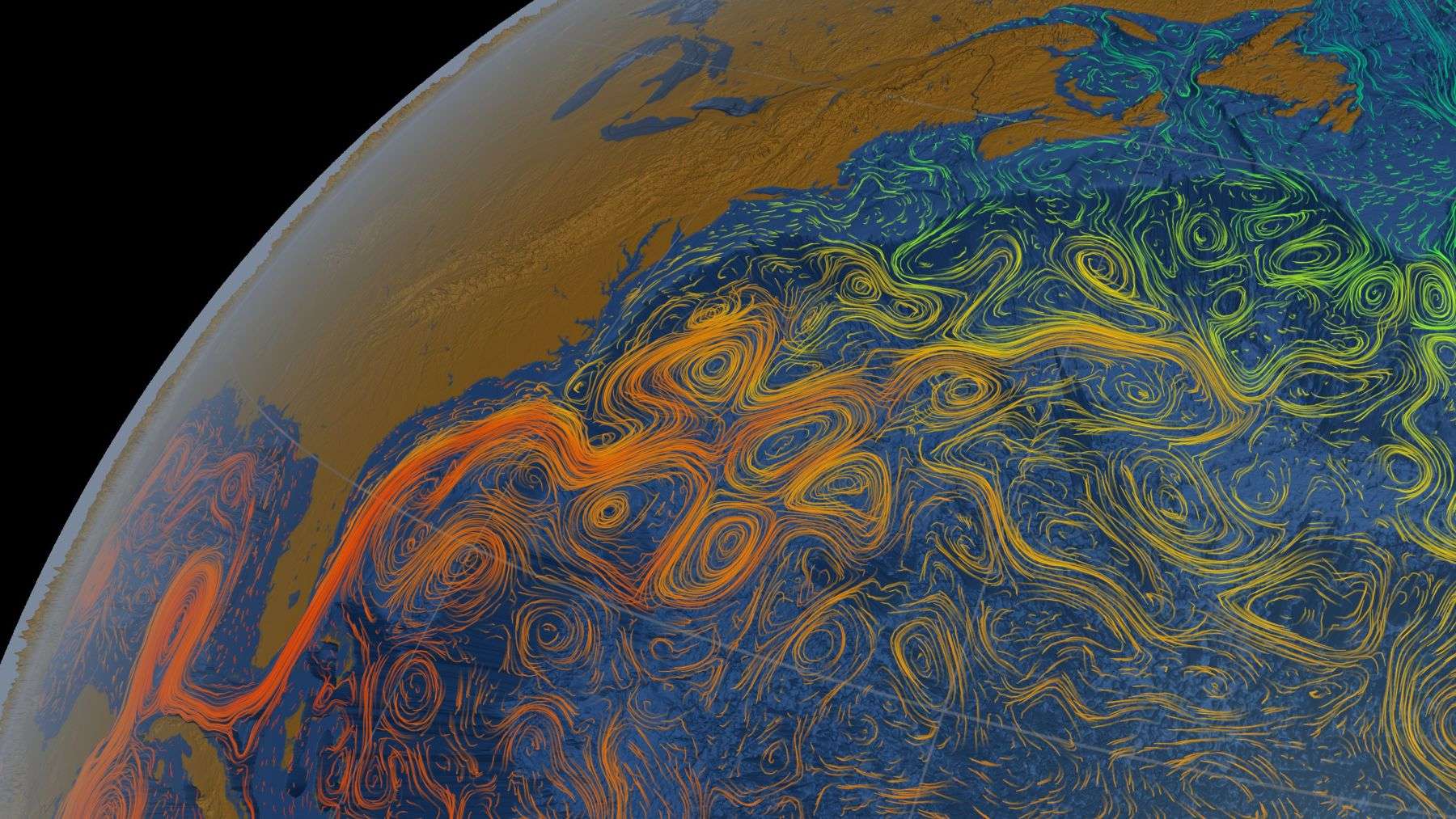
Scientists discovered that a vital Atlantic Ocean water current is operating close to its overflow threshold. This current converges with the Atlantic Meridional Overturning Circulation (AMOC) and contributes to the maintenance of global climate patterns and oceanic conditions. The forecasted elevation of ocean levels has the potential to trigger dramatic alterations across the entire incorporated region.
Understanding the AMOC
The AMOC current functions as a warm water transport mechanism from the tropical region to the North Atlantic. Weather conditions play a part in controlling temperatures and climatic conditions on a global level. The anticipated announcement of the discovery of an impending AMOC current overflow has raised concerns among climatologists, given the anticipated disruption to a delicate balance.
The possible overtopping of AMOC would deliver severe planetary effects. The vital ocean current would undergo shifts that would influence worldwide weather patterns, sea levels, and marine ecosystems. Research teams are now focusing their attention on how coastal areas may be affected by these changes, and it’s the extreme weather patterns that worry them the most.
Impact on climate and weather
The AMOC is a crucial regulatory mechanism that controls Earth’s climate behavior. When the current exceeds its capacity, more severe storms will occur, along with modified precipitation patterns and temperature zones. These alterations would significantly harm agricultural production, water resource management, and human settlements.
Rising sea levels
A serious environmental worry exists regarding the potential adjustments in ocean water levels. As AMOC overflows accelerate the process of polar ice cap melting, which increases sea levels, the potential increase of threats to coastal communities will heighten the probability of flood events. Such profound economic and social effects seem likely to happen.
Marine ecosystems at risk
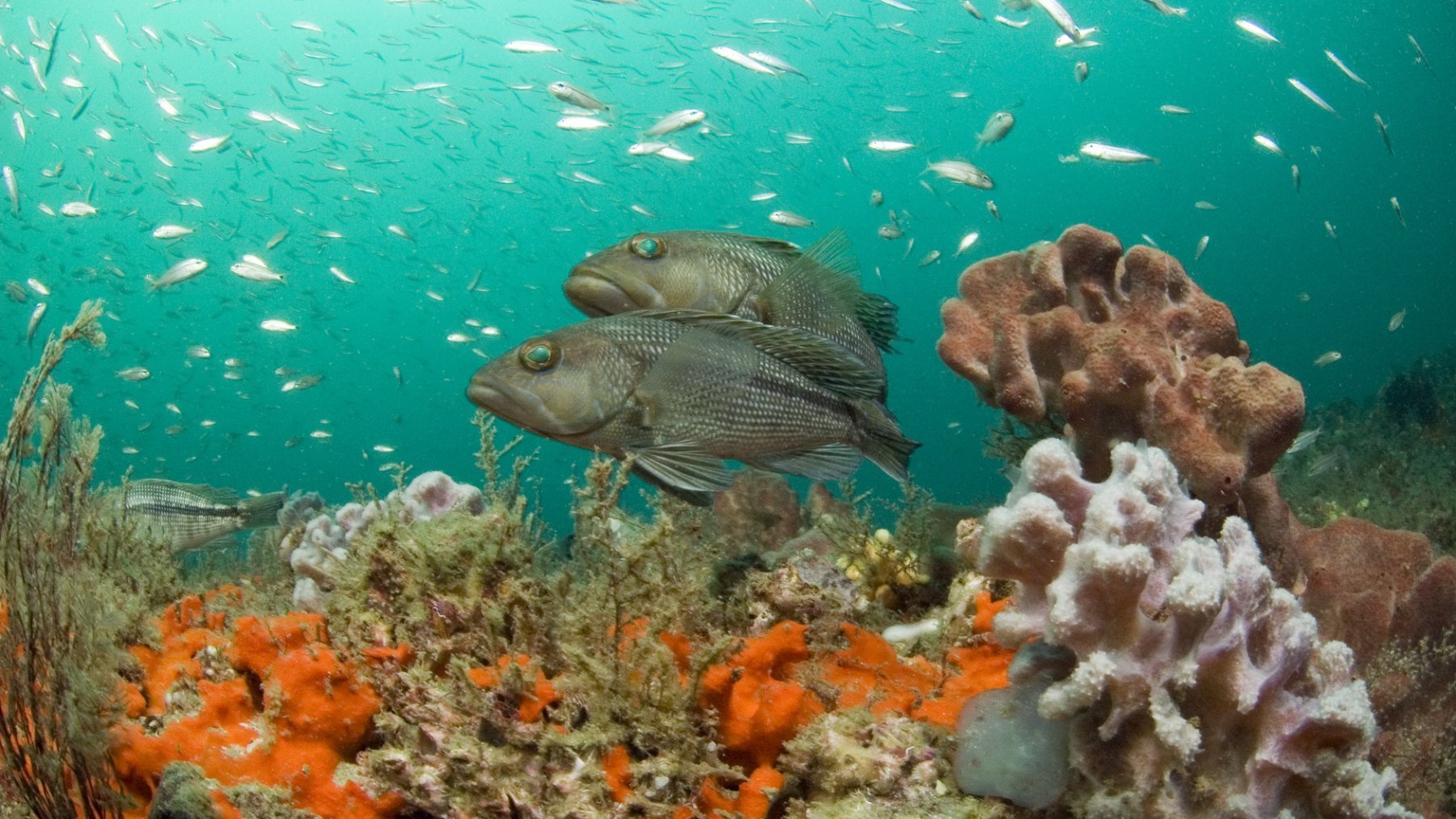
An AMOC overflow threatens oceanic ecosystems. Ocean current adjustments affect the distribution of ocean nutrients and harm the habitats of marine species. Changing marine biodiversity, combined with degraded fisheries, poses both food safety problems and financial sustainability challenges for communities that depend on fisheries for sustenance.
Impact on fisheries
Ocean currents have a strong negative impact on fisheries operations. The suspected overflow of AMOC will produce adverse effects on fish stocks, generating financial losses for local fishing industries operating in those areas. Water temperature fluctuations and salinity changes create conditions that harm marine species and make survival difficult for the fishing industry.
Urgent need for action
Scientists concluded that timely measures should be taken for climate change mitigation and preservation of oceans due to the possibility of AMOC collapse. The authors of a science article state that monitoring programs and the call for more research on the AMOC system should be extended to develop approaches to counter the expected negative results.
The global community must act as one to prevent any change in the Atlantic Meridional Overturning Circulation and ensure that no flow excess occurs. They should start taking action to change the situation, reduce greenhouse gas emissions, and preserve the marine environment.
This is evident from the research study that created an overflow across the Atlantic Ocean AMOC, and each planetary system is interconnected. Adding more research to the advancements currently being made and policies that are being enacted will assist in making some basic steps of monitoring stronger, with measures that will help in beginning to reverse climate change and protect the future.