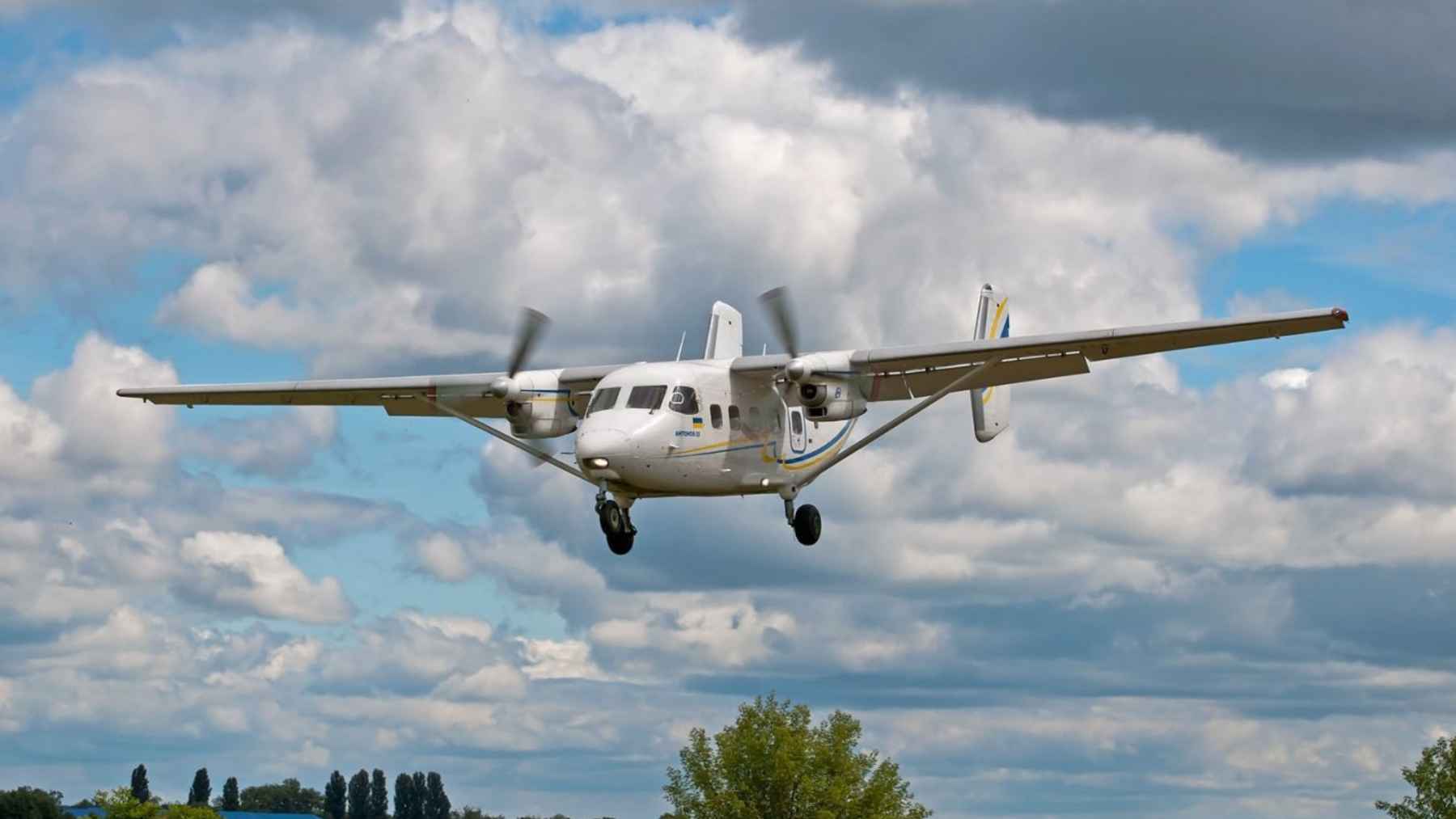
Ukraine has quietly turned a once-modest regional airplane into an airborne drone hunter that stalks Russian targets at night. New footage from a French TV crew shows an Antonov An-28 with an M134 minigun firing out of its side door while the crew searches for slow-flying drones in wartime skies.
What used to carry passengers on short routes now flies close to the front, taking off from rough, short airstrips and chasing Russian- and Iranian-made Shahed drones that threaten cities and power plants.
Reports from Ukrainian and international defense outlets suggest this adapted aircraft has already taken part in dozens of interceptions, in some accounts being credited with scores of drone kills over time.
From regional workhorse to airborne drone fighting platform
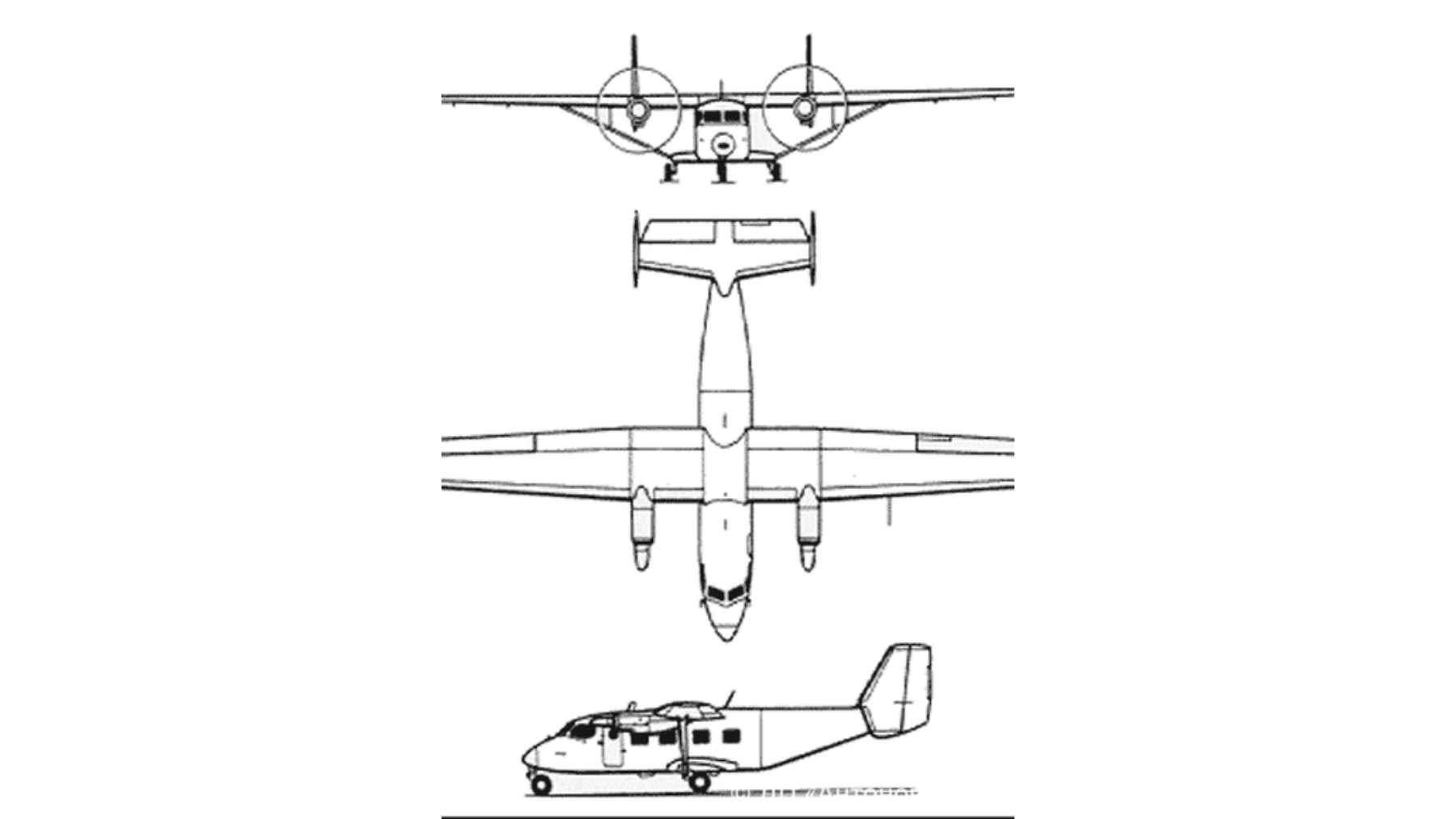
Ukraine inherited the Antonov An-28 from the Soviet era, when it was designed by Antonov Design Bureau as a short-range twin turboprop for remote routes. Built to operate from small, rough airfields, the aircraft can fly slowly and land on short, even unpaved, runways. That makes it a natural fit for front line strips where crews need to get airborne in minutes.
Unlike large radar visible transports, the An-28 is compact and relatively discreet in the cluttered air picture near the front.
Ukrainian commentators highlight that its wing design and handling at low speed let pilots make controlled approaches on drifting drones rather than racing past them. In a sky filled with small targets and electronic noise, being able to loiter and maneuver gently is a practical advantage.
Ukrainian crews are using at least one civilian An-28 converted for this role, according to French television channel TF1 and defense reporters who joined a night sortie.
The aircraft carries victory markings on its fuselage that match earlier photos of an An-28 credited with dozens of drone kills, linking the new video to a wider campaign of aerial interceptions.
How the side door minigun setup works in the air
The key to the conversion is the M134 minigun mounted in the side door, a six-barrel weapon known from helicopters and ground vehicles for its extremely high rate of fire. In simple terms, it sprays a dense stream of bullets into a narrow slice of sky, which helps when you are trying to hit a small drone in the dark.
For a teenager who has only seen this kind of gun in movies or games, this is that same idea moved into a real aircraft.
Footage shows gunners strapped inside the cabin, working from the doorway while the pilot and navigator keep the aircraft on a stable path toward the target.
They rely on cueing from ground-based radar and spotters, then use onboard sensors and night vision to find the buzzing drones that many Ukrainians now know all too well from sleepless nights and air raid sirens. Once a drone is in sight, the minigun gives them a few brief bursts to shred wings and engine.
This layout breaks with the classic image of fixed-wing gunships that carry heavy cannons mounted in rigid positions. Instead, the An-28 behaves more like a flying pickup truck with a side-mounted weapon that can swing across a wide arc. For slow moving Shahed type drones, which cruise at modest speeds and predictable altitudes, that flexible approach is often enough.
Why Ukraine is betting on a low-cost drone hunter
Modern air defense missiles can cost hundreds of thousands or even millions of dollars, far more than the drones they destroy. Ukrainian planners have been searching for cheaper ways to protect cities and power grids, from AI-guided gun turrets to mobile teams with machine guns.
The An-28 solution adds a reusable airborne layer that can patrol large areas without firing an expensive missile every time.
Before this conversion, Ukraine had already experimented with helicopters and even small training aircraft chasing drones in the night sky. Reports describe Mi 8 helicopters and Yak 52 trainers used with door gunners, especially when drone swarms threatened to overwhelm ground systems.
The twin engine An-28 offers more endurance, more space for crew and ammunition, and the safety margin of a second engine over contested territory.
All of this points to a broader shift in anti-drone doctrine. Instead of relying only on high-end systems, Ukraine is layering cheap, adaptable platforms that can take off from village strips, respond quickly, and plug gaps between radar detection and the moment a drone reaches a city or power plant.
In practical terms, that means fewer drones slipping through at the edges of traditional defenses.
Risks, limits, and what this experiment might mean next
Turning a regional aircraft into a gunship does not remove the dangers of flying low in a war zone. The An-28 is not heavily armored, and every mission exposes the crew to ground fire, bad weather, and the risk of mid-air collision in a crowded sky.
That is why observers note that these sorties demand careful planning, strict discipline, and crews who accept significant personal risk.
There is also a natural ceiling to how many aircraft can be converted and kept flying with limited parts and funding.
For the most part, this looks like a smart tactical patch rather than a full blueprint for future air defense, although other countries watching drone wars may yet borrow the idea when budgets are tight and threats are close. The main footage and reporting have been published by the French television channel TF1 and the defense outlet The War Zone.
The main reporting and official details about this adaptation were published on United24 Media.