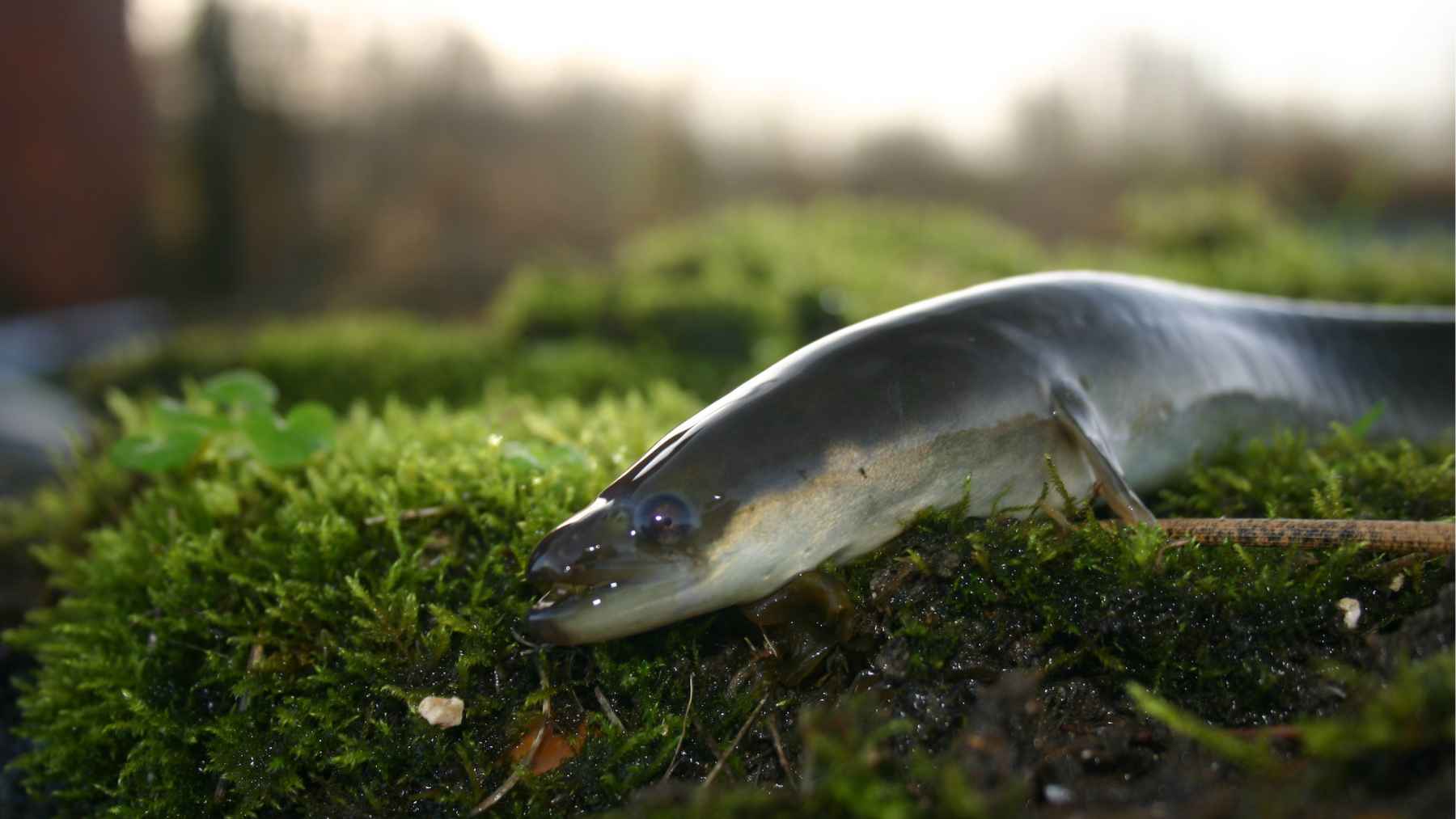
The European eel is running out of time. Scientists describe its situation as critical, yet along Spain’s northern coast, professional fishers in Galicia and Asturias insist they are being blamed for a collapse they did not cause.
At the center of the clash is a proposal from Spain’s Ministry for the Ecological Transition to list the European eel as “in danger of extinction,” a move that would effectively shut down legal eel and glass eel fishing in rivers and estuaries.
That proposal went to the State Committee for Flora and Fauna on February 17. Several regional governments opposed the strict protection status, so the measure did not advance, at least for now. The debate is far from over, because the science paints a stark picture.
Why the European eel rings alarm bells for scientists
The European eel (Anguilla anguilla) has a life story that sounds almost mythical. Tiny transparent “glass eels” arrive in European estuaries after drifting thousands of kilometers from the Sargasso Sea. They grow into darker “yellow eels” in rivers and wetlands, then turn into “silver eels” and head back out to the Atlantic to spawn.
That journey is now badly broken. The species is listed as Critically Endangered on the IUCN Red List, reflecting long-term declines in both recruitment of young eels and the number of adults returning to the sea.
According to recent assessments, glass eel recruitment in the North Sea region is hovering at just over one percent of its 1960 to 1979 average, and around seven percent elsewhere in Europe, including Spain and the Mediterranean.
Researchers and European agencies highlight a familiar list of pressures. Fishing of all life stages, dams and weirs that block migration, hydropower turbines that kill eels on their way downstream, pollution, parasites and changing ocean conditions all contribute to the decline. In other words, this is not a single problem with a single culprit.
Galician and Asturian fishers push back
On the ground, or rather on the water, many professional fishers argue that they are already doing their part. In estuaries such as the Vigo estuary, San Juan de la Arena or the lower Nalón, eel and glass eel fisheries operate under tight controls, with seasons limited to roughly six months, regulated nets and ongoing scientific monitoring.
Fishers provide detailed catch data and accept regular inspections as part of their license.
They insist that this tightly managed activity does not explain a collapse that began decades ago across the entire range of the species. Their finger points instead to concrete barriers on rivers, poorly designed hydropower plants and the long-term deterioration of river channels where eels should be able to feed and grow.
From their perspective, a blanket fishing ban that leaves dams and turbines untouched feels like treating the symptom while ignoring the disease.
There is also a social side to this story. In several coastal towns, glass eel fishing supports direct jobs, helps small ports keep their fleets alive and anchors traditions passed down through families. Margins are already thin.
If legal fishing disappears overnight, fishers warn that everyday realities like paying the mortgage or keeping young people from leaving the village will hit long before any ecological benefit appears.
Science calls for zero catches while policy stalls
At the European level, scientific advice has hardened. The International Council for the Exploration of the Sea (ICES) repeats that, applying a precautionary approach, there should be zero catches of European eel in all habitats and at all life stages, including glass eels for aquaculture or restocking. So far, most countries have not fully followed that line.
Spain’s Ministry for the Ecological Transition, MITECO, tried to move closer to that scientific consensus by proposing to declare the eel “in danger of extinction” within the national list of specially protected wild species.
The ministry framed this as a way to honor international conservation commitments and to respond to evidence that the stock is outside safe biological limits.
To bolster the message, the ministry has found an ally in high-end cuisine. The chef organization Euro-Toques España launched the campaign “Angulas, no, gracias,” urging restaurants to remove glass eel from their menus as a symbolic gesture in the face of the eel’s critical status.
Yet when the time came to vote, several regions with an active eel fishery opposed the strict listing, citing gaps in local data and the economic importance of the fishery.
Dams, illegal trade and the missing river plan
Behind the political noise, a deeper problem keeps resurfacing. Scientific reports and European agencies stress that restoring eel populations will require more than adjusting fishing quotas. They call for reconnecting rivers by removing or modifying barriers, improving water quality and reducing every type of human caused mortality, from turbines to pollution.
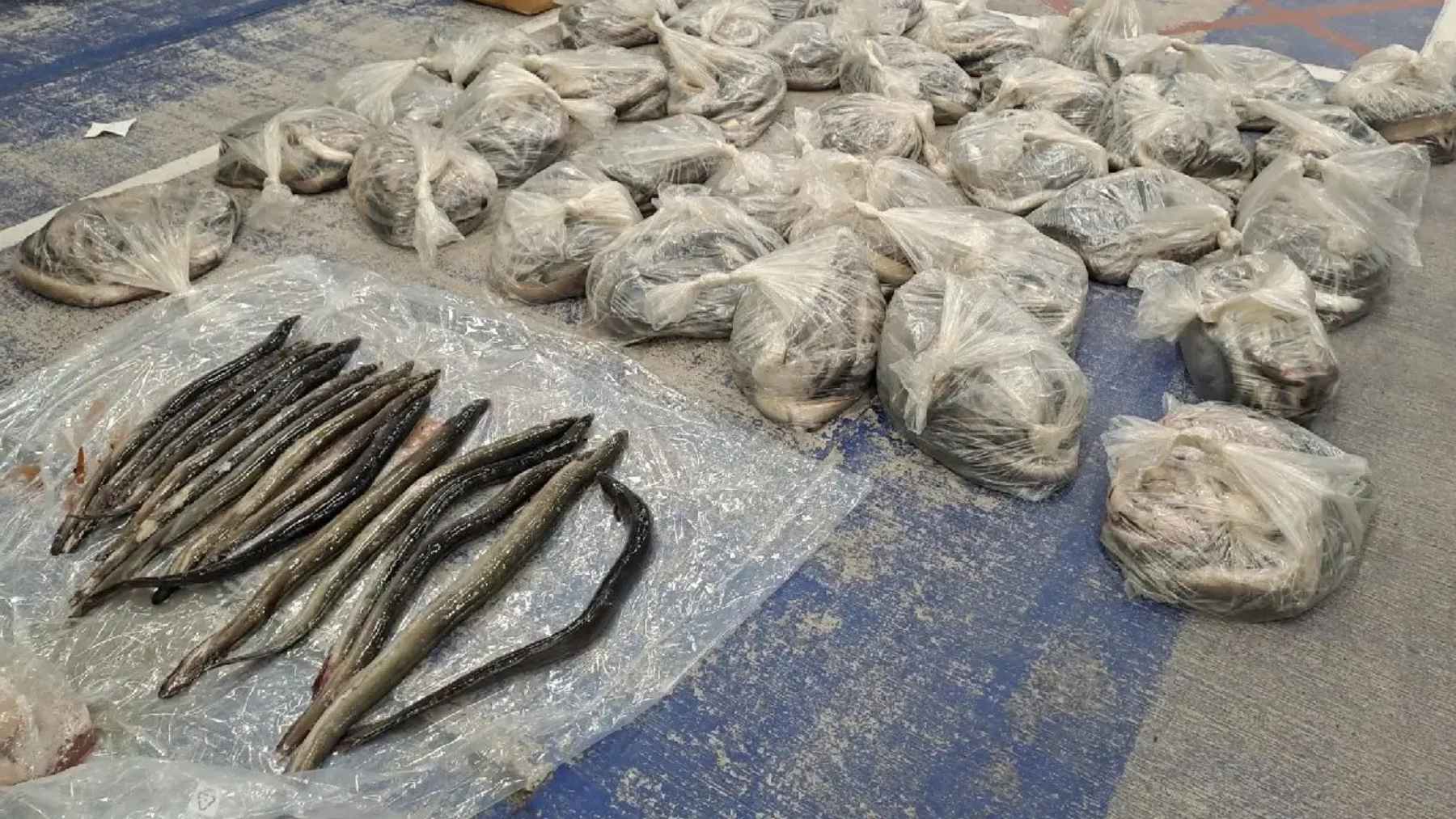
There is another uncomfortable factor. As the eel becomes rarer, its market value rises. Investigations cited by Spanish media and Europol estimate that illegal trade in glass eels is worth on the order of billions of euros per year, with live juveniles smuggled to Asian aquaculture farms and returning later to European plates as processed products.
That black market thrives out of sight of the legal fishers now facing a possible ban.
What should happen next
For the most part, scientists, conservation groups and small-scale fishers agree on at least one point.
Without healthier rivers, any recovery plan will be running with the handbrake on. In practical terms, that means investing in fish passages, rethinking some hydropower operations, cleaning up polluted stretches and tackling illegal trafficking with the same seriousness reserved for other organized crime.
At the same time, a rapid shift to zero legal catches would hit certain coastal communities hard. A just transition would need compensation, alternative jobs and perhaps a role for experienced fishers in river monitoring and restoration so their local knowledge is not simply discarded.
For people who enjoy eel on festive menus, the conversation is starting to reach the dining room. Choosing not to order glass eel, asking restaurants where their seafood comes from and supporting chefs who join campaigns like “Angulas, no, gracias” are small but real ways to align personal habits with science.
The press release was published on MITECO.