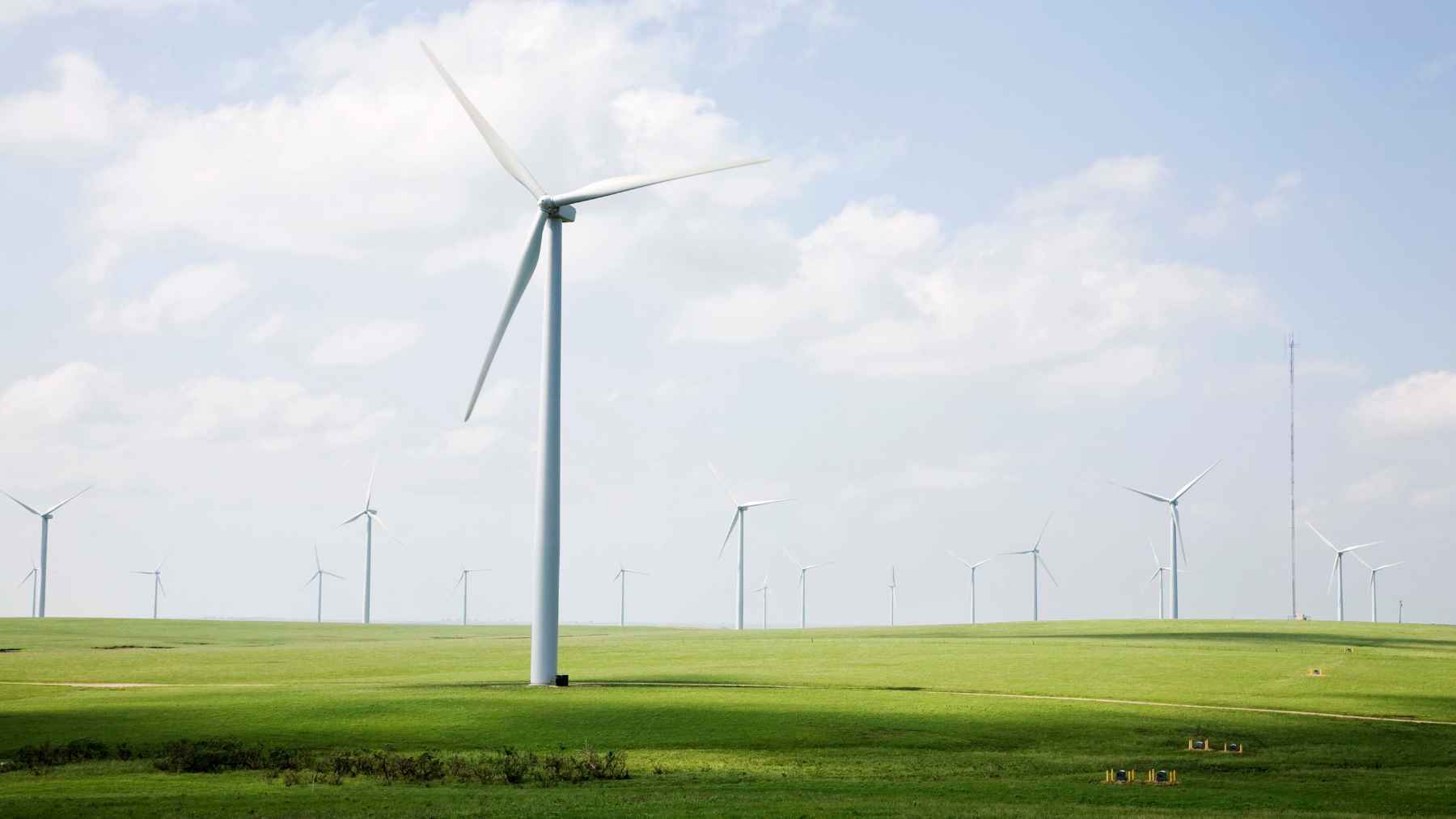
What happens to all that clean wind energy when turbines are spinning and people are at work or asleep with the lights off? Until now in Ireland, a surprising share of it was simply turned down and left unused.
That is starting to change in the Irish midlands. Renewable energy company Statkraft has officially opened the country’s first four-hour grid-scale battery energy storage system beside Cushaling Wind Farm in County Offaly. The long-duration battery can store enough clean electricity to supply around ten thousand homes for four hours when the wind drops, and it sits right next to a 55.8-megawatt wind farm in the so-called Faithful County.
Rescuing wind that would have gone to waste
At the opening, Statkraft Ireland managing director Kevin O Donovan put some numbers on a problem that rarely makes it onto the electric bill. He explained that between 10% and 14% of available wind energy in Ireland is effectively wasted each year because turbines are often turned off during low demand hours, even when the wind is blowing hard.
In simple terms, the grid could not always absorb the power. This practice, known as curtailment, has also been highlighted by Wind Energy Ireland and EirGrid, which reported that about 14% of potential wind output was lost over the first nine or ten months of 2024 due to transmission limits and system constraints.
O’Donovan said that by charging the new battery when demand is low and wind is plentiful, then discharging it when homes and businesses really need it, more of that clean power can be used instead of thrown away. Over time, that should help lower costs for consumers by squeezing more value out of every gust that hits the Irish coast and hills.
What a four-hour battery really does
Most of the grid scale batteries installed in Ireland so far could only discharge at full power for between thirty minutes and two hours. That is useful for smoothing brief bumps on the system but it does not fully cover the long evening peak when people get home, turn on the heat, cook dinner, and plug in their phones and laptops.
The Cushaling battery is designed to deliver its rated power for a full four hours. In practical terms, that means it can keep feeding the grid through most of that dinner time surge when solar has faded and wind might be easing off. Instead of starting up more fossil fuel plants, grid operator EirGrid can lean on stored wind power.
Speed matters too. Statkraft reports that the battery can respond in around 0.1 seconds, which is faster than the blink of an eye. That near instant reaction helps stabilize frequency on the grid when a large generator trips or a weather front suddenly changes wind output.
A growing clean energy hub in the Midlands
Cushaling is steadily turning into a small clean energy campus rather than a stand alone wind farm. The battery sits across the road from the turbines and next to the long running Edenderry Power Station near the town of Edenderry.
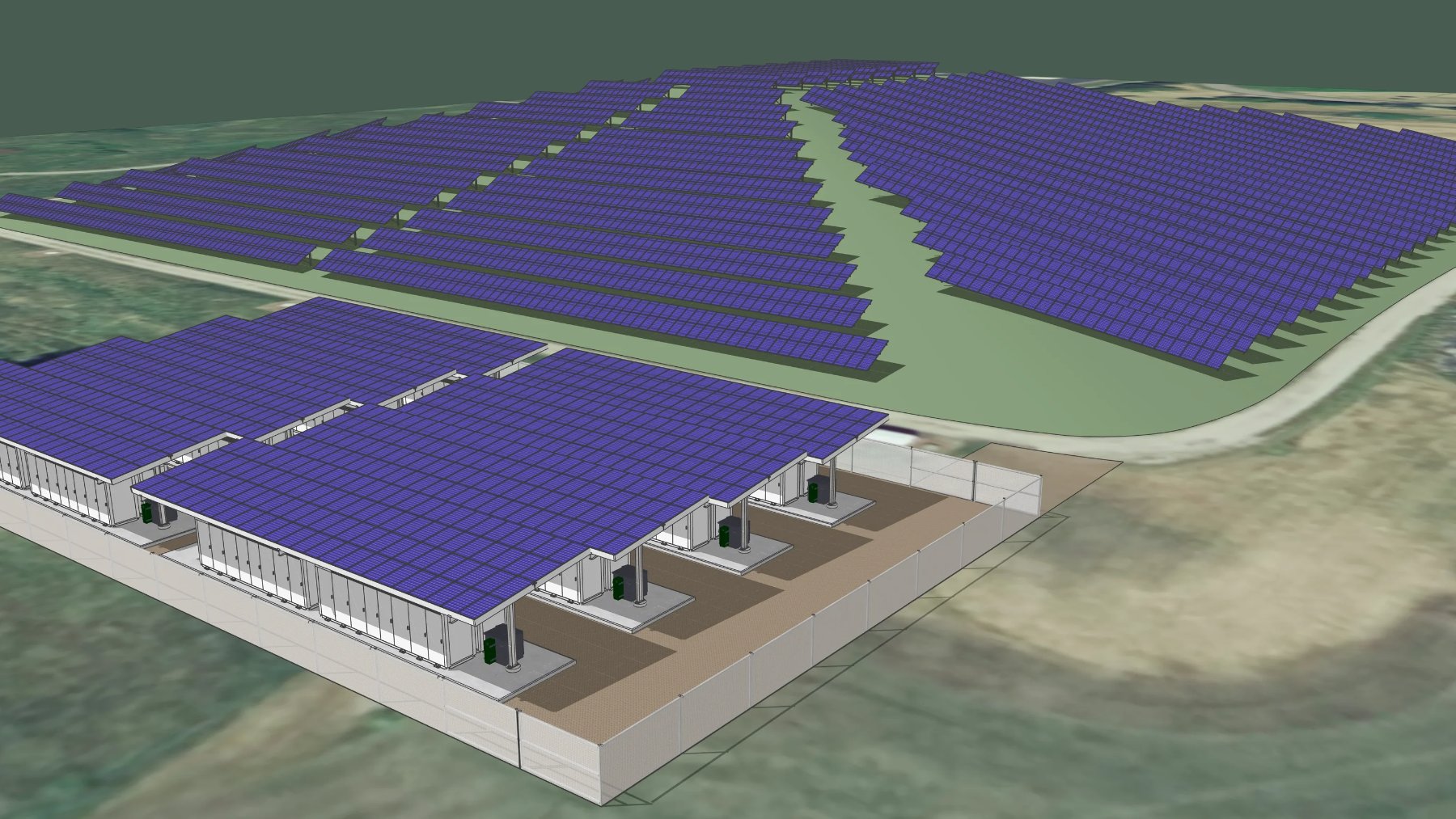
Statkraft has also signaled plans for a solar project on the same site, so in the coming years the battery could be soaking up both sun and wind before sending that energy back to the grid when it is most valuable.
To a large extent, co locating generation and storage cuts down on the need for new wires and makes better use of existing grid connections. It also turns the Cushaling site into a test bed for how future hybrid energy parks might work across the country.
Local communities are part of the story as well. Statkraft has committed an annual twenty five thousand euro sustainability fund linked to the Cushaling battery, earmarked for local projects that support climate, biodiversity, or community resilience in the area.
A small project with bigger implications
On its own, a roughly 20-megawatt battery will not solve every challenge on the Irish grid. By the company’s own description, however, long duration storage like this is essential if Ireland wants to run a fully renewable electricity system and cut its reliance on imported fossil fuels.
Cushaling is also Statkraft’s third operational battery project in the country, after earlier systems at Kilathmoy and Kelwin 2. That shows how quickly storage technology is moving from pilot projects to everyday grid tools, not only in Ireland but across northern Europe as more four hour batteries are announced in markets like Germany, the United Kingdom, and Denmark.
For households, the benefits will not show up overnight as a dramatic drop in the monthly bill. Experts warn that it takes a portfolio of measures: better networks, demand response, more renewables, and more storage to bring prices down for good. But each project that keeps clean energy online instead of curtailing it is a step toward a system that wastes less and pollutes less.
In everyday terms, that means a better chance that the power running your oven on a dark winter evening —or your fan during that sticky summer heat we all know— is coming from Irish wind and sun rather than imported gas.
The press release was published on Statkraft Ireland’s website.