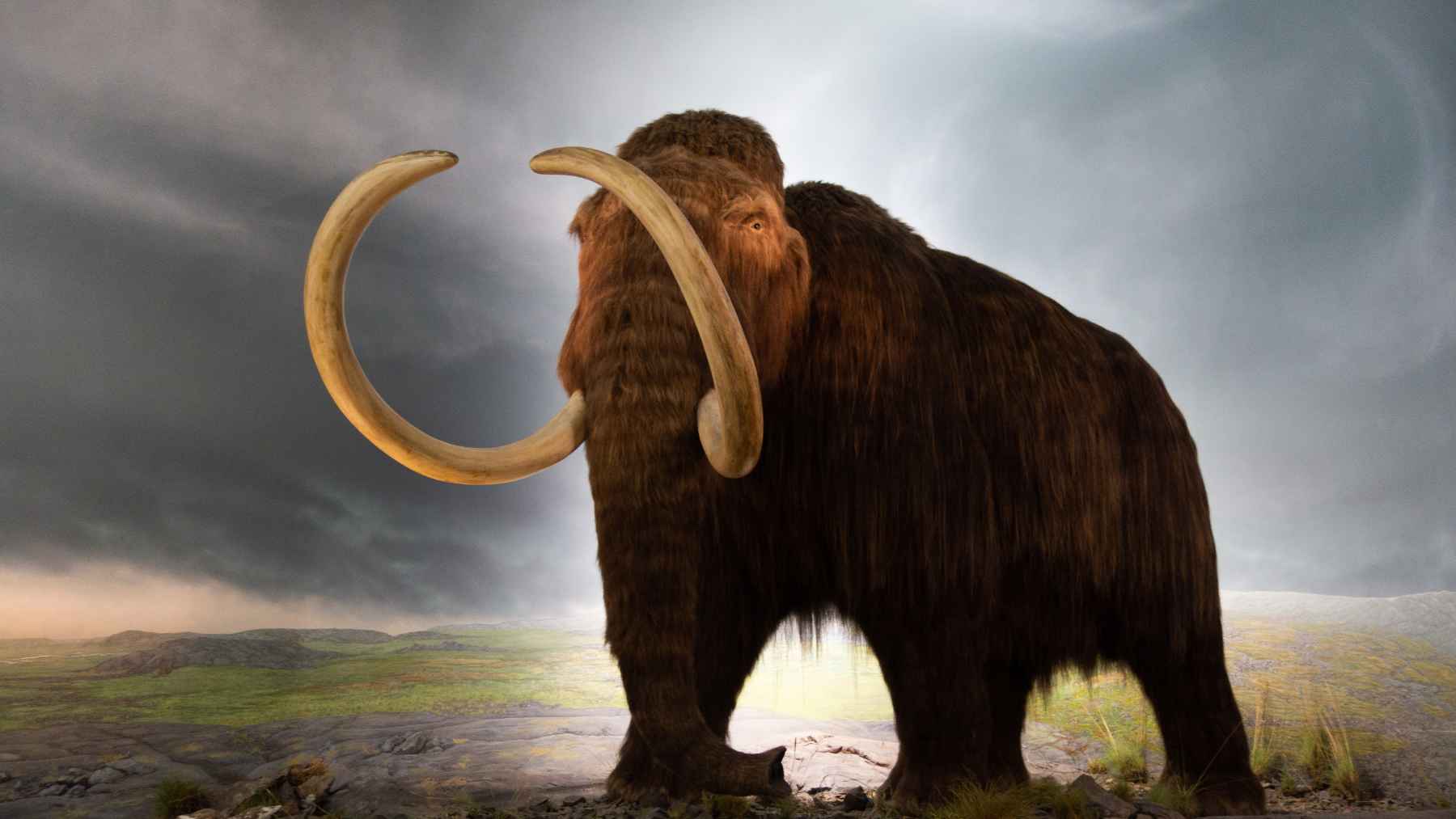
For more than 70 years, two heavy fossil vertebrae in a museum drawer in interior Alaska were proudly labeled as woolly mammoth. New tests now show they belong to whales instead, forcing scientists to rethink a small but eye-catching piece of the mammoth extinction story.
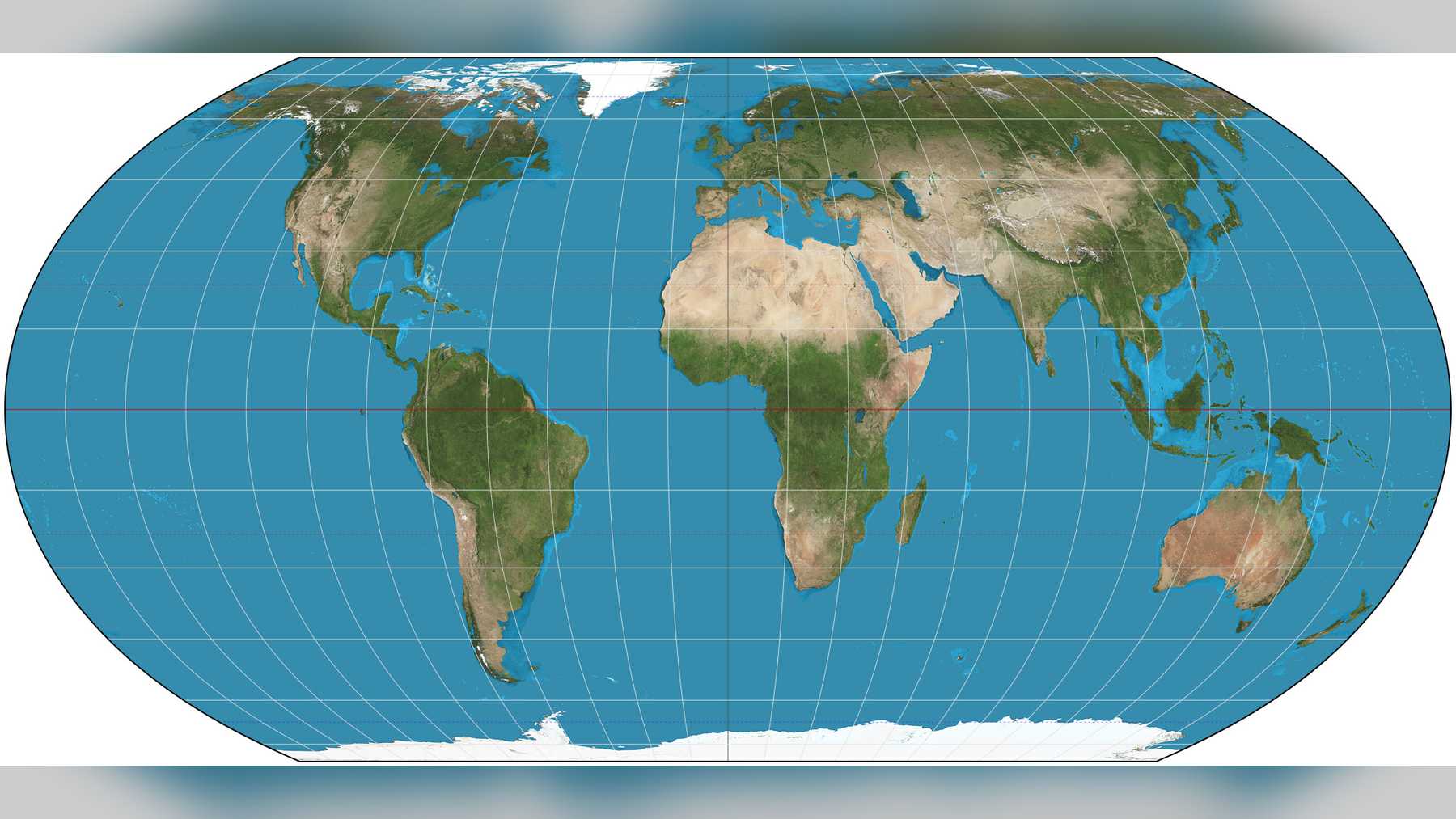
The bones were collected in the 1950s near Dome Creek, north of Fairbanks, roughly 400 kilometers, or about 250 miles, from the nearest coastline.
Learning that these fossils came from ocean animals has raised a basic question that would puzzle any road trip planner looking at a map of Alaska today; how did whale bones end up so far inland?
From field discovery to museum drawer
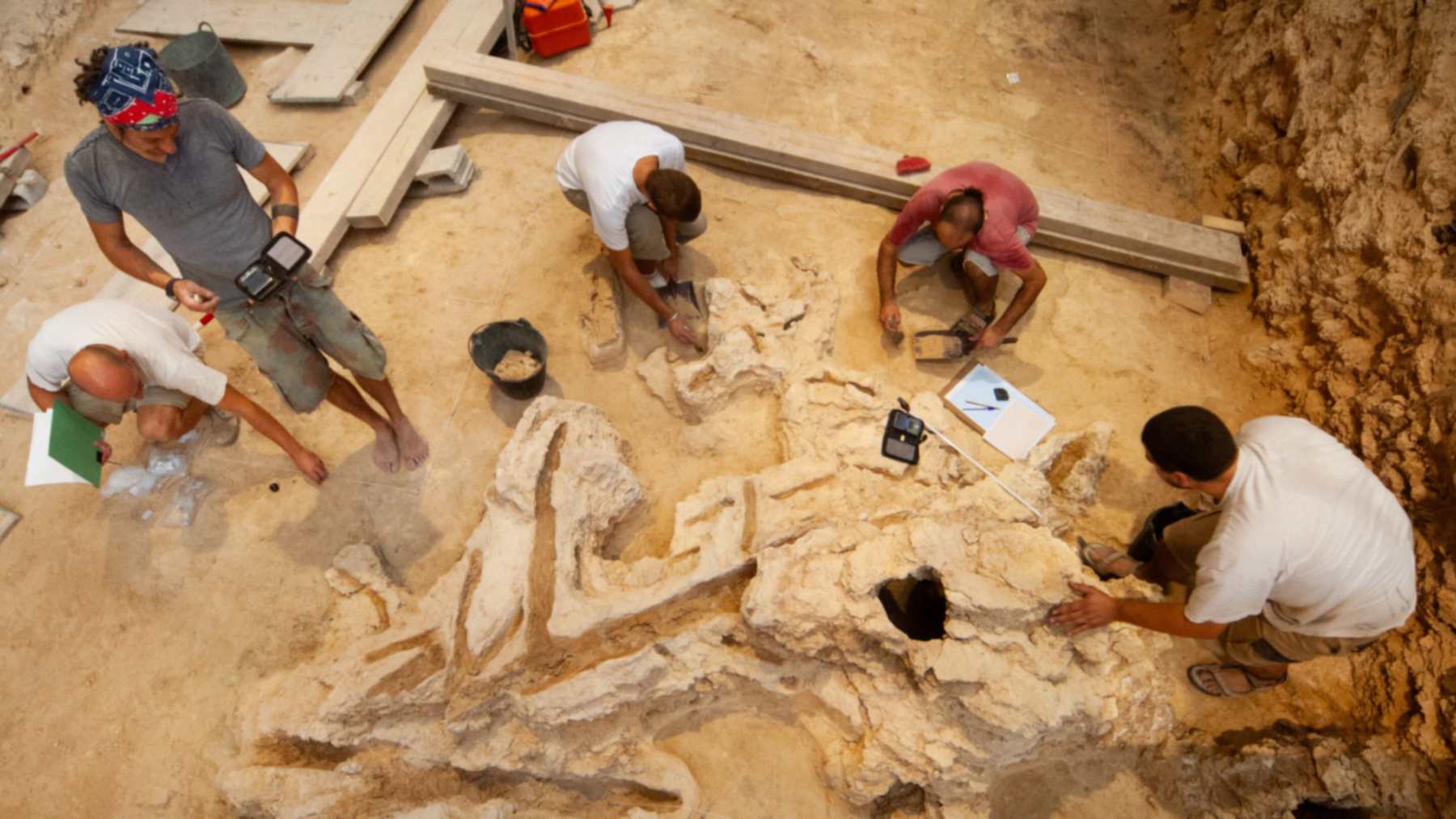
In the early 1950s, naturalist Otto Geist found the vertebrae while working in gold mines near Dome Creek and sent them to the University of Alaska Museum of the North. Curators cataloged the round bone disks as mammoth remains, based on their appearance and the well-known presence of Ice Age giants in the region.
For decades, the fossils rested out of sight in collection drawers while visitors focused on full skeletons and tusks under bright gallery lights. It is the kind of small label most museum goers accept without a second thought as they stroll past the glass cases.
Radiocarbon dates that broke the mammoth timeline
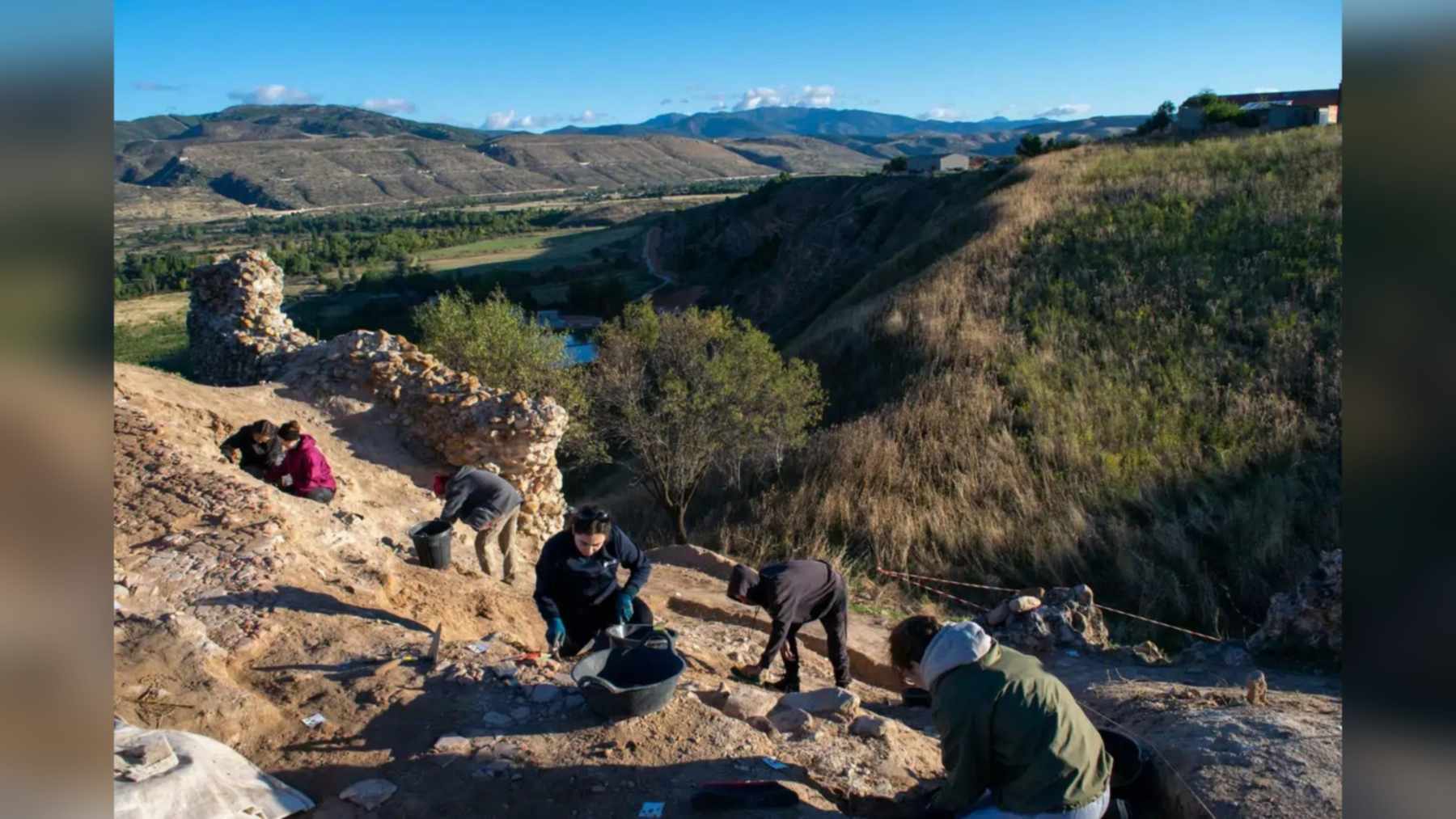
That quiet routine changed when the Adopt a Mammoth project invited members of the public to sponsor radiocarbon dating of stored specimens, including these two vertebrae. When a team led by Matthew Wooller at University of Alaska Fairbanks checked the results, the dates came back between roughly 1,900 and 2,700 years old.
Those numbers created a serious mismatch, since woolly mammoths on mainland Alaska are thought to have disappeared around 13,000 years ago. If the dates had truly belonged to mammoths, the bones would have represented the youngest known fossils of the species in this part of the world by many thousands of years.
At first, researchers considered the possibility of a technical error in the dating process. The more they studied the data, though, the more it looked as if “something was amiss” with the old mammoth label rather than with the lab work itself.
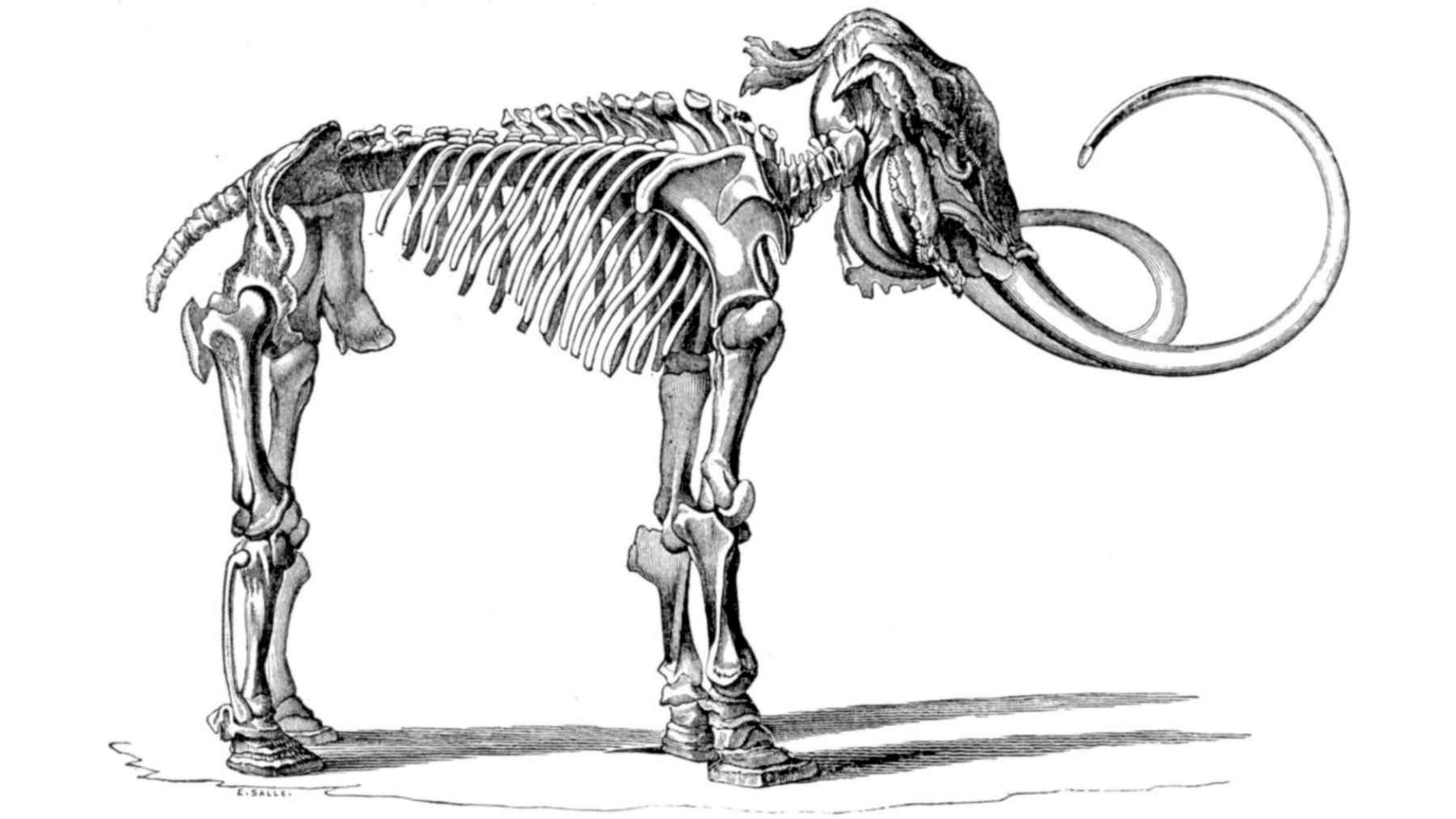
Illustration of a woolly mammoth skeleton, the extinct Ice Age giant whose fossils were long studied across Alaska and the Arctic.
Isotopes and DNA reveal two ancient whales
The team then measured stable isotopes of nitrogen and carbon in the bone material to see what kind of food the animals once ate. The chemical pattern matched marine food webs rather than the grasses and shrubs a grazing mammoth would have relied on, a red flag that pointed toward the ocean.
That clue pushed the scientists to extract fragments of ancient DNA from the fossils. Genetic tests showed that one vertebra came from a common minke whale and the other from a North Pacific right whale, both large whales that normally spend their lives in saltwater.
Knowing the bones came from whales also meant the radiocarbon ages needed a correction, since ocean animals can appear older on paper because of the way carbon cycles through seawater. After adjusting for this marine effect, the team estimates that the whales lived roughly 1,100 and 1,800 years ago, long after mammoths had vanished from the mainland.
A whale mystery in the middle of Alaska
One puzzle remains, and it is the part that keeps the story from feeling too tidy. Dome Creek sits about 400 kilometers from the coast on a small stream that today could barely float a fishing raft, which makes the idea of a whale swimming there hard to picture.
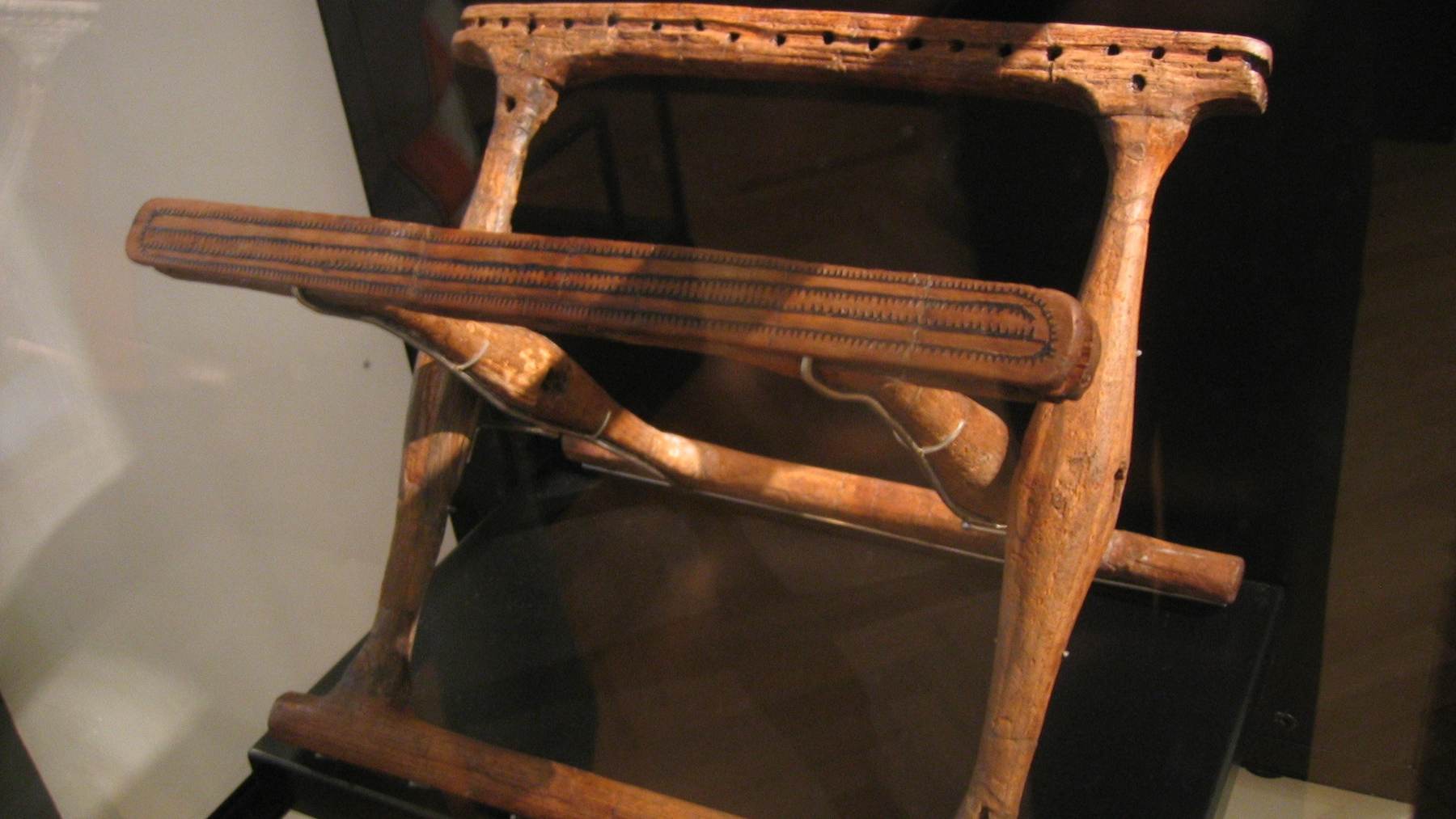
The study outlines several possibilities, including whales that traveled far inland along major rivers and died there, or bones that ancient people carried from the shore to use as tools or building material. The authors point out that both ideas have practical limits, especially for a massive right whale that feeds on plankton not found in rivers.
For the most part, the simplest explanation may be a human one rather than a natural one, a basic cataloging mistake when the fossils entered the collection, since Geist gathered bones from both inland and coastal sites and the wrong box may have been marked with the Fairbanks location.
In everyday terms, it is a reminder that even expert labels can age badly and that revisiting old collections with new tools can flip a neat story on its head.
The official study has been published in the Journal of Quaternary Science.