A vast reservoir off freshened water has been confirmed beneath the Atlantic seafloor off the northeastern United States, a hidden aquifer that early estimates suggest could theoretically supply a city the size of New York City for about 800 years.
It sounds like a miracle in a century of droughts, heat waves, and rising water bills. It is not that simple.
Expedition 501 drilling off Massachusetts confirms offshore aquifer
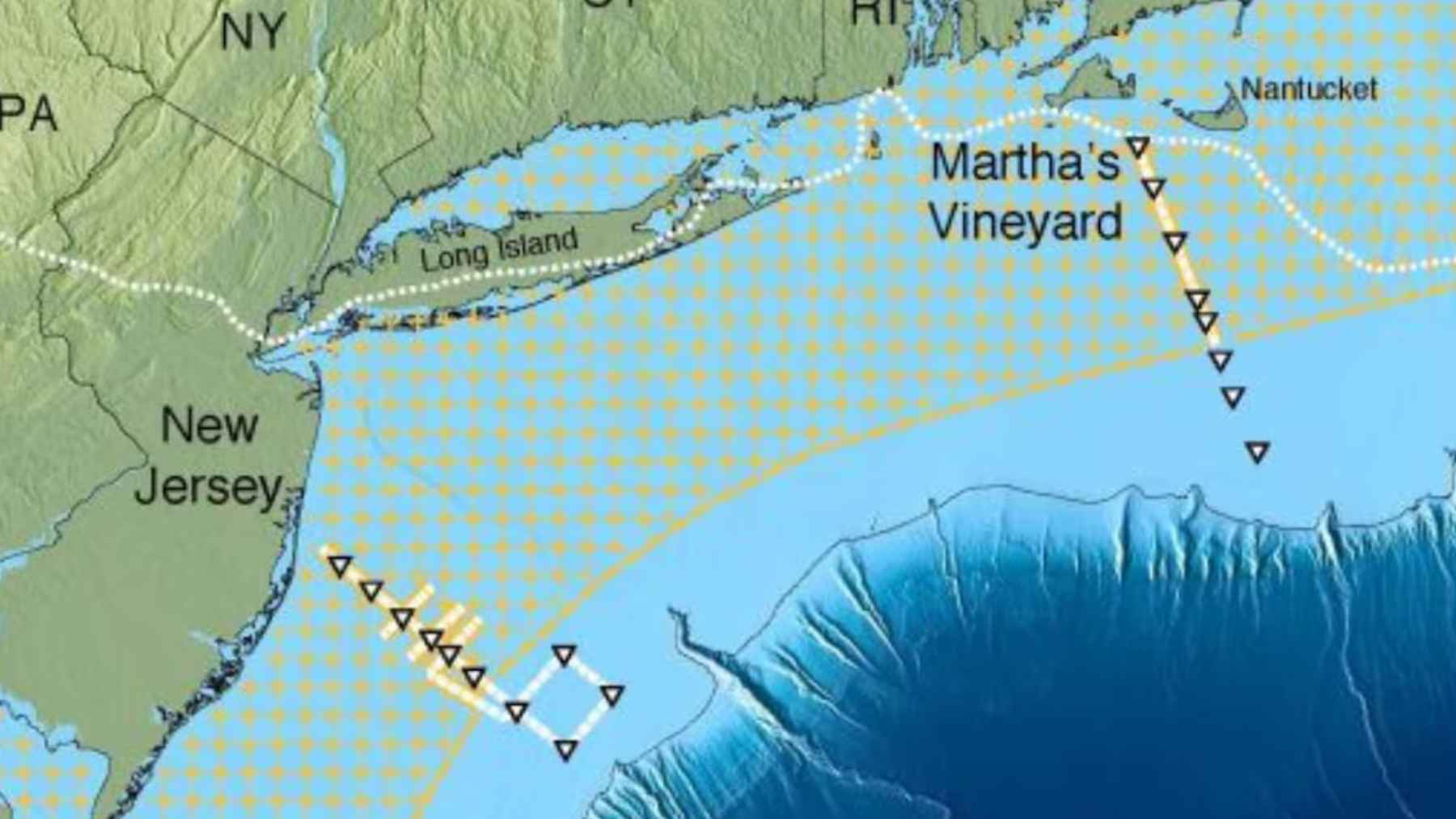
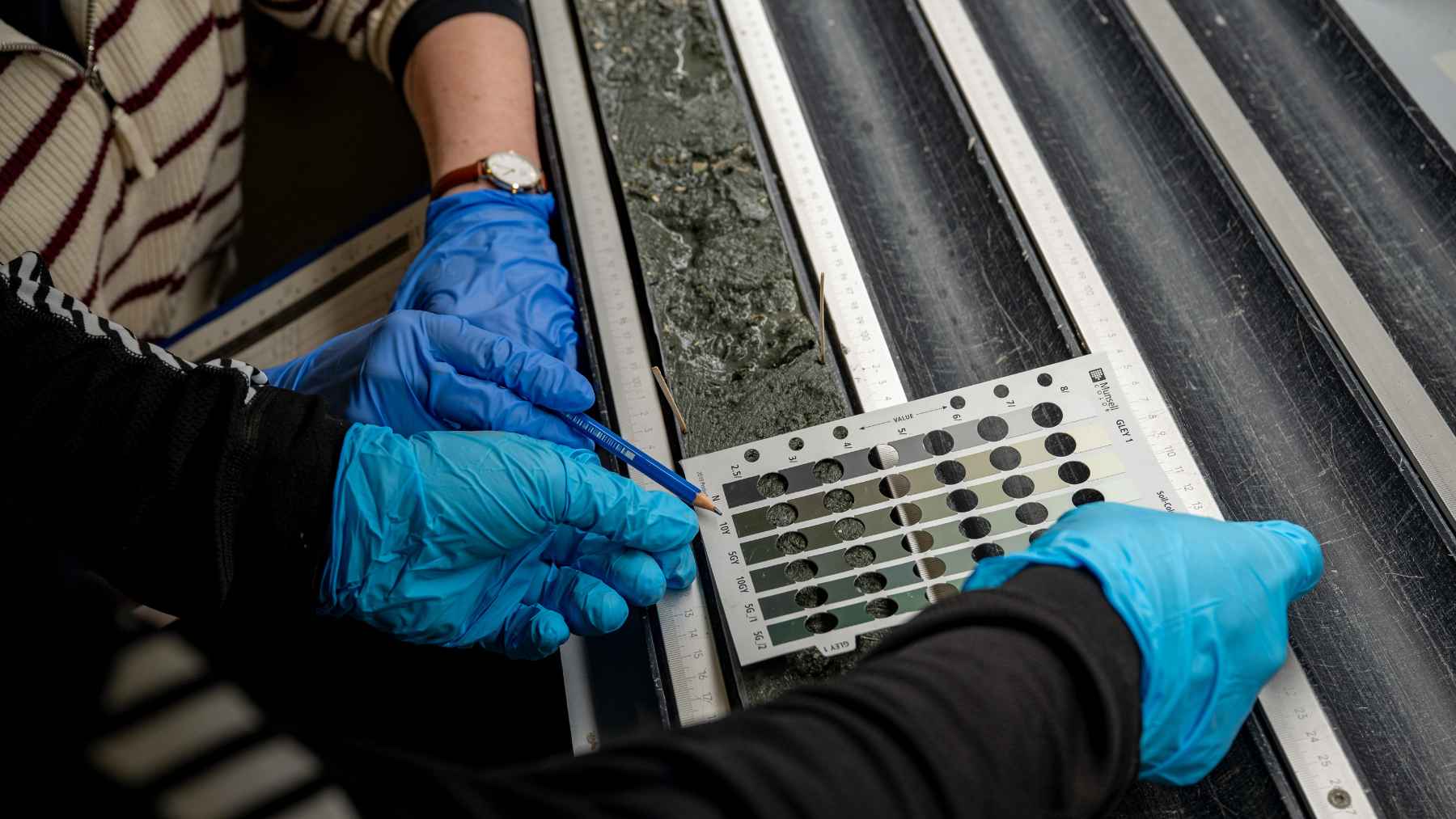
The find comes from Expedition 501, a three-month mission that drilled into the continental shelf south of Massachusetts near Nantucket and Martha’s Vineyard, recovering sediment cores and about 13,000 gallons of water from up to 1,300 feet below the seafloor.
Measurements show that the buried water is much less salty than the ocean around it. Clay and silt form a cap above sandier layers that behave like offshore aquifers, and the freshest samples meet U.S. drinking water limits while even the farthest site is only about half as salty as normal seawater.
For co-chief scientists Brandon Dugan and Rebecca Robinson, working with the International Ocean Drilling Programme and the European Consortium for Ocean Research Drilling, the expedition confirms that long-suspected “offshore freshened groundwater” really does occupy a thick zone beneath the New England shelf, roughly 200 meters of sediment saturated with low-salinity water.
The cores are now being analyzed to pin down the age and behavior of the system.
Ice age meltwater and sea level change may explain the freshwater deposit
So where did all that water come from? Early clues from radiocarbon, noble gases and isotopes point back to the last ice age roughly twenty thousand years ago, when meltwater from massive ice sheets was forced into underlying sediments as sea level shifted.
Scientists first stumbled on fresh or slightly briny water under the Atlantic shelf in the 1970s, from New Jersey to Maine, but for decades they relied mostly on remote electromagnetic surveys instead of direct drilling. Expedition 501 finally put a drill into that “secret” freshwater and brought it to the surface, turning years of hints into hard evidence.
Water scarcity warnings raise questions about undersea freshwater use
United Nations and other bodies warn that global freshwater demand could exceed supply by around forty percent by 2030, a gap that will hit crowded coastal regions in particular. That helps explain why offshore freshened groundwater is drawing so much attention from water planners.
That makes discoveries like this feel tempting, yet researchers stress that the Atlantic reservoir is not a blank check for endless consumption.
Tapping a buried aquifer under the ocean would be technically complex, energy-hungry and costly, and it would raise thorny questions about ownership and ecological impact compared with options such as cutting demand or investing in reuse on land.
What happens next for New England’s offshore freshwater reserve
For now, the team behind Expedition 501 is focused on basic questions such as how big this freshwater body is, how connected it is to aquifers on land and whether it is being renewed at all. The answers will shape whether offshore fresh water becomes an emergency reserve for future generations or stays largely off limits.
At the end of the day, the real lesson from this “water treasure” may be less about a hidden emergency tank and more about how much water our modern lifestyles demand. Even a giant undersea reservoir cannot keep up if taps on land are left running.
The official press release was published on IODP³.