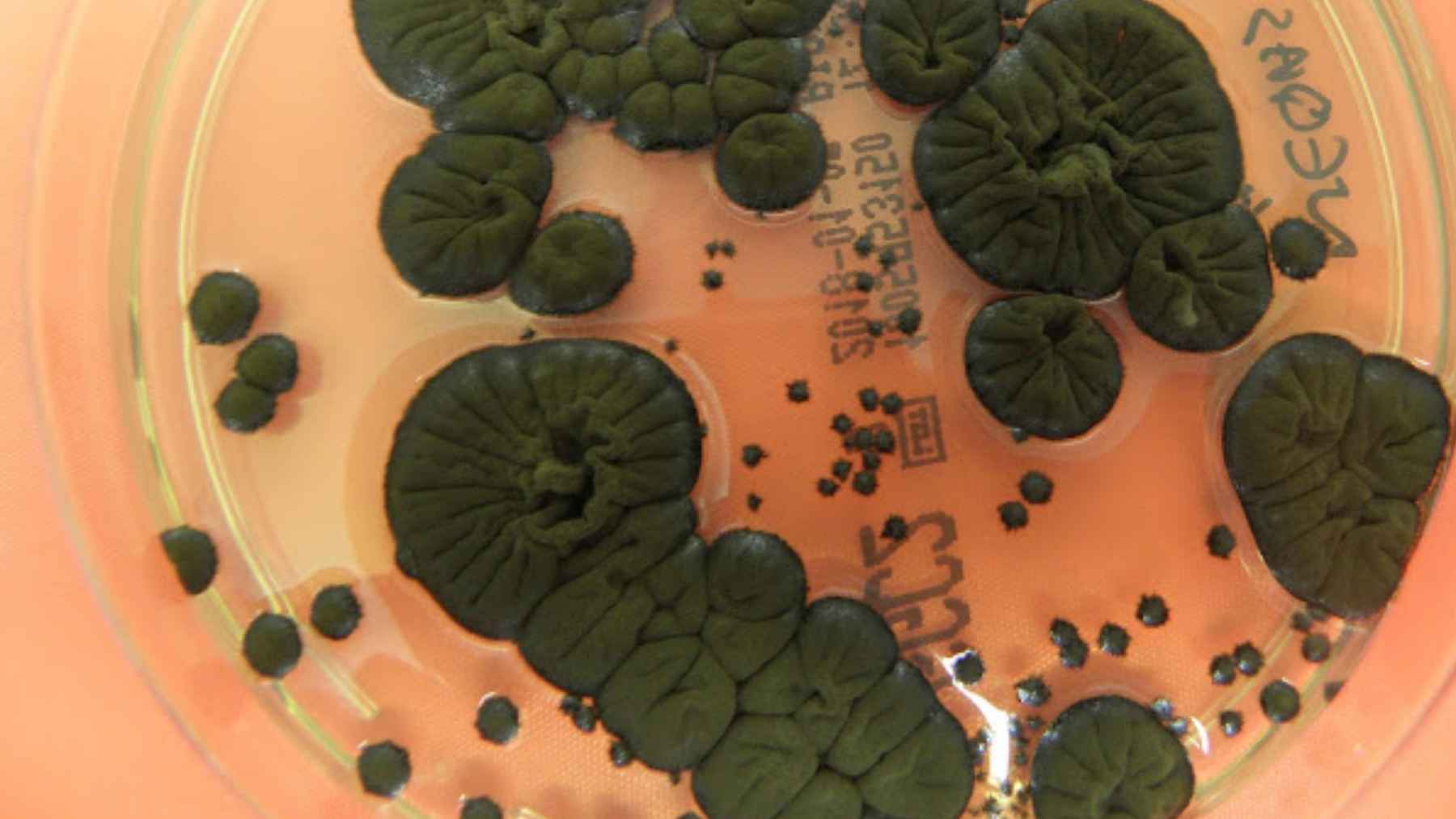
What if one of the most dangerous leftovers from a nuclear disaster turned into an advantage for a living thing? Nearly 40 years after the April 26, 1986, Chernobyl accident in Ukraine, researchers are still studying a dark, melanin-rich fungus called Cladosporium sphaerospermum that seems unusually comfortable in radioactive places.
The main conclusion so far is not that the organism has solved radiation, but that under the right lab conditions, radiation may help it grow faster instead of simply harming it.
That idea sounds like science fiction, but several peer-reviewed studies keep pointing in the same direction. A 2007 paper in PLOS ONE found that dark fungi grew better under radiation than similar fungi without the pigment melanin, and later space-station work suggested the Chernobyl-linked species also grew somewhat faster in orbit while trimming radiation readings beneath its biomass.
In practical terms, a reactor-wall fungus has become part of a serious conversation about shielding astronauts and spacecraft.
A survivor in Chernobyl
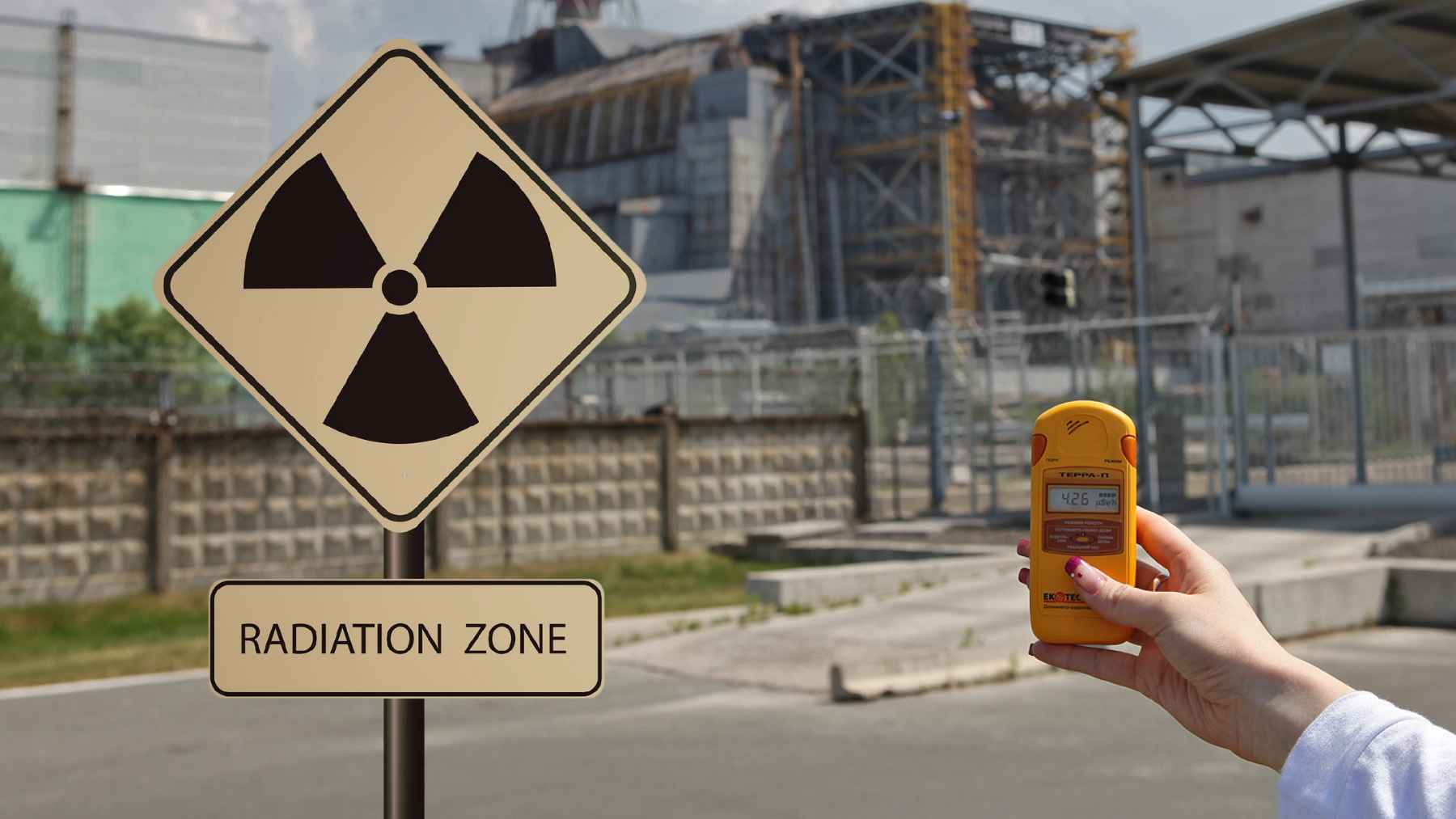
This story began inside the damaged reactor complex itself. Research led by Nelli Zhdanova at the Ukrainian National Academy of Sciences reported heavy fungal growth on walls and building materials in the inner parts of the shelter around Unit 4, with dozens of species identified between 1997 and 1998.
Melanin-containing fungi were especially common in the more contaminated spots, and Cladosporium sphaerospermum was one of the species that kept showing up.
That caught scientists’ attention because melanin is more than a color. It is the same pigment family that gives color to human skin, hair, and eyes, and in fungi it has long been linked to survival in harsh conditions such as strong sunlight, cold, and chemical stress.
So the obvious question followed. Was the dark pigment acting like a shield, or was it doing something more active?
The main finding
To test that idea, Ekaterina Dadachova and Arturo Casadevall, working with colleagues at Albert Einstein College of Medicine, did not rely on one odd sample from Chernobyl. Their 2007 study compared three different fungi, including Cladosporium sphaerospermum, and exposed melanized cells to ionizing radiation at about 500 times background levels.
They also compared those dark cells with pale mutants or non-melanized versions that lacked the same pigment advantage.
The results were striking, though not magical. In several experiments, the irradiated dark fungi produced more colonies, built slightly more biomass, and in some cases took up about three times more of a tagged nutrient than similar fungi without melanin.
The team also found that radiation changed the electronic behavior of melanin and boosted its ability to move electrons in the lab. That is the part researchers keep circling back to.
Why melanin matters
To understand why this matters, think about photosynthesis. Plants use chlorophyll to capture sunlight and turn it into chemical energy, but these fungi are dealing with ionizing radiation, including gamma rays, which are among the most penetrating and damaging forms of radiation for living tissue.
The researchers proposed that melanin might help the cells capture some of that energy or at least handle it in a more useful way.
Later discussions introduced the term “radiosynthesis” for this possibility, but it is still best treated as a hypothesis, not a settled mechanism.
The PLOS paper itself stayed careful and said the findings raised “intriguing questions” about energy capture and use rather than proving that fungi literally feed on radiation the way plants rely on sunlight. So, yes, the idea is exciting. But the science is still being sorted out.
Growth toward radiation
There is another clue that keeps this story alive. A 2004 study in Mycological Research reported that some soil fungi associated with the Chernobyl area grew toward beta and gamma radiation when researchers tested them in controlled conditions.
That behavior is called radiotropism, which simply means growth in the direction of radiation. It sounds odd, but the comparison is easy to picture. It is a bit like a plant leaning toward a window.
Related work cited by the PLOS team also described microfungi growing into contaminated “hot particles” and helping break them down over time. That does not mean a fungus can clean up a reactor site on its own, and experts do not present it that way.
Still, it helps explain why these organisms are seen as active players in radioactive environments, not just grim survivors clinging to a wall.
Why NASA cares
The space angle is where the story gets surprisingly practical. A 2022 paper on an International Space Station experiment found that Cladosporium sphaerospermum grew about 20% faster than ground controls, and NASA later summarized that a thin layer of melanized fungus reduced radiation readings by almost 2%, with the effect potentially reaching about 5%.
Those numbers will not build a moon base tomorrow. Even so, they are enough to keep engineers interested.
NASA says research on fungi could help create protective coatings for spacecraft and electronics, and the agency’s NIAC program says melanin-producing strains have already been included in radiation-protection experiments and models for mycelium-based lunar habitats. In other words, the point is not to fly chunks of reactor wall into space.
It is to learn whether a self-growing, lightweight biological material might one day help shield crews where every pound on the launch bill matters.
The main study has been published in PLOS ONE.