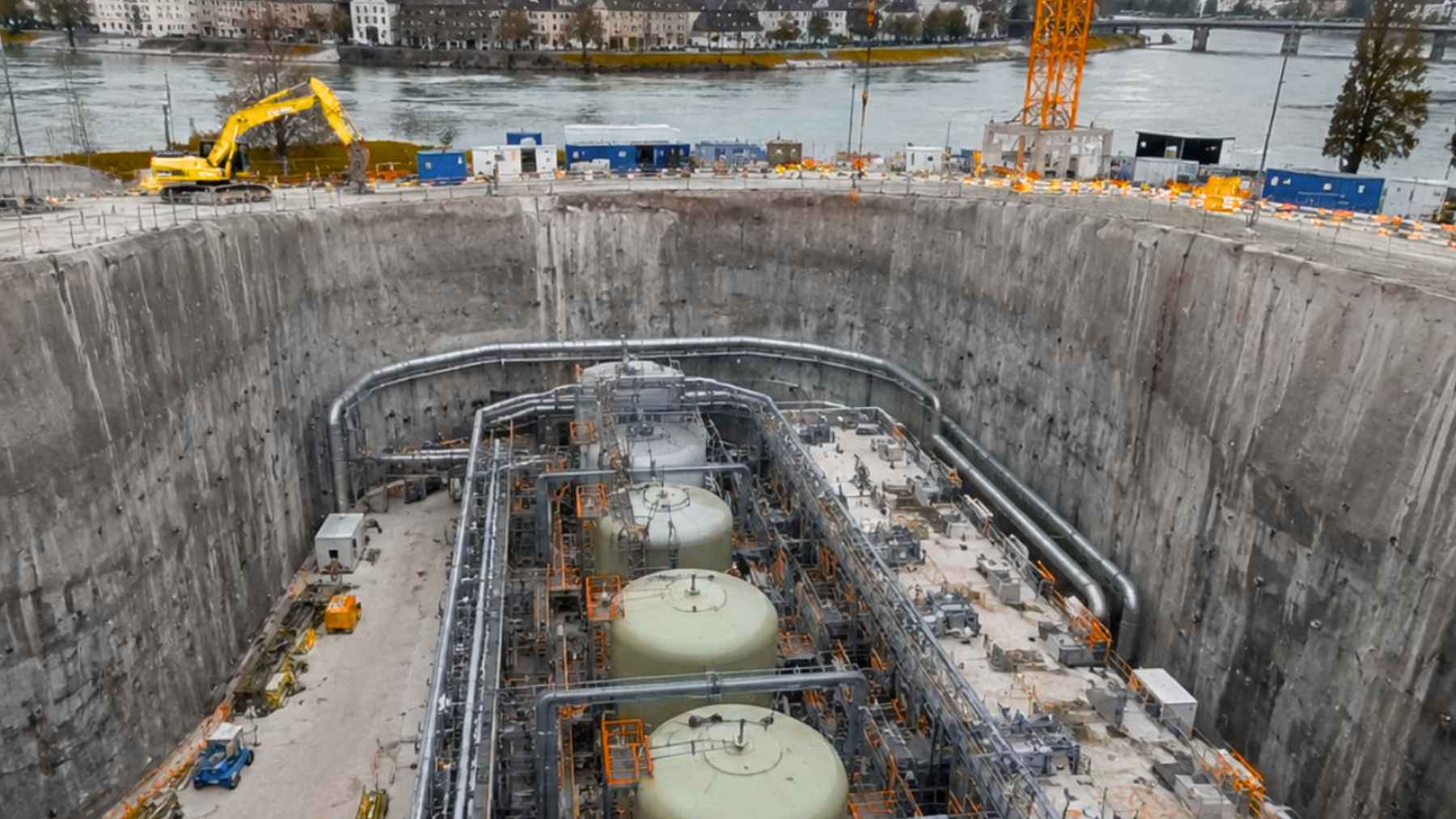
Switzerland has started turning a deep construction pit in Laufenburg into something much bigger than an underground room. FlexBase is building a giant redox flow battery project in the canton of Aargau, with plans for more than 2.1 GWh of storage and more than 1.2 GW of power output in its final form, a scale the company compares with the output of the Leibstadt nuclear power plant.
The point is not simply to build a record-breaking battery. The bigger question is how Europe keeps the lights on when solar panels and wind turbines produce power on nature’s schedule, not ours. That’s where this Swiss project gets interesting, especially as electric cars, heat pumps, data centers, and the electric bill all become part of the same energy puzzle.
A battery under Laufenburg
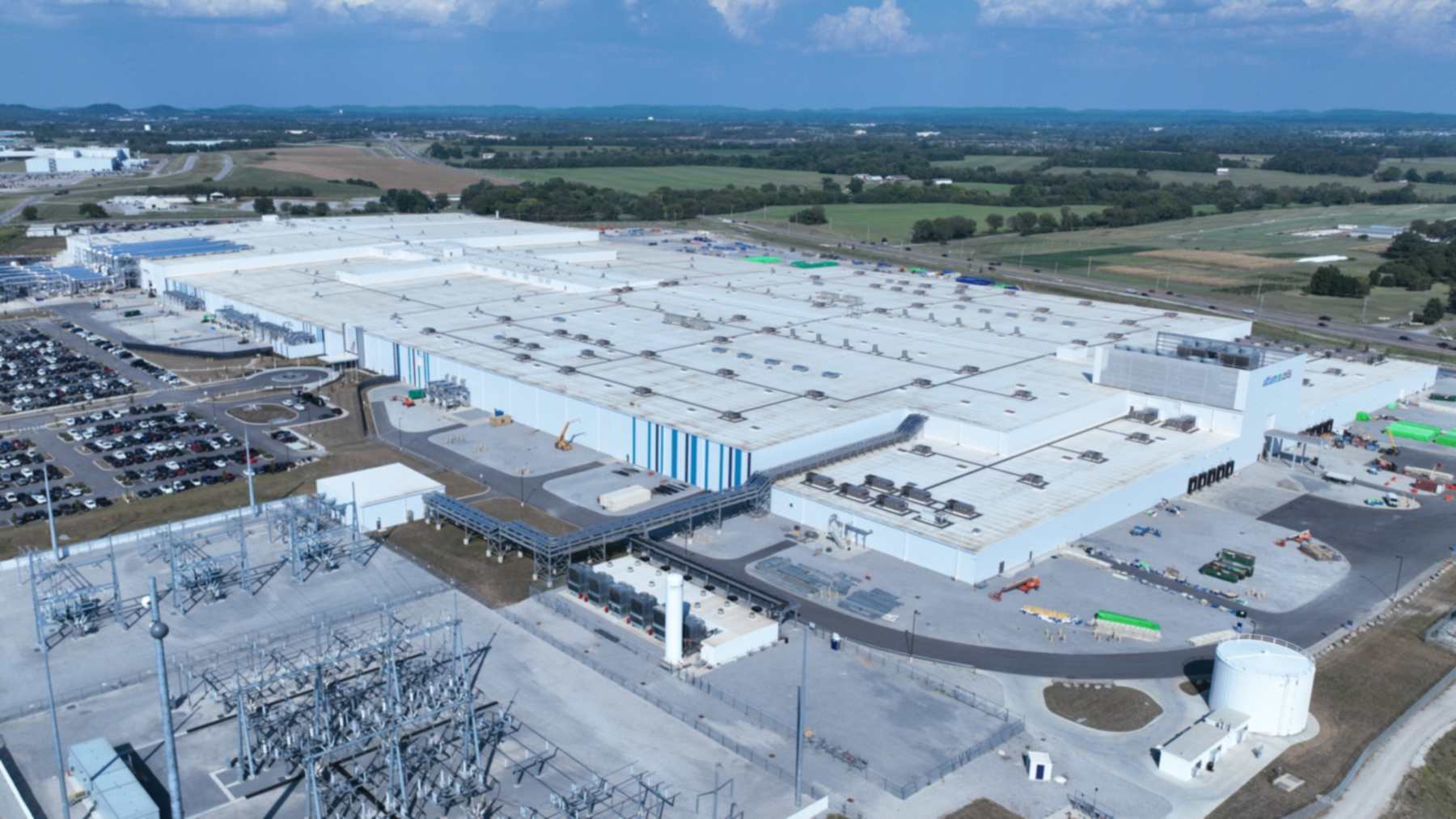
The project is being built at the Technology Center Laufenburg, near the Star of Laufenburg, a historic hub for Europe’s interconnected power grid. FlexBase says construction of the center began in spring 2025 and will combine battery storage with a water-cooled AI data center, offices, and laboratories.
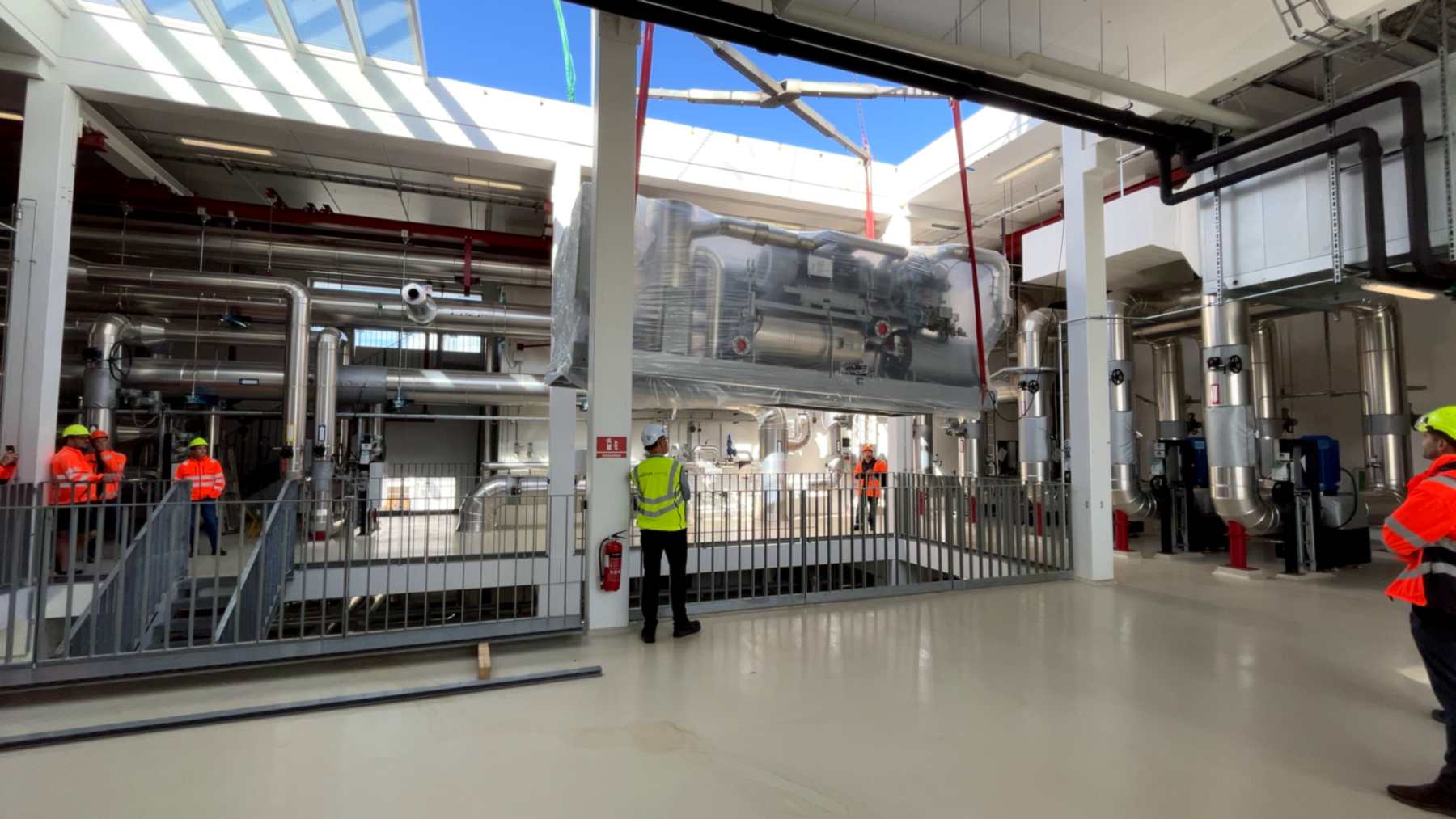
The underground scale is hard to picture. Reports describe an excavation roughly 89 feet deep and longer than two soccer fields, built to hold central parts of the redox flow battery system. On the surface, the wider campus covers more than 430,000 square feet, while the battery storage system itself is described by FlexBase as covering more than 215,000 square feet.
Why bury so much equipment? For the most part, because flow batteries need large tanks, pumps, and conversion systems. They are not compact like the battery inside a phone or laptop. But for a grid that needs big, steady storage rather than pocket-sized convenience, that size can become a strength.
Why the grid needs it
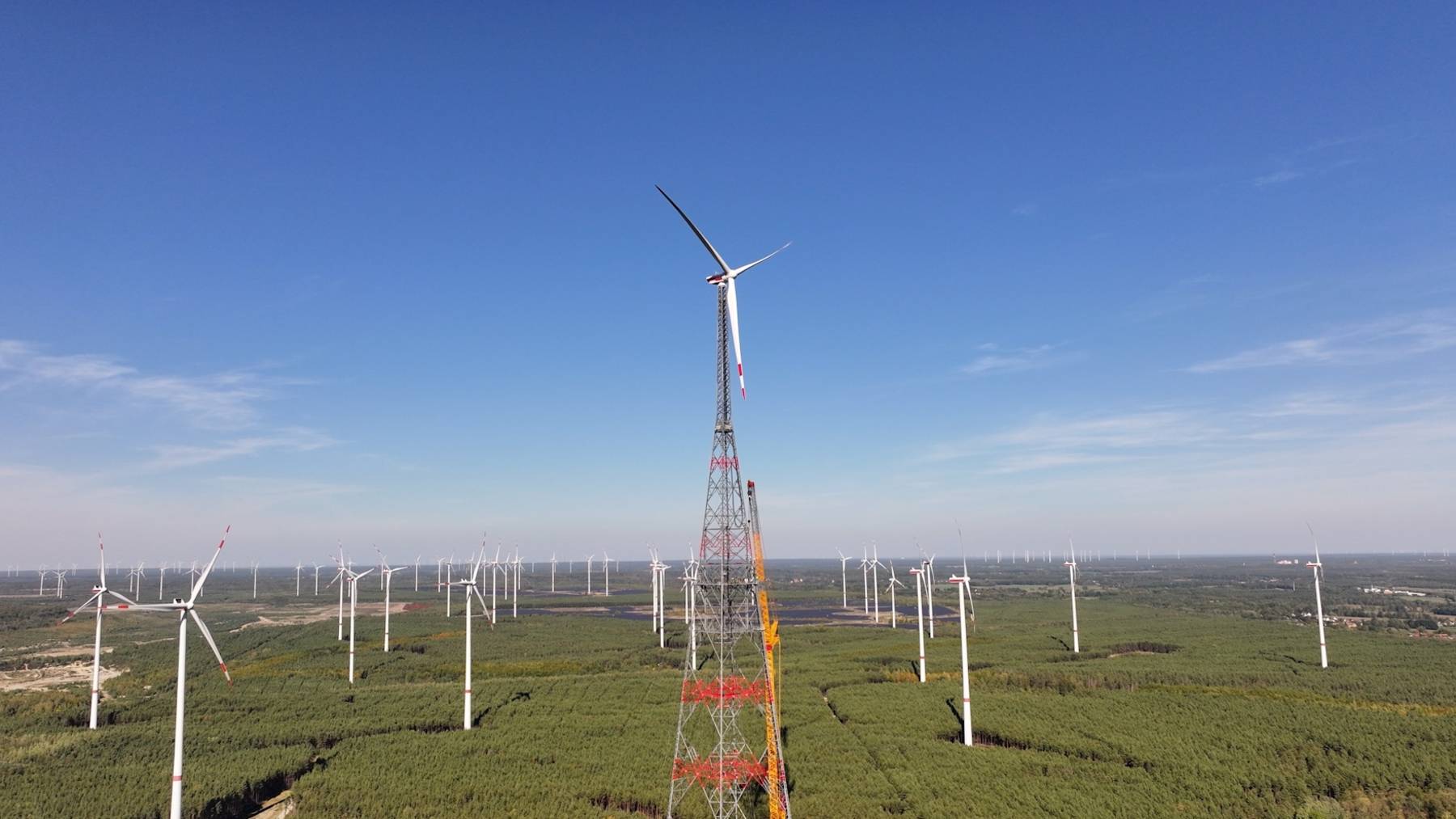
Renewable energy can be abundant one hour and scarce the next. A windy night or sunny afternoon may create excess renewable electricity, while a cold evening or a sticky summer heat wave can send demand climbing fast.
FlexBase says the Laufenburg storage system is designed to take in unused renewable electricity and release it when needed, helping stabilize voltage and frequency on the grid. In practical terms, that means it could act like a shock absorber for power flows that are becoming harder to predict.
Swissgrid has approved the first expansion phase of the grid connection at 800 MW, according to a FlexBase press release from January 2026. The company says the final storage system is planned to exceed 2.1 GWh, enough by its estimate to supply about 210,000 households for 24 hours.
How flow batteries work
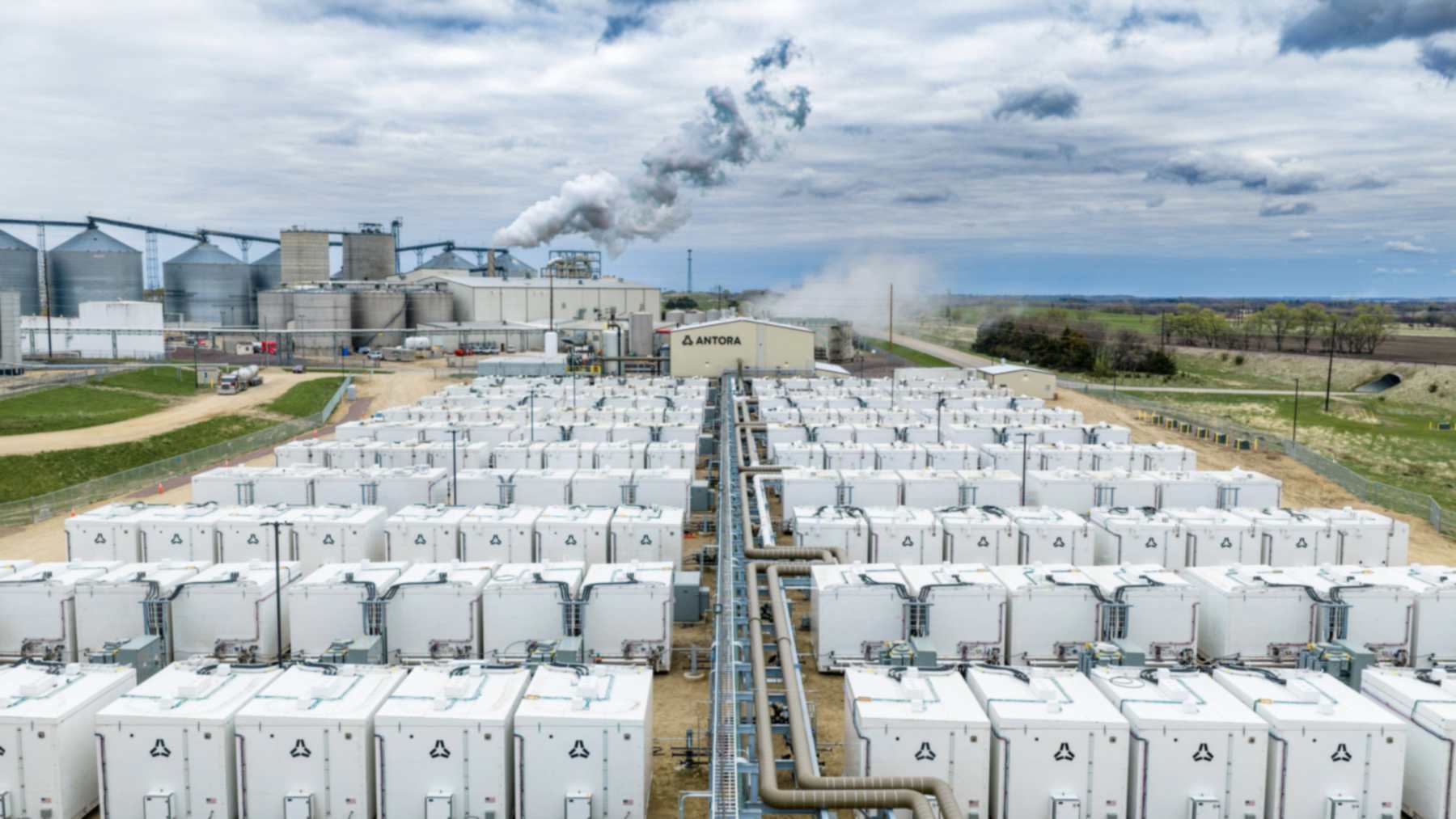
A redox flow battery is different from the lithium-ion batteries most people know. Instead of storing energy mainly inside solid electrodes, it stores energy in liquid electrolytes held in tanks and pumped through electrochemical cells.
During charging, electricity is converted into chemical energy in the liquid. During discharge, that process reverses and electricity flows back out. Simple idea, huge machinery.
That layout is why flow batteries can be appealing for large stationary storage. To increase storage capacity, builders can generally increase tank volume, while power output depends more on the conversion equipment. FlexBase says its system uses an aqueous electrolyte with high water content, which the company presents as non-flammable, non-explosive, and recyclable.
Invinity joins the project
The latest official milestone came on May 21, 2026, when FlexBase announced that Invinity Energy Systems had been selected as strategic partner for the flow battery. Invinity said the project will include a vanadium flow battery of up to 1.5 GWh in an initial scope, with FlexBase looking to expand it to 2.1 GWh in later phases.
Marcel Aumer, FlexBase Group CEO, chairman, and founder, said Invinity’s technology was well suited to the project because of “its safety, particularly its non-flammability, its cycle stability, and its flexibility in application.”
That quote matters because safety is central to the pitch. Lithium-ion systems can be powerful and efficient, but large installations bring fire-safety concerns that planners cannot ignore. Flow batteries are not magic, but their liquid storage design gives them a different risk profile.
More than a battery
The Laufenburg plan is also tied to artificial intelligence. FlexBase describes the site as a future technology hub where battery storage, an AI data center, research, and heat reuse are meant to work together.
That last piece may sound less flashy, but it could be important locally. FlexBase says waste heat from data center operations is expected to feed a district heating network for Laufenburg and nearby areas. The company has estimated that this could save about 82,700 U.S. tons of CO2 over 30 years in Laufenburg.
The investment is also large. Swissinfo reported that the privately financed project carries an estimated cost of CHF 1 billion to CHF 5 billion, roughly $1.2 billion to $6.2 billion, and could generate around 300 jobs.
What happens next
FlexBase originally said full commissioning was planned for summer 2028, while Swissinfo later reported that the company planned to put the giant battery into operation in 2029. That gap is worth watching, since large infrastructure projects often move in phases rather than all at once.
For now, the key takeaway is clear. Europe’s energy transition is no longer just about building more wind turbines and solar farms. It is also about building the storage and grid infrastructure that makes clean power useful when people actually need it.
And in Laufenburg, that future is taking shape inside an 89-foot-deep hole.
The official press release was published on FlexBase.