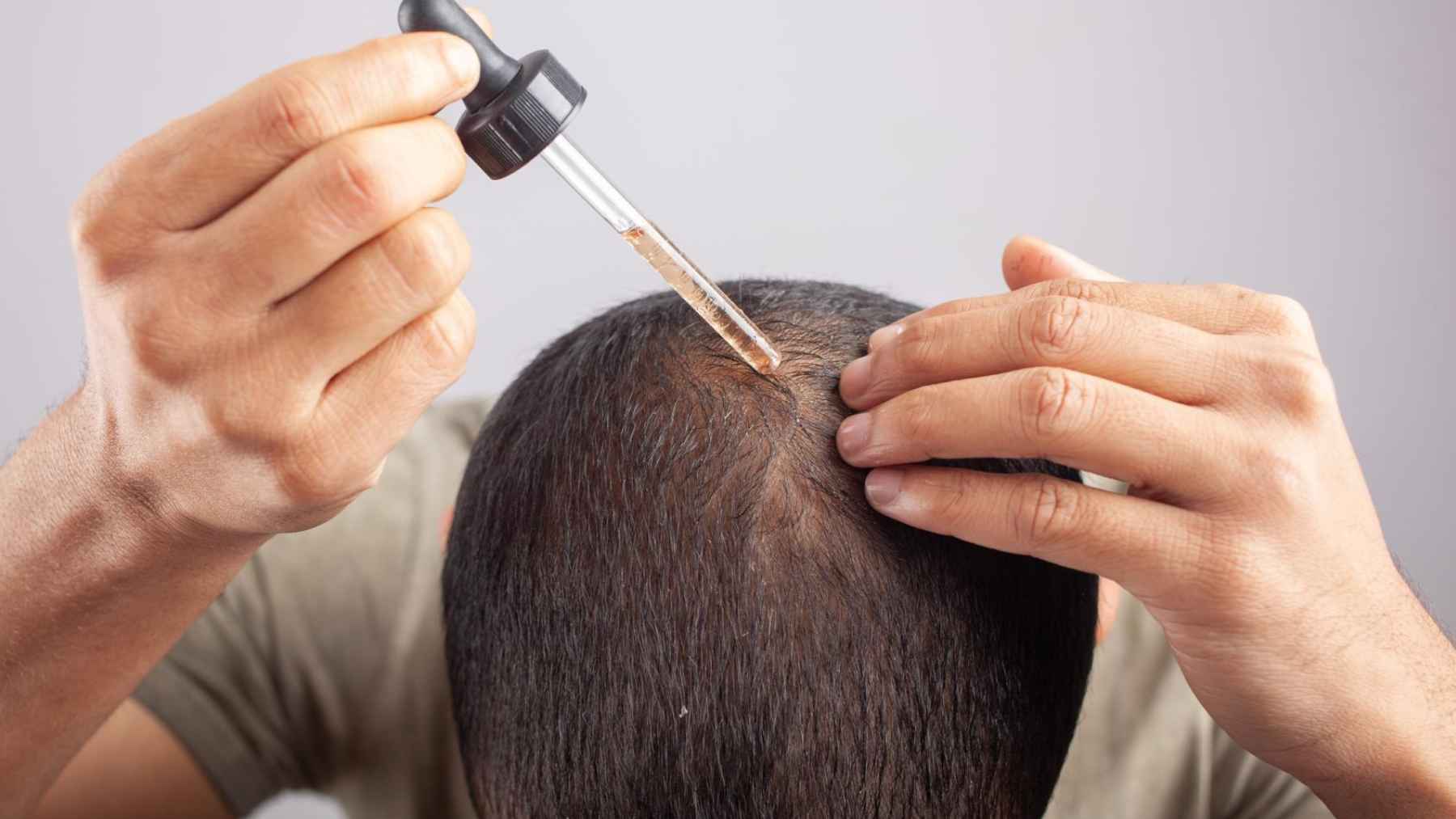
A plant-based scalp serum has produced an attention-grabbing signal in a small clinical trial, with participants using the strongest formula showing thicker, denser hair after 56 days. The daily product combined Centella asiatica extracellular vesicles with growth factors, caffeine, and panthenol, and the best-performing group saw hair density rise 23.9% from baseline, compared with 11.9% in the placebo group.
That sounds exciting, especially for anyone who has stood under bright bathroom lights wondering if the part in their hair looks wider than last month. The study, however, was short. It involved only 60 healthy adults, and was described by the authors as exploratory, which means the results are promising rather than definitive.
A faster signal for hair growth
Hair loss treatments usually demand patience. For the most part, people have to wait months before they know whether a product is helping, and the answer can vary from person to person.
That is why this trial is drawing interest. Participants applied about 0.034 fluid ounces of the assigned product once each evening for eight weeks, while researchers tracked hair length, thickness, density, scalp sebum, and shedding at several points during the study.
The strongest response came from the formula that combined Centella asiatica vesicles with recombinant insulin-like growth factor 1 (IGF-1) and fibroblast growth factor 7 (FGF-7). This means the product was not just a simple herbal extract squeezed into a bottle.
What was in the serum
Centella asiatica is a tropical plant long studied in skin and cosmetic research. In this case, the researchers used extracellular vesicles, tiny cell-released particles that can carry biological signals from one place to another.
The serum also included caffeine and panthenol, ingredients many shoppers already recognize from shampoos and scalp products. Then came the more technical pieces, recombinant long-acting IGF-1 and FGF-7, both tied to follicle behavior and the hair growth cycle.
Why does that matter? Hair follicles are not dead threads. They are living mini-organs that respond to chemical signals, inflammation, hormones, and the condition of the surrounding scalp.
How the trial worked
The study enrolled 60 adults ages 18 to 60 and split them into five groups of 12. One group received a placebo, while the others received formulas that added caffeine and panthenol, growth factors, Centella asiatica vesicles, or the full combination.
The trial was randomized and double-blinded, so participants, care providers, assessors, and data analysts did not know which formula each person was using until the study ended. That kind of design helps reduce bias, which is especially important in hair studies, where lighting, angles, and wishful thinking can all muddy the picture.
Measurements were taken at the start and again after 14, 28, 42, and 56 days. Researchers used scalp imaging and a standardized 60-stroke combing test to count shed hairs.
What changed after 56 days
By day 56, the full-combination group showed the strongest results. Hair shaft thickness increased by 27.9 micrometers, roughly 0.0011 inches, compared with 13.9 micrometers in the placebo group.
Hair density also rose by 23.9% in that group, nearly double the placebo group’s 11.9% gain. Shedding fell by 63.6% in the full-combination group, compared with 43.1% in the placebo group.
Length changed too. The full-combination group recorded 1.4 inches of cumulative growth by day 56, and the authors reported that the difference from placebo was already significant by day 14.
The catch readers should not miss
This was not a large trial of people diagnosed with advanced pattern baldness. It was a small exploratory study in healthy adults, and the authors noted that the short 56-day period was not enough to capture the full picture of hair growth cycles.
That matters because hair moves slowly. A follicle can spend months in its growth phase, then shift into rest and shedding, which is why a few weeks of improvement does not automatically prove lasting regrowth.
There is another point worth noting. Schweitzer Biotech Company funded the study and supplied the test products, and several authors were employees or consultants of the company. That does not invalidate the data, but it does make independent replication especially important.
How it compares with current options
For now, the better-established treatments still matter most. Reviews of androgenetic alopecia research note that topical minoxidil and oral finasteride remain the two main FDA-approved drug options for the condition, although they require ongoing use and are not perfect for everyone.
The new serum was presented as a cosmetic scalp-care approach rather than a direct replacement for medical therapy. That distinction is important, especially for people dealing with sudden shedding, patchy hair loss, postpartum changes, thyroid disease, or other medical causes.
The sensible move is simple. Anyone worried about hair loss should speak with a dermatologist before swapping proven treatment plans for a new cosmetic product.
Why the plant angle is interesting
The environmental angle is not that a plant-based serum is automatically greener or safer. Nature does not work that neatly.
What is interesting is the use of plant-derived vesicles as delivery tools. If future research confirms the effect, this kind of technology could push cosmetic science beyond simple botanical extracts and toward more targeted scalp care.
Still, manufacturers would need to prove that every batch behaves consistently. With biologically active ingredients, tiny differences can matter, and consumers deserve more than a glossy label and a dramatic before-and-after photo.
What happens next?
The next step should be larger, longer trials that include people with diagnosed androgenetic alopecia. Those studies should compare the serum directly with minoxidil and finasteride, report absolute hair counts, track side effects, and ask patients whether the change is actually noticeable in everyday life.
For now, the finding is a useful early signal. Not a miracle, not a cure, but a reason to keep watching the science carefully.
The study was published in the journal Cosmetics.