Forty years after reactor No. 4 exploded at Chernobyl, the disaster still feels painfully present. It lives on in evacuated towns, contaminated land, cancer records, nuclear safety rules, and the memories of people who were told too little, too late.
The timing is unsettling. As Ukraine faces Russia’s war, the International Atomic Energy Agency (IAEA) said a drone struck a central spent fuel storage facility in the Chernobyl exclusion zone on Sunday, causing significant structural damage.
Reuters reported that IAEA inspectors found radiation levels remained normal, but the warning was clear enough (nuclear risk does not end when a reactor shuts down).
What happened in 1986
The Chernobyl accident began during a safety test in the early hours of April 26, 1986. According to IAEA safety reports, the disaster combined serious operator errors with deep flaws in the Soviet RBMK reactor design, a graphite-moderated system that became dangerously unstable under certain low-power conditions.
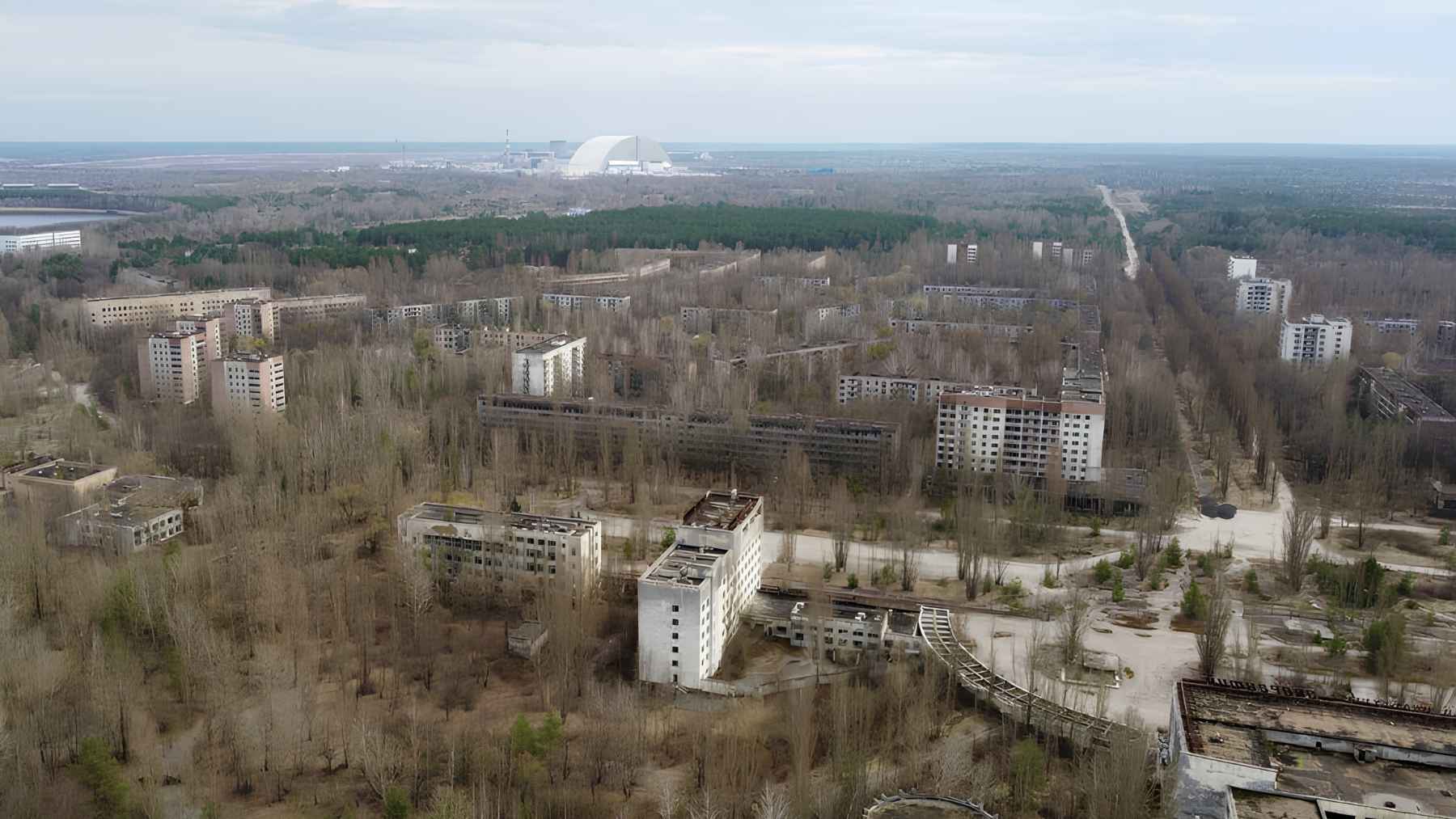
The blast tore open the reactor and sent radioactive material into the air. Nearby Pripyat, only about 2 miles from the plant, was evacuated many hours later, after families had already gone about ordinary life in an extraordinary danger zone.
The human toll
The United Nations Scientific Committee on the Effects of Atomic Radiation describes Chernobyl as the most serious accident ever in the nuclear power industry. It says 30 workers died within weeks and more than 100 others suffered radiation injuries.
The cleanup was massive. The World Health Organization reported that about 350,000 cleanup workers, often called “liquidators,” were initially involved in 1986 and 1987, while the number later registered rose to 600,000. About 116,000 people were evacuated in 1986, and another 230,000 were relocated in later years.
The clearest long-term health signal has been thyroid cancer among people exposed as children and adolescents. UNSCEAR reported more than 6,000 such cases by 2005, with many likely tied to radioactive iodine released after the accident. Still, experts also warn that not every later illness in the region can be directly blamed on radiation, which is why careful data matters.
Silence became part of the disaster
Chernobyl was not only a reactor failure. It was also a failure of public truth.
Soviet citizens waited about 40 hours before learning that an accident had happened. That silence landed at a bitter moment, just after Mikhail Gorbachev had promoted “glasnost” and “perestroika,” words that promised openness and reform.
Why did that matter so much? Because in a disaster, silence becomes its own kind of contamination. It spreads fear, rumor, and anger, especially when parents are trying to decide whether the milk, the garden, or the playground is safe.
The land still carries it
Wind and rain pushed fallout across parts of Ukraine, Belarus, Russia, and beyond. UNSCEAR says large areas were contaminated with radionuclides, including iodine-131, cesium-134, and cesium-137, with iodine moving quickly through contaminated milk and leafy vegetables.
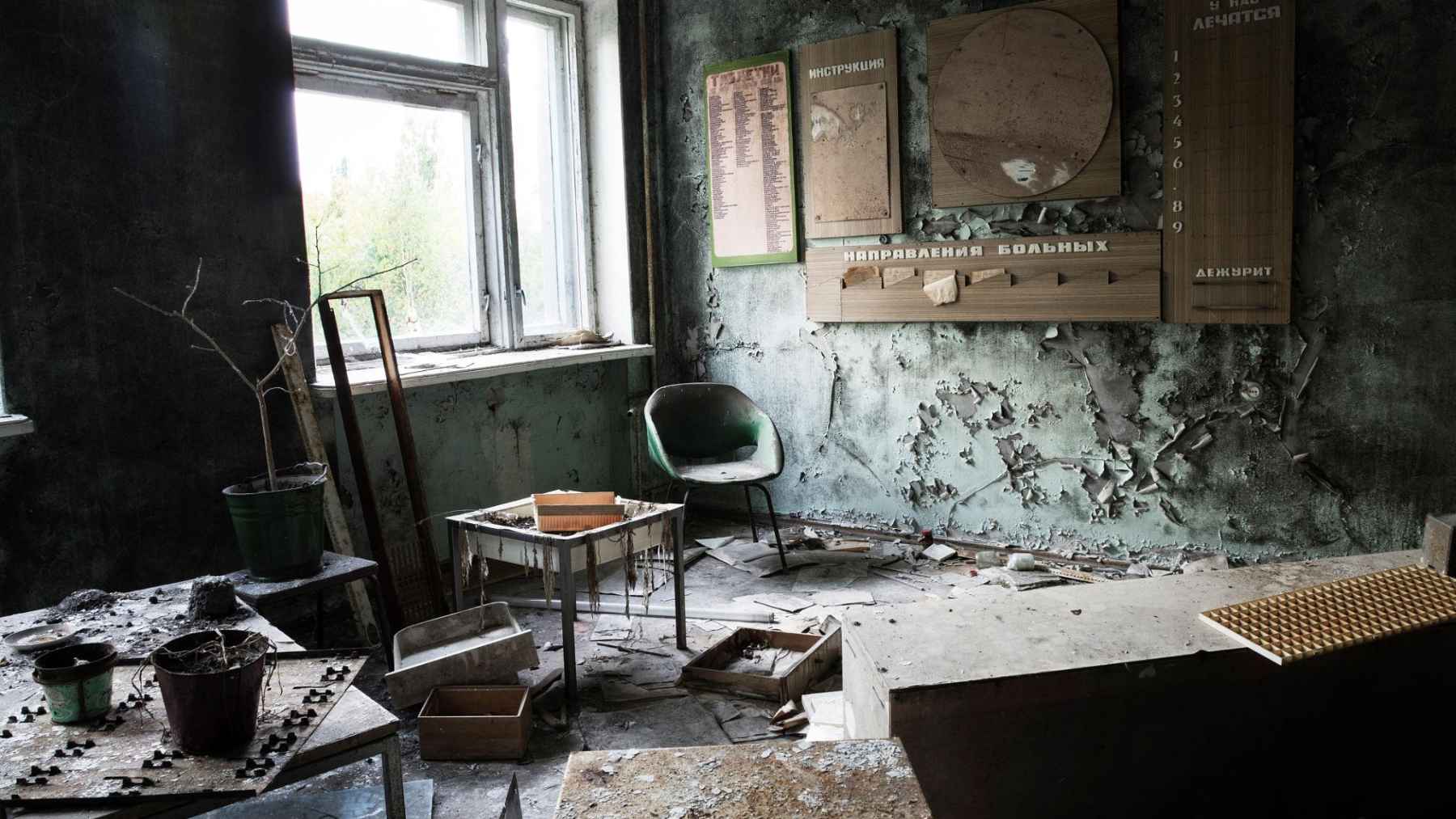
The exclusion zone has since become one of the strangest landscapes on Earth. Forests have grown over roads, animals move through abandoned villages, and yet the land is not simply “healed.” It is a reminder that nature can return while pollution remains.
That is the uncomfortable part. Chernobyl is not just a ghost town story for documentaries. It is a living environmental case study, one that asks how ecosystems, governments, and communities cope when damage lasts longer than political attention.
Why it matters now
Ukraine still depends heavily on nuclear energy, with 15 reactors generating about half of its electricity, according to the World Nuclear Association. On a normal day, that matters for factories, hospitals, heat, and the electric bill. In wartime, it becomes even more serious.
The IAEA’s timeline says Russian armed forces controlled the Chernobyl site from February 24 to March 31, 2022. The European Commission has also warned that Russia’s continued occupation of the Zaporizhzhia Nuclear Power Plant, Europe’s largest nuclear facility, increases risks to human life and environmental protection.
Nuclear safety is not just a technical manual. It is backup power, trained workers, independent inspections, honest communication, and enough political restraint to keep war away from reactors and fuel storage sites.
The lesson after forty years
Chernobyl’s legacy belongs first to the firefighters, plant workers, miners, doctors, evacuees, and cleanup crews who faced the danger directly. Many did so with incomplete information. Some paid with their lives.
However, the lesson also belongs to everyone living in a world that still relies on complex energy systems. Nuclear power can provide large amounts of low-carbon electricity, but it demands a safety culture that is stronger than secrecy, stronger than bureaucracy, and certainly stronger than war.
Forty years later, the old question is back on the table. When technology fails, who tells the truth fast enough for people to protect themselves? That answer still matters.
The official statement was published on IAEA’s website.