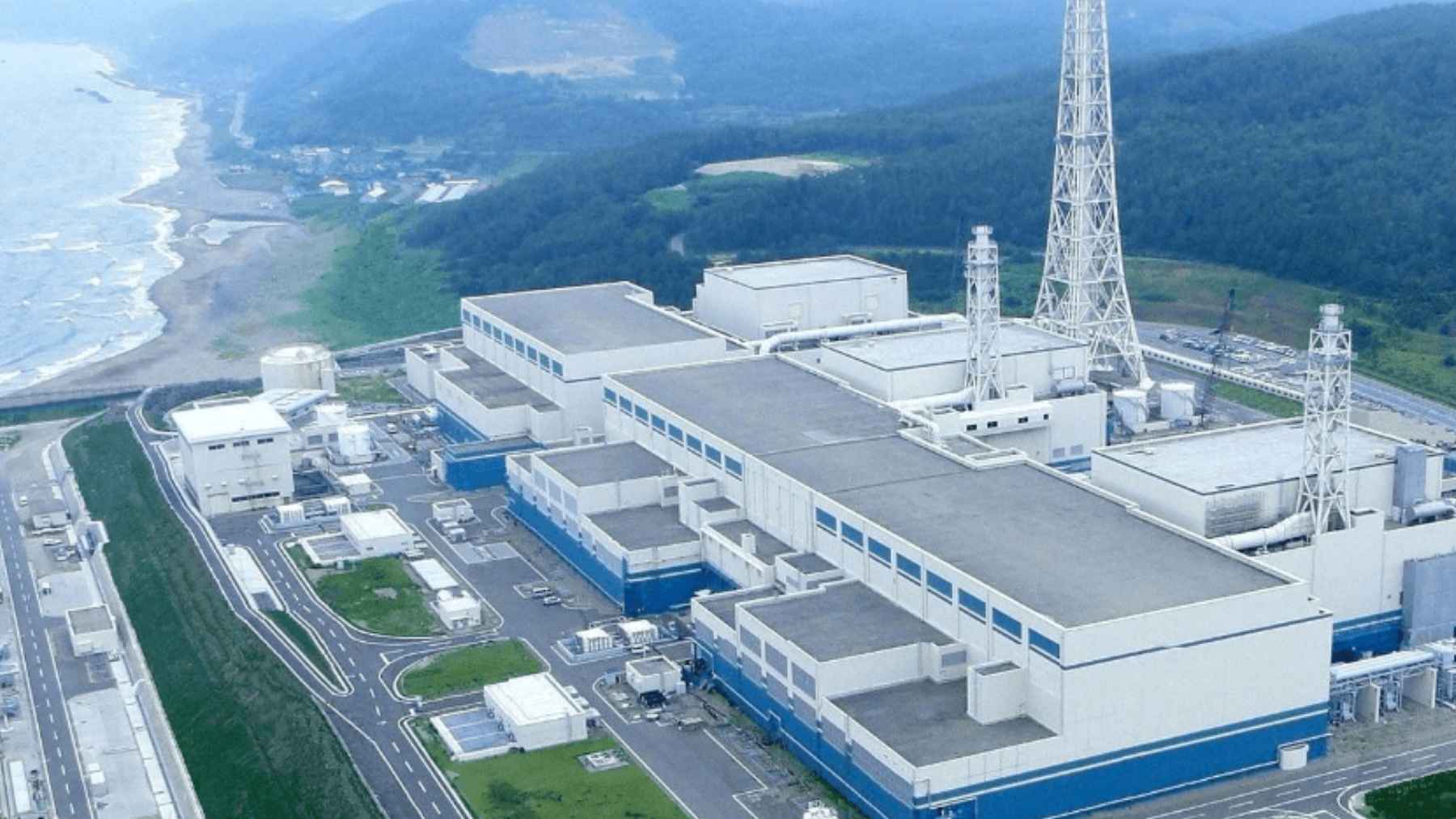
Japan is bringing Reactor No. 6 at the Kashiwazaki-Kariwa nuclear power station back into service after a January alarm forced operators to hit pause just hours into the first start-up attempt.
Speaking on February 6, 2026, plant superintendent Takeyuki Inagaki warned that “the probability of the same thing happening is low, but the possibility of small problems cannot be ruled out.”
It is a big step for a site that has been largely quiet for nearly 14 years, ever since the country tightened rules and shut down nuclear generation in the wake of the 2011 Fukushima accident. Is restarting a reactor really as simple as flipping a switch? The last few months suggest it is more like waking up a huge, complicated machine and checking every moving part as it warms up.
What the false alarm actually meant
The trouble began during a routine part of the start-up sequence, when workers were withdrawing control rods and an alarm sounded from a monitoring system. Control rods are neutron-absorbing devices that help manage the chain reaction inside a reactor, so operators treat any warning tied to them as a stop-and-check moment.
When investigators looked into the event, the focus was not on a broken reactor but on how the warning system was set up. A February 9, 2026, report said the alarm was triggered by a settings error and that investigators found no equipment abnormalities, even though there were rare, brief changes in electric current in one cable.
The plant is about 140 miles northwest of Tokyo, and the restart has faced local pushback alongside ongoing questions about earthquake risk.
That may sound like a small technical glitch, but it helps explain why these restarts move slowly. In the nuclear world, a “better safe than sorry” pause is not a sign of panic – it is part of the safety culture.
A plant built for massive output
Kashiwazaki-Kariwa is one of the world’s largest nuclear power stations because it is a seven-reactor complex designed to generate 8,212 megawatts in total. That figure is its installed capacity, basically the maximum output on paper when all units are running.
Reactor No. 6, the unit at the center of the restart, is an advanced boiling water reactor. In plain terms, that means it heats water inside the reactor to make steam, and that steam spins a turbine to make electricity.
Even one unit matters when it is this large, about 1,356 megawatts when running at full power. For a grid operator, power on that scale can reduce the need to burn fuel when demand rises, including during the sticky summer heat when air conditioners run nonstop.
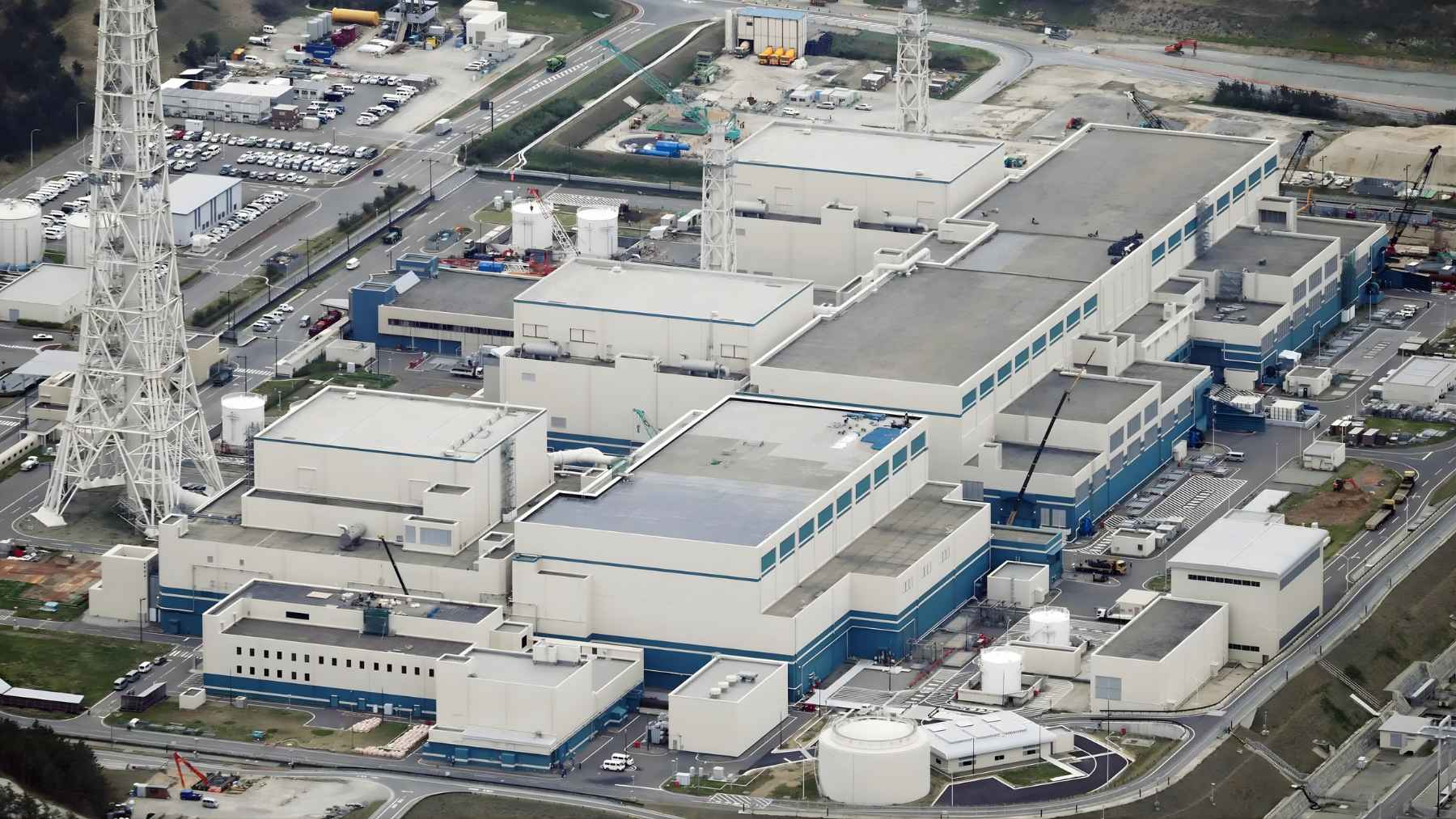
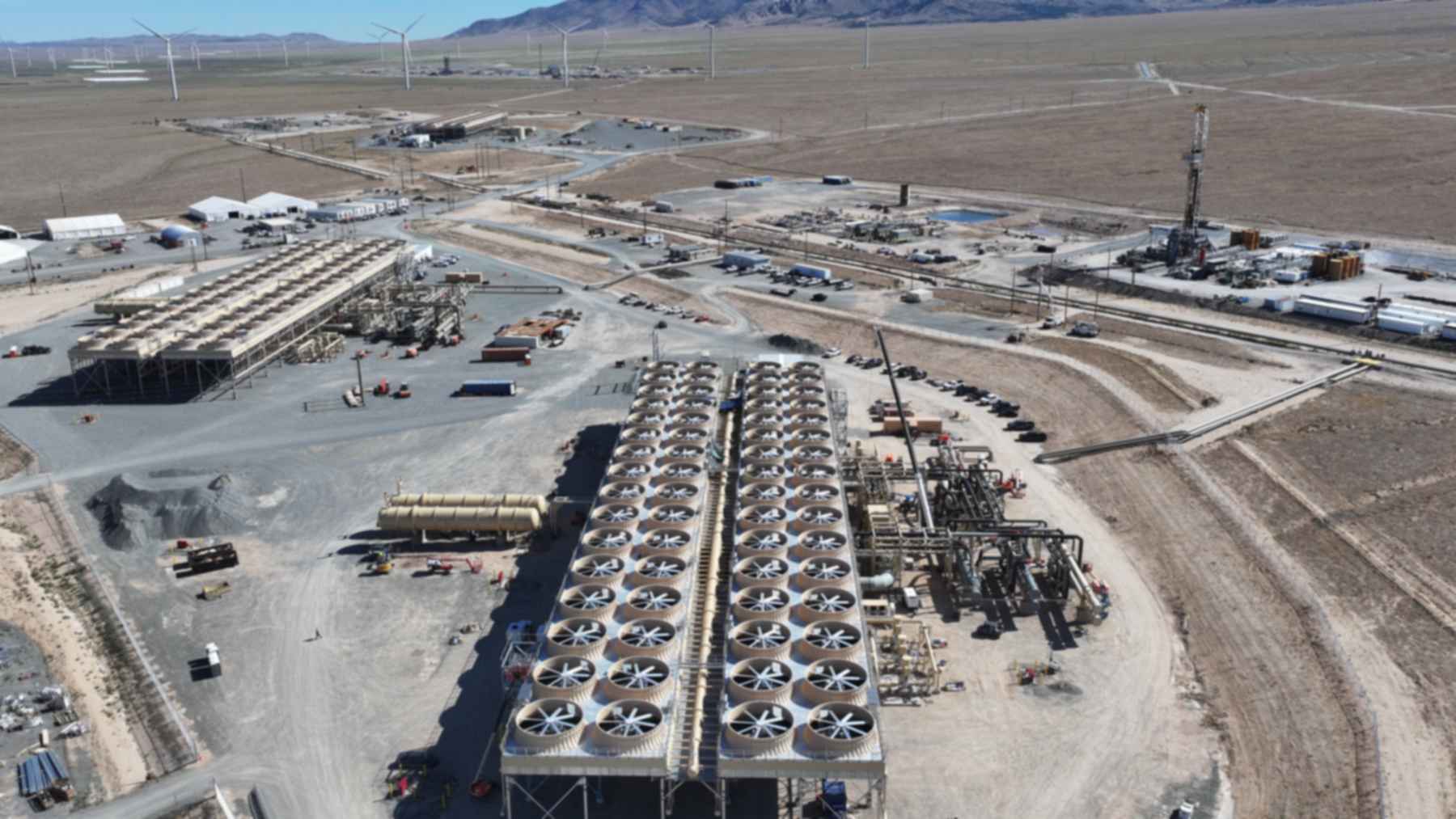
Aerial view of the Kashiwazaki-Kariwa nuclear plant as Japan brings one of its largest reactors back online after years of shutdown.
Japan’s energy math after 2011
On March 11, 2011, a massive earthquake and tsunami set off a crisis at the Fukushima Daiichi nuclear power plant, including core meltdowns that shook global confidence in nuclear safety. The disaster led Japan to pull back sharply on nuclear energy and rebuild its regulatory system with tougher requirements.
The power still had to come from somewhere, and for years that “somewhere” was mostly imported fossil fuels. A U.S. Energy Information Administration analysis notes that natural gas accounted for 33 percent of Japan’s electricity generation in 2024 and that bringing Kashiwazaki-Kariwa Unit 6 back can displace some of that gas use as output rises.
Japan’s policy signals have been shifting, too, especially as the country tries to cut carbon emissions while keeping prices stable. The Ministry of Economy, Trade and Industry’s Strategic Energy Plan approved in February 2025 points toward using nuclear power more actively as part of the energy transition.
Oversight and the trust problem
Restarting a reactor is not just a technical milestone, it is also a public test. Japan’s Nuclear Regulation Authority reviews key inspection steps, and the early phase of operation is typically treated as a controlled test that can be halted if readings look off.
Kashiwazaki-Kariwa’s road back has also been shaped by non-technical issues, including security concerns that stalled progress for years. In December 2023, Japan’s regulator lifted an operational ban that had prevented the site from moving toward restart, clearing one of the major hurdles before local approvals and start-up testing could proceed.
Still, trust is fragile, and every alarm, even a false one, lands in a country where evacuation planning and earthquake risk are never far from the conversation. That is why operators have emphasized that the January stoppage did not create a radioactive impact outside the plant.
The restart is still a process, not an endpoint
After the February restart, the plan was to raise pressure and power gradually, reconnect to generation, and complete more inspections before entering full commercial operation. A status update published on April 9, 2026, listed a target commercial start date of April 16, showing how schedules can change as checks continue.
There have been more bumps along the way. A March 13, 2026, Reuters report said the utility expected a delay in commercial operations after a minor electrical leak was detected on the generator side, even as it said the reactor itself was operating safely.
For now, Unit 6 is the headline, but the broader story is about how Japan manages a cautious nuclear return in real time. The restarts that matter most are the ones that stay boring.
The main official announcement was published by Tokyo Electric Power Company Holdings, Inc.