Have you ever stepped outside on a warm June night hoping for a sky full of streaks, only to see almost nothing? That is the strange promise of the June Bootids, an annual meteor shower known less for reliability and more for surprise.
The American Meteor Society says the 2026 shower is active from June 11 to July 2, with maximum activity around June 20 to 21, and very low expected rates. However, Royal Observatory Greenwich describes the broader late-June watch window as around June 22 to 27, which means skywatchers still have reason to keep looking up through the end of the month.
A quiet shower with a wild streak
Most years, the June Bootids barely make themselves known. They can produce just one or two visible meteors per hour, and sometimes even that feels generous when city lights, haze, or a bright porch lamp get in the way.
Yet quiet does not mean boring. In 1998, the shower suddenly delivered up to 100 meteors per hour over seven hours, and in 2004 it produced roughly 20 to 50 per hour. Then came 2010, when observers expected another burst, only to see fewer than 10 meteors per hour.
That uneven history is exactly why astronomers still pay attention. The American Meteor Society lists the June Bootids among variable meteor showers, the kind that can produce strong activity on rare occasions but usually leave only scattered traces. The trouble is, with the June Bootids, the sky has surprised everyone before.
The comet behind the show
The shower begins with comet 7P/Pons-Winnecke. As this icy object loops around the Sun every six or so years, it leaves behind a dusty trail of small fragments and rocky crumbs.
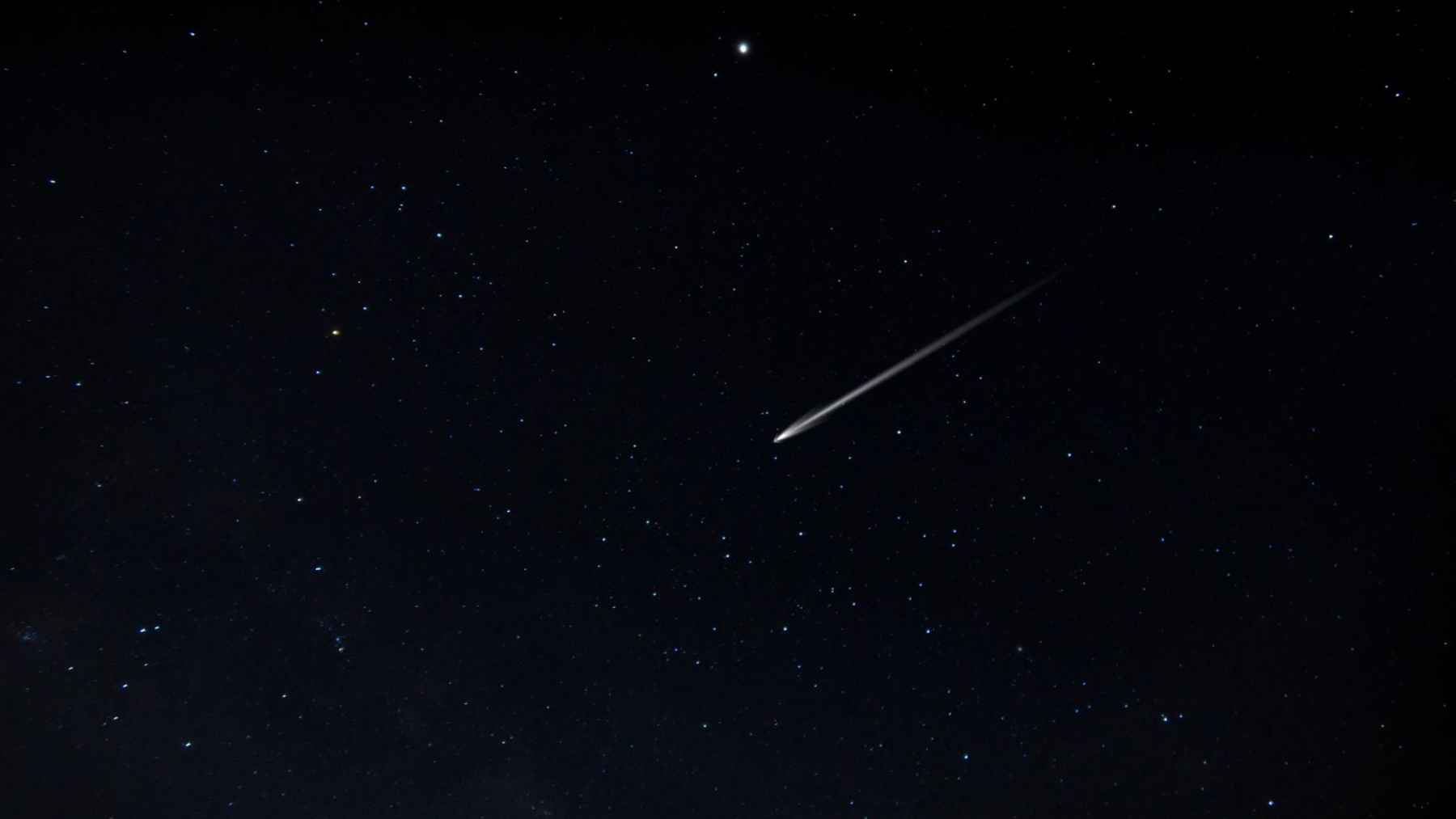
When Earth crosses that trail, the bits of comet debris hit our atmosphere and burn up, creating the brief flashes we call meteors or shooting stars. The American Meteor Society lists the June Bootids as slow meteors, with an entry speed of about 31,000 mph.
That may sound incredibly fast, and it is. Still, compared with many meteor showers, these meteors move at a more leisurely pace across the sky, which can make their streaks easier to follow when conditions are good.
Where to look
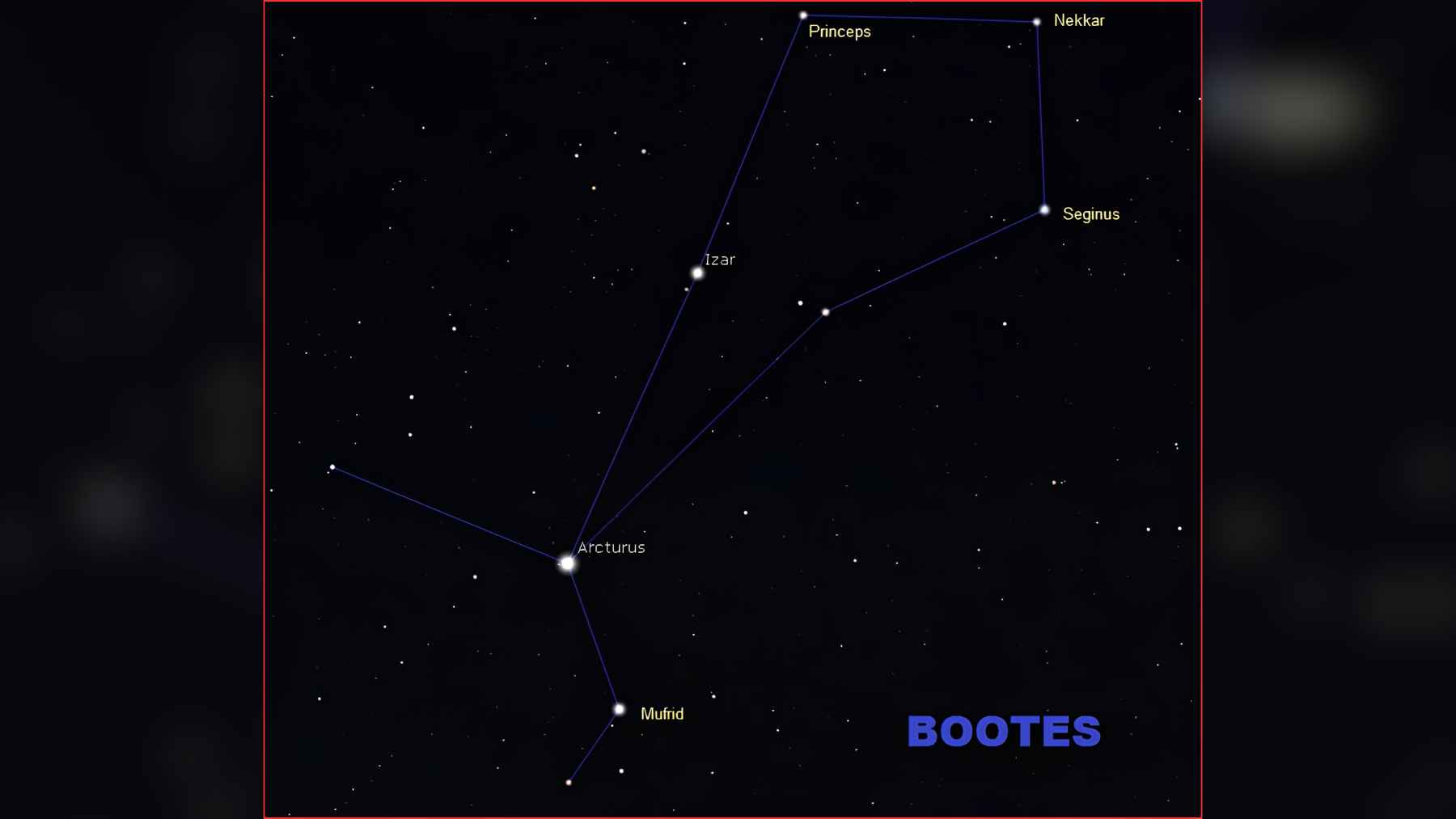
The radiant of the June Bootids sits in the constellation Boötes, a star pattern that climbs high in the western and southwestern skies for many Northern Hemisphere observers. The American Meteor Society places the radiant in northwestern Boötes, near the star Nekkar, and says it is best placed in the evening as the sky becomes dark.
Still, do not stare directly at the radiant. Meteors appear to shoot outward from that area, so the better move is to lean back, relax your eyes, and watch a wide stretch of sky.
A dark location helps more than almost anything else. Give your eyes at least 20 minutes to adjust, put the phone away, and avoid looking toward streetlights or house lights. Simple advice, but it matters.
Why forecasts are so tricky
Meteor showers are not like turning on a faucet. They depend on where Earth crosses a debris stream, how thick that stream is, and whether older clumps of comet dust are waiting in just the right place.
With the June Bootids, those clumps seem to be patchy. Some years, Earth passes through a thin and scattered trail, and observers see almost nothing. Every once in a while, it hits a richer pocket.
That is why this shower has earned a reputation for being unpredictable. Forecasting has improved a lot, but the Bootids are a reminder that the night sky does not always follow a tidy calendar. That is part of the fun.
What you might see
Effectively, most readers should expect a quiet night. An hour outdoors may bring only one or two Bootids, or none at all, especially if you are watching from a neighborhood filled with traffic glare and backyard lights.
On the other hand, a surprise burst would change the mood fast. A slow meteor cutting across the summer sky can make even a short watch feel worthwhile. You do not need a telescope for that.
Bring a reclining chair or blanket, dress for the weather, and look for open sky away from trees and buildings. If you are watching with kids, make it a patient sky session rather than a guaranteed fireworks show. Sometimes the waiting is the point.
A small shower with real value
Even modest showers matter to science. Careful counts from observers help astronomers understand how comet debris spreads, fades, and sometimes gathers into streams dense enough to create outbursts.
For the rest of us, the June Bootids are a simple reminder that astronomy does not always require expensive gear. It can be as easy as stepping outside after dinner, letting the sticky summer air settle around you, and giving the sky a little time.
The official observing outlook was published on the American Meteor Society’s website.