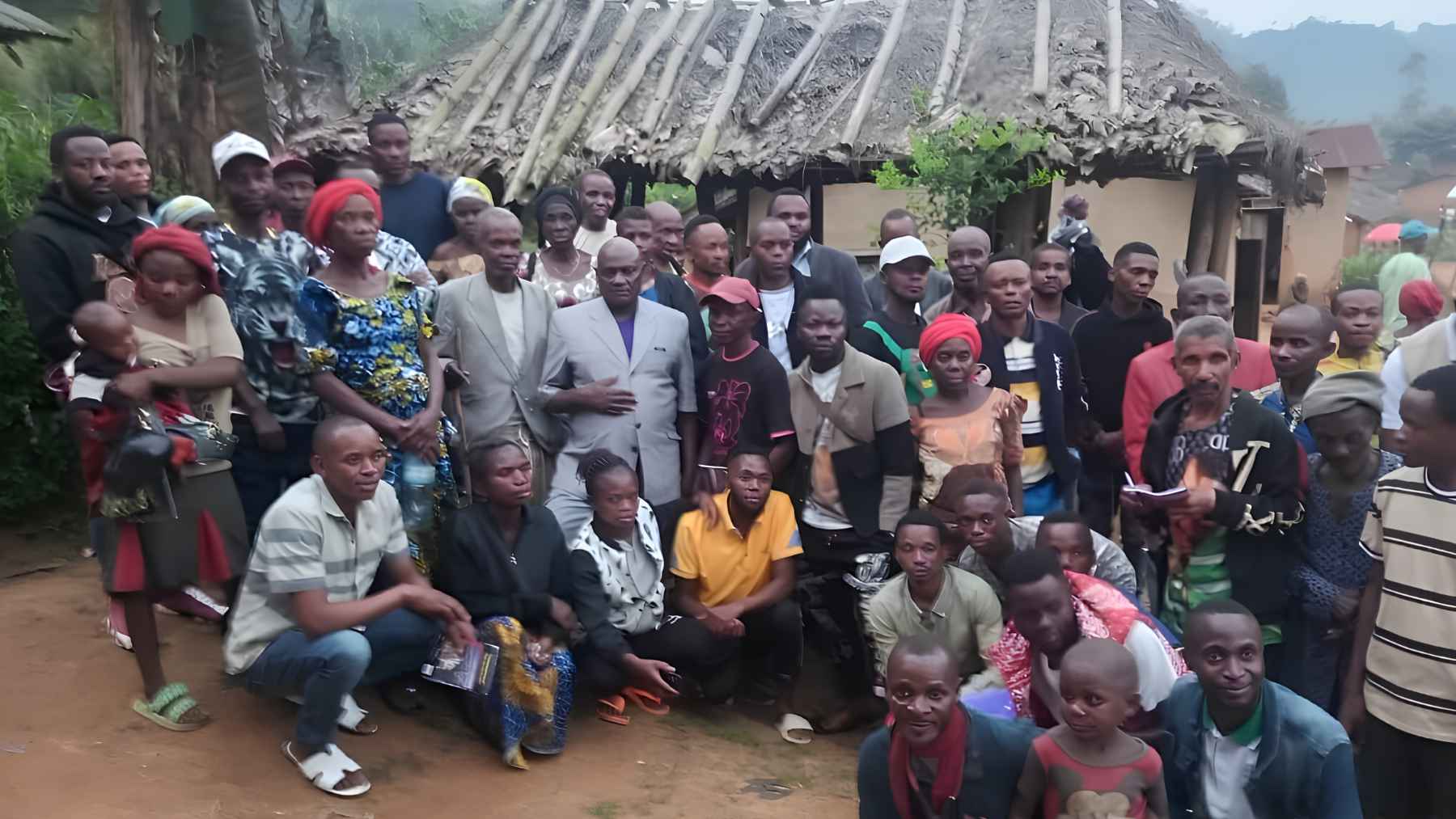
In eastern Democratic Republic of Congo, a conservation story that began with displacement is now turning into something very different. Families whose ancestors were forced away from forest lands during the creation of Maiko National Park in the 1970s are helping protect a community forest where satellite data show a sharp drop in forest loss.
The Bamasobha Local Community Forest Concession covers about 71,700 acres and is led locally by Gangala Yafali Mangusa Jr., a descendant of one of those displaced families.
In just one year, reported forest loss inside the concession fell from about 2,320 acres in 2024 to about 296 acres in 2025, a drop of roughly 87 percent, according to Global Forest Watch data cited in recent reporting by journalist Jérémie Kyaswekera.
A forest with a painful history
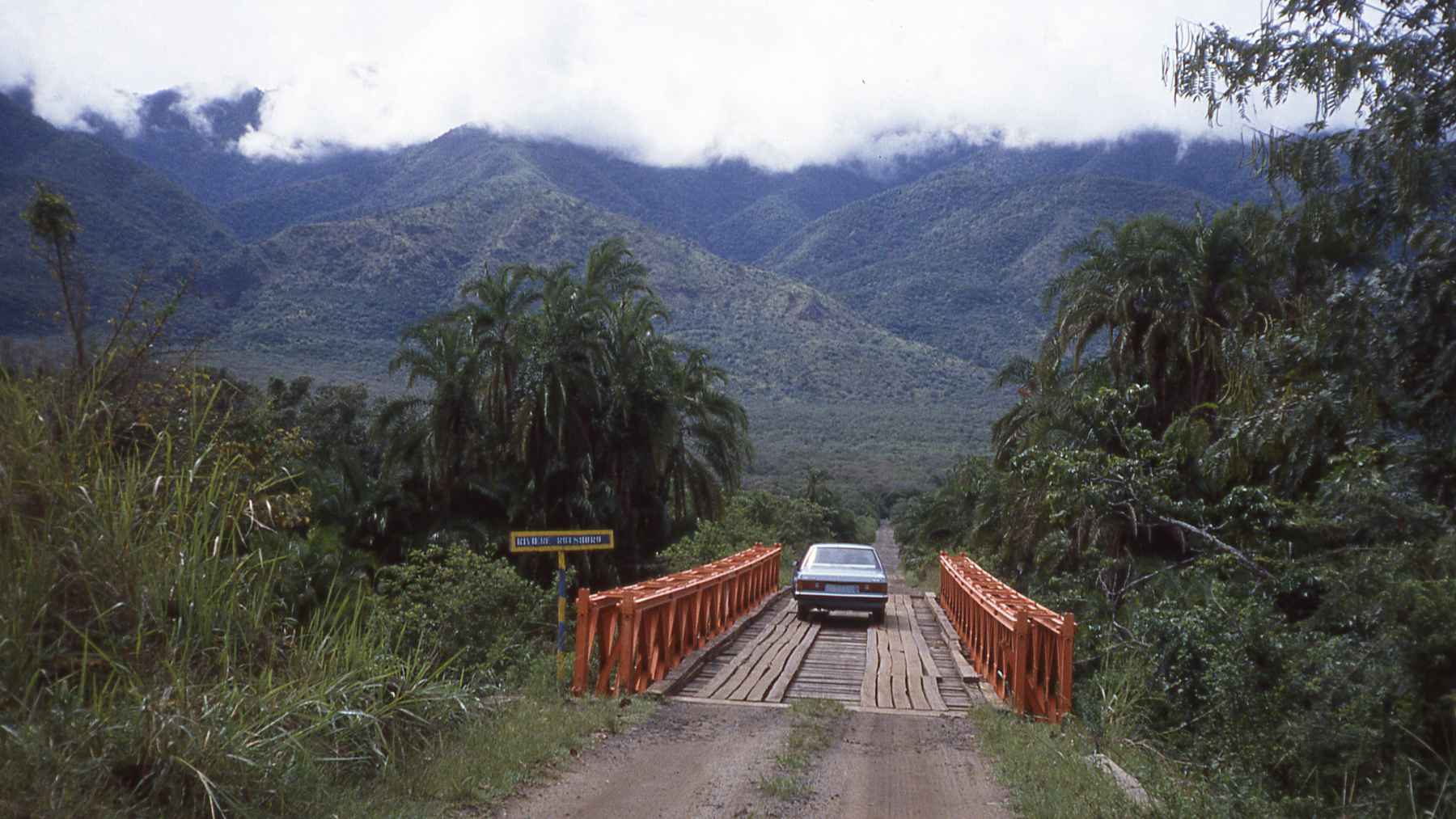
Maiko National Park is one of the most remote protected forests in the country. It was created in 1970 and is known for rare wildlife, including Grauer’s gorillas, okapis, Congo peafowl, forest elephants, and chimpanzees.
For local communities, though, the park also carries a harder memory. Mangusa said park rangers once began “forbidding people from entering the forest and eating meat,” even though Indigenous families had long depended on hunting and fruit gathering to survive.
That history matters because conservation is not just about drawing a line on a map. For many families, the forest was where food, medicine, building materials, and identity all came together. What happens when that link is cut?
What community conservation means
The concession model gives local people a formal role in managing forest land. In simple terms, a local community forest concession is an area where communities can legally help decide how forests are used, protected, and restored.
In the Democratic Republic of Congo, communities can receive long-term rights over forest areas of up to about 123,500 acres through this system, according to the Food and Agriculture Organization of the United Nations.
The same source says the country has more than 338 million acres of forest, covering 58 percent of its land surface.
In Bamasobha, the change began after local communities worked with the Peasants’ Association for the Rehabilitation and Protection of Pygmies, known as PREPPYG. By 2023, the communities had created a management plan that separates the forest into areas for production, conservation, development, protection, and regeneration.
Patrols make the change visible
The local patrols are not glamorous. They mean walking forest paths, checking for illegal hunting, watching for timber cutting, and reporting mining activity that could damage streams and wildlife habitat.
But those basic steps appear to be making a difference. Claude Muhindo Sengenya, a community facilitator with PREPPYG, said surveillance in conservation and protection zones may have reduced large-scale logging and helped some animal populations recover.
The numbers give the story weight. A fall from 2,320 acres of forest loss to 296 acres is not just a neat statistic. It suggests that when communities have a stake in the land, forest protection can become part of everyday life rather than an order from outside.
Why Maiko matters
Maiko is not an ordinary forest. Key Biodiversity Areas, a global conservation database, lists the park as a confirmed global site and says it remains poorly studied, even though it shelters several threatened mammals.
The park is also under pressure from hunting, armed groups, shifting agriculture, artisanal mining, and illegal fishing. Those are not abstract threats. They show up as snares in the forest, cleared patches of land, noisy mining sites, and fewer animals where there used to be movement.
That is why the Bamasobha effort is being watched with interest. It does not erase the past, but it gives communities a practical way to protect wildlife while still recognizing that people need land, food, income, and dignity.
A wider shift in Congo
The same idea is spreading beyond Bamasobha. Rainforest Foundation UK reported in November 2025 that more than 227 local community forest concessions had been established across the country, covering about 11.1 million acres.
Strong Roots Congo is also working with communities between Kahuzi-Biega National Park and Itombwe Nature Reserve, where its projects aim to connect habitat and support local stewardship. The organization says it has helped secure 23 community forests and protect about 2.5 million acres of land.
In practical terms, that means conservation is slowly becoming less of a locked gate and more of a shared job. Local people are not just being asked to stay away from protected nature. In some places, they are being asked to help keep it alive.
Challenges still remain
No one is claiming the model solves everything. Armed insecurity in eastern Congo continues to displace families, and outsiders still sometimes enter conservation zones to hunt animals, according to sources cited in the reporting.
Road access can also bring new risks. A road through a forest may help people move crops or reach markets, but it can also make logging easier if rules are weak or patrols stop. That’s the tricky part.
Still, forest governance analyst Olivier Ndoole Bahemuke sees community forest concessions as a vital option for Indigenous communities that lost access to forest resources after protected areas were created. He described the model as “an extension of the wildlife protection practices of their ancestors.”
A different kind of conservation
For decades, conservation in parts of Central Africa often followed a top-down model. The forest was protected, but the people who knew it best were pushed to the edge or treated as a problem.
Bamasobha points in another direction. The community is not rejecting conservation. It is trying to reshape it so wildlife protection and human survival can fit into the same landscape.
At the end of the day, that may be the lesson. Forests are easier to defend when the people living near them are not treated as outsiders to their own history.
The main report has been published by Mongabay.