Electric mobility has just been put on the back burner with the new options we’ve been learning about these past few weeks. Remember plasma for the cars of the future? However, now we have an even more curious proposal with this new engine that runs on strange fuels. One of them is ammonia, but you won’t believe what the other two are.
Could this one be the first strange-fuels engine? Even the name is impossible
Alternative fuels for engines have become a popular topic now that governments and companies have agreed that the decline of dependence on the fossil fuels should take place in the most efficient way possible. Ammonia, one of the unconventional fuels, is becoming the focus of many people.
Tasked to be zero carbon emitting, ammonia is a green fuels – made from nitrogen and hydrogen molecules, which can power engines and turbines. Unlike fuels totally depend on carbon as the only feedstock, when ammonia is burned, it will not create carbon dioxide.
Current companies such as WingD are now working on and testing the ammonia-powered engines. WingD, a Dutch-based automation scaleup has just concluded the successful lab tests of a new engine design that is initially designed to burn ammonia fuel.
Ammonia is the fuel for engines that carries both opportunities and challenges. The knowledge and ammonia-engines development help increase ammonia’s status among other options currently tossed about to lower the world’s reliance on fossil fuels.
This engine is not electric or hydrogen: attention to the fuel it uses
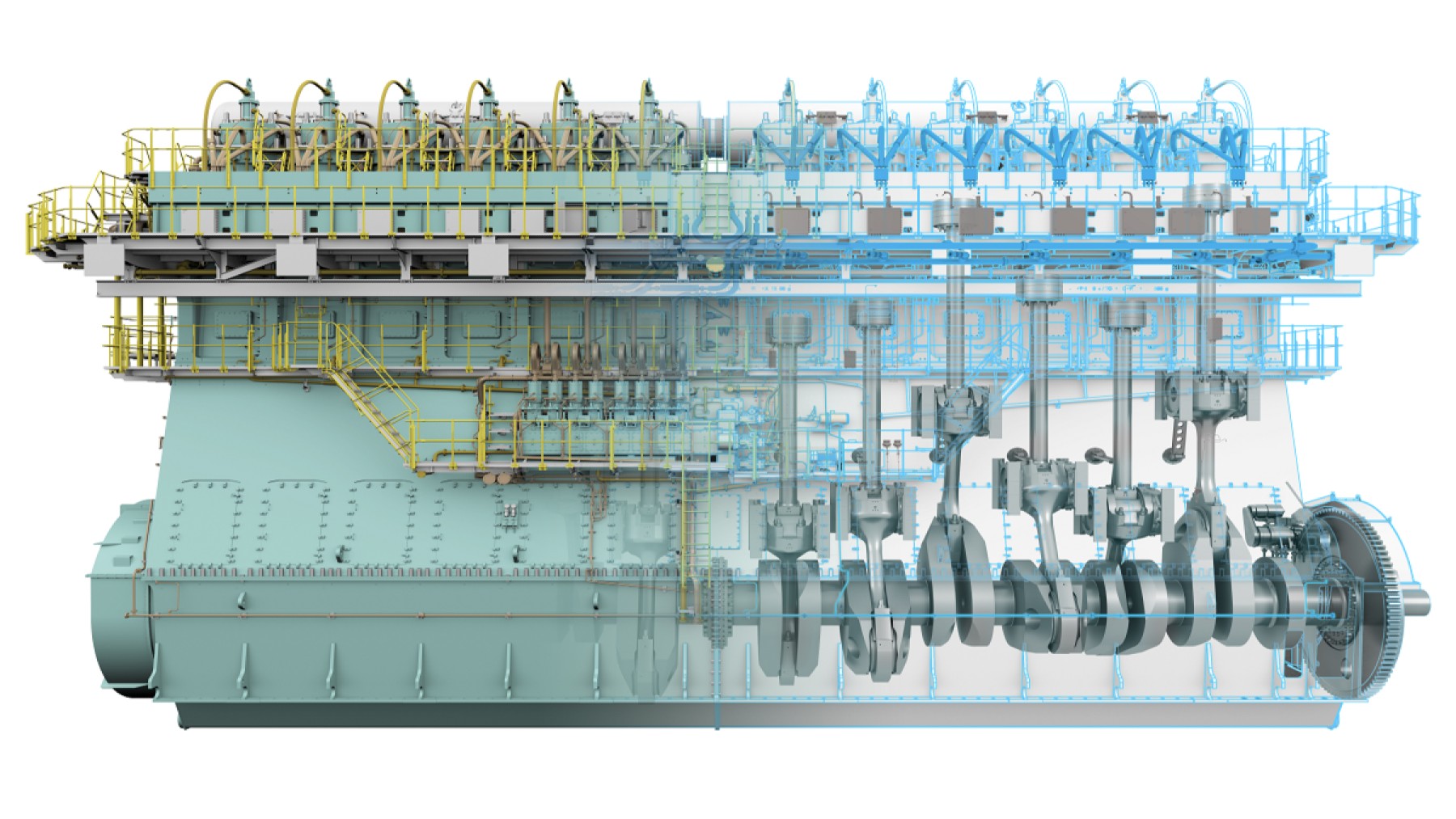
WingD, a pioneering marine tech company, has introduced an innovative short-stroke two-stroke engine type powered with alternative ammonia fuels. Introducing this inventive machine would generate a more environmentally friendly and efficient energy source for the shipping industry.
WingD has just finished the successful tests of the engine at its plant in Bergen, Norway. The two engine types were tested separately to demonstrate their unique technical features such as the ability to run in dual-fueling with propane assisted ignition.
The L-stroke engine’s piston speed is slower than that of conventional spark ignition engines improving the combustion cycle at ammonia conditions. The fuel burns out completely, which means that there are no knocks and misfires while the output remains the same.
The mission of the WingD team is to reach optimum energy efficiency, develop a cleaner environment, and provide the users with versatile fuel options. By retrofitting the engine hardware to comply with the properties of ammonia, WingD has developed an engine that is strong and reliable for the energy transition in shipping.
An engine to revolutionize sustainable mobility: beyond zero emissions
WingD has shown very good advancements in works dealing with ammonia-fueled engines, improving their test and deployment techniques. In 2021, the project demonstrated successful results of an ammonia burning engine at their factory. This small-stroke engine was totally powered by 100% ammonia fuel without any modification.
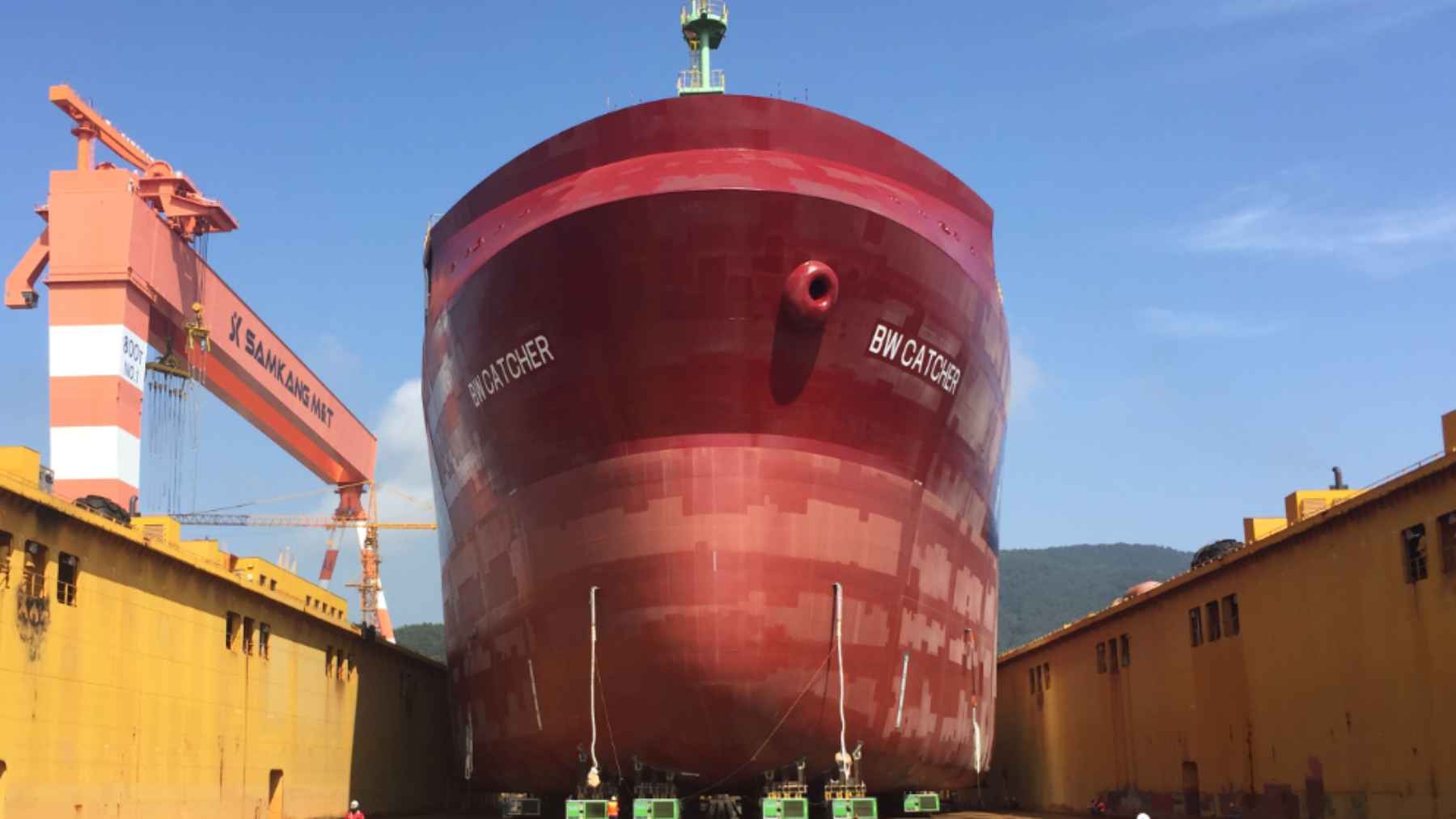
Subsequently, blowing glowing reports, WingD obtained its first ammonia-fuel engine order from Eastern Pacific Shipping. The engines specially designed for two new methanol carriers which are owned by Eastern Pacific will allow these units to operate smoothly.
Despite the small scale of other options, ammonia is clearly distinguished by its prospects to operate at scale and the legacy that can sustain the existing infrastructure in the case of fuels such as hydrogen. However, it also means the need to continue studies on any sustainable fuels.
An ammonia, electricity and hydrogen engine like this one shows that not everything will be hybrids, and that fossil fuels will be far behind. The challenge now is to increase efficiency while reducing the deterioration of the engine’s moving parts, which in this case are considerably less. Do