Solar panel recycling in the United States runs about $15 to $45 per module, according to an estimate from the National Renewable Energy Laboratory (NREL), while dropping that same glass-fronted slab at a regular landfill can cost less than $1. That gap goes a long way toward explaining another NREL figure: fewer than 10 percent of American panels were being sent to recyclers.
Those numbers come from a December 2021 presentation by Taylor Curtis, a regulatory and policy analyst at the lab, and they line up with what the lab’s researchers wrote in a March 2021 report. Recycling equipment in the U.S. isn’t built to pull out the valuable stuff cheaply, the authors found. “As a result, the cost of recycling is often outweighed by cheaper more accessible disposal options.”
The Department of Energy’s solar office says much the same thing today: recycling in the U.S. still generally costs more than landfilling. Even a hazardous waste landfill, at $175 per ton, works out to less than $5 a panel, per the NREL slides.
What happens to old solar panels, and when
For now, not that many of them are coming down. A Berkeley Lab survey of industry professionals cited by the DOE found the average working life of a panel stretched from around 20 years in 2007 to 25 to 35 years in 2025. And roughly 70 percent of solar systems have gone up since 2019, the DOE said, citing the International Energy Agency. Hundreds of millions of panels are still on roofs and racks across the country.
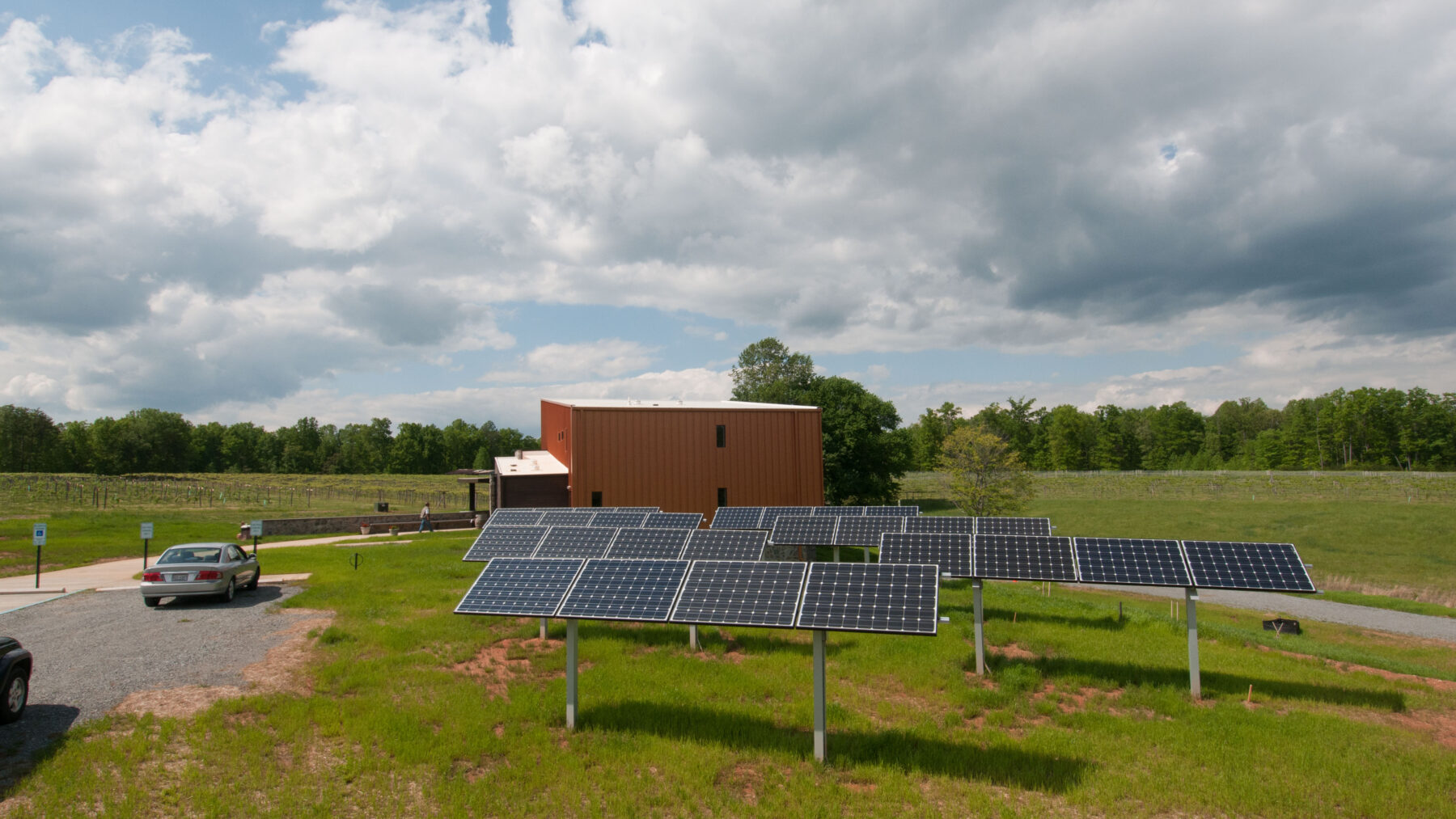
That’s going to change. The Environmental Protection Agency expects the U.S. could have as much as 1 million tons of solar panel waste by 2030 and up to 10 million tons by 2050, which would give the country the second-largest pile of retired panels in the world. Those projections trace back to a 2016 report from the International Renewable Energy Agency (IRENA). The DOE puts the 2030 range lower, at 0.17 to 1 million tons.
For scale, Americans threw out 292.4 million tons of municipal trash in 2018, the EPA said. The 2030 high estimate would be about 0.34 percent of one year of that. The 2050 one is closer to 3.4 percent. IRENA expects the worldwide total, 78 million metric tons by 2050, to be mostly glass.
Weather damage and botched installations may push panels into the waste stream sooner, according to the DOE. Some owners also swap out working panels early for newer ones, a practice the industry calls repowering.
What’s inside, and what gets recovered
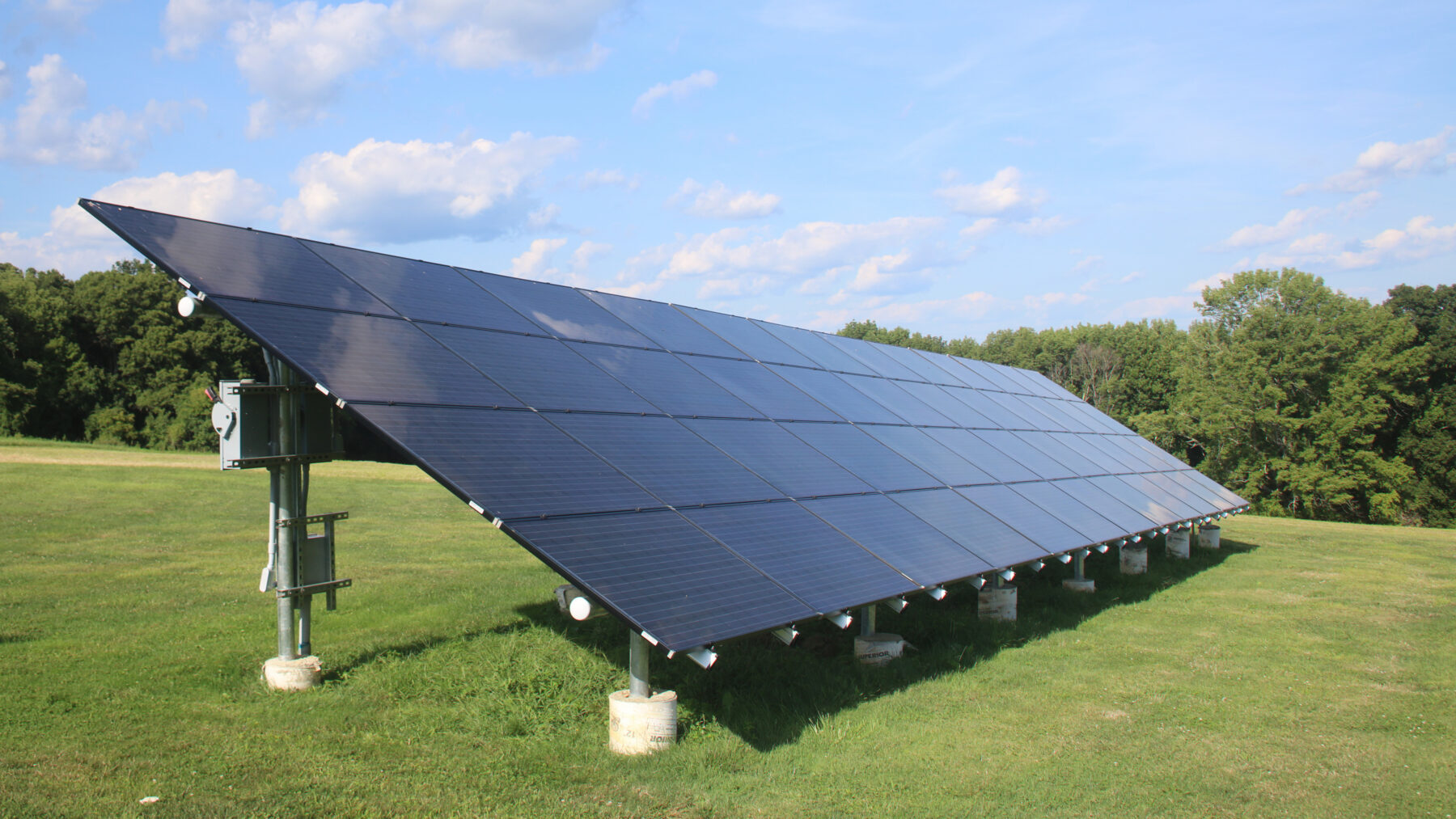
Crystalline silicon panels make up more than 95 percent of the ones sold, according to the EPA. Each is basically a sandwich: a front sheet of glass, a polymer encapsulant, the cells and a backsheet, usually inside an aluminum frame. Small amounts of silver and copper sit in there too. Thin-film panels made with cadmium telluride (CdTe) are sealed between two sheets of glass.
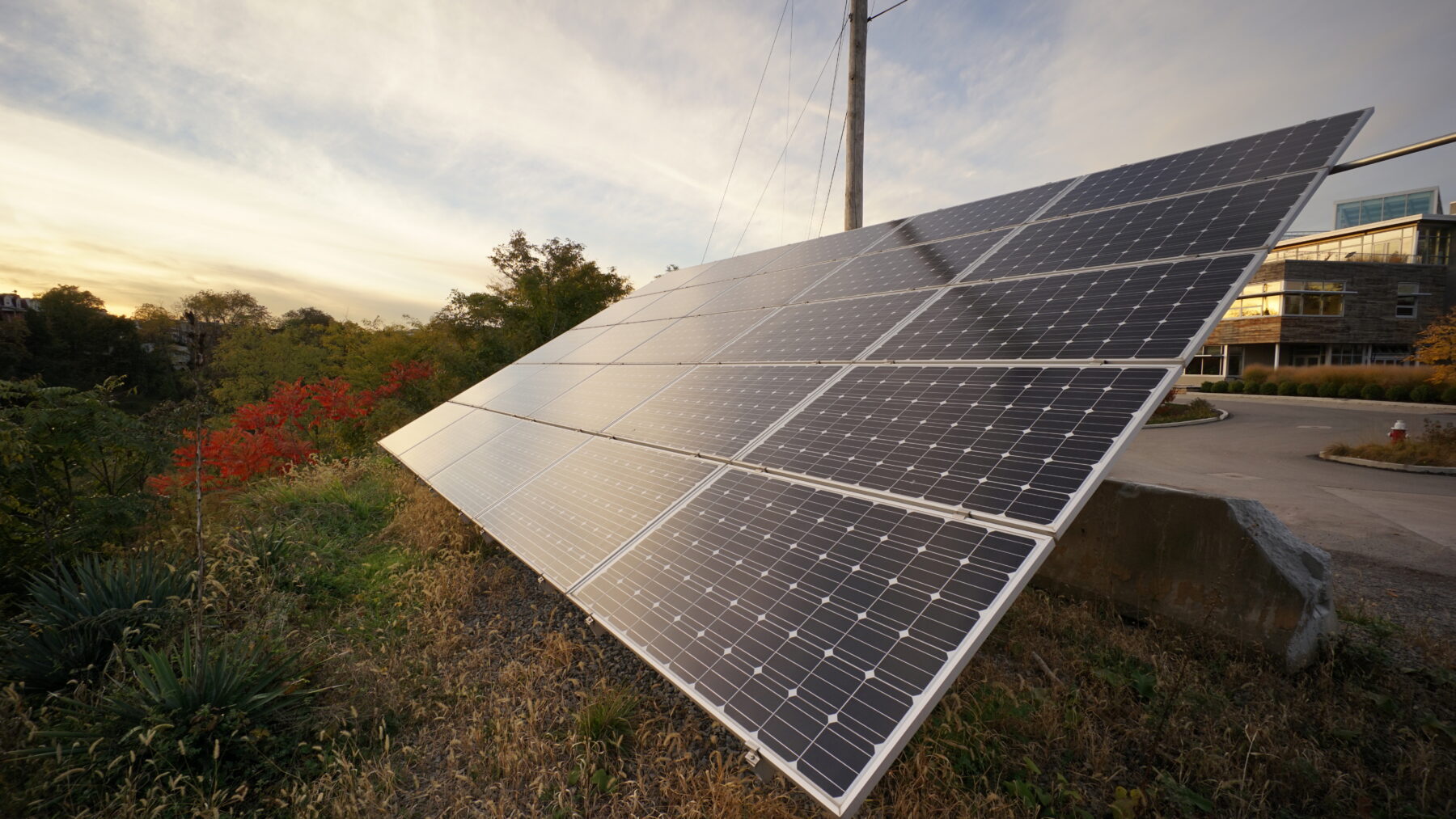
Some of the metals are a problem. Lead and cadmium can leach out at levels that fail the EPA’s toxicity characteristic leaching procedure (TCLP), a test that simulates what happens to waste in a landfill. “Some solar panels are considered hazardous waste, and some are not, even within the same model and manufacturer,” the agency said.
Working panels aren’t the issue, however. “They have a strong encapsulant that prevents leaching,” the EPA said in its guidance.
Recycling can pull out silicon, indium, silver, tellurium and copper, the NREL team wrote. Most outfits don’t go that far. According to panel maker First Solar, “most PV recycling processes focus only on recovering high-mass fraction materials such as glass and frames.” The company has run its own recycling program since 2005 and operates plants in Ohio, Alabama and Louisiana. The company says it recovers more than 90 percent of module materials. Owners still pay to take the panels down, pack them and ship them there.
SOLARCYCLE, another U.S. recycler, says its patented process can return more than 95 percent of a panel’s valuable materials to the solar supply chain. The Solar Energy Industries Association has also set up a national network of recyclers, NREL said. The squeeze looks a lot like the one with old wind turbine blades: taking the thing apart is the easy part, and making the recovered material pay is the hard one.
Which states regulate solar panel recycling
“We found no federal statutes or regulations that expressly speak to recycling-based recovery of PV modules in the United States,” the NREL authors wrote in 2021. On October 23, 2023, the EPA announced it was drafting a rule to add solar panels to its universal waste regulations, a lighter set of hazardous waste rules, partly in response to a petition from industry groups.
California didn’t wait. A state rule that took effect in January 2021 lets end-of-life panels be handled as universal waste, with looser handling, transport and storage requirements, according to NREL. New Jersey and North Carolina passed laws in 2019 to study their options.
Washington went furthest. Senate Bill 5939, passed in 2017, requires manufacturers to pay for takeback and recycling of panels bought after July 1, 2017, at no cost to the owner. It hasn’t kicked in. “Rather than complying with the law that created the takeback program, some manufacturers have chosen to not sell solar panels in Washington,” the state’s Department of Ecology said. Lawmakers pushed the deadline from July 1, 2025, to January 31, 2031.
If you’ve got panels on your roof, the EPA’s advice is to call your installer or your state or local environmental agency. In Washington, an advisory committee is expected to start work in November 2027, and Ecology is due to send lawmakers its recommended fixes by December 1, 2028.