Nikon has stripped first place from the winner of its 2026 Small World in Motion contest. The video carried a caption about abnormal airway cilia in a child with a rare lung disorder. In a statement posted on October 9, Nikon said it “did not comply with the competition rules regarding generative AI.”
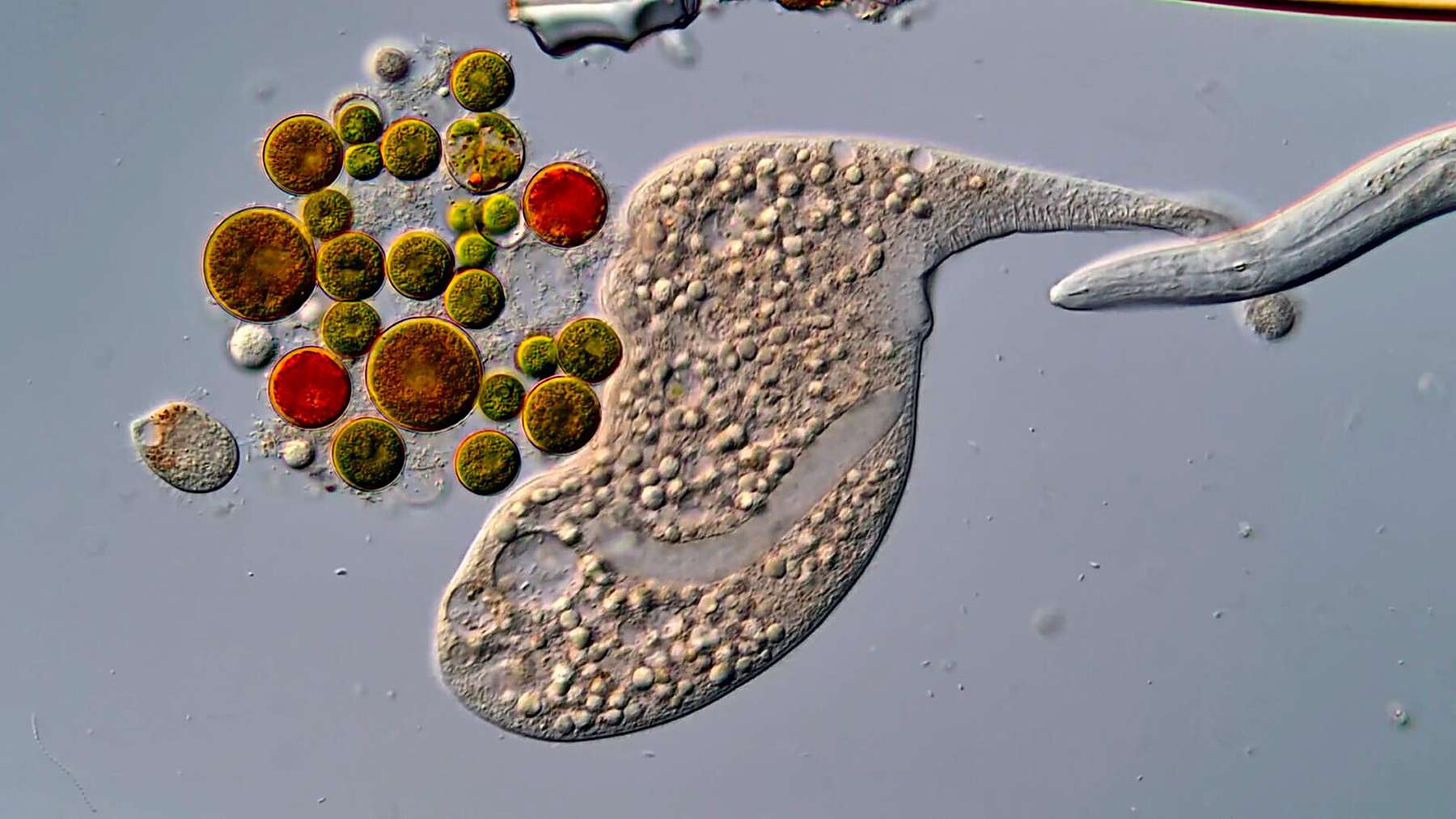
Nguyen Nam Nhat of Chu Se, Vietnam, now holds the top prize. The new winning entry shows a tiny roundworm and a single-celled Dileptus. Specialists had been questioning the original winner in public for about three weeks.
A caption that drew specialists
Cilia are microscopic, finger-like projections on cell surfaces. In the airways they help clear fluid and particles. When they fail, as in primary ciliary dyskinesia, mucus and bacteria can build up.
The National Library of Medicine says the disorder affects as many as 1 in 7,500 people worldwide. An open letter dated October 6 says the clip began spreading widely on September 16. Microscopists and cilia experts challenged it within two days.
On anatomy, the critics were blunt. “Airway epithelial cells are columnar,” the letter says, meaning narrow at the base and broad at the top. The cells in the video, it argues, do not look like that.
Former judges of the contest were among those left unsure what they were seeing. It could have been patient tissue, lab-grown cells, or one cell copied across the frame, the signers wrote. The letter adds that no scale bar, which shows how big things are, was posted until people voiced concern, and it carries an update dated September 24.
Grayscale footage and rendered regions
According to the letter, the submitter had publicly said the regions beneath the cilia were “rendered,” mainly to improve how the video looked. The signers say the submitter named a grayscale sequence, recorded before an AI-augmented rendering step, as the right reference for the cilia’s motion. They asked Nikon to release that earlier sequence, along with its frame rate, playback rate, and duration.
Motion is what doctors need to see here. They diagnose the disorder partly by watching how cilia move, and structure can look normal when movement is not. That is why the signers wanted to compare the unprocessed recording.
Nikon had said it was re-reviewing the entry, and that the submitter was cooperating and had supplied technical documentation, the letter notes. The signers pushed back, writing that “a review conducted out of sight does not repair a public record.”
A rule already banned AI video
Contest rules for the video category were explicit before any of this began. They state: “AI generated videos are not permitted and Sponsor holds the right to request the original video for verification.” Videos also cannot run past 60 seconds or include sound.
The letter draws its own line between transforming what a microscope recorded and generating what it did not. Nikon’s May announcement said its four-member panel would judge both contests in San Diego from June 2 to June 4. The published rules describe no AI check beyond asking for the original file.
Nikon’s ruling never names the entrant and treats the case as a matter of eligibility alone. “It should not be interpreted as a judgment of the entrant’s professional reputation, scientific contributions, or intent,” the company wrote.
A roundworm moves up to first
Nguyen Nam Nhat’s clip was shot through a 40X objective lens. The technique, differential interference contrast, adds relief to transparent specimens. Other researchers have used live imaging to look inside living Antarctic fish cells.
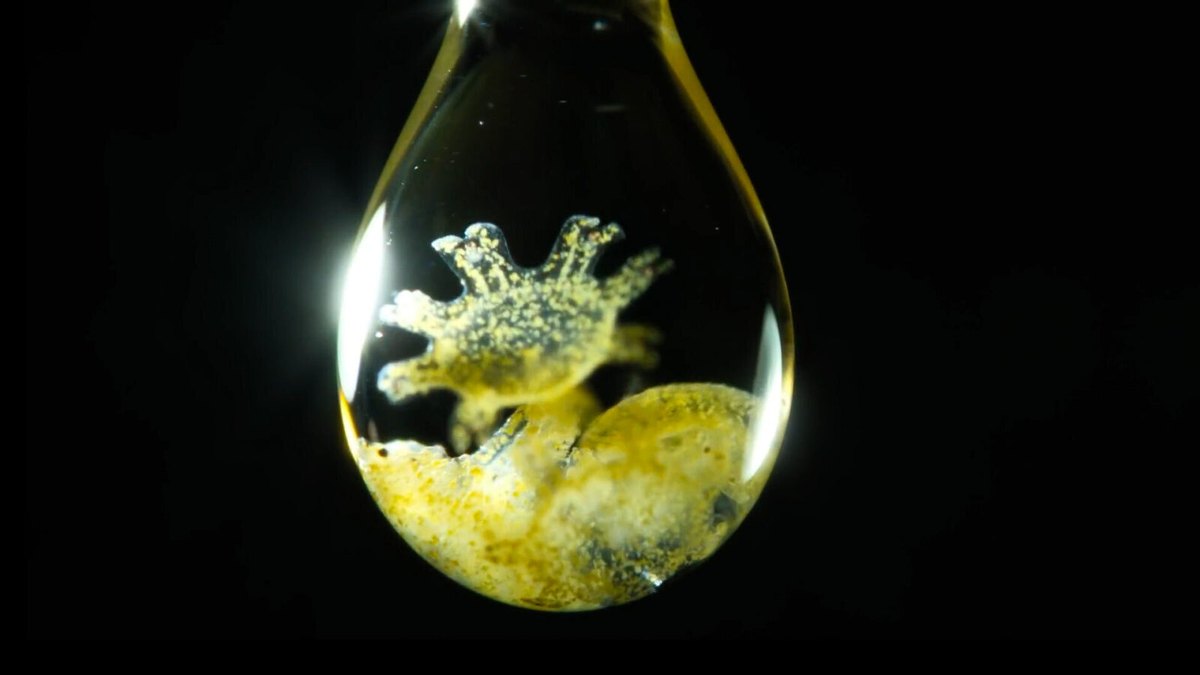
Benedikt Pleyer of Kirchberg, Germany, moved to second place with jellyfish larvae in water droplets. Andrew Moore is third with synchronized cell division. Patrick Hickey and Igor Adameyko round out the top five with plant cells and a sea slug.
On October 20, Nikon named Ole Bielfeldt the winner of its 52nd photomicrography contest. The winning image captures ink droplets from a deconstructed inkjet printer. Young hobbyists also compete at this level, as a 14-year-old macro contest winner from India showed.
469 names from 36 countries
Pleasantine Mill of the University of Edinburgh, the first name on the letter, wrote the follow-up on FocalPlane, a community site run by The Company of Biologists. Other signers included Michele Manion of the PCD Foundation, Lucy Dixon of PCD Support UK, and Jeremy Reiter of the University of California, San Francisco.
Just over a week later, FocalPlane reported 469 signatures from 36 countries and territories. Microscopists, clinicians, patients, and families all added their names. Nikon announced its ruling three days after the letter’s date, and FocalPlane says the finished letter with all signatories was delivered to Nikon’s leadership afterward.
The organizers say they do not oppose AI in imaging. They offered to help verify shortlisted entries before future winners are announced. Findings such as nuclei pushed out of their cages in stretched tissue reach most readers only through pictures.
Nikon has not shown its evidence
Nikon’s statement does not say which part of the video broke the rule. It does not explain how generative AI was used or what reviewers found. The grayscale recording the letter requested is not included either.
New contest rules have not appeared, although Nikon says it will revisit them along with its evaluation procedures. As of November 9, the original entry’s page on the contest website returned an error.
The decision and the revised winners appear in the Nikon Small World statement dated October 9, 2026.
Image: Nguyen Nam Nhat / Nikon Small World