Young emperor penguins cross areas of industrial krill fishing during their first year at sea, the Woods Hole Oceanographic Institution (WHOI) announced on November 17. WHOI said the findings strengthen the case for proposed new marine protected areas around Antarctica.
The international team tracked 48 juvenile emperor penguins. They came from three colonies around the Weddell Sea: Snow Hill Island, Jason Peninsula and Atka Bay. The study was published in the journal Biological Conservation.
Tracking penguins from three colonies
France’s CNRS, the Centre Scientifique de Monaco and WHOI co-led the work. Funding came from several sources, including WWF-Australia. Juveniles from Snow Hill Island and Jason Peninsula, both in the western Weddell Sea, had never been tracked before.
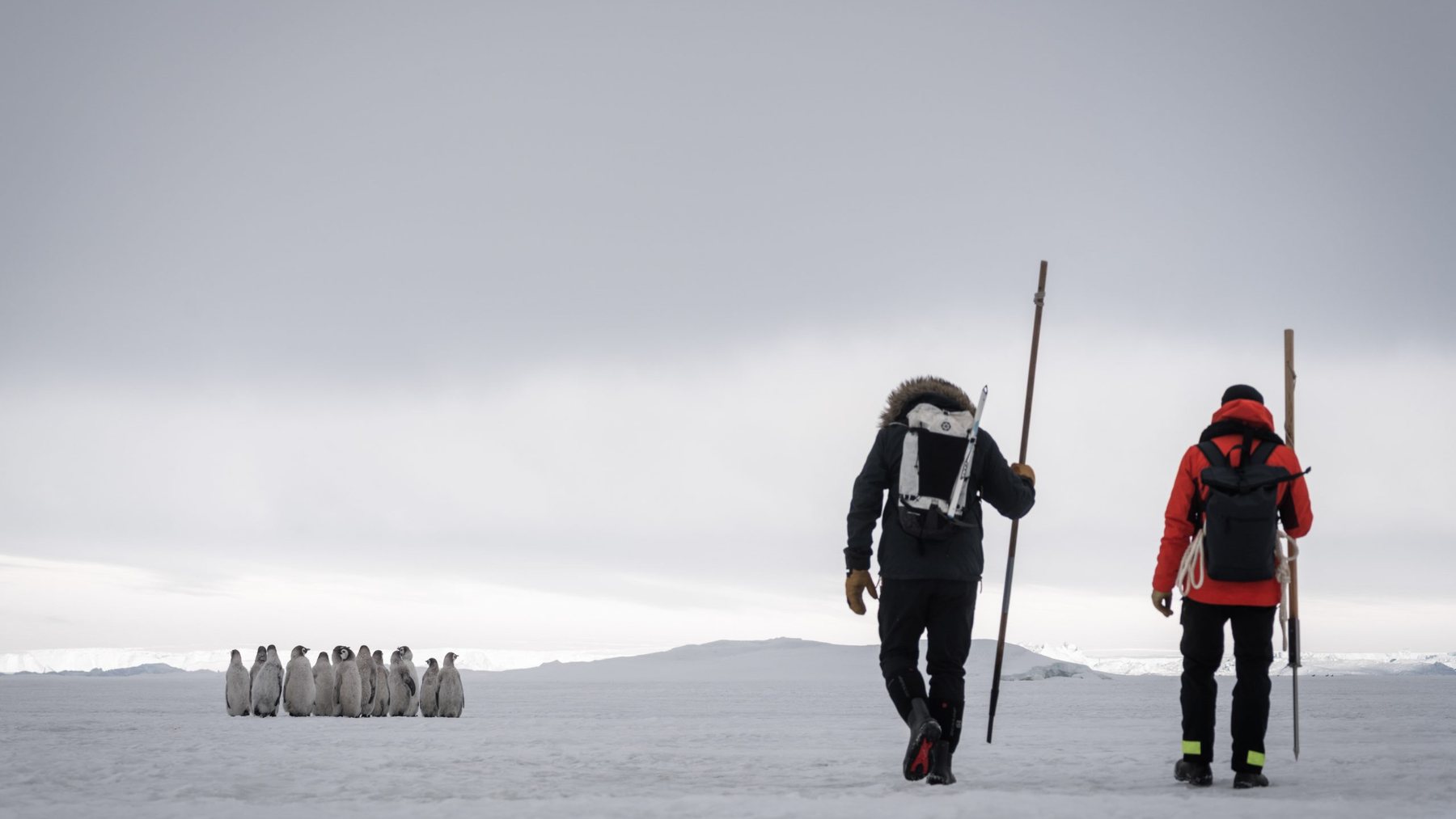
Researchers fitted satellite tags to 20 penguins at those two colonies in December 2023 and January 2024. They combined those tags with three years of tracking data from the Atka Bay colony. Atka Bay lies on the other side of the Weddell Sea.
A dangerous first year
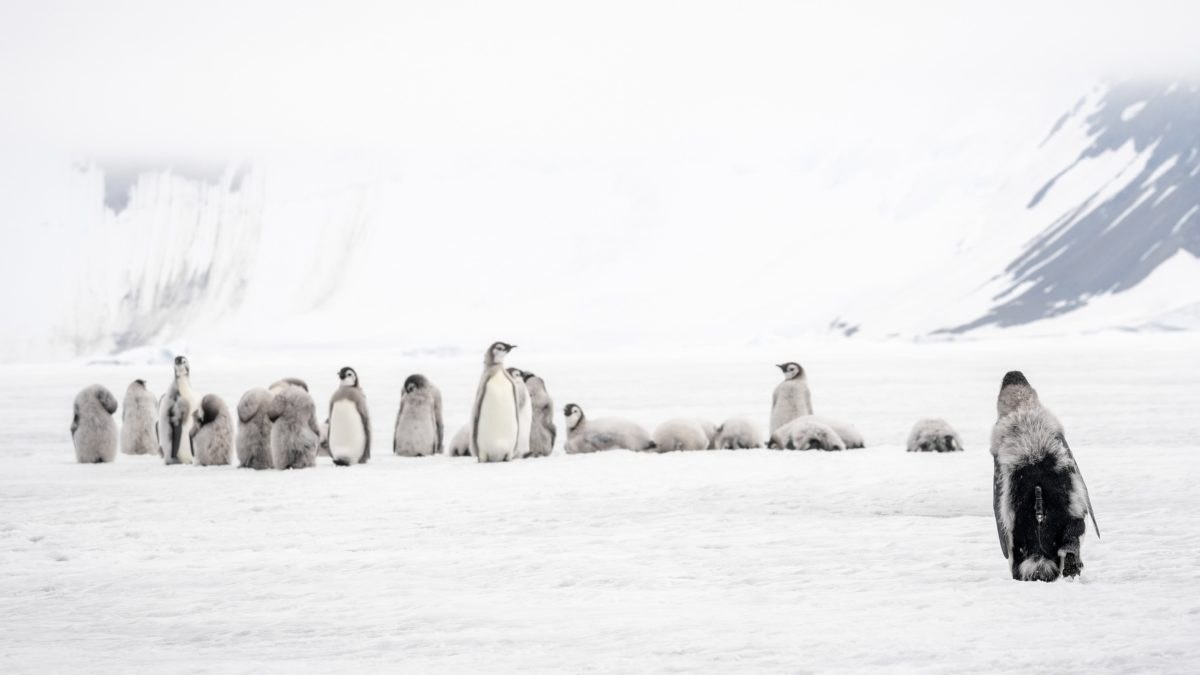
Juvenile emperor penguins leave their colonies at around five months old. They head out into the open ocean, where they must quickly learn to dive and find food on their own.
It is a perilous period in a penguin’s life, and only about a third of young emperor penguins survive to adulthood, according to the release.
The same route, year after year
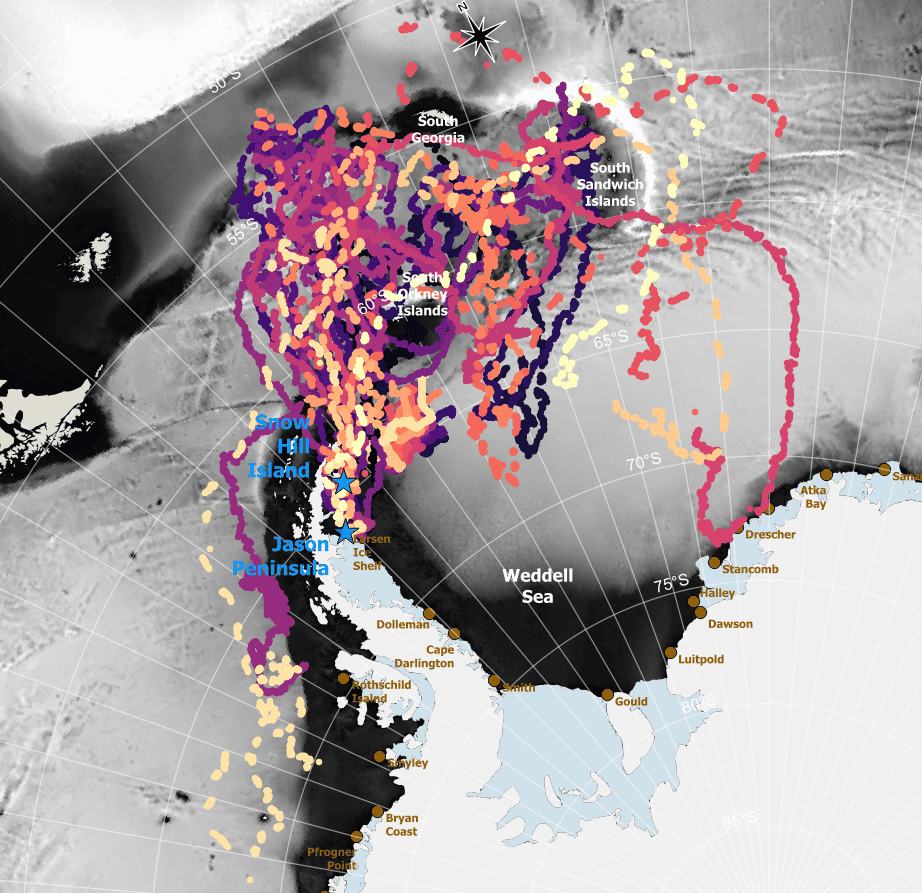
The tags showed a consistent migration pattern across all three colonies. The young penguins leave their colonies in March and travel north to waters in the Polar Front region. It is a particularly productive area of the Southern Ocean.
Next they head south, then move north again with the growing sea ice through winter and spring. Finally, they return to the Antarctic continent as the sea ice melts. Separately, Antarctic sea ice reached its third-lowest winter peak this year, according to satellite data.
“We were struck by the remarkable consistency of the penguins’ movements,” said first author Émile Brisson-Curadeau of the Centre for Functional and Evolutionary Ecology. The birds traveled more than 1,500 kilometers, about 930 miles, and spent an entire year at sea. Even so, penguins from different colonies and different years showed very similar movements, he said.
Where penguins meet fishing boats
Next, the team compared the penguins’ tracks with fishing activity from 2018 to 2024. It also mapped them against proposed protected areas for the Antarctic Peninsula and the Weddell Sea.
Juveniles from Atka Bay spent 32% of their time over a year inside the proposed protected areas. The figure was 21% for Snow Hill Island birds and 15% for those from Jason Peninsula.
Juveniles from the two western colonies encountered greater fishing activity. Most fishing in the region targets Antarctic krill, a key food for emperor penguins. Boats also trawl for mackerel icefish and set longlines for Patagonian toothfish.
Fishing pressure was highest near the Antarctic Peninsula and around South Georgia. Penguins from Jason Peninsula spent more than 60% of their time in recently fished zones during February and March.
A protected area still on hold
“The critical thing in this research is the repeatability,” said co-lead author Daniel Zitterbart, an associate scientist at WHOI. Most Antarctic protected areas are planned around colonies, he explained. They protect the waters adult penguins need but fail to cover the sea areas where juveniles spend their vulnerable early years.
For more than a decade, efforts have been underway to create a vast protected area in the Weddell Sea. It would cover about 2.2 million square kilometers. The countries in the Commission for the Conservation of Antarctic Marine Living Resources (CCAMLR) have repeatedly failed to agree on it.
Meanwhile, emperor penguin numbers have been in steady decline. This year the IUCN listed the species as Endangered. The listing rests on a prediction that populations will halve by the 2080s as sea ice changes.
Protecting the whole food web
Emily Grilly of WWF-Australia said the Weddell Sea supports around one-third of the world’s emperor penguins. Co-lead author Céline Le Bohec called sustainable fishing management essential. The timing and intensity of fishing in key feeding areas matter for the penguins’ food and for limiting bycatch, she said.
Their feeding grounds also matter to krill, fish, seals, whales and other seabirds, Le Bohec said. Other penguin species are in the news for unrelated reasons: a remote volcanic island has lost 63 percent of its breeding chinstrap penguins, and genome studies recently split gentoo penguins into four species.
Photo: Morgane Monneret / WHOI