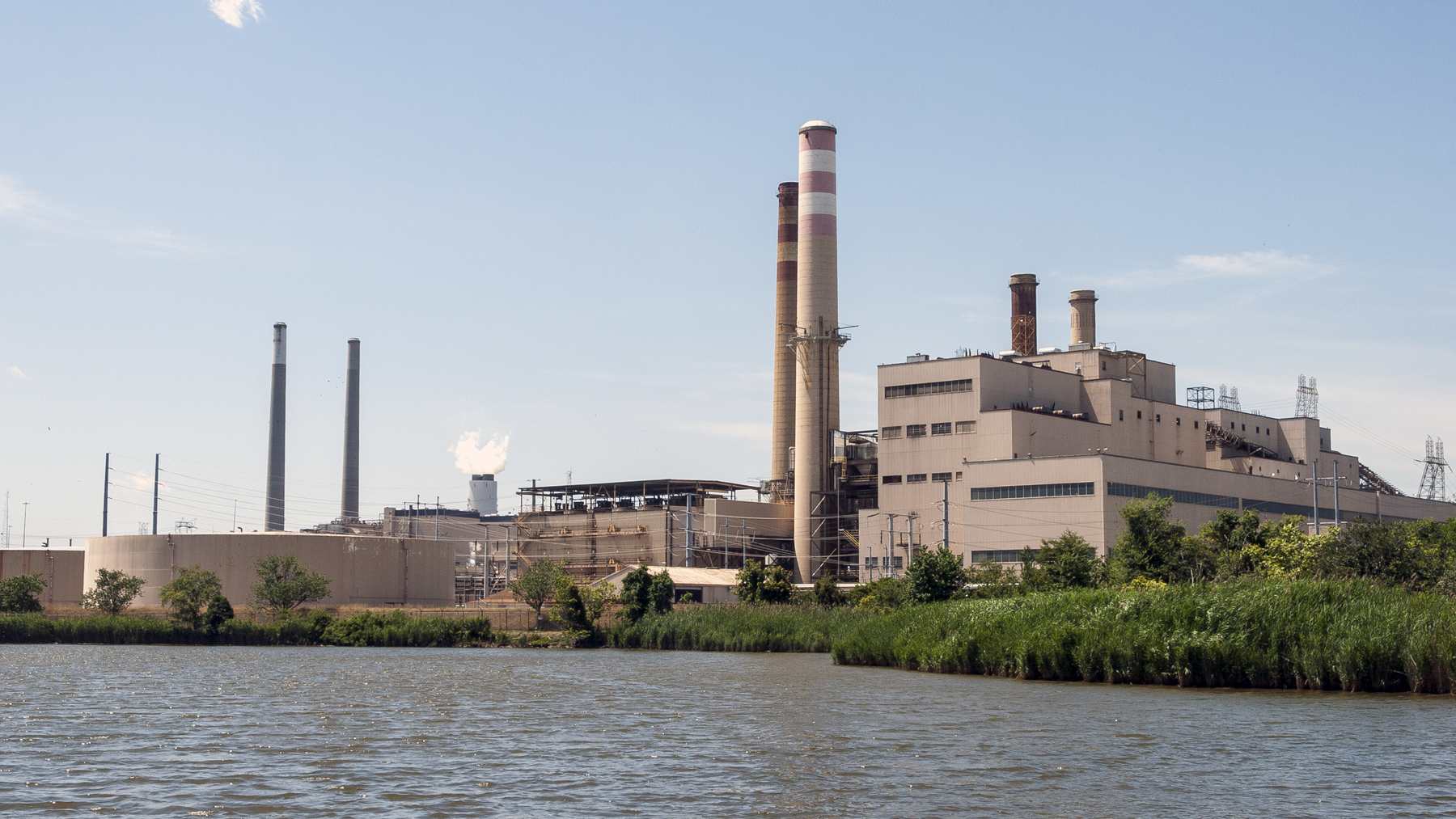
The Eddystone Generating Station sits on the Delaware River just south of Philadelphia. Two of its big units were scheduled to shut down for good on May 31, 2025.
Nearly 18 months later, both units are still standing by. On November 20, the US Department of Energy issued another emergency order keeping Units 3 and 4 available to operate this winter.
Energy Secretary Chris Wright announced the move in a November 20 announcement. The order runs from November 21, 2026, through February 18, 2027.
What the order requires
The order is numbered 202-26-52 and was issued under section 202(c) of the Federal Power Act. It is directed at PJM Interconnection, the operator of the regional grid, working with plant owner Constellation Energy.
Under the order, PJM must make sure the two units remain available to run. According to the department’s list of 2026 emergency orders, it must also use economic dispatch only during the hours needed to meet the emergency, to minimize costs.
“The energy sources that perform when you need them most are the most valuable,” Wright said in the announcement. The department says keeping the units running has strengthened energy security in the PJM region.
Units built in the late 1960s
Eddystone is a six-unit, 820-megawatt plant owned and operated by Constellation, according to Constellation’s page for the plant. Units 3 and 4 have a capacity of 380 megawatts each and were installed between 1967 and 1970.
Both are steam units that can run on either natural gas or oil, depending on market conditions. The site also has four small oil-fueled peaking units with a combined 60 megawatts.
Construction of the plant began in the mid-1950s, Constellation says. Its first two units burned coal and came online in 1960, and they were retired in 2011 and 2012.
A series of renewals
Wright first kept the two units online in the original May 2025 order, one day before their planned retirement. The department has issued further orders since, in 2025 and 2026.
That first order cited PJM’s own warnings about a growing resource adequacy concern. PJM pointed to rising demand, the retirement of dispatchable plants and other factors.
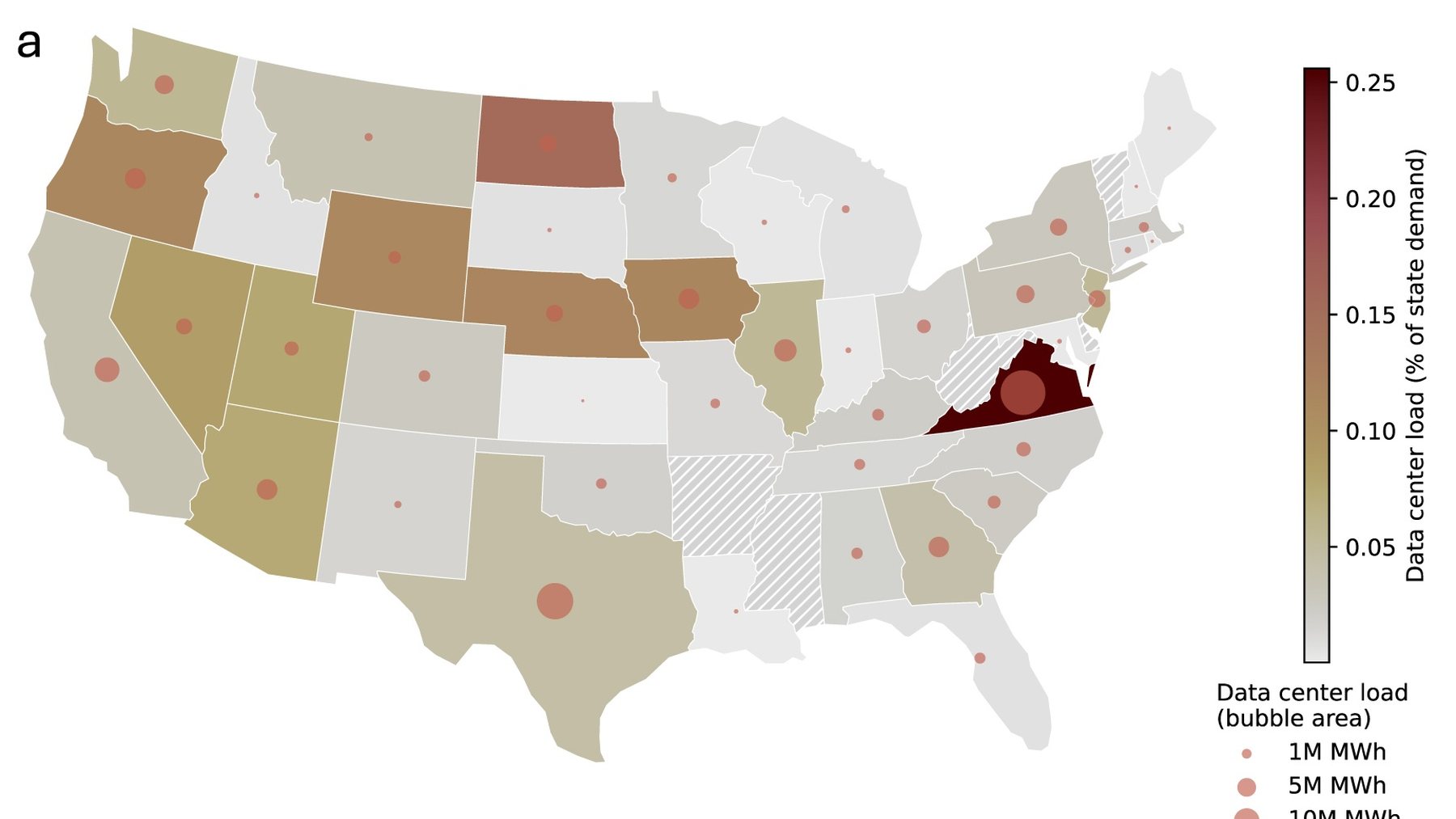
Rising electricity demand, which the first order cited, is part of that picture. Nationally, US data centers took 4.4 percent of the nation’s power in 2023, and a federal lab says that share could reach 12 percent by 2028.
The 2025 order said rate recovery for the costs is available under federal law. It also required PJM to report daily whether the units ran within the order’s limits.
Environmental limits and objections
That order also acknowledged that the extra generation could conflict with environmental standards. It limited operation to the times PJM determined were needed for reliability and kept the units subject to environmental monitoring and reporting requirements as far as feasible.
It did not excuse the plant from paying fees or buying allowances for emissions released during the emergency. The first order lasted about three months, and the new one covers a similar stretch of roughly 90 days.
Environmental and consumer groups asked the department to rehear that first order. Petitioners included the Natural Resources Defense Council, the Sierra Club and a coalition of consumer advocates, and the department issued an order addressing their arguments in January 2026.
Other plants on the list
Eddystone is not the only plant covered by recent emergency orders. In a separate order announced November 18, Wright allowed PJM to run Unit 4 at the Wagner Generating Station in Anne Arundel County, Maryland, through December 31.
PJM used up that unit’s remaining operating hours during unusually hot weather earlier this year, according to the department. The grid operator then told the department the unit was still needed.
The department has also been busy beyond the mid-Atlantic. On November 13, it ordered the coal-fired Campbell Plant in West Olive, Michigan, to remain available through February 12, 2027. That order went to the Midcontinent Independent System Operator and Consumers Energy.
On November 6, the department extended two orders for Puerto Rico’s power authority through February 5, 2027. They cover specified generating units, vegetation management and keeping specified transmission facilities available.
“Energy shortfalls for 65 million Americans are simply unacceptable,” Wright said in the Wagner announcement. The department says the orders are meant to reduce the risk of blackouts when demand peaks.
Photos: Constellation Energy; Acroterion / Wikimedia Commons (CC BY-SA 4.0)