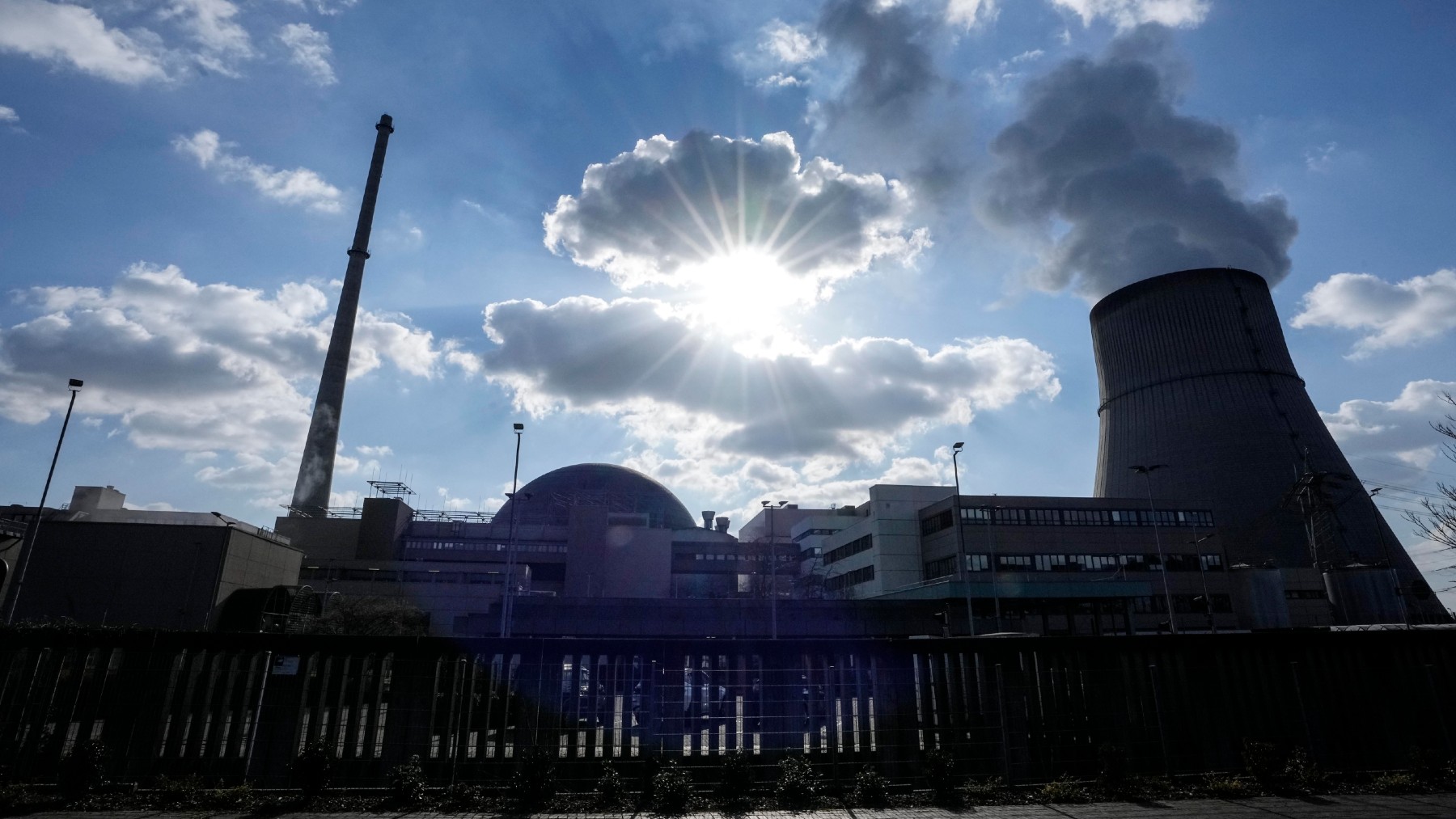
The world needs hydrogen to transition to clean energy and end the climate crisis. Hydrogen doesn’t occur naturally, but you can find it as part of the molecule that is water, H2O. To create hydrogen, companies have been using natural gas, but the CO2 is one of the waste products. America is taking a different route by using nuclear power plants to make hydrogen fuel.
America is one of the first countries to consider using nuclear energy to produce carbon-free hydrogen
America uses a lot of electricity. On average, each family in the U.S. uses 30 kilowatt hours each day, and only 20% of the country’s energy is generated by renewable sources. The major green energy sources in use in America today are:
- Wind.
- Solar.
- Hydropower.
- Geothermal.
Nuclear power makes up another 20% of America’s overall energy profile. Even though nuclear fission requires uranium, making it technically non-renewable, it doesn’t produce much carbon. That makes nuclear energy a better option than burning coal and oil. Now, America is considering using the heat produced in nuclear power plants to take water and split it via electrolysis to create hydrogen. A few other countries are thinking of this as well, because it is a good option for creating large amounts of low-carbon hydrogen.
Hydrogen is one of the most powerful fuel sources in existence, but current production methods are flawed
When hydrogen atoms are separated from water molecules, they are very volatile. Pure hydrogen gas can ignite, creating immense energy from the explosion. In a controlled environment, hydrogen makes a great fuel option not only because it is powerful but also because the waste product of using hydrogen as fuel is water vapor. Since water vapor doesn’t hurt the atmosphere and water can be recycled, hydrogen is an environmentally friendly fuel source.
The way that most hydrogen is made today is through a process called methane reformation. Companies drill wells for methane, a natural gas, and then force steam into it to create hydrogen. However, this process also releases CO2, the greenhouse gas responsible for the climate crisis. Nuclear power plants could be used to create hydrogen through a process called electrolysis, which uses heat and electricity to split water molecules into oxygen and hydrogen. Electrolysis produces no CO2, making it a better option for the planet.
The dangers of nuclear power have kept people from embracing its capabilities and potential
It’s not a secret that nuclear power is dangerous. Tragic disasters such as Chernobyl and Fukushima left the landscape devastated and made people and animals sick. However, modern nuclear reactors are much safer than those of twenty to thirty years ago, and America has many reactors in operation today. While people may feel skeptical of embracing nuclear power, using the current power plants to create zero or low-carbon could help many large industries transition to green fuel.
Nuclear energy isn’t a perfect solution to the climate crisis, but it has the potential to help relieve the burden of creating hydrogen. Since nuclear reactors generate heat and electricity, it may be the perfect place to set up a hydrogen production facility. Then the hydrogen can be sold to different sectors such as transportation and manufacturing or sent to power regional electricity grids. There will always be risks, but time is running out to find a practical solution for creating low-carbon hydrogen.
The American government will need to work hard to sell the public on the idea of combining a seemingly dangerous energy with an incredibly powerful one. With appropriate safety protocols, it’s possible to manage most of the risks related to nuclear energy, and the world’s need for hydrogen is only going to grow. Utilizing existing nuclear power plants may be one of the most practical solutions in the short term.