Whether you’re a couple of miles from home or on the other side of the world, you’ll likely spot a set of solar panels generating energy on a home or a business. The use of solar panels has been increasing since the late 2000s when prices dropped and the technology improved somewhat. Most people don’t know that even highly advanced solar panels are not that efficient. An innovation in solar cell material is about to change that.
Solar has been a trending industry for several years, but the experts have been deceiving everyone
There are commercials on the radio nearly every day telling people to install solar panels to bring down their energy bills. Solar power is an important source of renewable energy, but there’s one catch. Experts have never been totally honest with people about how inefficient solar cell technology is. Traditional solar panels use silicon to create an electrical current and generate power, but each panel can only capture so much of the sun’s energy. Some of the issues that solar panels have are:
- Low-quality semiconductor material
- Energy losses due to thick layers of material
- Electric current fluctuating over time
- Sunlight reflecting and not being absorbed
- Resistance in the material keeps charge carriers from moving
Silicon solar cells have typically only ever been able to convert a maximum of 22% of the sun’s rays into electricity. That means around 78% of the sun’s potential power is being wasted because these cells aren’t as efficient as they could be. This is one of the downsides of solar and remains one of the biggest reasons solar energy hasn’t been able to replace coal and oil.
A new type of solar cell can potentially generate 1000 times more energy than traditional solar panels
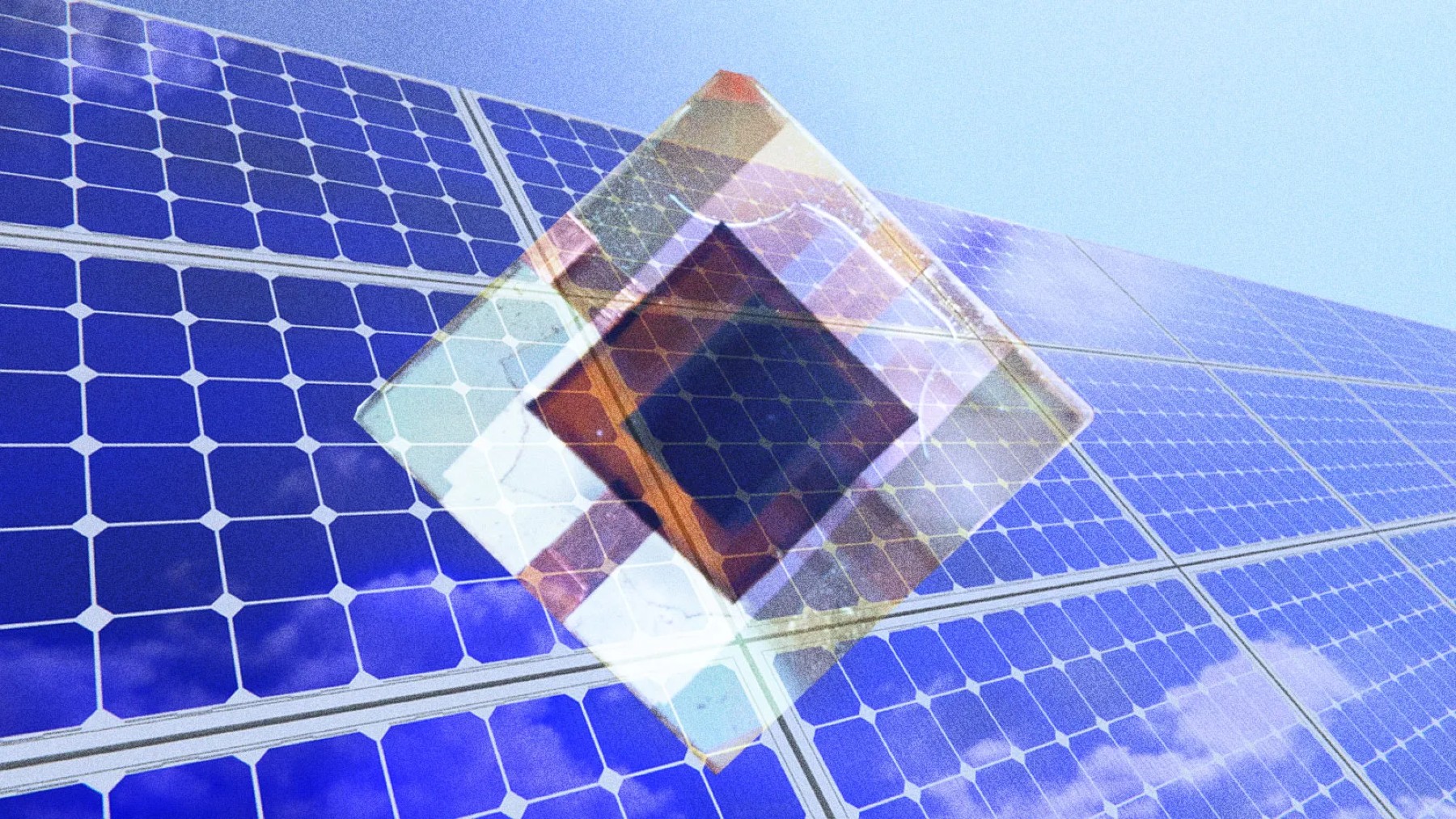
Researchers have been working for years to improve the efficiency of solar panels. Different companies have tried using a variety of materials and elements to achieve better results. A new team has made a solar cell with hybrid materials that they claim is 1000 times more efficient than previous types of cells. This new cell utilizes a combination of barium titanate, strontium titanate, and calcium titanate.
The new type of solar cell is thinner, smaller, and cheaper to produce. The team behind this breakthrough is excited at the potential of their new technology. While they haven’t released efficiency rates just yet, they have put their solar cells through stress tests. So far, they have not noticed any reduction in efficiency over time. That means these panels could become commonplace in public buildings and other facilities that need to run 24/7.
This breakthrough could change the solar industry forever and make net-zero carbon emissions a reality
The sun can be an unpredictable source of power, and there’s not much anyone can do about it. That’s why increasing the efficiency of solar panels is a top priority for scientists. Solar panels need to be able to do more with less, and this breakthrough in solar cell technology could help that happen.
By using innovative materials to create crystalline layers, these new solar panels will be able to generate more electricity even though the panels themselves are smaller. This could help more people and businesses adopt solar energy as a viable alternative to fossil fuels.
The world needs to achieve net-zero carbon emissions to stop the planet from warming by two degrees. Even though two degrees may seem like a very small change, it’s enough to raise sea levels and change the climate for the worse. Solar energy is one of the main sources of renewable energy that researchers are relying on to slow down emissions. Breakthroughs in solar cell efficiency are not only beneficial for the industry, they’re important for the health of the world.