One of the most heavily militarized borders on Earth is also one of Asia’s most surprising wildlife havens. That is why a new quarrel over drones between North and South Korea is not only a security story. It is an environmental one too.
In a statement carried by state media, Kim Yo Jong, sister of North Korean leader Kim Jong Un, urged Seoul to investigate recent drone flights that Pyongyang says crossed from South Korea into its airspace. She said she appreciated South Korea’s declaration that it had no intention to provoke, yet insisted that authorities “can never evade their responsibility” even if a civilian pilot was involved.
South Korea’s Office of National Security has promised a swift investigation and repeated that the government does not seek confrontation. Investigators have already questioned at least one civilian over alleged unauthorized drone flights toward the North.
A political dispute over a living buffer
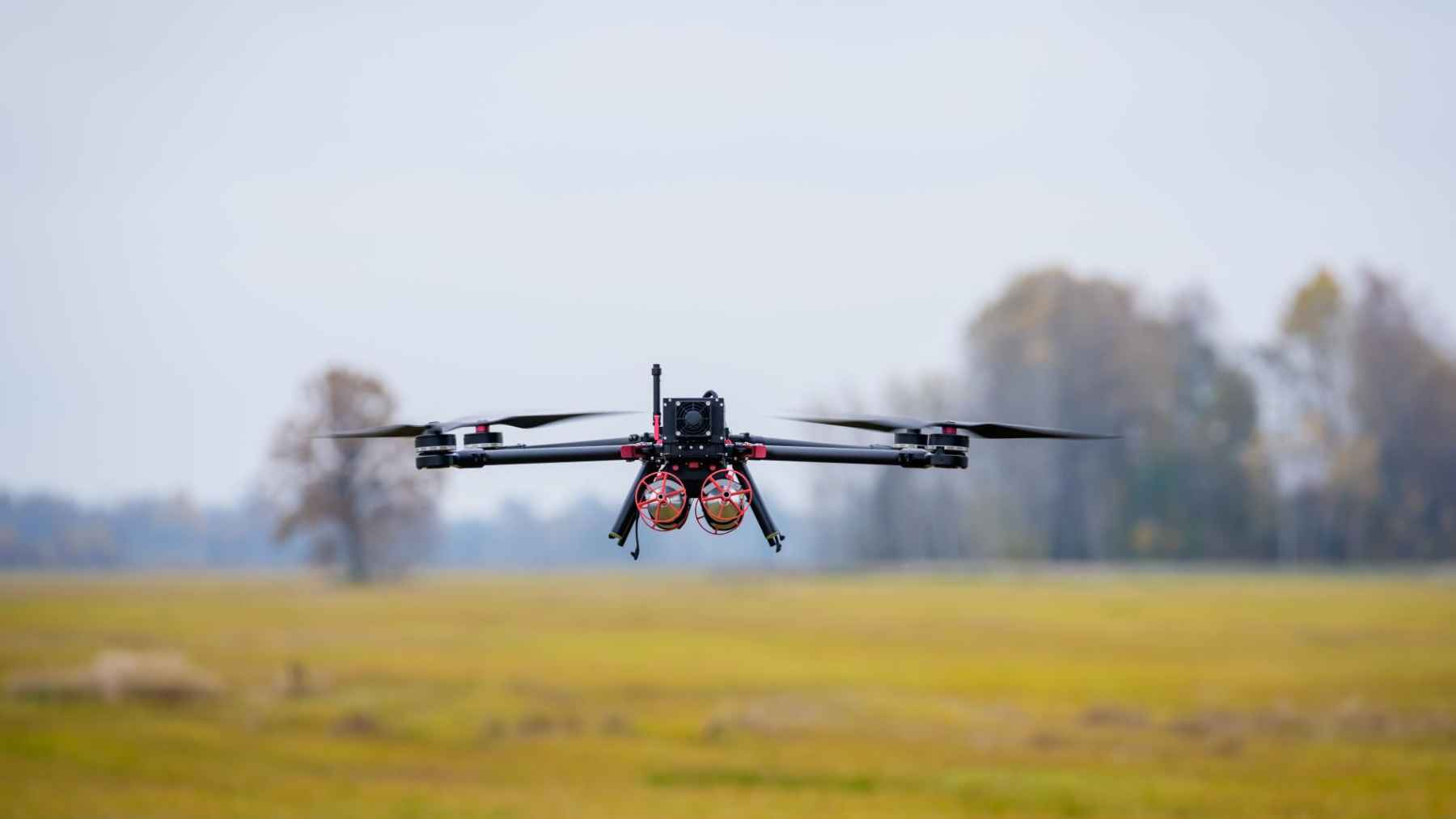
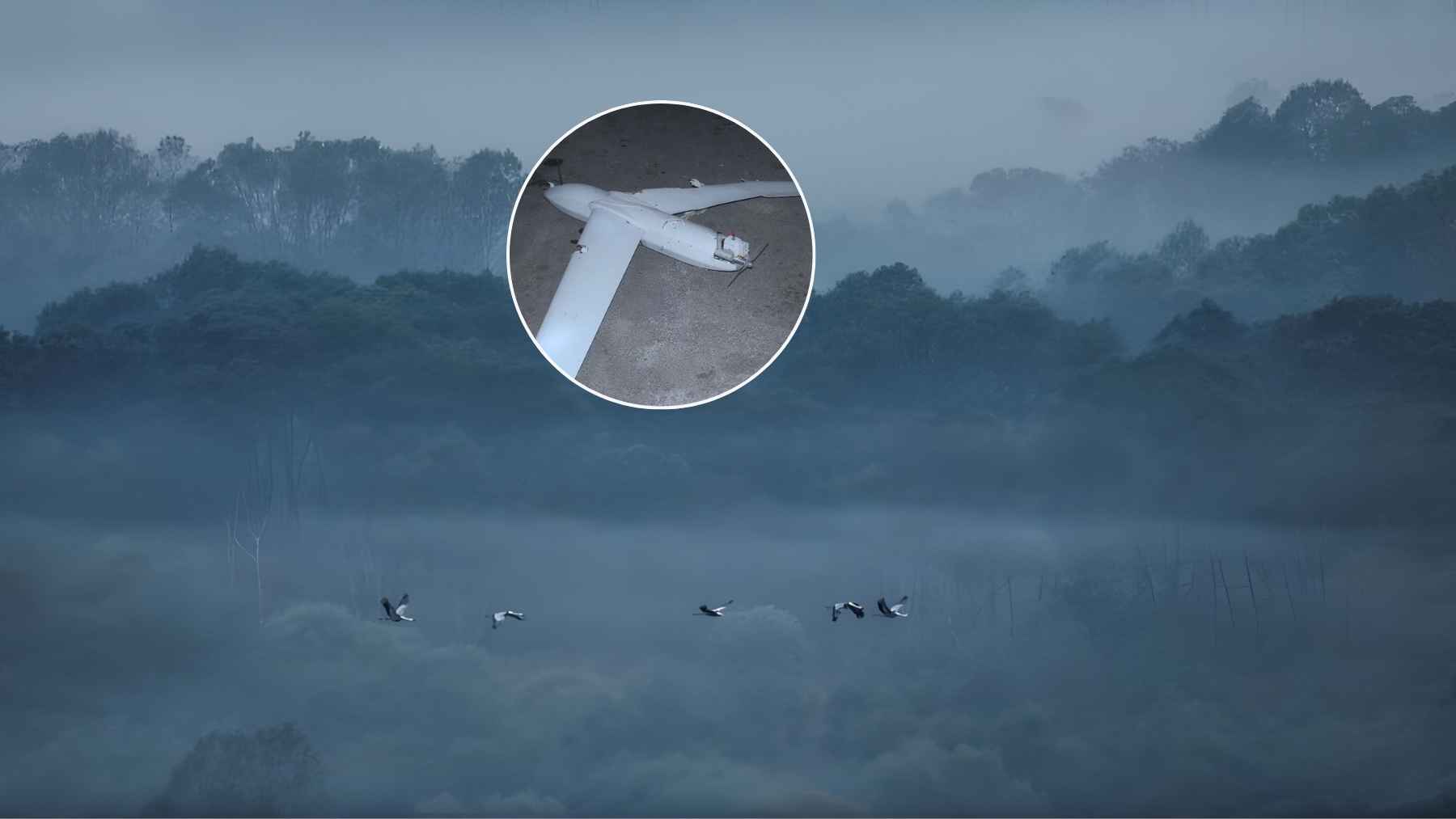
According to North Korean and South Korean accounts, small drones entered the North twice in recent months, once in September and again in early January. Pyongyang says it intercepted the devices and treats the flights as a “grave violation” of sovereignty. Seoul’s military denies any role and says the aircraft resemble consumer models, not equipment used by its forces.
On paper this sounds like a narrow legal issue. Who flew what, and where exactly did it cross an invisible line on the map? In practice that line runs across the Korean Demilitarized Zone, or DMZ, a 250-kilometer-long strip roughly four kilometers wide that has been off limits to most people since 1953.
The same restrictions that keep soldiers and tourists out have given nature rare breathing room.
A narrow strip with huge ecological weight
Scientists describe the DMZ as one of the best preserved temperate habitats on the planet. Surveys suggest that around six thousand animal and plant species live in and around the zone, including more than one hundred officially endangered species.
Red crowned cranes and white naped cranes winter in the wetlands and rice fields beside the fences. Conservation groups say a significant share of the world’s remaining populations pass through this corridor each year on their long migrations. Asiatic black bears, musk deer, long-tailed gorals and rare wildcats have also been photographed moving through forests and rivers that cut across the border.
For people living in crowded cities like Seoul, often stuck in traffic or worrying about the next electric bill, this landscape can feel very far away. For wildlife it is a last refuge.
Why drones worry ecologists
A few hobby drones may sound harmless compared with artillery or missile tests. Yet ecologists see them as part of a bigger pattern. Modern military activity tends to bring noise, sudden disturbance, pollution and the risk of accidents, all of which can fragment habitats and push sensitive species away. Reviews of war-related environmental damage have linked training grounds and active conflict to dramatic habitat loss and declines in biodiversity.
In the DMZ, even brief spikes in tension can halt scientific fieldwork and conservation projects. Researchers who document cranes and mammals already face frequent access interruptions when the security situation worsens.
Now picture that from the perspective of a migrating bird. One season the wetlands are quiet. The next, low-flying machines buzz overhead and sirens sound on both sides of the fence. Do the birds come back the following year in the same numbers? That is the kind of question biologists are asking.
Shared wildlife as a rare common interest
For decades, Korean and international scientists have floated the idea of turning the DMZ into a formal peace park or transboundary biosphere reserve. The strip already functions as an ecological corridor that connects mountains, forests, rivers and tidal marshes across the peninsula. Several studies argue that conserving this living laboratory would protect species while also preserving a powerful reminder of the costs of war.
Politics, of course, moves more slowly than cranes. North Korea still officially labels the South a “hostile” state, and recent drone accusations have not helped efforts by Seoul’s new administration to reopen military talks.
Even so, environmental experts often see shared ecosystems as one of the few realistic openings for dialogue. Migratory birds, river systems and shifting weather patterns ignore borders. Any lasting plan for peace on the peninsula will eventually have to decide what happens to the DMZ’s wildlife oasis, whether tensions remain high or one day begin to ease.
Until then, every new incident along the border is a reminder that security debates are never only about jets, drones or radar. They are also about the quiet places in between, where cranes dance over minefields and bears cross streams that no civilian can approach.
The official statement was published on Xinhua.