America has implemented higher clean energy standards by approving the Lithium-Boron Rhyolite Ridge Project in the Silver Peak Range of Western Nevada. The project highlights the transition towards electric vehicles, addressing climate change while reducing the certainty of a high dependency on foreign mineral sources and emphasizing the need for nature conservation.
Rhyolite Ridge will quadruple lithium production by 2028
The Rhyolite Ridge Project offers a critical mineral configuration, with the prospect of supplying sufficient lithium to power 370,000 electric vehicles annually. Lithium is crucial for powering batteries in electric vehicles and lies at the heart of the clean energy revolution.
By 2028, production from this single mine will quadruple the current US production (just like the largest lithium deposit, which is enough for millennia), reducing import dependency, especially on China, the current global supplier of these critical minerals.
The mine’s strategic nature is highlighted by the $700 million federal loan the US government has offered to Ioneer, the Australian-based company behind the project’s construction. This loan demonstrates Biden’s administration’s agenda for boosting renewable energy.
Another versatile mineral, boron, will be produced together with lithium and will be economically feasible. The mine will be a key supplier to Ford’s venture, Toyota, and Panasonic. Such partnerships assure US companies that they can obtain the raw materials required for electric vehicle production and support the clean energy economy.
Tiehm’s buckwheat threatened: Conservationists vs mining
The mine site is home to the endangered Tiehm’s buckwheat, an endemic plant unique to this part of Nevada. In 2020, 17,000 buckwheat plants died, raising questions about the mine’s environmental effect. However, the investigation concluded that these plant deaths were due to natural causes, including rodents, thus exonerating Ioneer.
This drew attention to the balance between industrial development and environmental conservation. The Final Environmental Impact Statement implemented realigning project features to protect this rare species, contributing to propagation efforts as well as generating a protection plan in conjunction with the Bureau of Land Management (BLM).
Ioneer has modified its proposal to reduce the impact on the plant and its crucial habitat. However, conservationists insist that the project could drive the species to extinction; some have even threatened to sue them to stop it.
In response, Ioneer has put in place extensive measures to harmonize development with environmental stewardship. Among those measures already taken is relocating mining features away from areas where habitats have already been disturbed.
Conservation program management, buckwheat species propagation programs, as well as a water recycling system will also reduce impacts. The efforts represent a commitment to harmonizing resource extraction with ecological care and meeting federal goals of responsible mining, economic growth, and environmental safety.
Lithium & boron’s role in sustainable mining
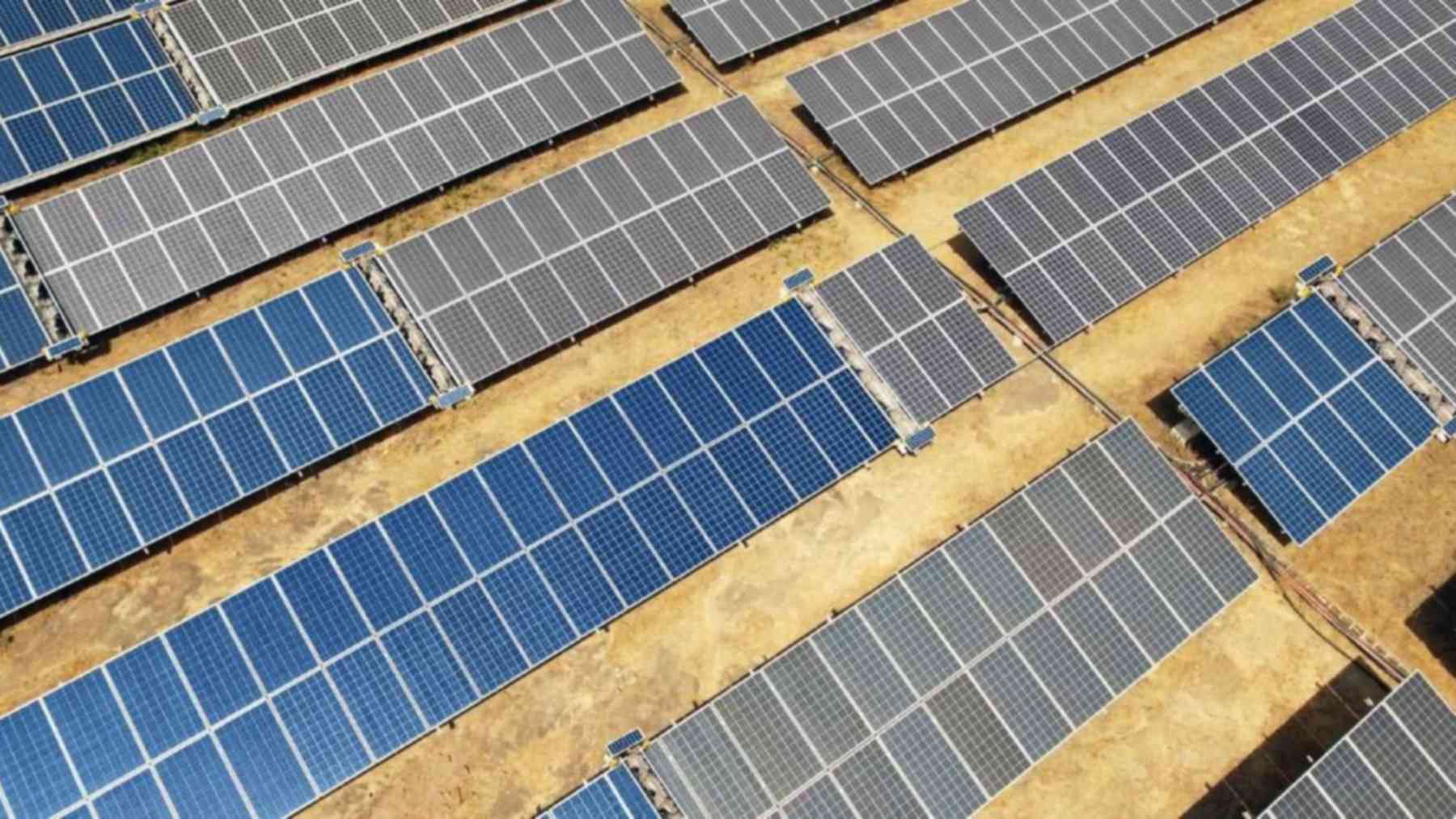
The Rhyolite Ridge Project indicates a shift in US policy toward energy independence as well as sustainability. Lithium and boron are crucial for electric vehicle batteries, wind turbines, and semiconductors, essential for a low-carbon future.
There is a massive demand for these minerals. The US Geological Survey has indicated that there are great reserves in the country to make this kind of mining growth possible in the future. Its economic impact goes beyond mineral production.
The mine will offer 500 construction jobs and around 350 high-wage operations jobs, boosting the local economy in Esmeralda County, north of Las Vegas. Ioneer has committed to developing job training and scholarship programs to ensure the local community, including tribal members, benefits from these opportunities; however, despite that optimism, the program is still pending.
The Rhyolite Ridge mine is vital for clean energy and securing critical minerals for energy independence and climate goals. The beginning of production in 2028 will be a fine example of balancing economic development and environment-friendly responsibility for sustainable living (like this liquid lithium, better than hydrogen).