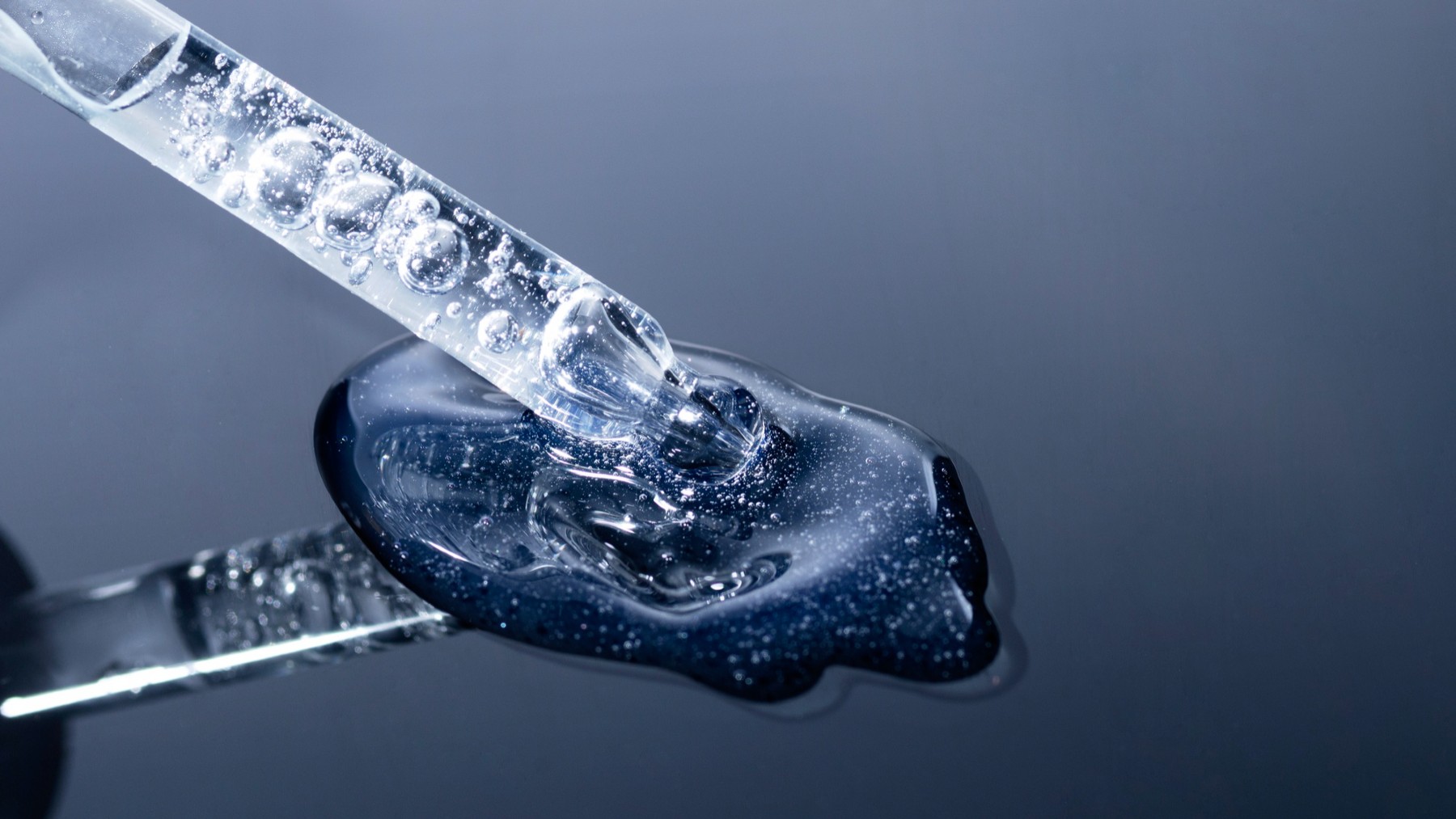
There is a chemical element that some consider better than hydrogen and produces more energy: liquid lithium. It may be key to fusion energy. New experiments have revealed that it may be easier to use fusion as an energy source if liquid lithium is attached to the inner walls of the device containing the fusion plasma. Plasma, the fourth state of matter, is a hot gas composed of electrically charged particles.
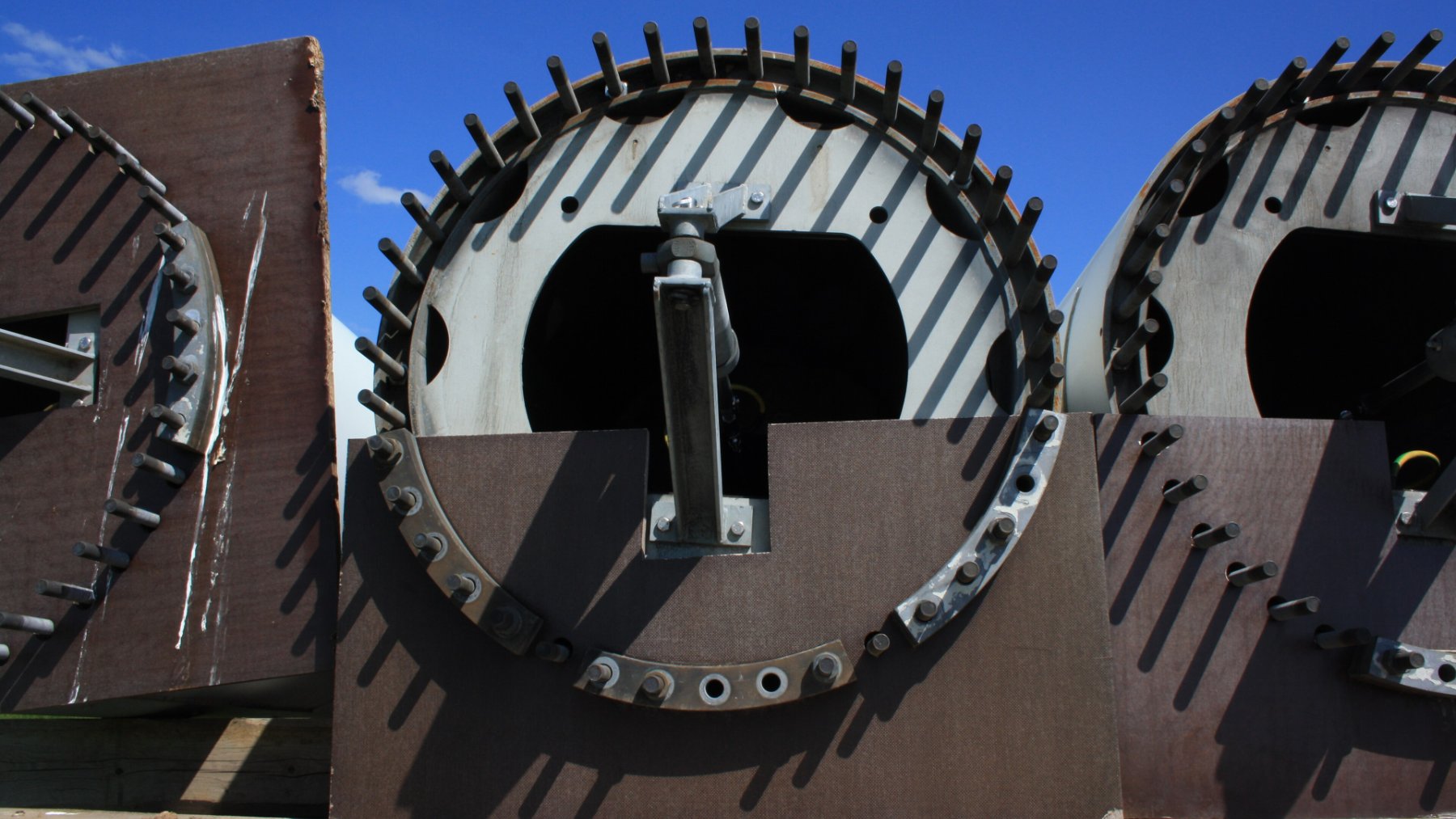
Scientists at the Princeton Plasma Physics Laboratory (PPPL) are working on solutions to efficiently harness fusion’s ability to be a cleaner alternative to fossil fuels. They often use devices called tokamaks, which confine plasma based on magnetic fields.
“The purpose of these devices is to confine the energy,” says Dennis Boyle, a research physicist at PPPL, in a statement. He adds, “If you had much better energy confinement, you could make the machines smaller and less expensive. That would make everything much more practical and cost-effective, so that governments and industry would want to invest more in it.”
These findings were presented at a meeting of the Plasma Physics Division of the American Physical Society and are part of the Lithium Beta Tokamak Experiment (LTX-beta). That research is also published in the journal Nuclear Materials and Energy.
Advances in liquid lithium could put hydrogen on the back burner
In recent findings, it has been seen how a layer of liquid lithium added to the inside of the tokamak wall helped the plasma remain hot at its edge. Maintaining a hot edge is central to its unique approach. Scientists hope it will one day contribute to the design of a fusion power plant.
This material, which some consider better than hydrogen, has already been studied in other LTX-beta research. They tested solid lithium coatings and found that the plasma could be improved. The researchers were pleased to achieve similar results with liquid lithium, because it is more suitable for use in a large-scale tokamak.
Liquid lithium could decrease the need for repairs, a situation that would occur because it acts as a shield for the internal walls of the device as they are exposed to the heat of the plasma. This material absorbed about 40% of the hydrogen ions coming out of the plasma. The data showed that fewer particles were recycled back into the plasma as a relatively cold neutral gas.
Why might liquid lithium be better than hydrogen?
When experts speak of a low-recycling environment, they mean precisely this because many of the hydrogen ions expelled from the plasma are not recycled. That is why the plasma edge would be cooled. Ultimately, this low-recycling environment assumed that the temperature at the edge of the plasma is closer to the temperature at the center of the plasma.
That homogeneity in temperature would have to let the plasma store heat better than it would have if liquid lithium were not used. This way of working avoids a large number of instabilities. Liquid lithium also made possible an increase in plasma density when a beam of high-energy neutral particles was injected to heat and feed the plasma.
On the other hand, solid lithium exhibited only a small density increase. When a neutral beam was used, the added hydrogen ions pushed out hydrogen ions already in the plasma in a process dubbed charge exchange.
The researchers believe the key difference is because a small amount of lithium evaporated from the liquid walls of the reactor and entered the plasma. This lithium impurity in the plasma transformed the dynamics of the charge exchange and allowed the plasma to retain the hydrogen ions added by the neutral beam without removing other hydrogen ions, resulting in an overall increase in plasma density.