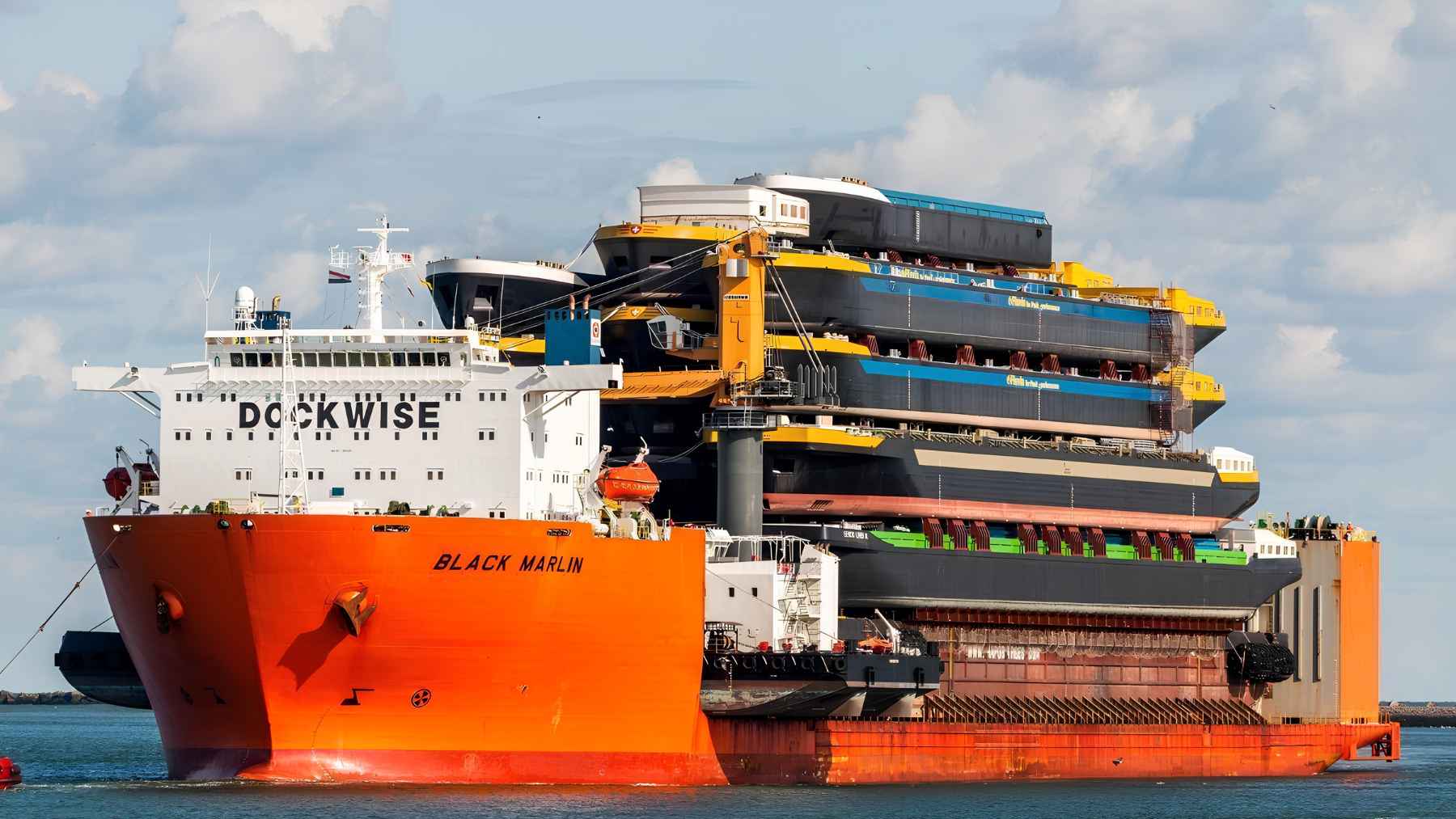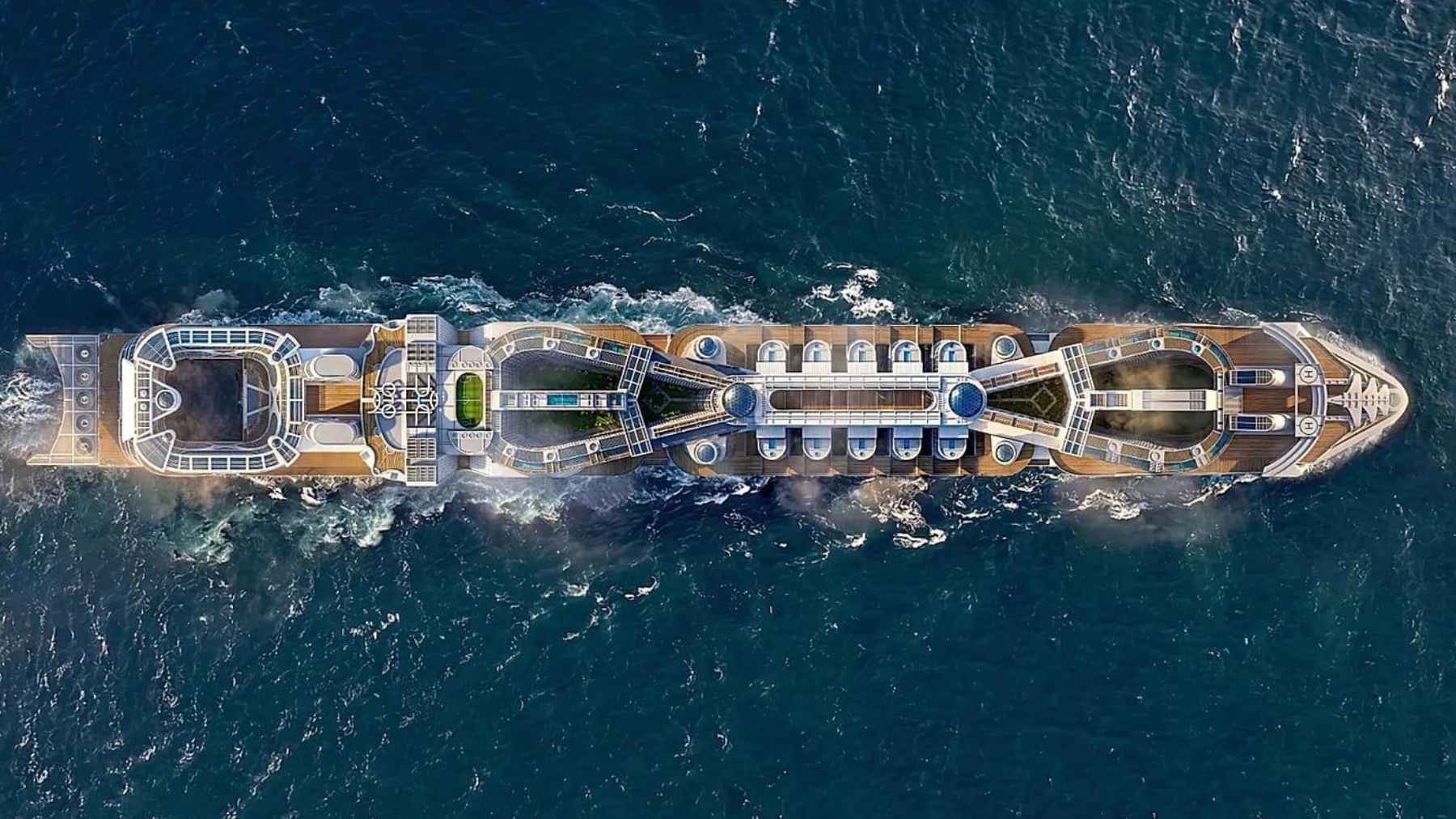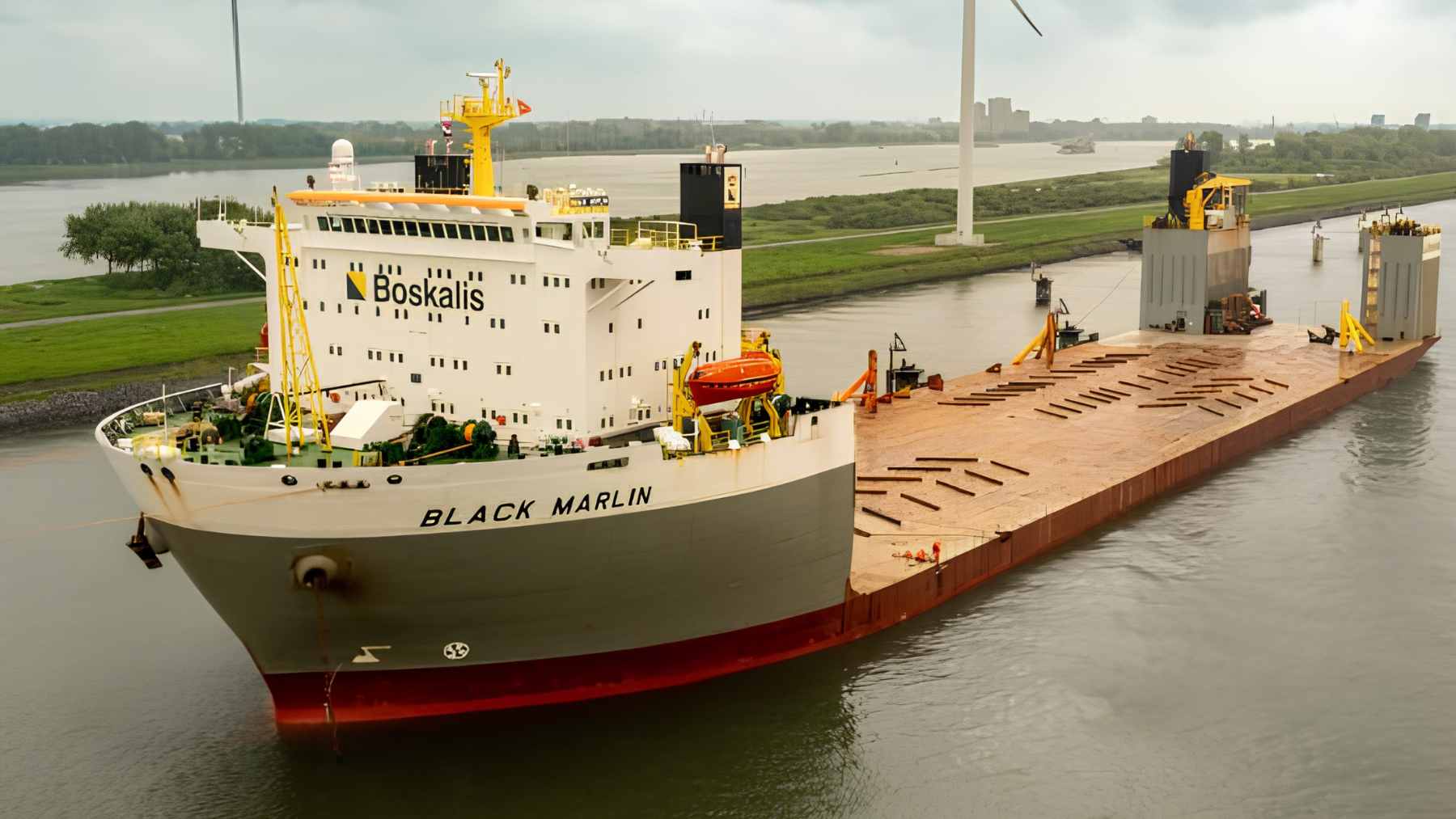
A heavy-lift ship is heading to Hobart, Tasmania, for an unusual job. The MV Black Marlin will pick up China Zorrilla, the world’s largest battery-electric ferry, and carry it to South America before it begins service between Argentina and Uruguay.
The ferry is not crossing the ocean on its own because it was built for a calmer river route, not rough open seas. That simple detail turns a clean-transport milestone into a massive shipping puzzle, with tugboats, ballast water, a custom cradle, and a loading operation expected to take several days.
A ferry too special to sail itself
The 427-foot catamaran was built by Hobart-based Incat for South American operator Buquebus. Once in service, it is expected to carry up to 2,100 passengers and 225 cars between Buenos Aires and Colonia del Sacramento, a busy River Plate crossing where ferries are part of everyday life.
For passengers, the change may not feel like a science project. It may feel more like a quieter dock, fewer exhaust fumes around boarding lanes, and a different kind of ferry ride across familiar water.
Why Black Marlin matters
The Black Marlin is no ordinary cargo ship. It is about 712 feet long and 138 feet wide, large enough to carry huge marine structures, and it is expected to be one of the biggest vessels to enter the River Derwent.
Robert Clifford, the shipyard’s chairman, said, “Very few people ever get the chance to see an operation like this up close.” He also said the Black Marlin itself is an extraordinary vessel and will rank among the largest ships to enter the river.
How the loading works
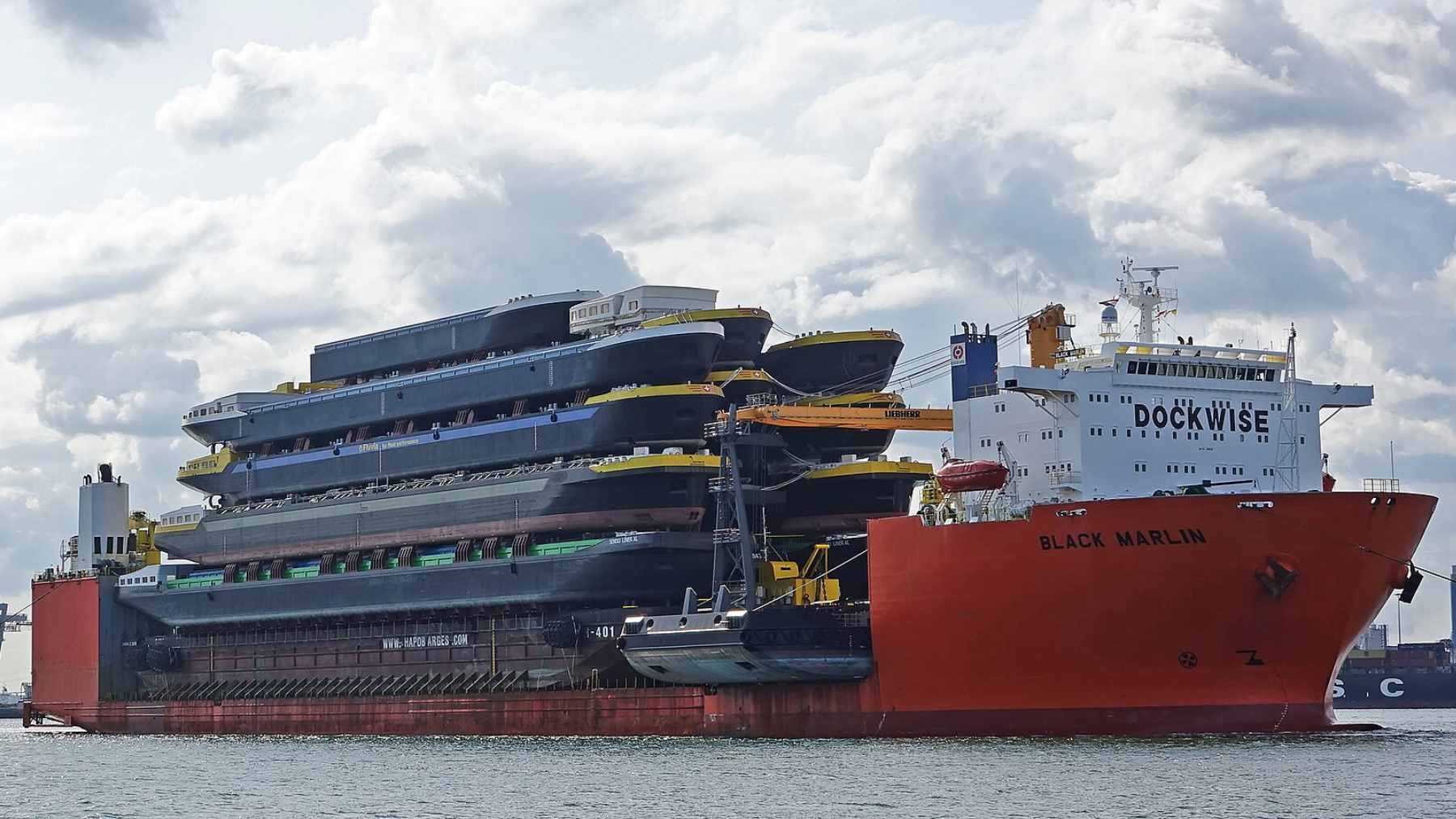
So how do you put one ship on top of another? The Black Marlin is semi-submersible, which means it can lower its cargo deck below the water by taking on ballast, then rise again after the cargo is positioned.
The China Zorrilla will be guided into place with help from tugboats. A cradle will be built on the Black Marlin’s deck, almost like setting up a floating dry dock, before the water is pumped out and the ferry is chained down for the trip.
The loading will need deep water because the heavy-lift ship will sit about 75 feet below the surface when partly submerged. The exact spot will be determined by TasPorts, with the area near Taroona considered more likely than anywhere close to the Tasman Bridge.
A battery-powered giant
China Zorrilla is powered by more than 5,000 batteries, giving it about 90 minutes of operation on its planned route. Its installed storage system is listed at about 41 megawatt-hours, a term that simply means a very large amount of stored electrical energy.
The ferry uses eight electric waterjets supplied through technology from Wärtsilä. Waterjets push water out the back of the vessel to move it forward, which is why they are often used on fast ferries.
At the end of the day, the idea is simple enough. Instead of burning fuel during the river crossing, the ferry runs on battery power, then charges at port before going again.
Delays changed the plan
The ferry went through sea trials in January and was expected to be ready for delivery by April. Then logistics got messy after the original heavy-lift ship became stuck in the Persian Gulf because of conflict in the region.
The company considered other options, including putting diesel generators on board to power the electric motors. That would have changed the delivery plan and raised concerns about the vessel’s structure.
David Riseley, head of projects, said, “It’s not just about battery capacity.” He explained that the ferry was built for a relatively calm river, not for heavy sea operation, which is why waiting for another heavy-lift vessel made sense.
A test for future ferries
This operation is more than a one-time spectacle on the Derwent River. The new ferry’s design has already drawn interest from other operators, and Danish company Molslinjen has ordered another battery-electric ferry after commissioning two related vessels.
That is why this shipment matters. If the loading and voyage work as planned, the project could become a practical example for moving future large electric ferries from specialized shipyards to the routes where they are needed.
The trip from Hobart to Buenos Aires is expected to take about 30 to 40 days. After that, China Zorrilla will still need to enter service, but the hardest part may turn out to be getting the world’s largest electric ferry to the place where passengers can finally board it.
The official announcement has been published by Incat.