Spain’s Aragón region has turned an ordinary plastic bottle into part of a larger fight against one of Europe’s most disruptive invasive insects. In Alcañiz, a campaign along the Guadalope River captured 62 Asian hornet queens in about one month, after nine Vespa velutina nests were found near the city last summer.
That number may sound small at first. It is not. By early June, local reporting said captures in Alcañiz had climbed to 150 hornets, including 120 queens, raising fresh concern for beekeepers, pollinators, and anyone who notices a strange paper nest under a roof edge or near a riverbank.
Why the queens matter
The campaign is aimed at queens as they leave winter dormancy. Catching one queen at the right moment can prevent a new primary nest and, later, a much larger colony from taking hold.
Alcañiz launched preventive work in March through a joint effort between the city’s forest guard and Aragón’s Nature Protection Agents. The official statement said traps were placed along the Guadalope, often near sites where nests had been found the previous summer, and would be checked periodically until May.
It is a simple idea, almost too simple. Stop the colony before the colony exists.
A bottle trap by the river
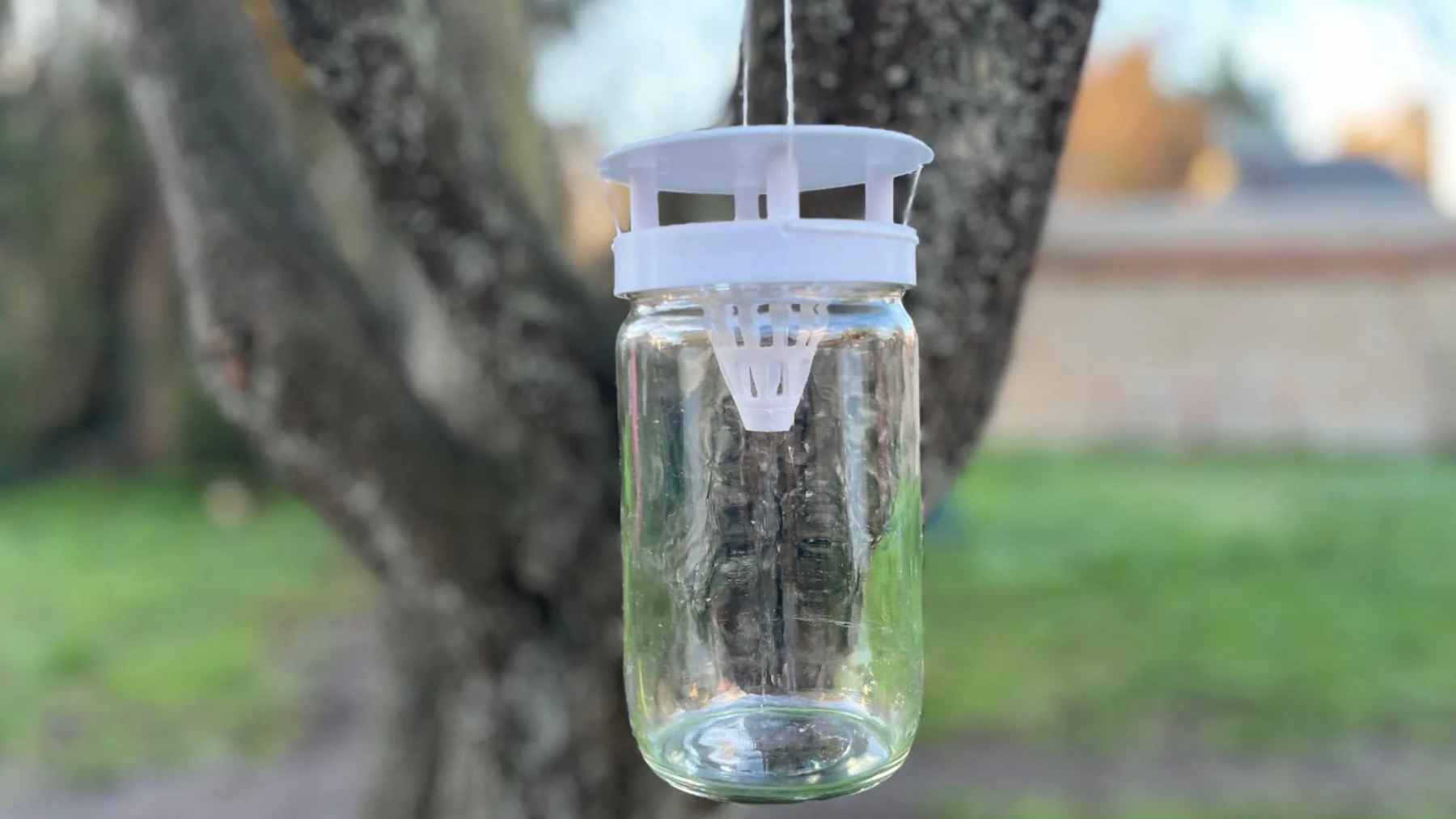
The most eye-catching part of the plan is the recycled-bottle trap. It looks like something made at a kitchen table, but the design is more precise than it seems.
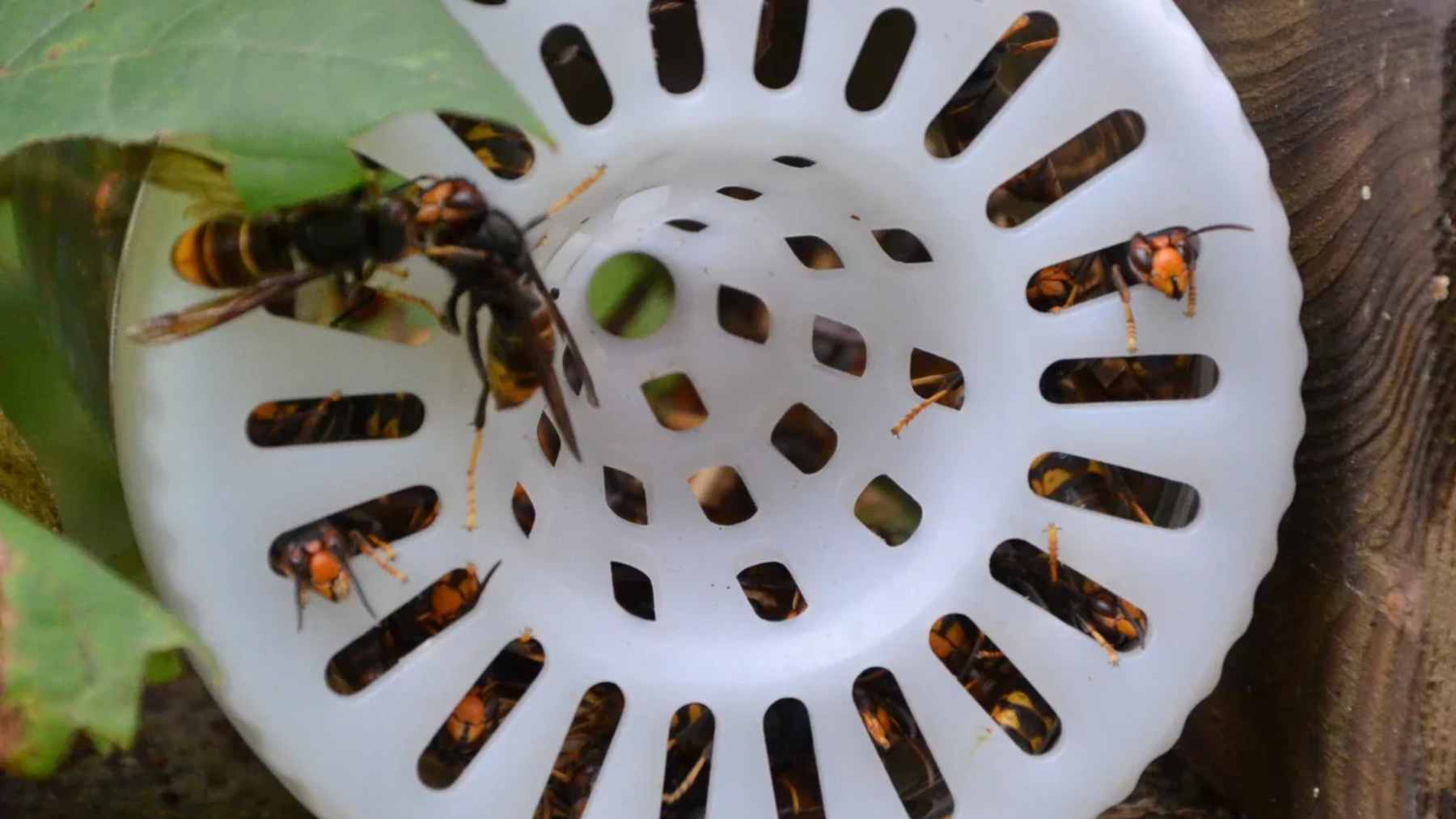
According to the supplied background, the bottle has two side openings fitted with small funnels made from the tops of other recycled bottles. Inside, a fermented liquid draws the hornets down, while black zip ties offer what looks like a path out but ends at a hole too narrow for the insect to escape.
Alcañiz says it has also used VespaCatch selective traps, alongside homemade plastic-bottle traps, and that all of them work with a natural attractant made from water, sugar and fresh yeast. This means a cheap, low-tech tool is being used beside commercial equipment, not instead of it.
An invasive hunter of bees
Vespa velutina, also known as the Asian hornet or yellow-legged hornet, is native to Asia and has spread through parts of Europe. Spain’s national strategy sets out common actions for control and possible eradication, while Spanish law regulates invasive alien species because they can threaten native wildlife, ecosystems, and economic activity.
The hornet’s main ecological problem is not that it annoys picnics. It hunts bees, wasps, and other insects, which can disturb the balance of local ecosystems. For beekeepers, that means stress at the hive entrance, fewer foraging trips and, in bad cases, weakened colonies.
This is where the problem starts to feel everyday. A hive under pressure is not only a beekeeper’s worry, it touches pollination, orchards, and the foods that depend on busy insects doing quiet work.
How to recognize it
The Asian hornet is larger and darker than many common wasps. Aragón’s official description puts adult size at about 0.7 to 1.3 inches long, with a velvety dark brown to black thorax, brown abdominal segments, yellow bands, one yellow-orange abdominal segment, and yellow-tipped legs.
Local pest-control expert Nacho Orensanz, quoted in the source material, stressed that the insect is not usually aggressive toward people. The risk rises near a nest, especially within about 16 feet, or when vibration disturbs the colony.
That matters for residents. A tennis-ball-sized primary nest under a roof edge may look harmless, but it should not become a weekend DIY project.
Why removal is not simple
Once a nest grows, removing it becomes harder and more dangerous. Aragón has said Asian hornet nests may be high up or in difficult locations, which is why physical removal and destruction should be done only by trained, properly equipped personnel.
Those nests can be made of papery material and can grow from about 16 inches to more than 3 feet across, according to the regional description. They often hang from trees or open building structures, with a narrow side entrance.
For residents, the advice is straightforward. Report suspected nests, share photographs or the location when possible, and leave the traps alone.
The tricky side of trapping
There is a catch. Not every trap is good for nature.
Researchers have warned that baited traps can capture non-target insects too, especially when they are not selective enough. A 2023 study comparing baited traps found that design details can improve performance, but also concluded that some tested trap types remained environmentally unsustainable in areas where the invasive hornet is already established.
That does not mean Alcañiz should do nothing. It means the details matter, from the size of the entry holes to the attractant used and how often traps are monitored. The best trap is not the one that catches the most insects. It is the one that catches the right ones.
What comes next
The Alcañiz campaign is a reminder that invasive species management often comes down to timing. Catch a queen in spring, and you may avoid dealing with a full nest in summer, when traffic, heat, river walks, and outdoor meals put more people near the places hornets like to build.
By the local authorities’ own count, the early 62 queen captures were a warning sign, not a finish line. The newer 150-capture figure suggests the operation is still uncovering a larger presence around Alcañiz and nearby river corridors.
Small bottle. Big question. Can a local campaign move fast enough to slow an insect that has already shown how quickly it can spread?
The official statement was published by the Alcañiz City Council.