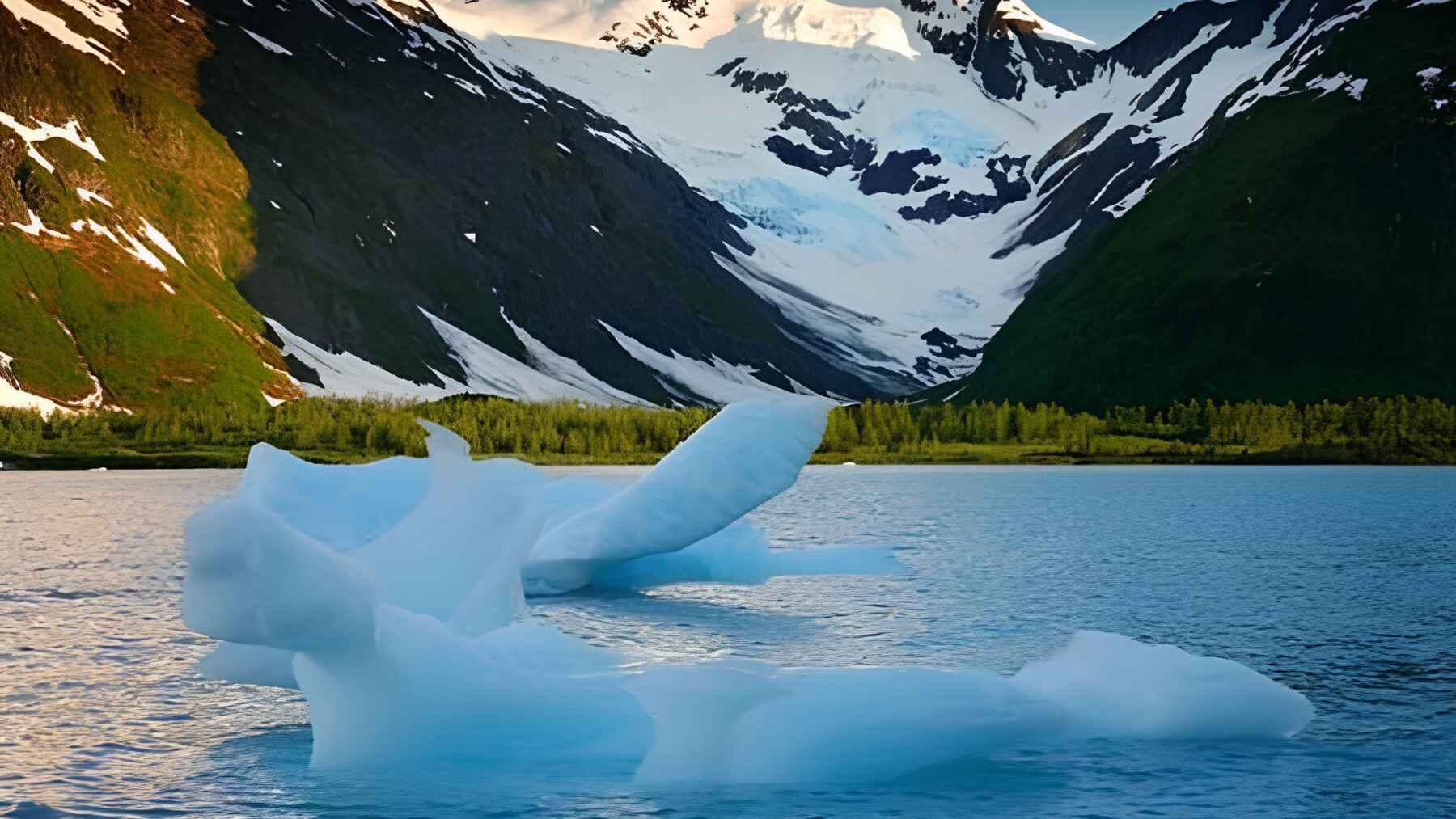
Iowa State University, in cooperation with a Saudi prince, wanted to find out if all that floating ice in the arctic could become potable for water-deprived countries. In October of 1977, a 2,500-lb. piece of Alaskan glacier ice made its way to Ames by helicopter, plane, and refrigerated truck.
The demonstration never led to a Saudi iceberg delivery, but the question behind it has not gone away. The global water gap remains enormous, making the Iowa spectacle look less like a stunt and more like an early warning about the lengths nations may consider when reliable water is scarce.
The “most expensive ice cube”
The block came from Portage Lake in Alaska, measured roughly 6x5x5 ft., and was wrapped in insulation and dry ice. Divers from the U.S. Arctic Naval Research Laboratory selected it, then transport crews moved it by helicopter, plane, and refrigerated truck at a reported cost of $8,500.
Once in Ames, the ice was stored in a walk-in refrigerator at the Iowa State Memorial Union. Delegates could inspect its structure while considering methods for selecting, towing, cutting, and melting icebergs that would be many thousands of times larger.

Why a Saudi prince paid for it
Prince Mohammed Al-Faisal, who was closely involved with Saudi Arabia’s desalination program, viewed desalination as costly and energy intensive. Iowa State’s archive says he contributed $50,000 of his own money to the conference, while the National Science Foundation provided another $25,000.
His goal was to transport an iceberg to his region within a decade, and he founded Iceberg Transport International to pursue the idea. That detail matters because this was heavily backed by the prince rather than a fully supported Saudi government project, and the archive says interest faded by 1982 largely because government backing did not materialize.
A conference built around a real problem
The First International Conference and Workshops on Iceberg Utilization ran from October 2 through October 6, 1977. Iowa State records approximately 175 scientists at the event, while a historical account describes participants from 18 countries, including engineers, marine biologists, officials, and corporate representatives.
They examined iceberg selection, transport, weather modification, and the environmental, social, and political consequences of treating polar ice as a resource. The Alaskan block supplied something diagrams could not, but it remained a hands-on demonstration rather than proof that a drifting mountain of ice could be controlled through storms, warm currents, shipping lanes, and months at sea.
Why the plan stayed on paper
Long-distance iceberg delivery has never been completed at the scale needed to ease a major water shortage. A useful iceberg must survive wave erosion and warm water, remain stable under tow, reach a suitable coast, and then be harvested quickly before the remaining ice melts.
That last step is easy to overlook. In practical terms, a city would need an offshore system for securing, cutting, or melting the iceberg, followed by pumps and pipelines to bring the water ashore while the ice continued to shrink.
Modern modeling shows the scale
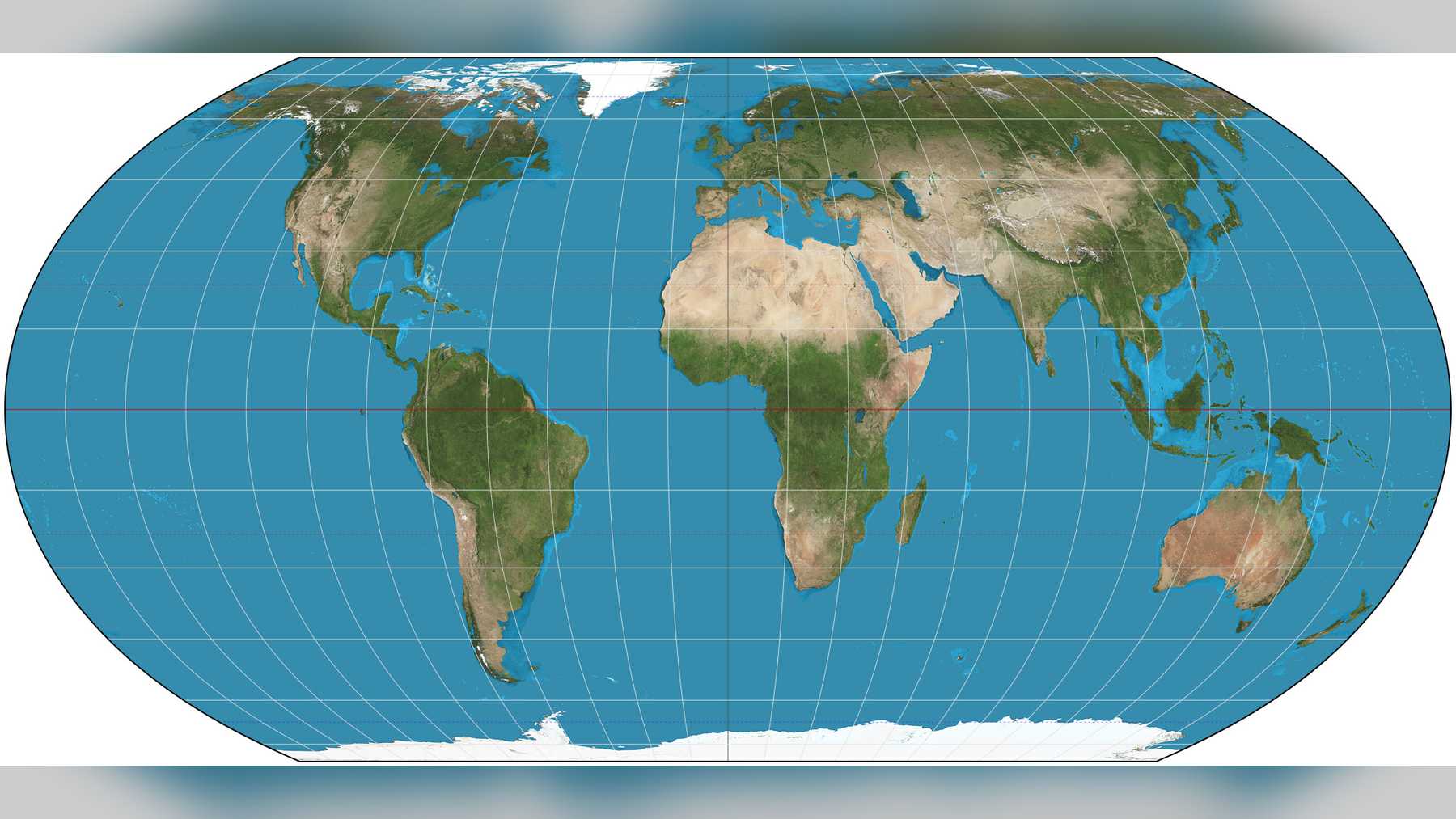
A 2023 study in Scientific Reports modeled a roughly 5,600-mile tow from the Southern Ocean to the United Arab Emirates. At 0.5 meters per second, the trip would take 206 days, including more than 100 days in air and water temperatures of about 77° to 86°F.
The model found that an unprotected iceberg would need to start about 1.2 miles long and nearly 2,000 ft. thick, with roughly 10 to 20 powerful vessels required to move it. Insulation could reduce its starting length to about 0.8 miles, but the tow would still need around 12 vessels, and the estimated 8.4 billion gallons delivered would cover only seven or eight days of the UAE’s total domestic demand.
The researchers called the route theoretically feasible, not operationally proven. Their analysis did not calculate the full cost of the mission, and the practical method for harvesting such a huge mass of ice remained unresolved.
Desalination won the first round
Saudi Arabia ultimately expanded the technology the prince hoped iceberg water might replace. The Saudi Water Authority says desalinated water output now exceeds 11.1 million meters³ per day, making the kingdom the world’s largest producer.
That contrast is telling. Desalination now operates at national scale, while intercontinental iceberg delivery remains a modeled possibility without a proven supply chain or demonstrated economics.
Water pressure keeps the idea alive
The world’s water gap is large enough to keep unconventional ideas in circulation. United Nations data show that 2.2 billion people lacked safely managed drinking water in 2024, while many countries in Northern Africa and Western Asia face water stress above 75%.
That does not make every dramatic proposal practical. Any renewed iceberg project would need transparent accounting for towing fuel, legal rights, marine hazards, ecosystem effects, delivered water cost, and the risk of losing much of the cargo before it reaches shore.
What the Iowa iceberg actually proved
The frozen visitor in Ames did not prove that Antarctic icebergs could supply desert cities. It showed that water insecurity was already serious enough in 1977 to draw specialists from around the world into a room with a very expensive block of ice.
Nearly five decades later, computer models suggest the physics may not be impossible, but the engineering remains immense and the economics unresolved.
The full modern feasibility study was published in Scientific Reports.