André Coleman, PNNL chief scientist: “Utilities can't address every wildfire risk at once, so it's important to identify priorities first”
A DOE lab program gives eight western utilities free wildfire risk analysis; SDG&E spent about $2.7M a mile to bury lines, a PNNL review found.

· 3 min read
Key points
- The WISE Utilities program is funded by the DOE Office of Electricity and gives participating utilities expert analysis at no cost.
- Tacoma Power plans a new situational awareness dashboard before the 2027 wildfire season.
- Second-phase applications closed on November 20 and are under review, with help expected from January 2027.
Electric utilities face growing pressure to understand and address wildfire risk, often on limited budgets. A federal laboratory program is helping them decide where to act first. André Coleman, a chief scientist at the Pacific Northwest National Laboratory (PNNL) who leads it, says the key is setting priorities.
“Utilities can't address every wildfire risk at once, so it's important to identify priorities first,” Coleman said. “We're helping them connect wildfire science to decisions about their own system and operations. The goal is to focus limited risk mitigation dollars where they can best protect people and essential services.”
PNNL, a Department of Energy laboratory, described the program in a news release on November 17. Founded in 1965, the laboratory is operated by Battelle.
What the program does
The program is called Wildfire Insights and Support for Electric (WISE) Utilities. It is funded by the DOE Office of Electricity and led by PNNL.
It offers expert analysis and technical support at no cost. Public, Tribal and municipal utilities and electric cooperatives take part. Eight utilities joined the first phase, which launched last year, according to the laboratory.
Larger, more intense fires are threatening communities and critical infrastructure across the country, PNNL says. Utilities face growing pressure to understand these risks. They often have limited budgets and limited access to specialized expertise.
Each utility works with a leading technology consultant contracted by PNNL. The assessments combine data on the utility's infrastructure and operations with an analysis of wildfire risk across its service territory.
Mapping fuel and falling trees
The work can include mapping vegetation that could fuel a fire. It can also mean assessing trees that might fall onto power lines. Other tasks include analyzing local weather that raises wildfire risk and finding where electrical faults could occur.
Utilities can then use the findings to plan upgrades and maintain vegetation, the laboratory explains. They can also adjust protective settings that interrupt power when problems occur.
According to the program's webpage, risk assessments that model fire spread and its socioeconomic impacts have already been delivered. Future insights include high fire threat district mapping and tree strike potential.
The webpage says the program covers the whole wildfire management lifecycle. That includes prevention, mitigation, preparedness, response and recovery. Support can take many forms, such as consultations, workshops, modeling and data assessments.
Examples listed on the webpage include material for wildfire mitigation plans and support for public safety power shutoff planning. It also mentions help with resilient rebuilding strategies for areas affected by wildfire.
Mitigation can cost a lot
Risk mitigation can involve substantial investments for utilities, PNNL notes. A PNNL review looked at San Diego Gas & Electric between 2020 and 2022.
It found that the company spent approximately $2.7 million per mile to bury power lines in that period. It also spent approximately $1.2 million per mile to install covered overhead wires, according to the review.
Program staff plan to deliver the first-phase assessments and tools for the 2027 wildfire season. The first phase is expected to conclude in early 2027, the webpage says.
A utility in Washington State
Tacoma Power in Washington State took part in the program's first phase. It lacked the internal resources for risk analysis, mapping and wildfire ignition detection, according to PNNL.
Before joining, it relied largely on public resources, including National Weather Service fire weather monitoring. It now plans to build the recommendations into its operations and training before the 2027 season. One addition is a new situational awareness dashboard.
“We plan to use data to identify where to install equipment that can isolate sections of the grid in high-threat areas,” said Jayson Lelli, emergency manager at Tacoma Power.
The first group is based in the western United States. Besides Tacoma Power, it includes Clark Public Utilities, Columbia River Public Utility District, Consumers Power Inc., Douglas Electric Cooperative, Lassen Municipal Utility District, Lincoln Electric Cooperative and Pend Oreille Public Utility District.
A second group in 2027
PNNL has launched a second phase that extends the no-cost assistance to utilities nationwide. Applications closed on November 20 and are now under review, the laboratory says. Assistance is expected to begin in January 2027.
The program does not pay for software, power system equipment or other capital expenses, the webpage notes. Coleman says the goal is to focus limited dollars where they can best protect people.
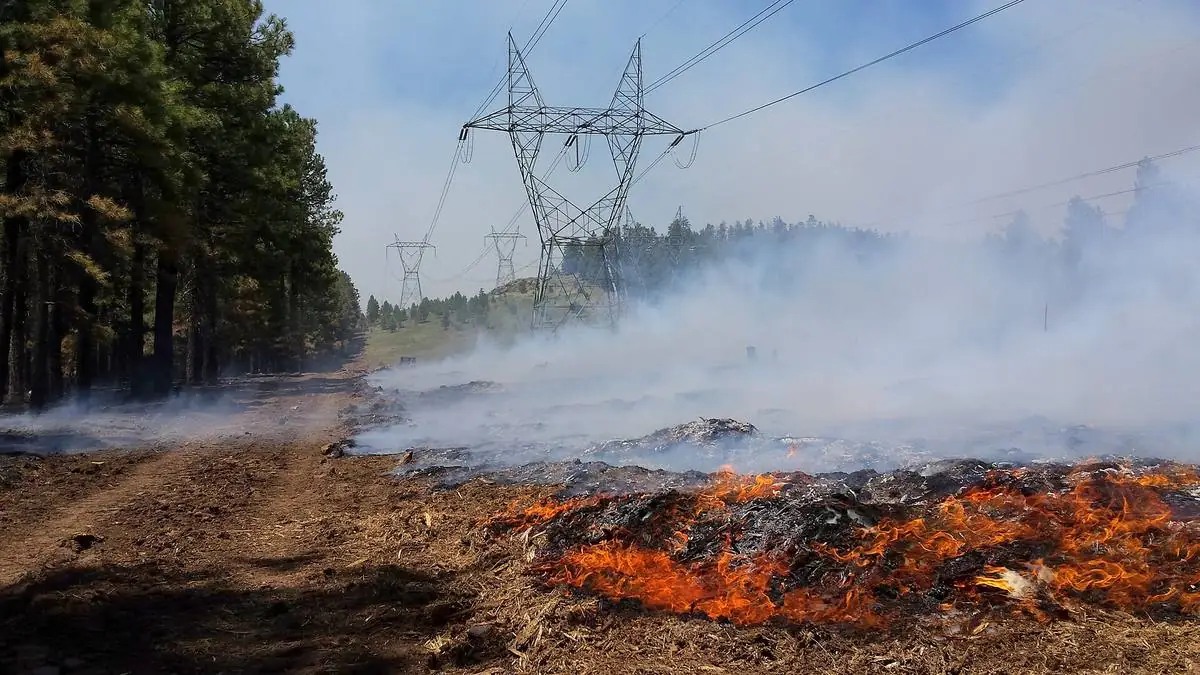
Liza Simmons / USDA Forest Service (Coconino National Forest)
Adrián Villellas
Writer at ECOnewsAdrián Villellas is a computer engineer and entrepreneur in the fields of digital marketing and advertising technology. He has led projects in data analysis, sustainable advertising, and solutions for new audiences. He also contributes to scientific initiatives related to astronomy and space observation. He writes for science, technology, and environmental media outlets, where he makes complex topics and innovative advances accessible to a broad audience.
More from Adrián VillellasComments · 0
Rules ›No comments yet. Be the first to share your view.