How long do owls live: federal banding records show a great horned owl in Ohio reached at least 28 years and a snowy owl nearly 24, while barn owls in one study died at about 21 months on average
Owl lifespan: wild great horned owls average about 13 years, and federal banding ages are minimums, since a bird's age counts only from when it was banded

· 5 min read
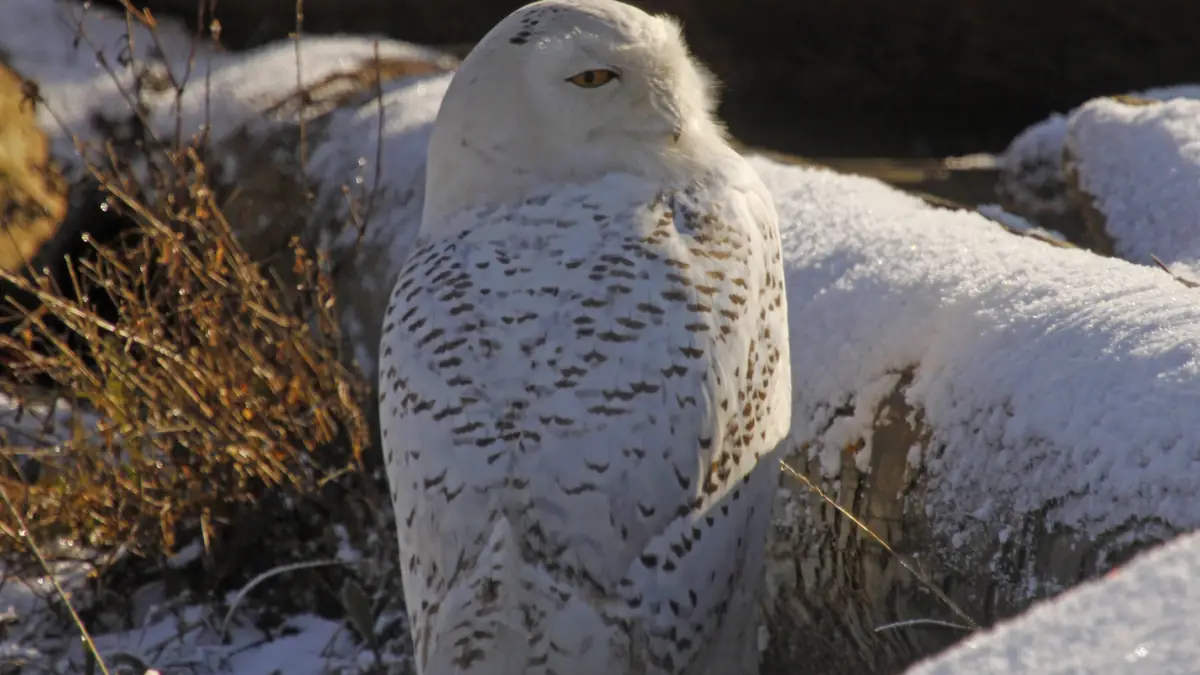
Wild owls can live close to 29 years, according to the U.S. Geological Survey's Bird Banding Laboratory, whose records include a great horned owl banded in Ohio on April 14, 1997, and found dead in the same state on April 22, 2025, at least 28 years and 10 months old.
That owl is an outlier. The average wild great horned owl lives about 13 years, according to Animal Diversity Web, a University of Michigan species database, and banded barn owls in one study died at 20.9 months on average.
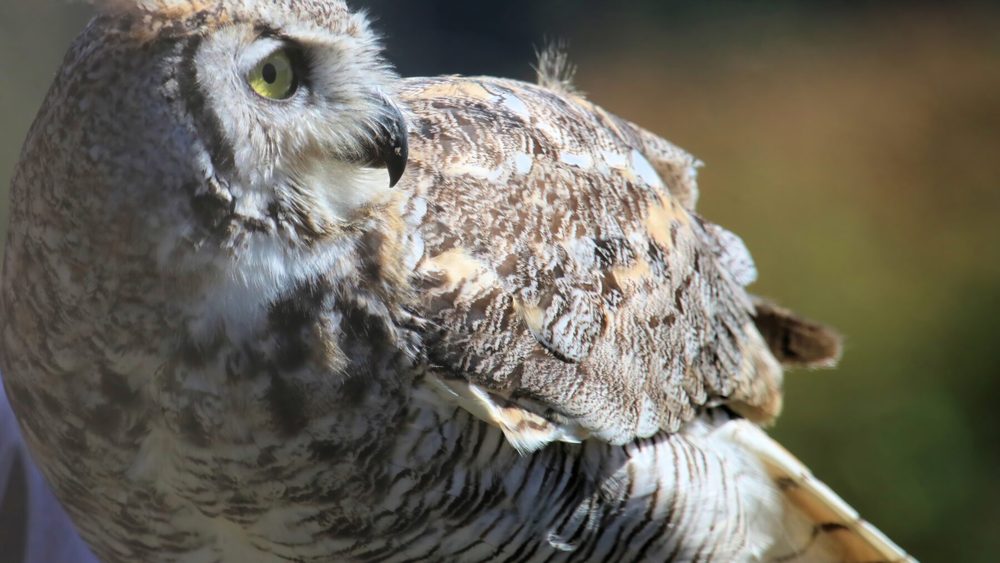
A banding record isn't a normal lifespan. It's a minimum age. Biologists fit a bird with a numbered leg band, and its age is counted from that banding until someone reports the band again. The lab assumes every bird hatched in June, so an owl first caught as an adult may well be older than its listed age.
The table has other limits, which the lab spells out on its longevity records page. It doesn't include birds raised in captivity or released after rehabilitation. It also holds only what has been reported to the program, so it isn't a list of every world record. The figures in this story come from version 2025.1, updated in December 2025.
The same band-and-report system is how biologists know the age of Wisdom, the Laysan albatross banded on Midway Atoll in 1956, who is about 75 and the oldest known wild bird. The table below lists the federal records for eight North American owls. Captive figures come from Animal Diversity Web and AnAge, and the sources checked for this story gave none for the other species.
| Owl | Oldest banded wild bird (USGS) | Where and when | Captive record |
|---|---|---|---|
| Great horned owl | 28 years, 10 months | Ohio, 1997 to 2025, found dead | 35 years |
| Barred owl | 26 years, 7 months | North Carolina, through 2019 | No figure found |
| Snowy owl | 23 years, 10 months | Massachusetts, 1992 to 2015, released alive | 28 years |
| Spotted owl | 21 years, 1 month | California, 2022 | No figure found |
| Great gray owl | 18 years, 9 months | Alberta, 2013 | No figure found |
| Barn owl | 15 years, 5 months | Ohio, 1961 to 1976, shot | No figure found |
| Eastern screech-owl | 14 years, 8 months | Delaware, 2017 | No figure found |
| Burrowing owl | 9 years, 11 months | California, 2014 | No figure found |
Barn owls: a 15-year record, a 20.9-month average
The oldest barn owl (Tyto alba) in the federal table was banded as a nestling in Ohio on June 6, 1961. Its band came back from Ohio on November 3, 1976, after the bird was shot. That's 15 years and 5 months.

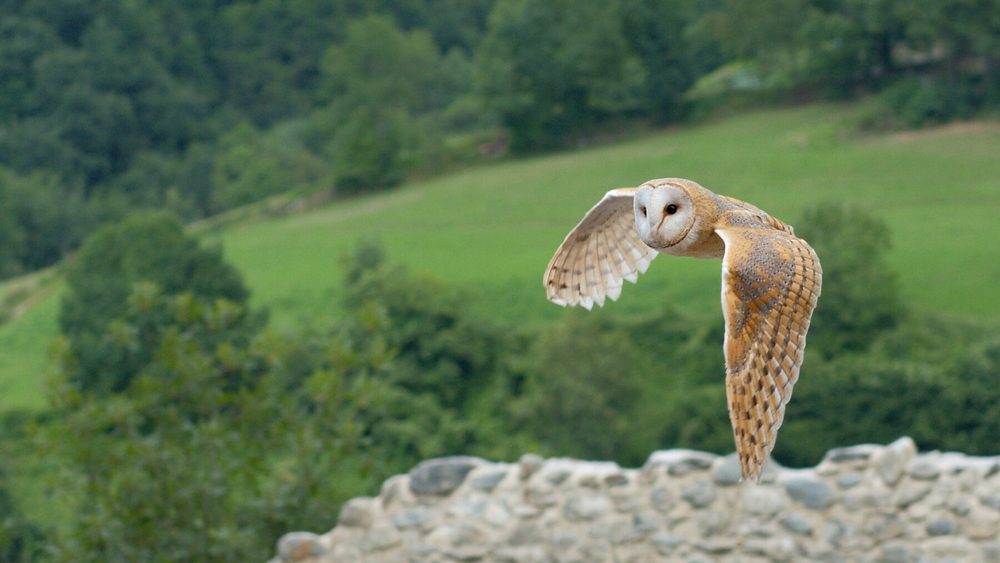
Most barn owls don't come close. First-year mortality can reach 75 percent, Animal Diversity Web says, and in the study of 572 banded birds the average age at death was 20.9 months, short of a second birthday.
Great horned and snowy owls last longer
The Ohio great horned owl (Bubo virginianus) was already an adult when it got its band in April 1997, so it may have been older than 28 years and 10 months when it was found dead. Animal Diversity Web puts the species' wild record at 28 years. These owls don't migrate on a regular schedule, according to the National Audubon Society, though some travel far in fall and winter, and some of them head south.
The snowy owl (Bubo scandiacus) record has a happier ending. Banders put a band on a female in Massachusetts on March 20, 1992, when she was in her second year. She was caught again in the same state on April 5, 2015, and released alive. By the lab's count, she was at least 23 years and 10 months old.
Barred owls sit between those two species, at 26 years and 7 months, from a North Carolina bird last reported in 2019. Spotted owls have reached 21 years and 1 month, from a California bird in 2022. The tiny burrowing owls that moved into an Arizona solar farm and turned part of it into a nursery for their chicks top out at 9 years and 11 months, from a California record in 2014.
Owls in captivity, and the 34-year barn owl
Captive owls in these databases outlast the wild records. Animal Diversity Web gives captive great horned owls an average life of 20 years, seven more than wild ones, and a record of 35. For snowy owls, the AnAge database, from the Human Ageing Genomic Resources project, lists a captive maximum of 28 years, though it rates that sample as small.
A search for the oldest owl ever turns up a bigger barn owl number. Animal Diversity Web and AnAge both list a wild barn owl that lived 34 years. That claim comes without banding or recovery dates, so it can't be checked the way the federal entries can. The verified U.S. record for the species stays at 15 years and 5 months.
Why snowy owls come south in winter
Snowy owl migration is poorly known, according to Audubon's field guide. During the breeding season the birds are nomads, gathering wherever lemmings (small northern rodents) are plentiful.
The number that comes south each winter changes a lot from one year to the next, probably depending on how much prey there is up north, Audubon says. It lists the Great Lakes, New England, the Mid-Atlantic and the Plains among the regions where snowy owls turn up.
A banded snowy owl found or recaptured during the winter of 2026-27 will count toward these records only if its band is reported to the program. The lab updates its longevity table once a year.
Javier Niño
Writer at ECOnewsJavier Niño has been a Spanish National Police officer since 2017 and a journalist specialising in employment, labour law and Social Security, with more than seven years of writing experience. At ECOnews he covers environment, energy and sustainability news, focusing on how new regulations and court rulings affect people in their everyday lives.
More from Javier NiñoComments · 0
Rules ›No comments yet. Be the first to share your view.