




Adrian Villellas

Adrián Villellas is a computer engineer and entrepreneur in the fields of digital marketing and advertising technology. He has led projects in data analysis, sustainable advertising, and solutions for new audiences. He also contributes to scientific initiatives related to astronomy and space observation. He writes for science, technology, and environmental media outlets, where he makes complex topics and innovative advances accessible to a broad audience.
Artist’s illustration of two planets colliding in space and blasting fiery debris

It is believed that a violent collision between two planets located 11,000 light-years away has created a gigantic dust cloud… and astronomers believe they have witnessed it almost in real time

—
March 28, 2026 at 5:26 AM
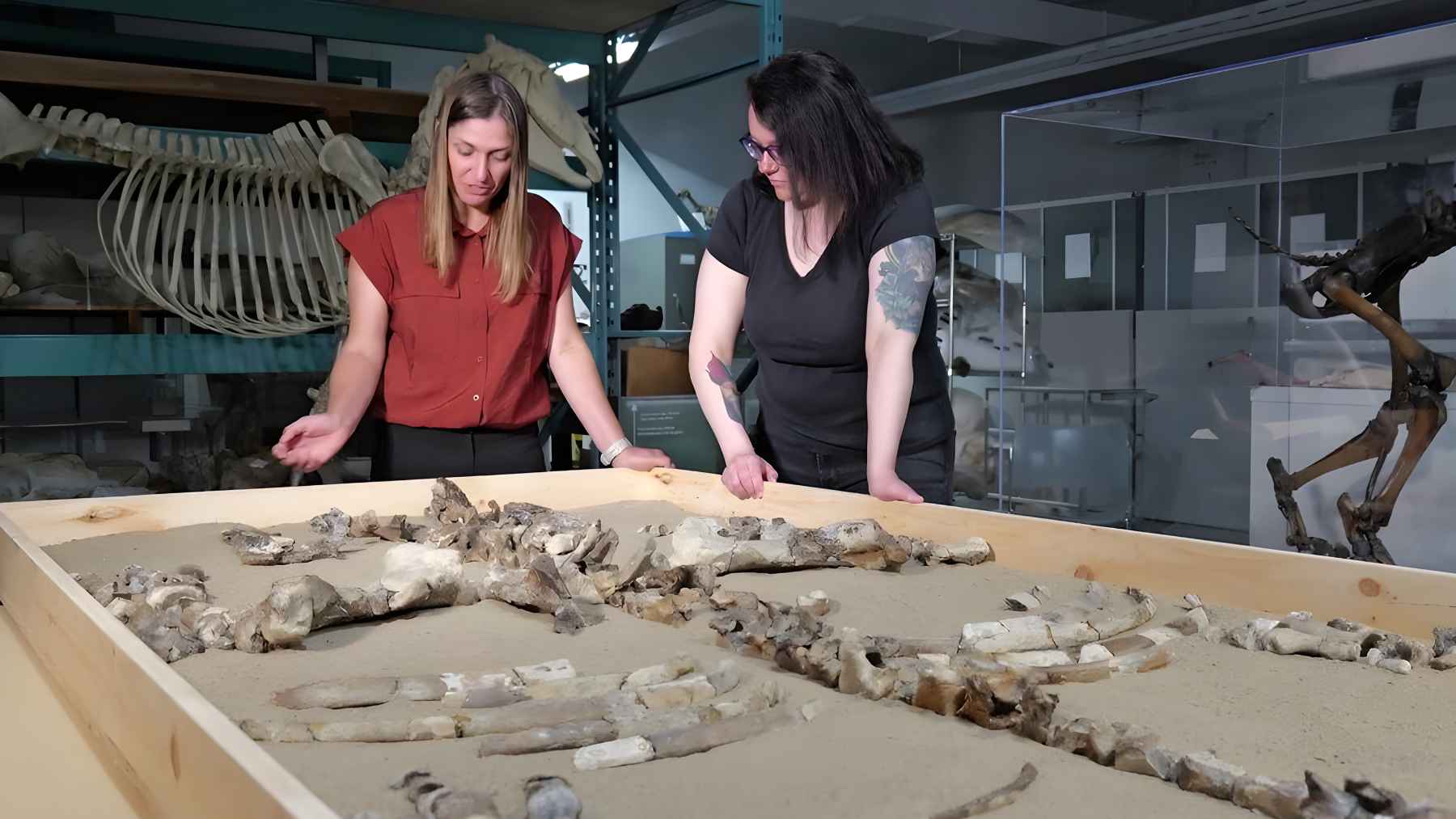
Fossil remains of an ancient rhinoceros discovered on Devon Island in the High Arctic

A 23-million-year-old “polar rhino” has been discovered in the far north of Canada, and the find is rewriting its migratory routes

—
March 27, 2026 at 5:00 PM
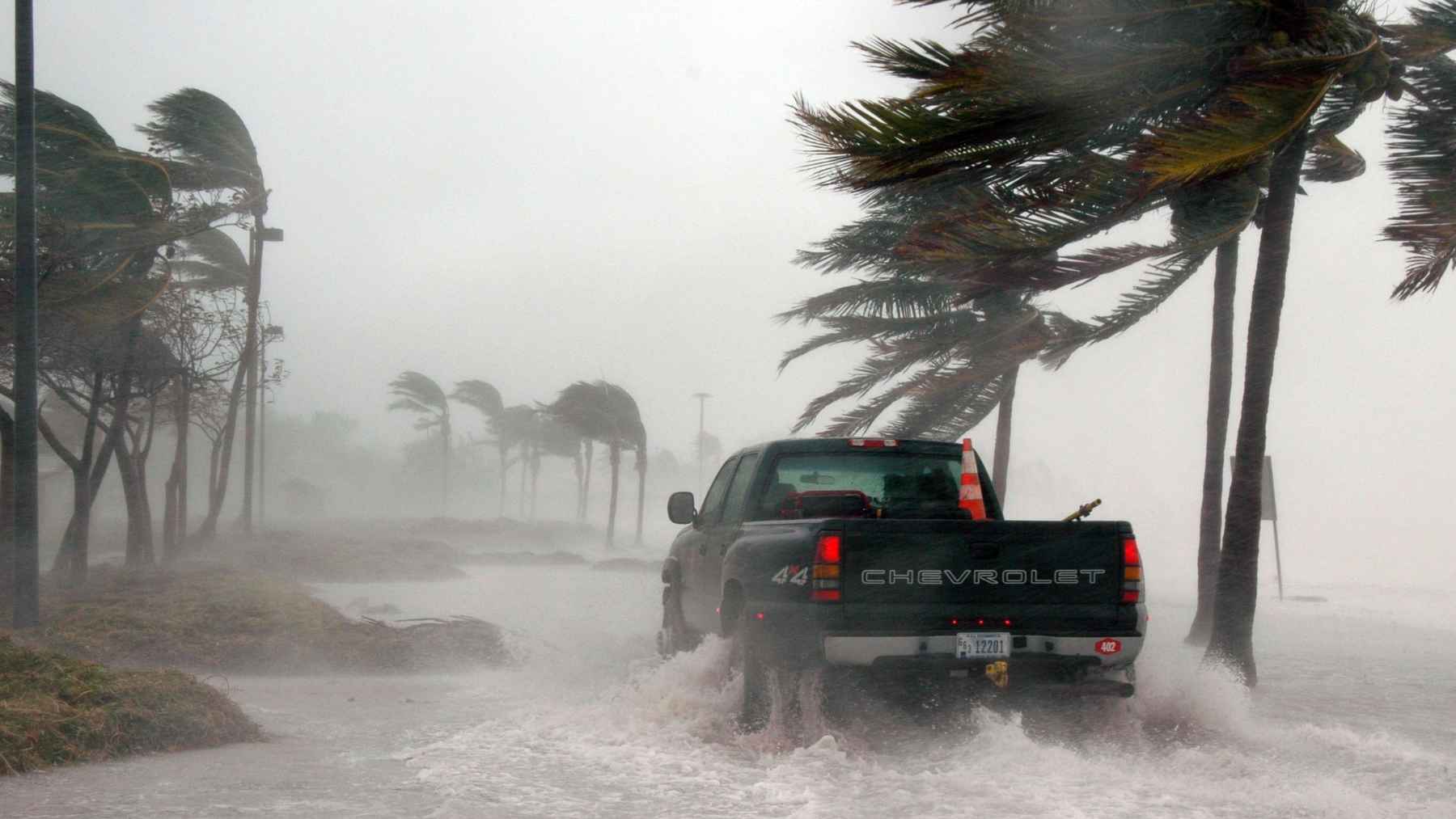
Satellite image of a powerful hurricane forming over the ocean as artificial intelligence models analyze storm development

Hurricane forecasting is about to change forever: AI is beginning to detect sudden intensifications before they occur and could help prevent future disasters

—
March 27, 2026 at 12:30 PM
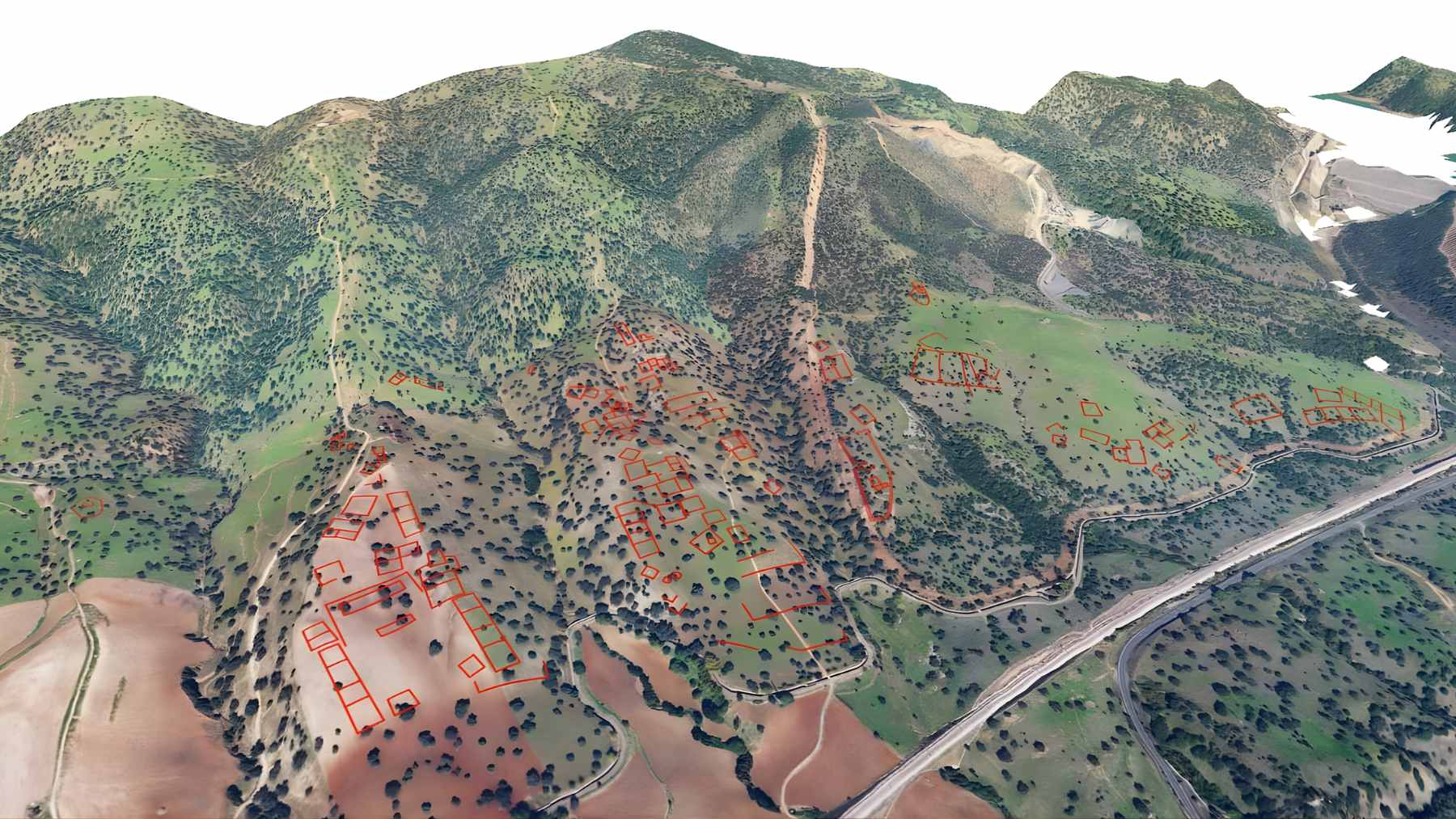
A high-resolution LiDAR digital terrain model of the hills near Córdoba, showing the rectangular outlines of a buried medieval city.

For centuries, it was just a legend of Al-Andalus, but now a LiDAR scanner is pointing toward Córdoba for the first time and suggesting that the lost city of Almanzor could be located here

—
March 27, 2026 at 10:15 AM
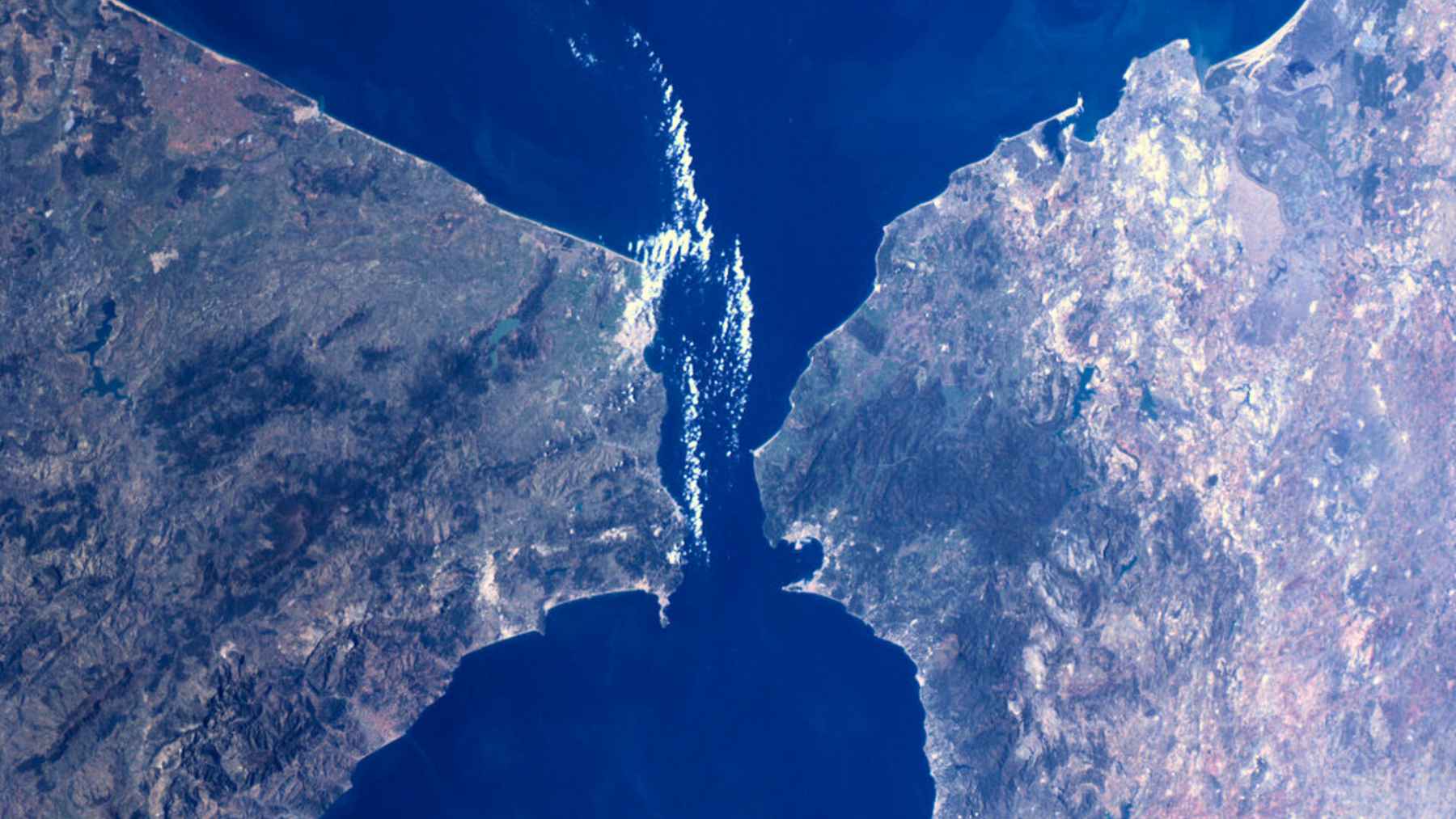
View of the Strait of Gibraltar, the narrow waterway between Spain and Morocco now at the center of a study about future subduction

The Strait of Gibraltar is about to disappear

—
March 27, 2026 at 6:30 AM
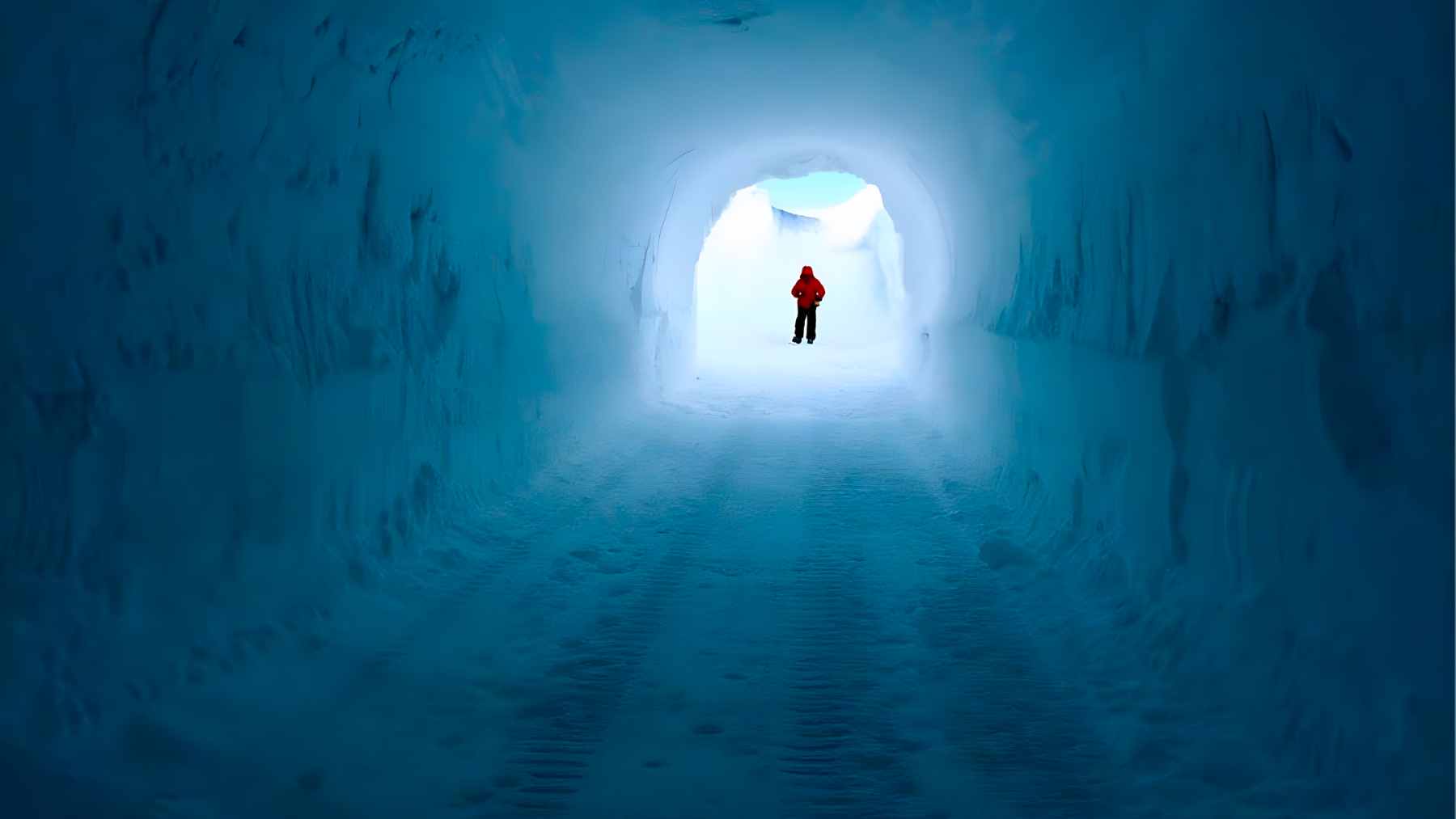
A view inside the 35-meter-long Ice Memory sanctuary, a snow-carved vault in Antarctica containing rows of archived mountain ice cores.

They dig a “cave” under the snow in Antarctica and create a natural refrigerator at -50 °C that could preserve the Earth’s climate for centuries

—
March 26, 2026 at 3:00 PM
A close-up of a laboratory-scale solid-state hydride ion battery prototype developed by the Chinese Academy of Sciences, connected to a glowing yellow LED.

China strikes a blow in the energy race and presents the first functional hydrogen battery, a solid-state prototype that has already managed to light an LED lamp and threatens to usher in a new era beyond lithium

—
March 26, 2026 at 12:30 PM
Neuroscientist Louisa Nicola explaining the physiological benefits of frequent movement breaks and squats for brain health and glucose control.

Neuroscientist Louisa Nicola’s squat advice: what the study on breaking up sitting time really found

—
March 26, 2026 at 8:45 AM
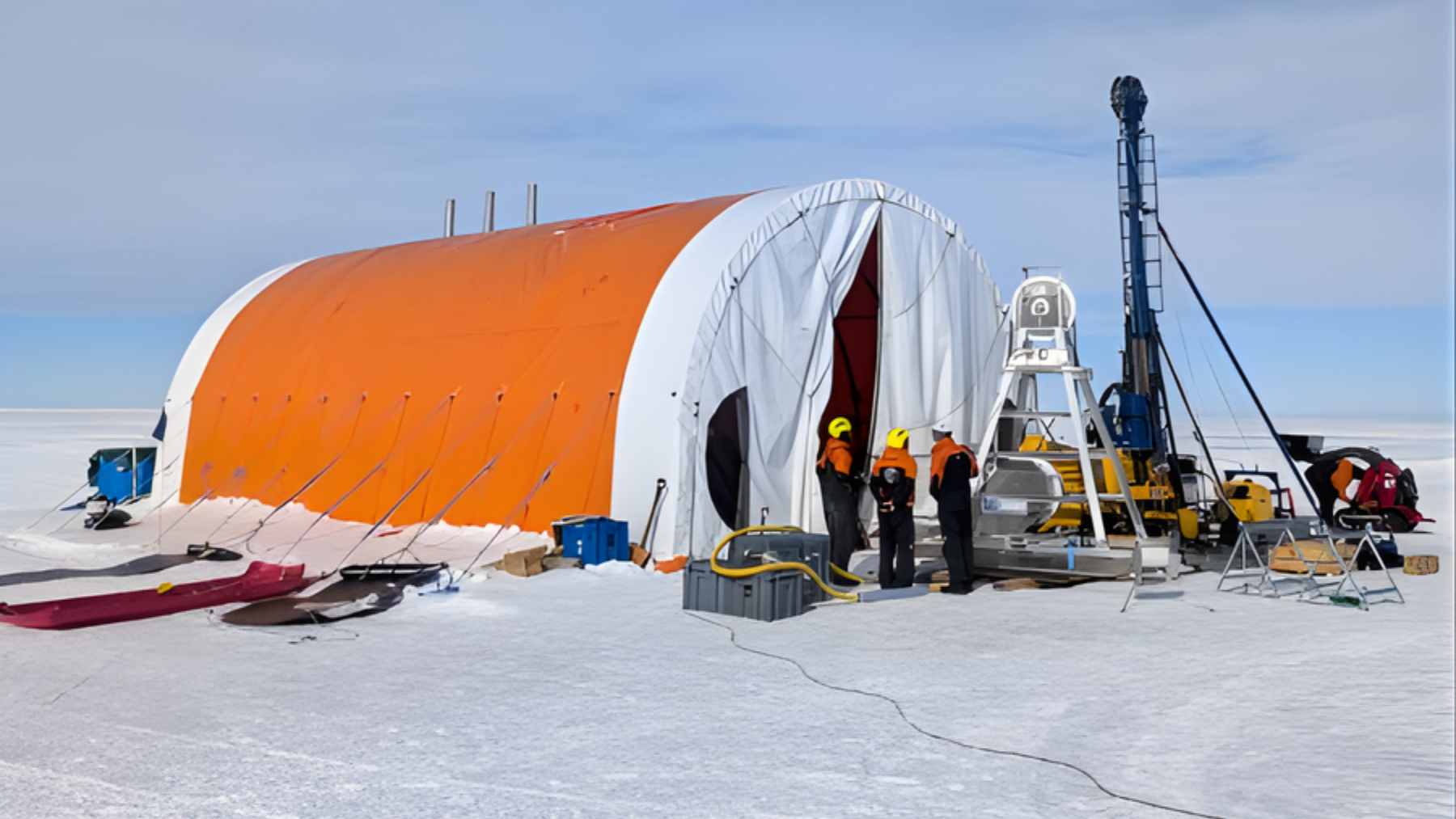
A specialized hot-water drill system and sediment coring rig positioned on the vast, flat expanse of the Crary Ice Rise in West Antarctica.

Scientists drill through 523 meters of ice at Crary Ice Rise to recover 23 million years of Antarctic climate history

—
March 25, 2026 at 5:00 PM
Physicist Stephen Hawking using his specialized communication system to deliver a lecture on the future of humanity and space exploration.

Stephen Hawking, physicist: “I don’t think humanity will survive the next thousand years”

—
March 25, 2026 at 10:15 AM
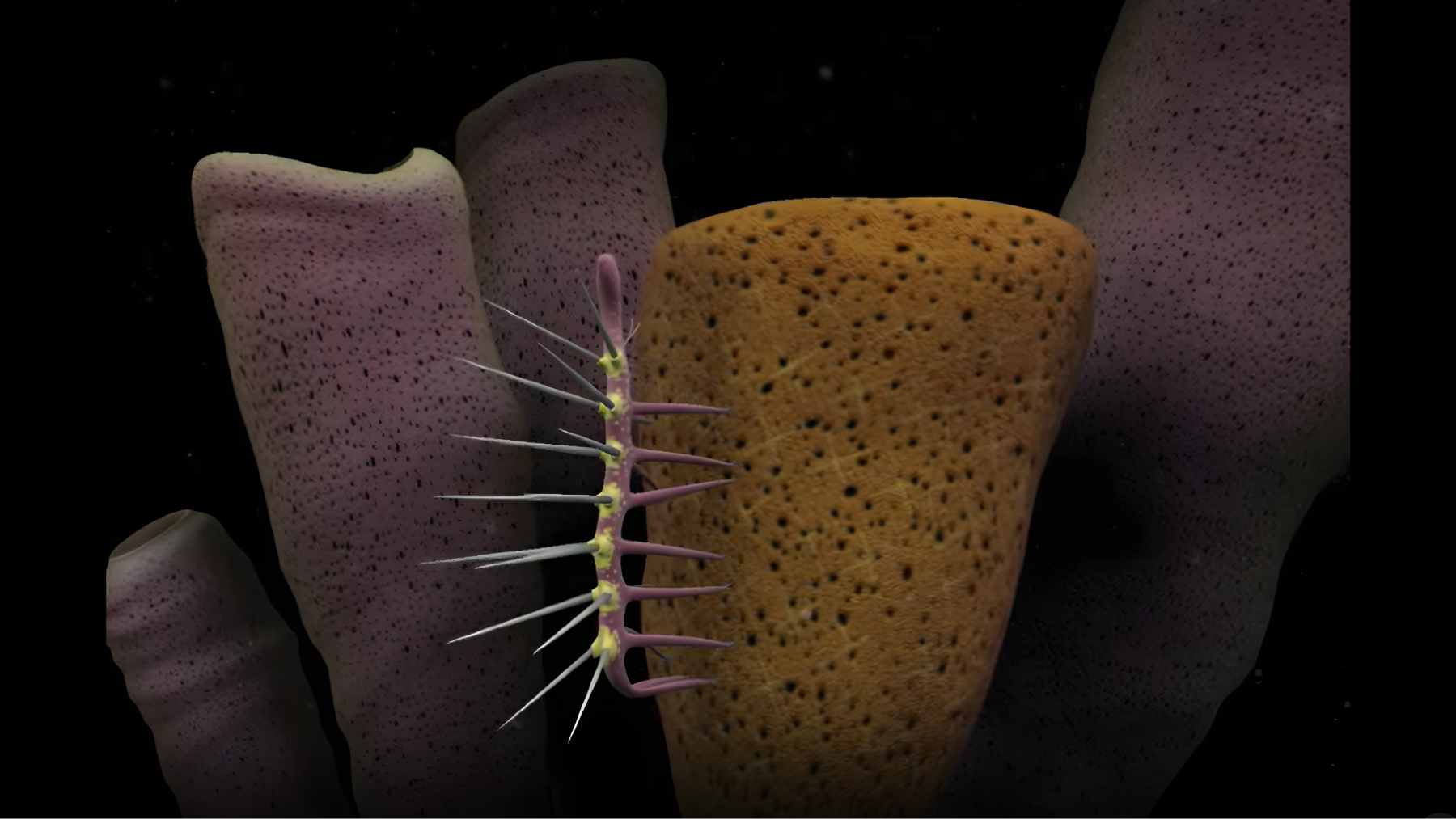
A high-resolution macro photograph of a Hallucigenia fossil from the Burgess Shale, showing its signature spikes and tubular body.

The specimen they described in 1977 returns to the scene almost 50 years later and solves the mystery of the diet of the ocean’s strangest creature

—
March 25, 2026 at 6:30 AM
Portrait of Bill Gates, whose comments on steady improvement and long-term progress anchor a broader lesson about change

Bill Gates’ advice on small improvements and what it means for energy efficiency at home

—
March 24, 2026 at 12:30 PM
AI simulation evolves vision from blind virtual creatures, revealing how eyes can emerge without direct programming

In 2026, an AI is challenged to design life from scratch, and the unthinkable happens: it starts with blind creatures and ends up developing a functional visual system without instructions, as if evolution had “sneaked” into the code

—
March 24, 2026 at 8:45 AM
Cup of black coffee on a white saucer, illustrating the debate over drinking caffeine immediately after waking up

If you are someone who drinks coffee as soon as you open your eyes, be careful with this: cortisol levels skyrocket in the first 30 to 60 minutes, and caffeine can cause you to feel a “strange euphoria”

—
March 23, 2026 at 5:00 PM
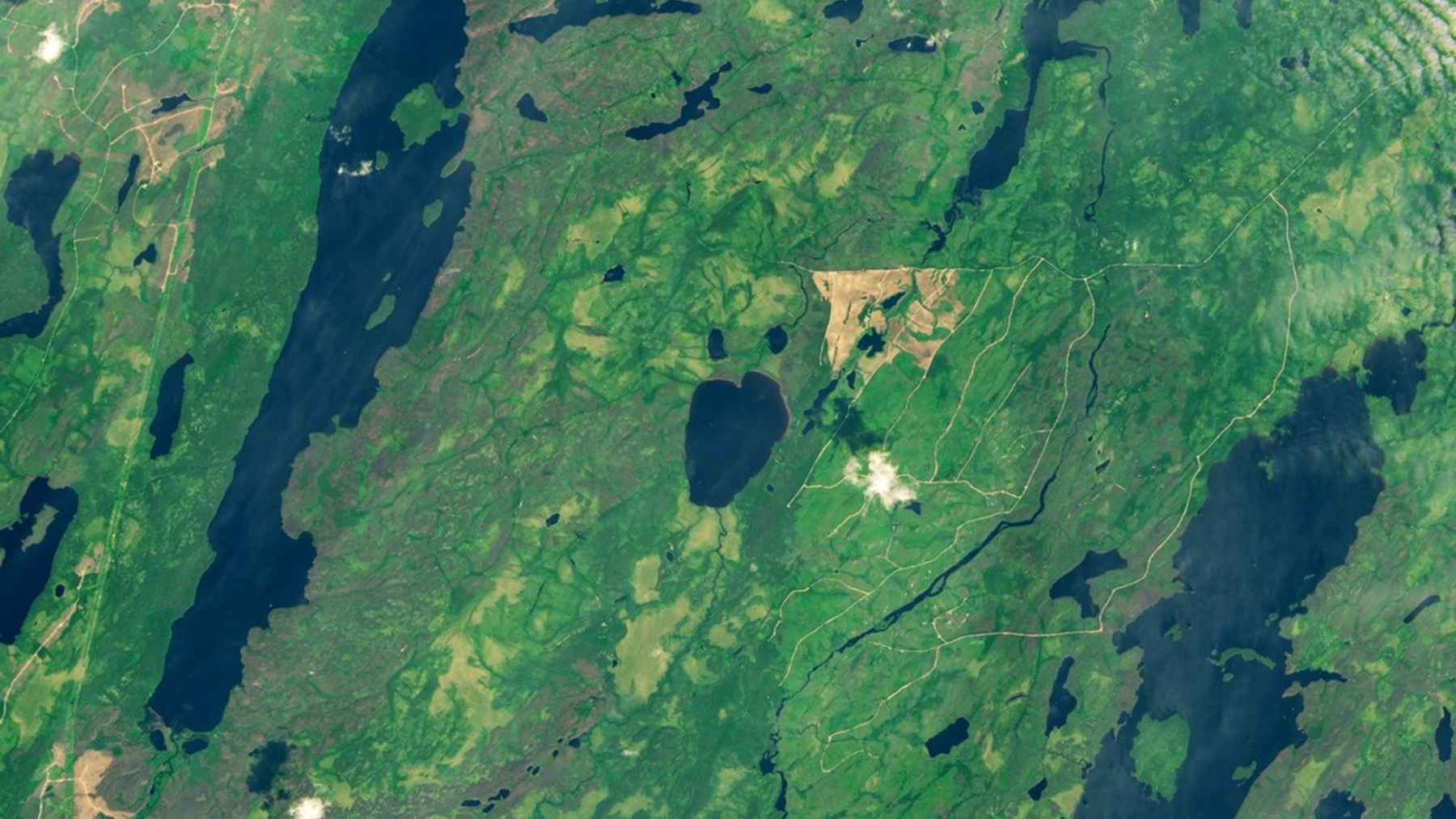
Satellite view of Lac Rouge and the surrounding landscape in northern Quebec before the lake’s sudden drainage event

An entire lake disappears overnight in northern Quebec, and the water travels more than 6.2 miles as if someone had pulled the plug

—
March 23, 2026 at 8:45 AM
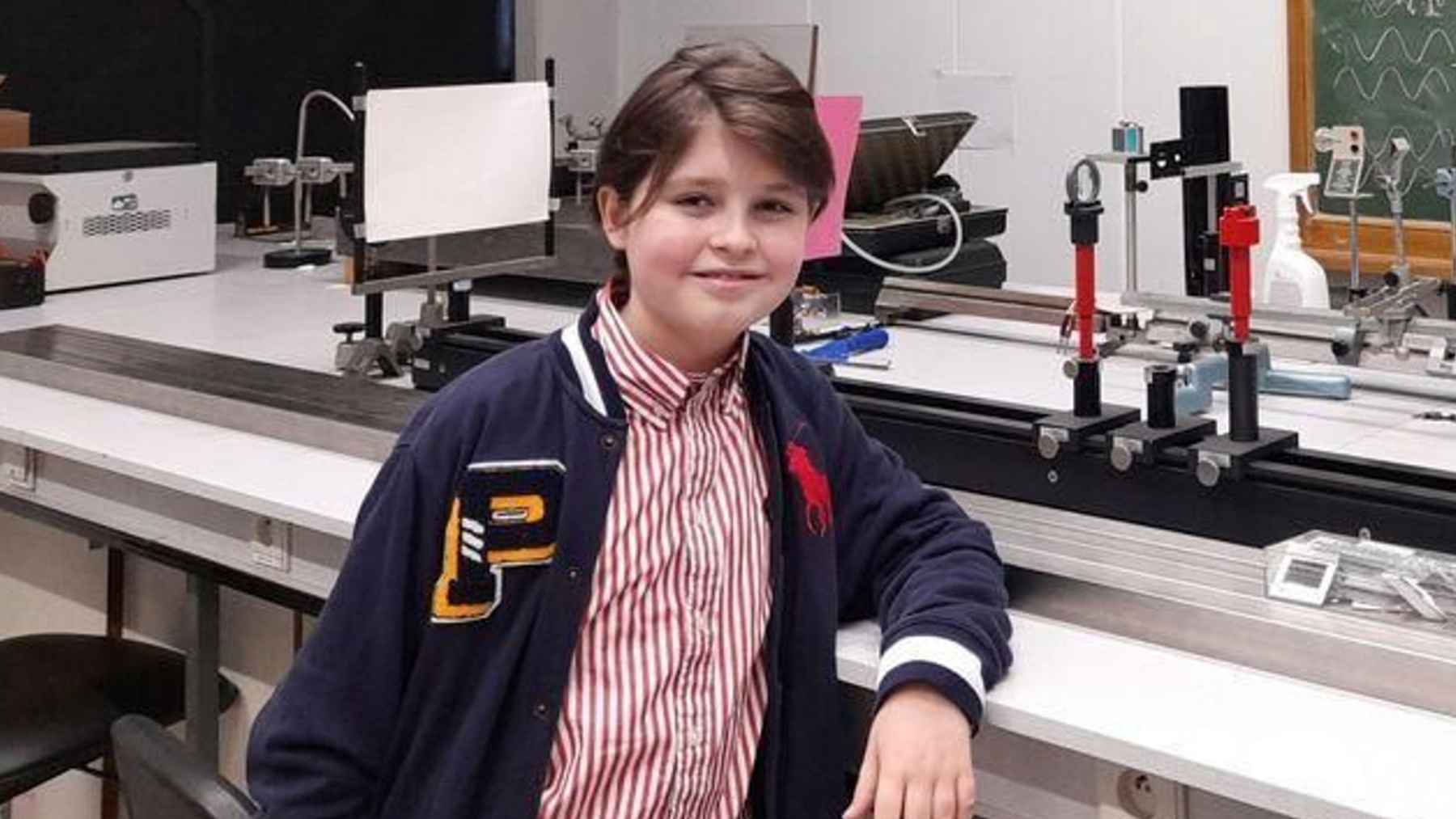
Laurent Simons in a physics lab in Antwerp as the 15-year-old researcher completes his doctorate in quantum physics

Laurent Simons earns a PhD in quantum physics at 15 in Antwerp and starts a second doctorate in medicine and AI in Munich

—
March 23, 2026 at 5:21 AM
Multi story residential building in rural China housing extended family in a shared vertical living arrangement

The Chinese family that built a 15-story building for its members: “They wanted to build new independent homes”

—
March 22, 2026 at 3:00 PM
Kia dealership and service center exterior, illustrating the warranty dispute over a 2019 Kia Optima engine failure

What seemed like a rock-solid 100,000-mile warranty turned into an exhausting battle for a Pennsylvania couple because Kia refused to repair the engine at 80,000 miles for a bureaucratic reason that many owners would never imagine

—
March 22, 2026 at 6:30 AM
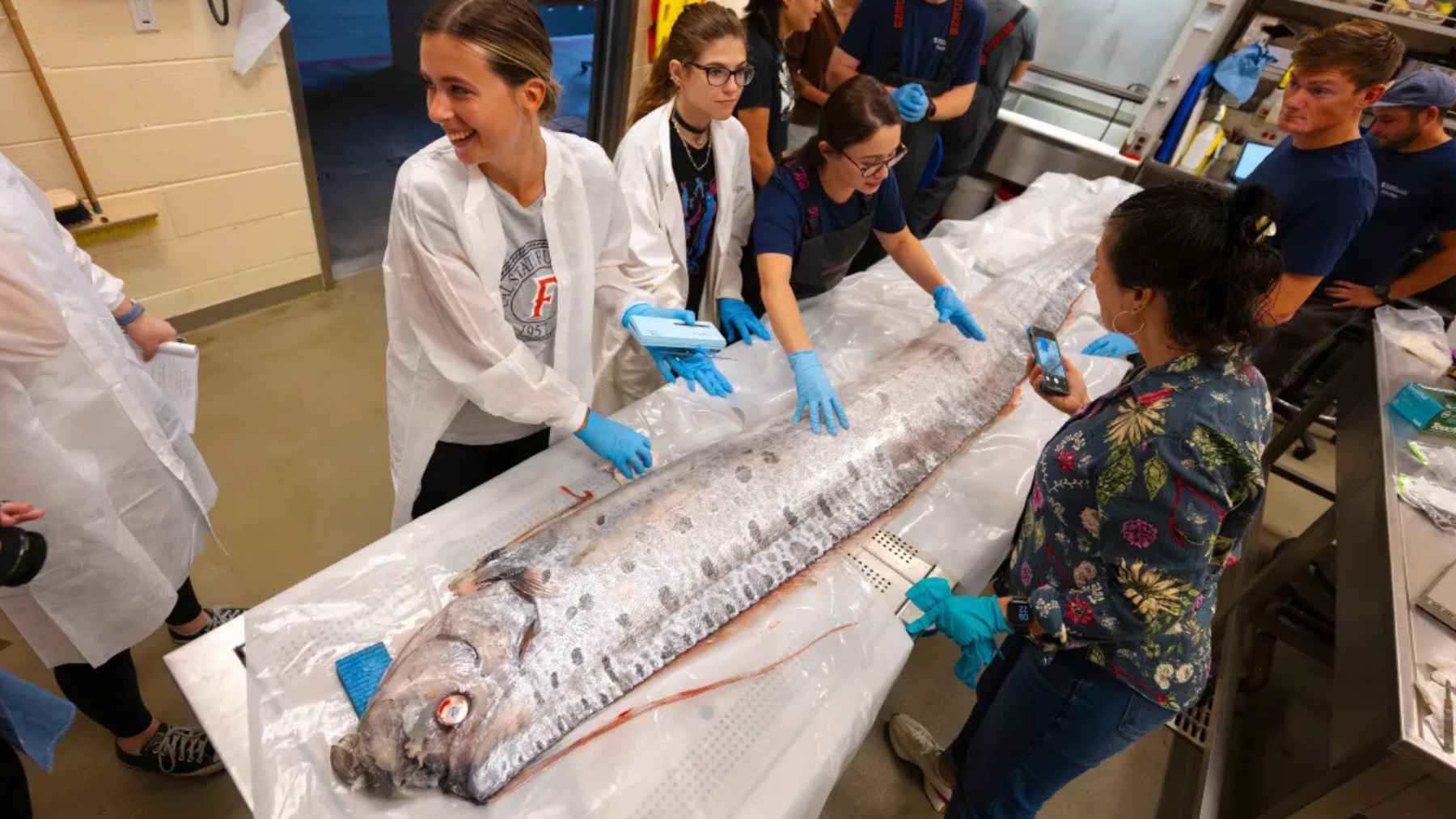
Scientists examine a rare oarfish specimen on a lab table after it was found near shore, highlighting deep-sea research

They call it “the king of herring,” and almost no one has ever seen it alive: a giant from the depths appears on the shore, leaving behind an uncomfortable question: what brought it out of the abyss?

—
March 21, 2026 at 5:00 PM
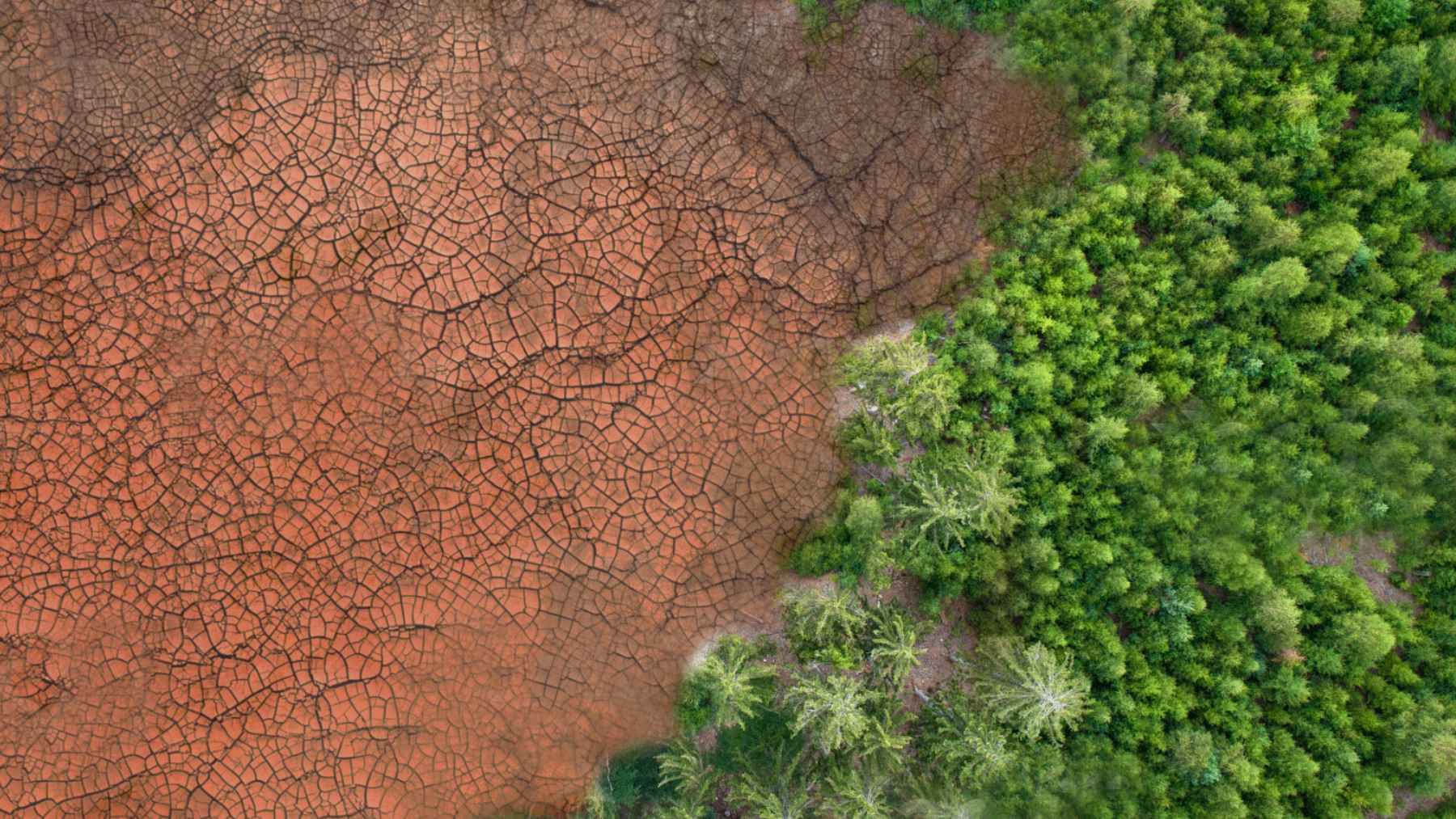
Aerial view of cracked dry ground beside dense green vegetation near China’s Taklamakan Desert restoration zone

China planted more than 66 billion trees to combat desertification, and now the success of its megaproject in the Taklamakan Desert is creating an unexpected problem

—
March 21, 2026 at 4:51 AM
Previous Next