In the world of energy and technology, there is always something new and with the latest invention in the field of fuel, it is China’s turn now. While Japan has been gradually advancing with hydrogen fuel, China has introduced a new concept of methanol dual-fuel engine for the first time.
This innovative engine not only makes a milestone for Chinese manufacturing industry but also will bring a revolution to the marine propulsion. Here is more information about this new generation engine and its implication to the market.
Breaking New Ground: China’s First Methanol Dual-Fuel Marine Engine
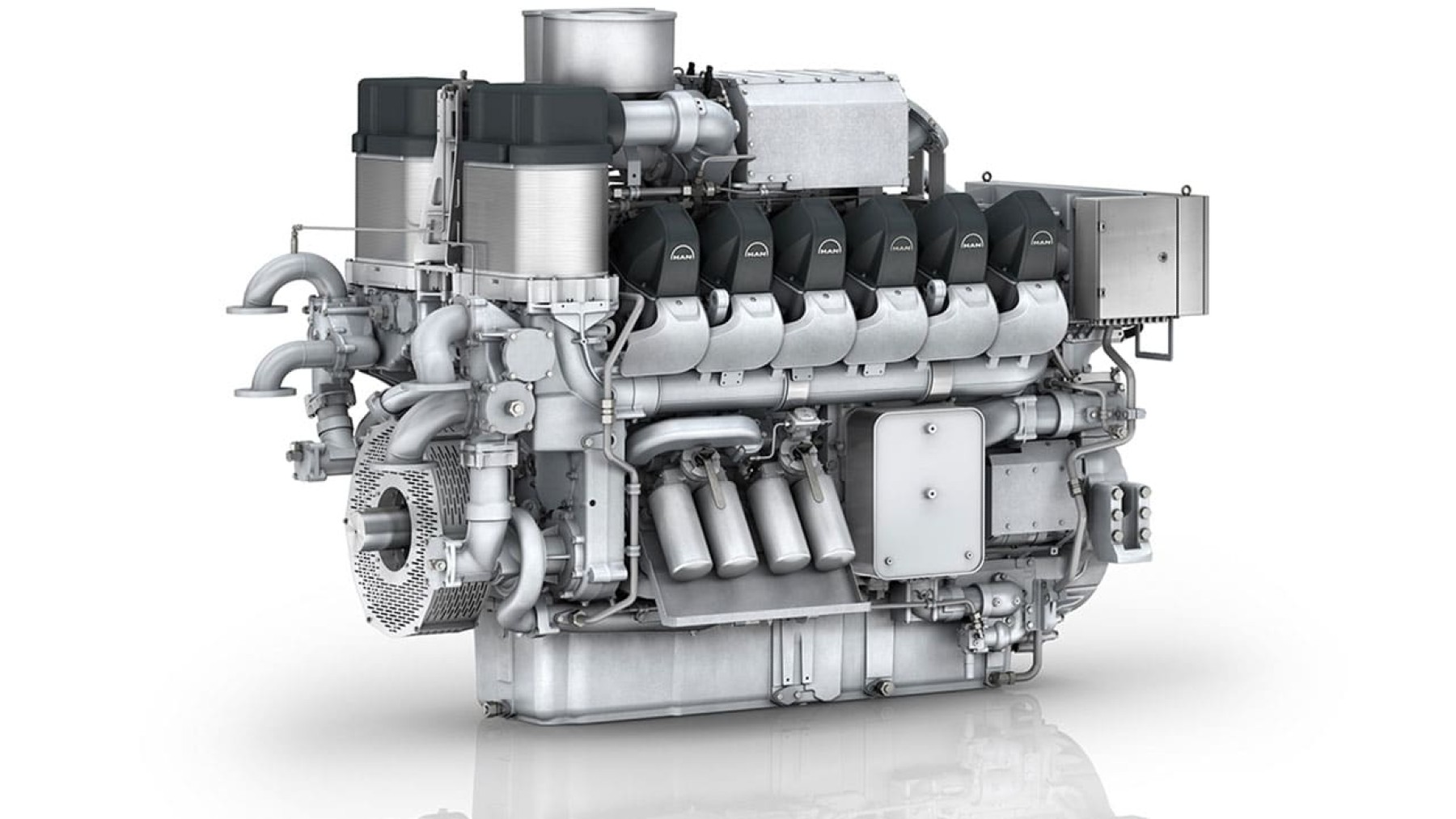
China’s advancement in fuel technology has been marked by the recent FAT of the first methanol dual-fuel marine engine. Developed by Dalian Marine Diesel Co., Ltd. (DMD) which is under CSSC Power Group, the 6G50ME-C9. 6-LGIM+EGRBP engine can be said to be the advancement in the Chinese marine power industry.
This engine, which is specifically intended for low speed applications, has recently undergone comprehensive supply and dynamic operation tests in the dual-fuel mode. These tests were carried out on a dedicated methanol dual-fuel test bed which proved the performance and durability of the engine.
Some of the key systems in the methanol dual-fuel test platform were the methanol fuel supply module, auxiliary heat exchanger system, nitrogen system and the control and security system and all these were provided by Headway Technology Group.
This successful FAT further proves the reliability and safety of the domestically developed methanol fuel supply system of China. The successful running of these systems not only affirms the efficiency of the systems but also underlines China’s increasing capacities in state-of-the-art marine technologies.
The Green Future: Methanol’s Role in Low-Carbon Shipping Solutions
The FAT for this methanol dual-fuel engine is not only a technological success, but it is a turning point for low carbon shipping solutions. Compared to the conventional marine fuels, methanol has been found to be environmentally friendly when used as a fuel.
It is cleaner in terms of the amount of sulfur oxides (SOx) and nitrogen oxides (NOx) emitted, which are some of the largest pollutants in seas. The development of this engine is, therefore, expected to spur the use of methanol as a feasible substitute to the conventional marine fuels, and hence support the shipping industry’s green initiatives.
This project also shows that Headway Technology Group is a strong indication of the growing trend towards the integration of low-carbon solutions. A case in point is the company’s recent strategic cooperation with CEEC Hydrogen Energy for hydrogen energy storage and transportation that shows the interconnection of different low-carbon technologies.
The partners plan to turn methanol, hydrogen, and ammonia into a green energy system that may drastically redefine the maritime industry.
Comparing Technologies: Japan’s Hydrogen Versus China’s Methanol Advantage
Japan has been a pioneer in the use of hydrogen fuel technology, and therefore, China’s concentration on methanol is an advantage. While hydrogen has the potential to become a clean fuel, there are issues associated with its storage, transportation and ability to build the necessary infrastructure.
While methanol has some advantages it also has disadvantages such as its ability to be transported easily through the existing pipelines and its ease in handling and storage compared to ethylene. This is because despite the fact that it has a lower energy density compared to hydrogen, it has more practical uses in marine operations.
China’s success story of methanol dual-fuel engine could make it a market leader in the development of new generation of marine fuels. While the world shipping is transitioning to a more sustainable approach, methanol as a fuel seems to have more near-term potential in contrast to hydrogen. This also marks China’s rising tendencies in the global marine technology market and the company has provided a benchmark for the future innovations in the field.
Therefore, China’s methanol dual-fuel engine is a new breakthrough in marine technology and green economy. While the Japanese are still trying to unlock the full potential of hydrogen, the Chinese have come up with methanol fuel that is much more plausible and effective in the maritime sector. When these technologies are advanced, the transition to the cleaner and sustainable source of energy is expected to go a notch higher especially in China.