The Dogger Bank Wind Farm, planned to be the largest offshore wind farm worldwide, recently became the news headline — but not in the way expected. Notably, a recent major failure of turbines has caused people to pay attention to the project and ask questions.
This story shows the opportunities and drawbacks of wind energy offshore, more so as the need for renewable energy increases.
An overview of the Dogger Bank project: What makes it significant in offshore wind energy?
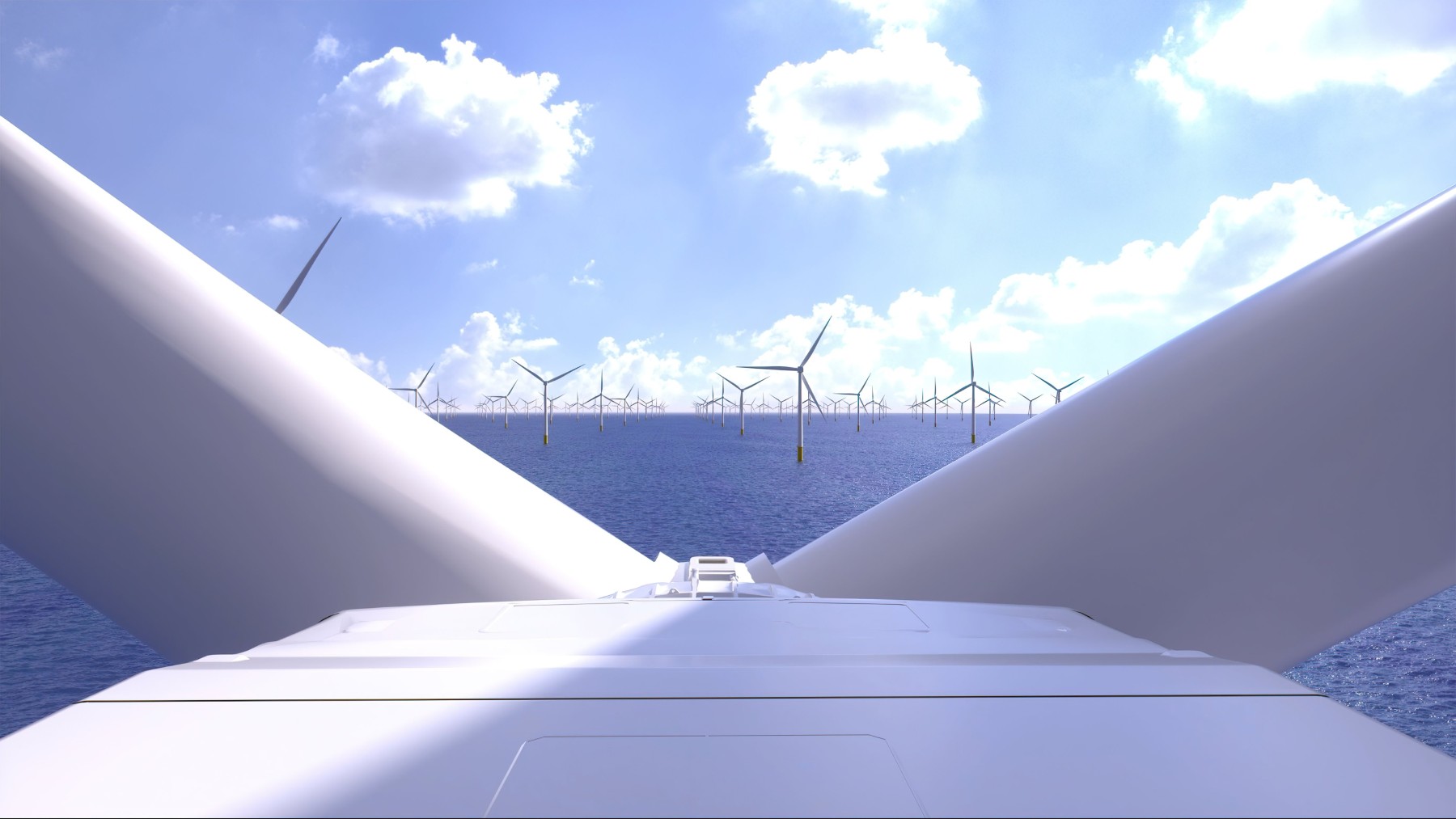
The Dogger Bank Wind Farm is a significant power project developed off the coast of northeast England and developed by SSE Renewables, Equinor, and Vårgrønn. Built to add up to 3.6 GW of power, it may supply up to 6 million homes in Great Britain if the project is completed.
Nonetheless, this ambitious project has recently encountered some problems, mainly linked to a blade breakdown of one of the giant Haliade-X turbines. This turbine failure disrupted the project’s schedule and has raised new concerns about the reliability of offshore wind power.
On August 22, a catastrophic blade failure was experienced on one of the turbines at the Dogger Bank A section, which is still under construction. GE Vernova, the manufacturer of the turbines, said that this failure was not due to installation or manufacturing defects but occurred during the commissioning process.
The study showed that the turbine was left fixed, exposing it during a subsequent storm with high winds. This time, a tremendous amount of damage was done. Fortunately, there were no personnel around when the incident occurred. It resulted in several constraints around the marine area immediately after being identified, and all the statutory bodies were informed.
Understanding the strange effect on surrounding turbines: What does this mean for the project?
The problem with the damaged turbine was not just a setback for Dogger Bank’s development – it was much more extensive. Engineers have noted an unusual effect: the failure of the blade in the affected turbine has raised concern about other similar turbines and, to some extent, impacted the stress on structures around them.
These turbines are then closely observed in the hope of detecting any changes in structure that may result from reverberations or any changes in load distribution, which is particularly important considering the size and scale of the Dogger Bank wind farm. This focus on structure has placed even more emphasis on the need of the project to avoid such a failure in the future.
The failure of the blade at Dogger Bank gives rise to crucial issues in the future of offshore wind energy. Although the sector is multiplying and governments across the globe are continuously encouraging mega renewable power plants, these mishaps underscore the importance of exhaustive testing, particularly in the marine environment.
The Dogger Bank incident is similar to a blade problem in the year at a turbine owned by GE Vernova in the United States. These recurrent problems indicate that manufacturers and engineers must enhance the installation procedure and working standards to achieve turbine durability.
Moving forward: What steps are being taken to strengthen offshore wind infrastructure?
As construction returns to Dogger Bank, more attention is being paid to improving safety measures and strengthening the stability of wind turbine components against such failures. GE Vernova has remained closely with the Dogger Bank consortium to avoid further risks and look for extra measures during commissioning.
This shows that despite significant advancements in engineering, the sector needs more flexible engineering approaches and proper commissioning processes to support the durability of offshore wind farms. Construction work at Dogger Bank has been halted temporarily, but engineers believe that the project will be able to get back on its feet and move toward completion once again.
The recent blade failure at Dogger Bank has highlighted how challenging it can be to develop offshore wind energy, let alone on such a scale. Since it is a rapidly growing sector, it will be essential to have structures that can cope with these conditions and other pressures. The Dogger Bank project is still a giant leap toward renewable energy, but it is also the story of an industry in its formative years of fighting climate change.