It appears that Tesla’s founder Elon Musk has tweets that hint at a planet-scale power concept that measures a civilization’s technological advancement by considering its energy consumption. Musk has since shared his opinion that solar energy is perhaps one of the most lucrative scalable energy sources. According to Musk, the future of humankind could be powered entirely by the sun, and it is up to us to understand where we should be going in terms of sustainable solutions.
Musk is fascinated by the Kardashev Scale and what it signifies
Musk has since shared some tweets about solar power, which diverted our attention to the Kardashev Scale that was initially introduced by Soviet astronomer Nikolai Kardashev in 1964. According to the scale, civilization is classified based on the energy it can harness, and as such, can be divided into three types of civilizations:
- Type I Civilization: This civilization can use up all of the energy available on its home planet.
- Type II Civilization: This civilization can effectively harness the full power of its home star.
- Type III Civilization: This civilization controls energy across its entire galaxy.
Physicist Carl Sagan said that humanity sits at about 0,7 on the scale and we are not yet a Type I civilization. While we have not used renewable resources from Earth to its full potential as yet, Musk believes solar panels can be the solution to ensure that we become a Type I civilization. The idea is that solar panels could cater for the nation’s energy needs.
How Musk wishes to reach the Kardashev Scale Type I civilization?
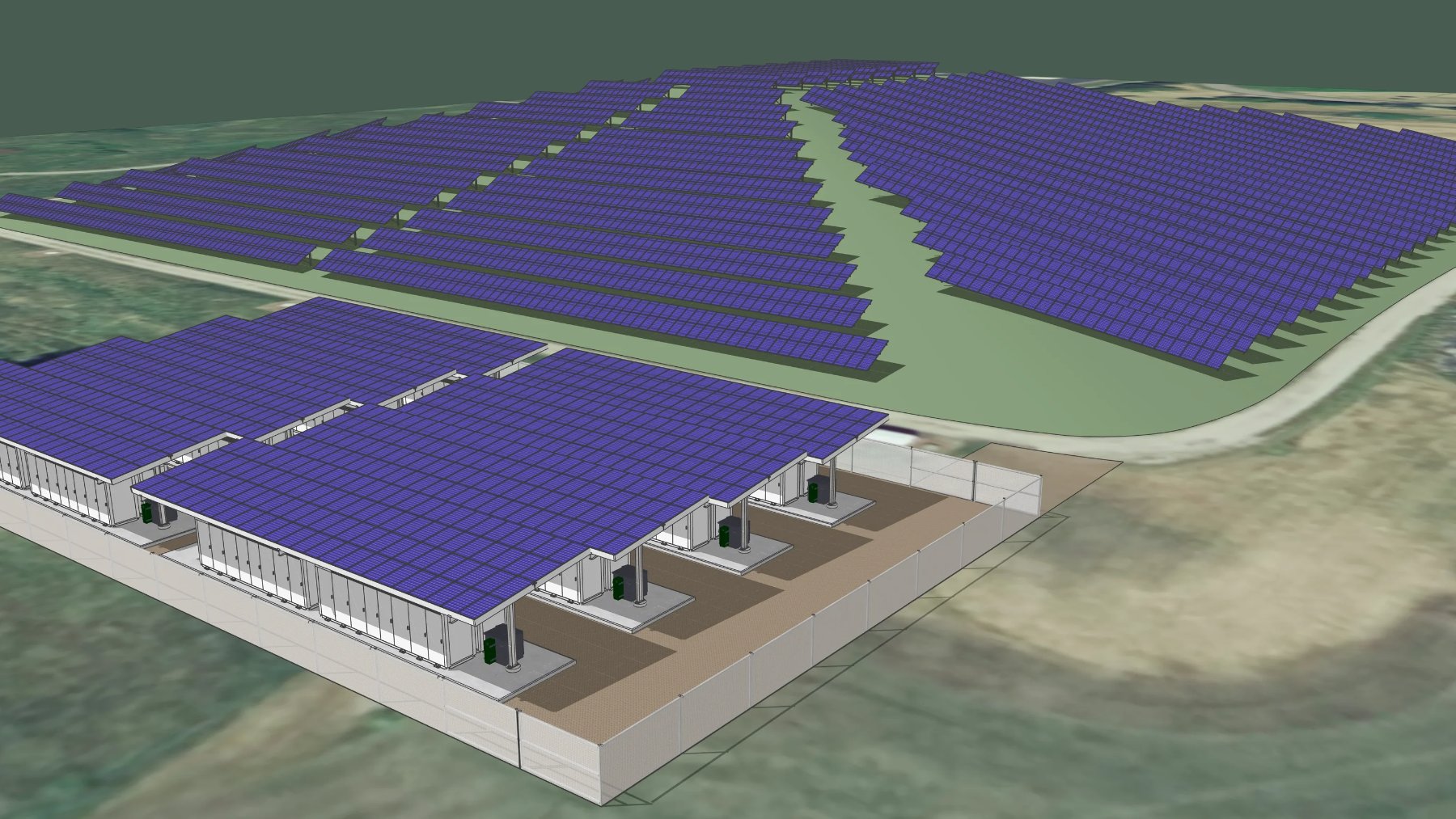
Musk has often considered solar energy as the immediate path towards sustainable energy on a large scale. He has often stated that the biggest source of energy is the Sun. Musk is pushing forward this agenda through Tesla’s solar division with innovations such as Powerwall and solar roof tiles. SpaceX’s Starlink satellite network is fully solar-powered, and Musk is keen on incorporating solar solutions in terrestrial and space-based technologies.
Over 173,000 terawatts of constant solar energy will soon hit Earth’s surface should humanity be able to harness the Earth’s solar potential. According to Musk, relying on solar power could enable us to transition to a Type I civilization. With technology readily available for this transition, we just need a mindset shift.
Where the Dyson Sphere seems to fit into the broader picture?
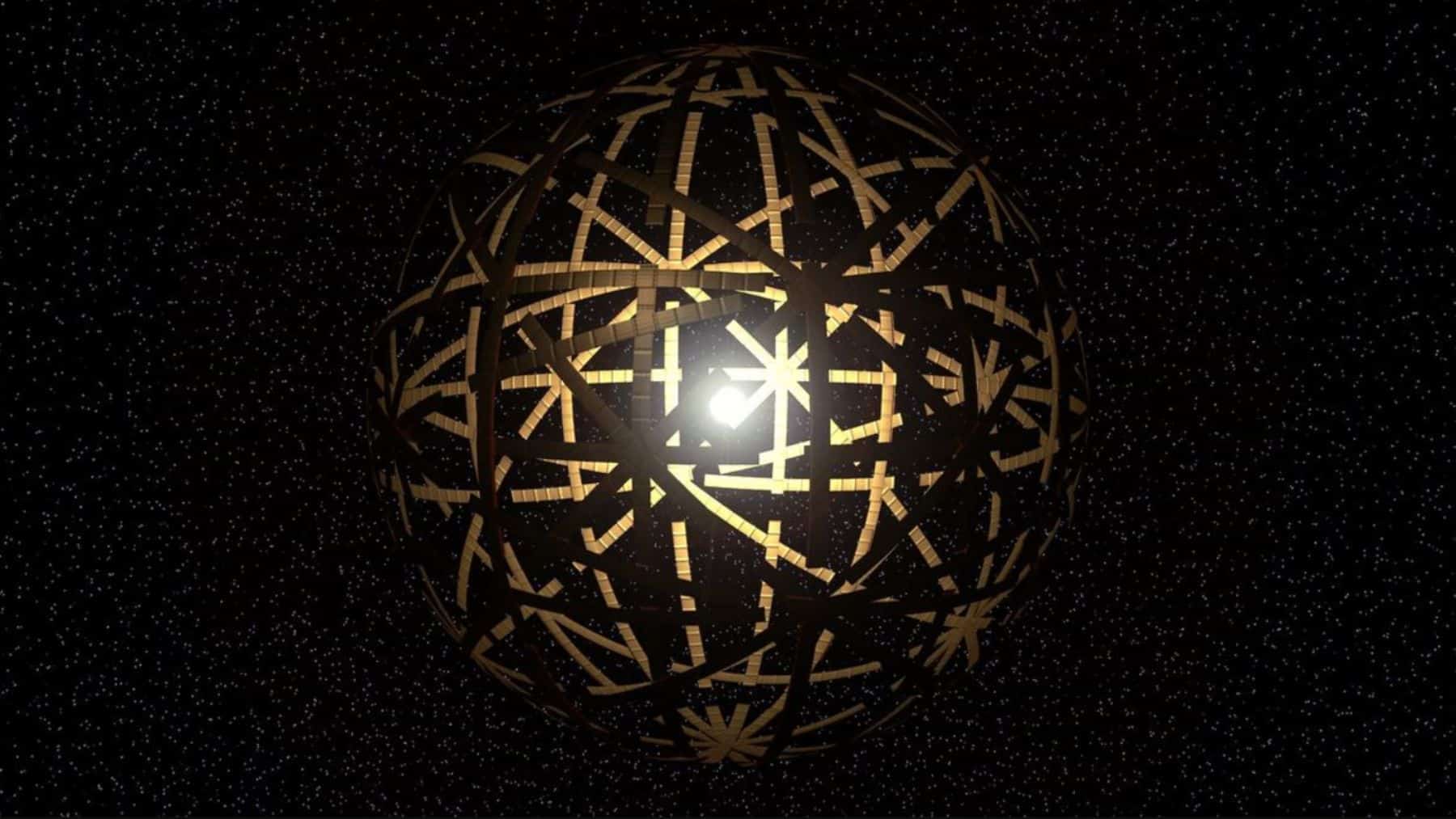
Although Musk has been hinting at shorter-term solutions, he has let the cat out of the bag in terms of longer-term visions. Musk referred to the Dyson Sphere, which is a megstructure around stars that collects the energy of the stars.
For future civilizations, Musk sees them as being,”enclosed in a glowing sphere.”
Musk has never, however, directly proposed the Dyson Sphere. It is nevertheless clear that his vision extends beyond thinking of just solar power. With SpaceX, Musk can be testing scalable technology to ensure humans move up the Kardashev Scale so as to reduce planetary strain. Musk is also ambitious in terms of wanting Mars to become a self-sustaining civilization and this is part of his initiative to harness solar energy beyond Earth. SpaceX has since faced its riskiest missions with astronauts alone in space.
Solar power is an integral component of Musk’s mission
With Musk advocating for solar power, the pathway to becoming a Type I civilization is clearer. While Musk’s mission also includes looking towards a civilization enclosed in a glowing sphere, the start of a Type I civilization depends on installing one solar panel at a time. The Kardashev Scale provides incentive in terms of humans’ energy ambitions, and while relying on the theoretical Kardashev Scale, Musk is also looking at going beyond Tesla and SpaceX with robots. Perhaps it’s time for the next scalable sustainable solutions empire.