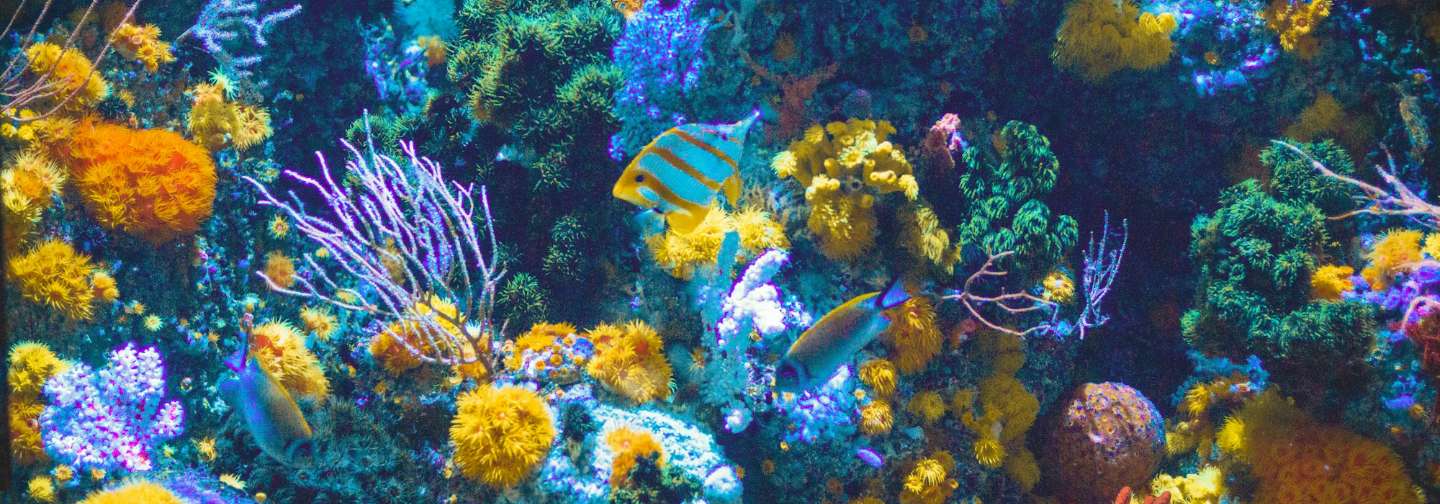
Colorful coral reef with tropical fish

Environment

Wildlife, oceans, forests, climate and conservation

In Environment, ECOnews covers wildlife and biodiversity, oceans, forests, climate change, pollution, recycling and conservation. Surprising stories from around the planet that explain how nature works and how people are changing it.
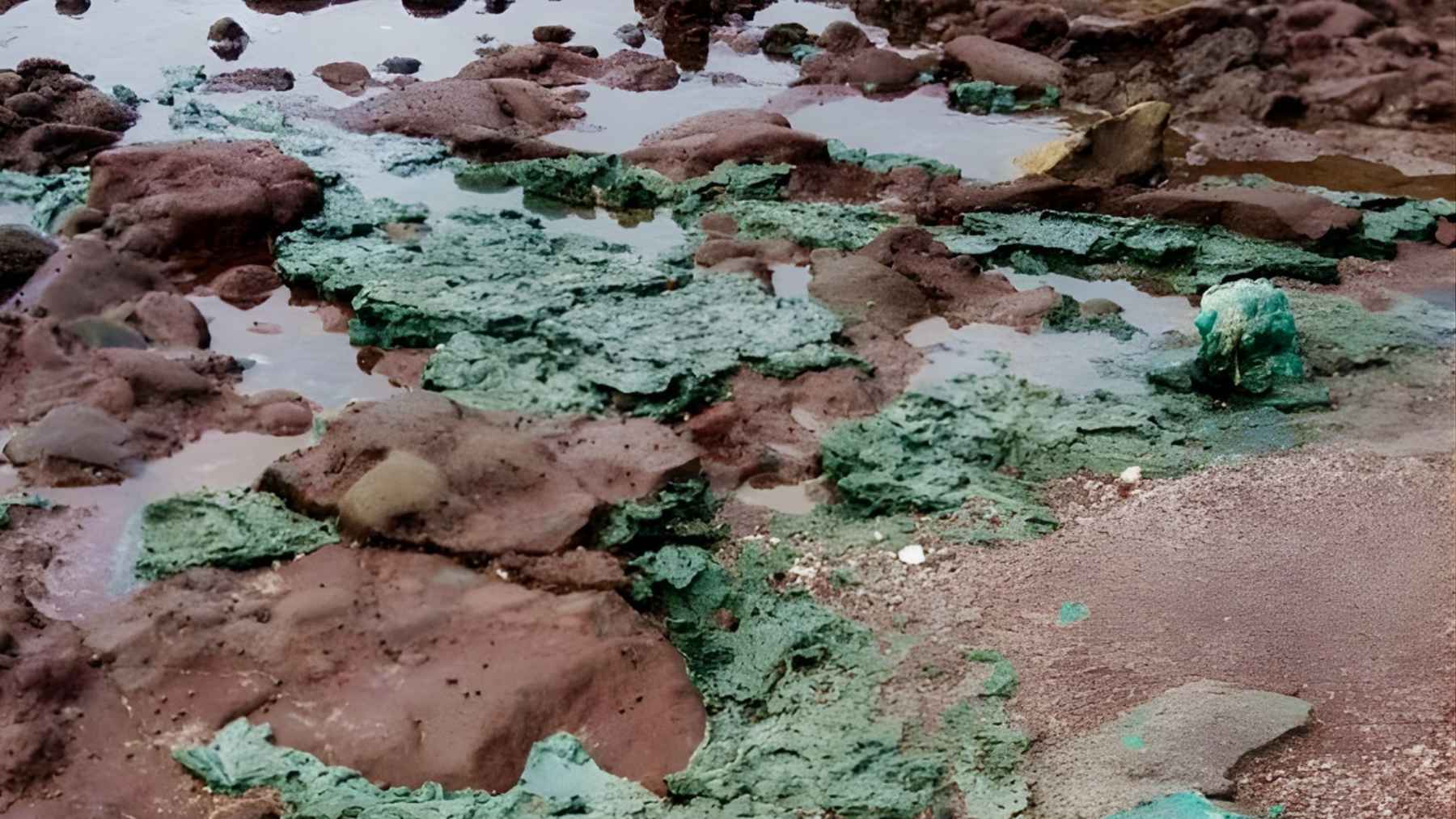
Green plastic rock formations spread across a rocky shoreline, showing fused plastic and sediment on a polluted beach

It is no longer floating trash: “rocks” made of plastic have been discovered that could remain on Earth as fossils of the future

—
March 18, 2026 at 8:45 AM
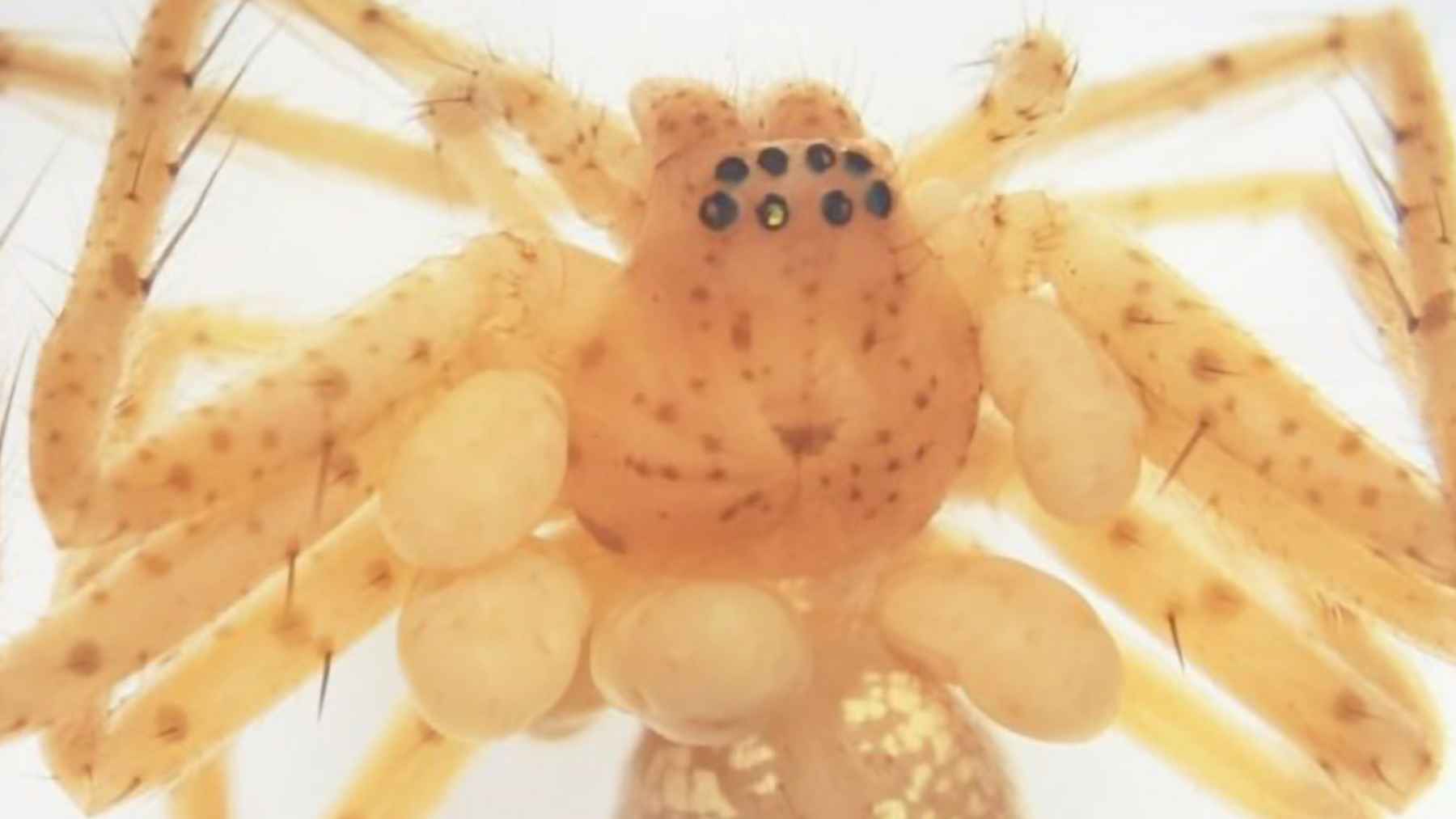
Close-up of a small spider with parasitic mite larvae attached around its body, forming a necklace-like cluster.

A spider with a “pearl necklace” has been discovered, and the most disturbing thing is that each pearl is a living parasite attached to its body

—
March 17, 2026 at 12:30 PM
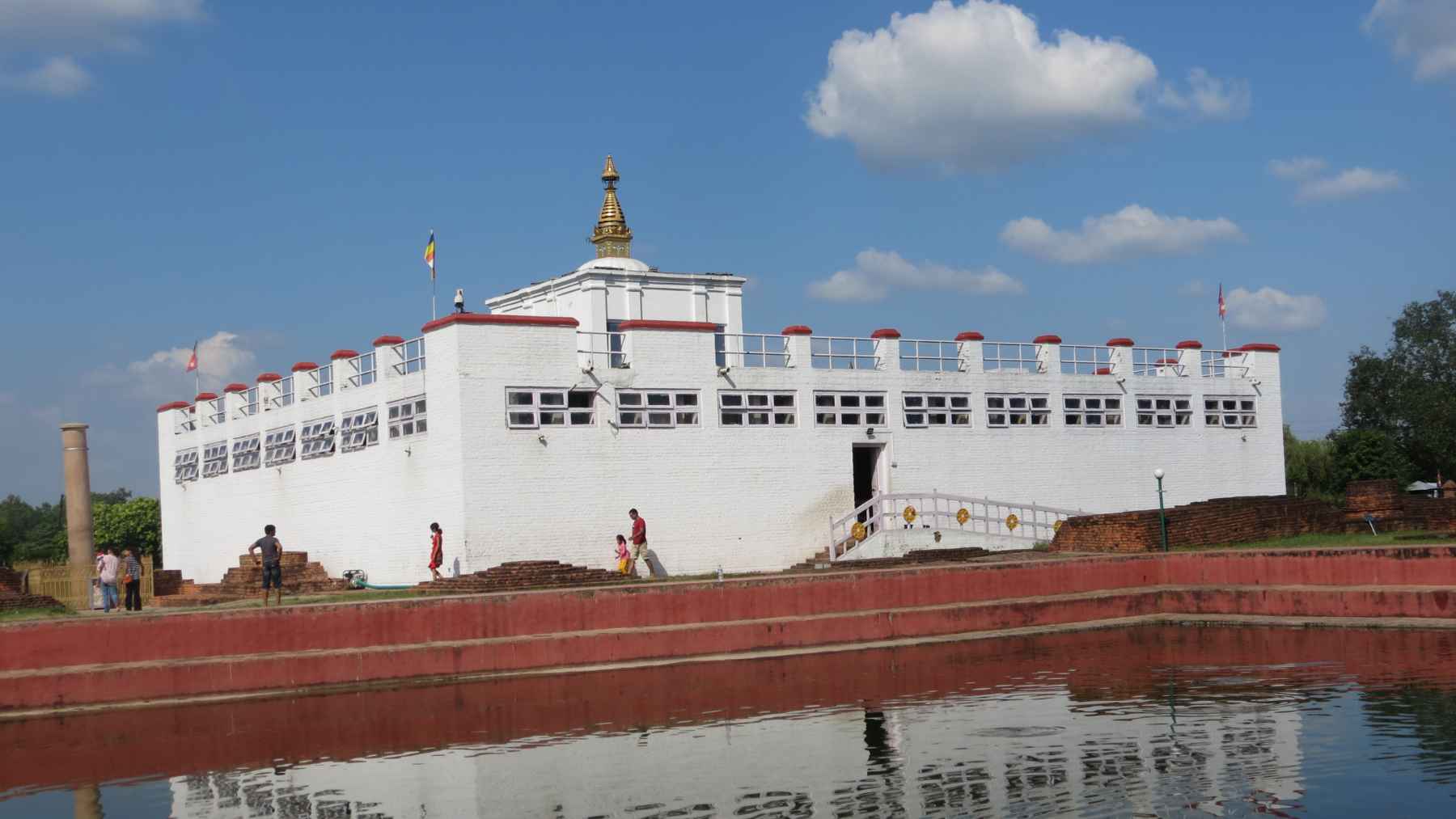
Maya Devi Temple in Lumbini, Nepal, reflected in a pond, illustrating the site traditionally recognized as the birthplace of Buddha.

The exact place where Buddha was born more than 2,500 years ago and which today faces a race against time

—
March 16, 2026 at 3:00 PM
Illustration of atmospheric pollution showing how refrigerant gases break down into trifluoroacetic acid that returns to Earth in rain.

Between 2000 and 2022, humanity dumped 335,500 tons of an “eternal chemical” while trying to save the ozone layer, and now it appears in water, the Arctic, and even in our blood

—
March 16, 2026 at 2:46 PM
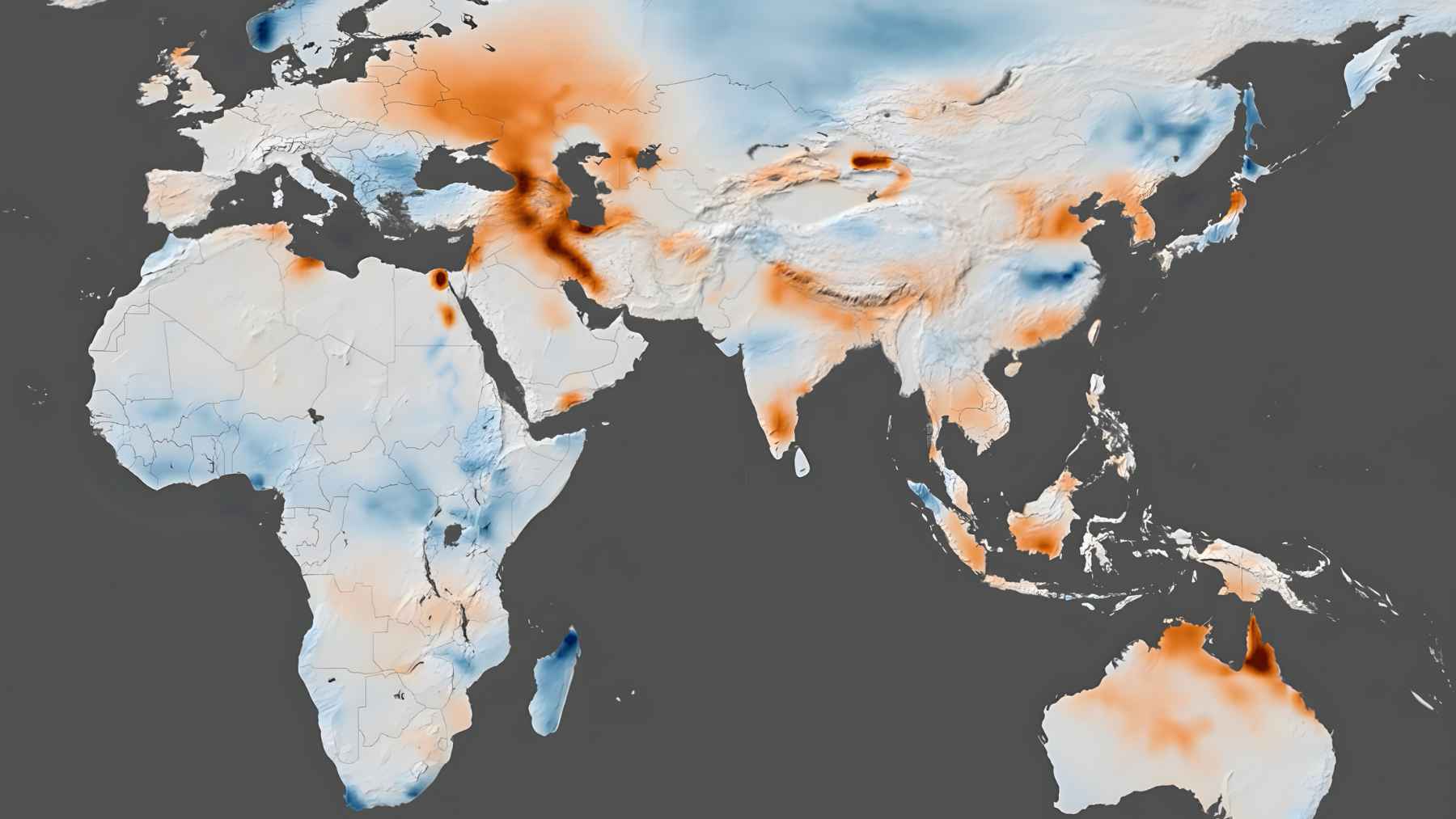
Satellite-based visualization of global freshwater loss showing regions experiencing long-term continental drying.

Water security: 6 billion people live in countries losing freshwater since 2002, a satellite study finds

—
March 16, 2026 at 8:45 AM
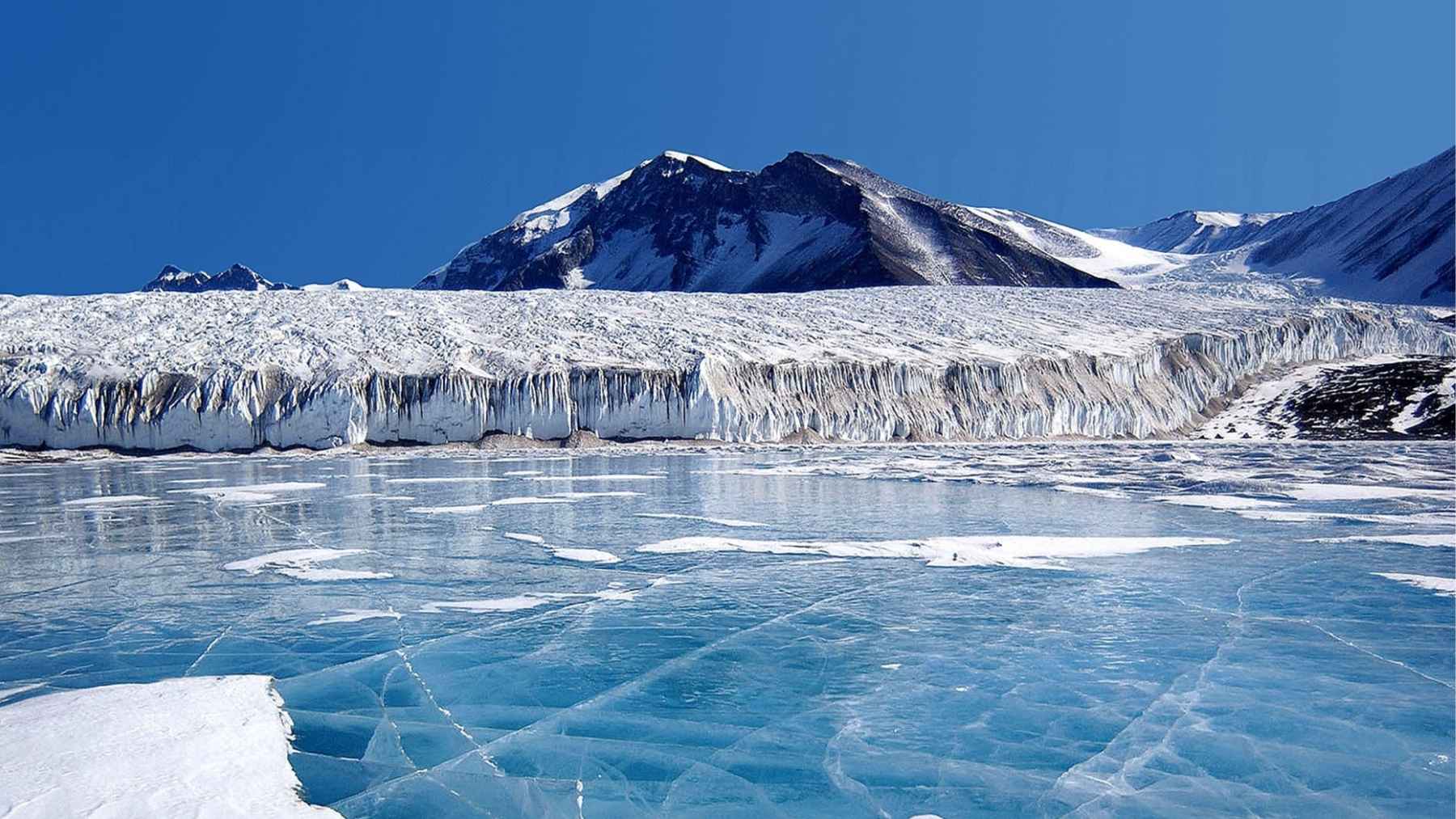
Ice and meltwater flowing from the West Antarctic ice sheet, a process scientists say could influence the Atlantic Meridional Overturning Circulation.

What seemed like bad news could take an unexpected turn: fresh water from West Antarctica could help the AMOC better withstand the impact of Greenland’s melting ice and, in some scenarios, even prevent its collapse

—
March 15, 2026 at 5:00 PM
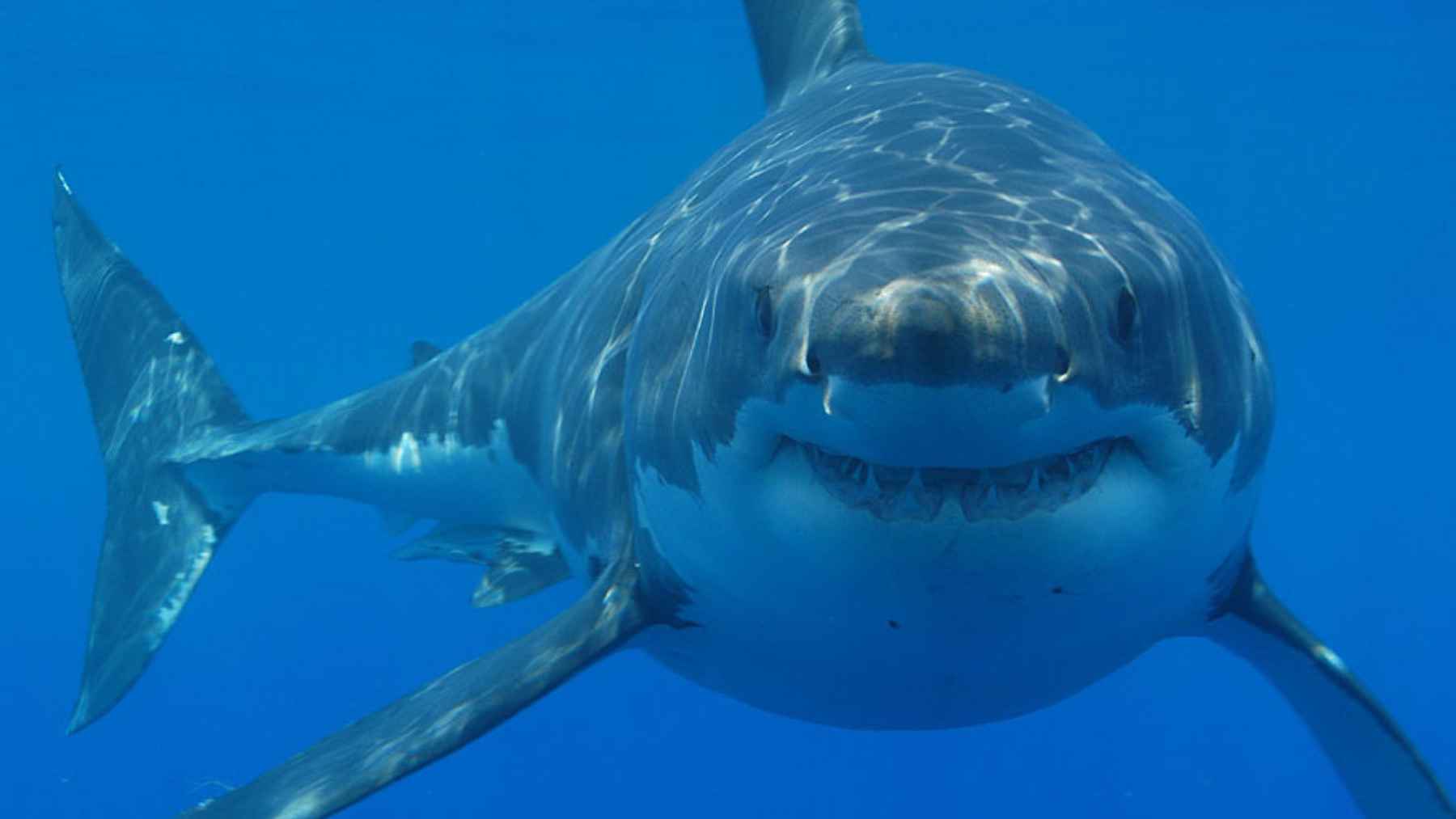
Juvenile great white shark accidentally caught by fishermen in waters near Alicante, Spain in the western Mediterranean.

A great white shark has been caught in waters near the Spanish coast: this is the third verified sighting in less than 11 years and reopens the debate about their presence in the Mediterranean

—
March 15, 2026 at 8:45 AM
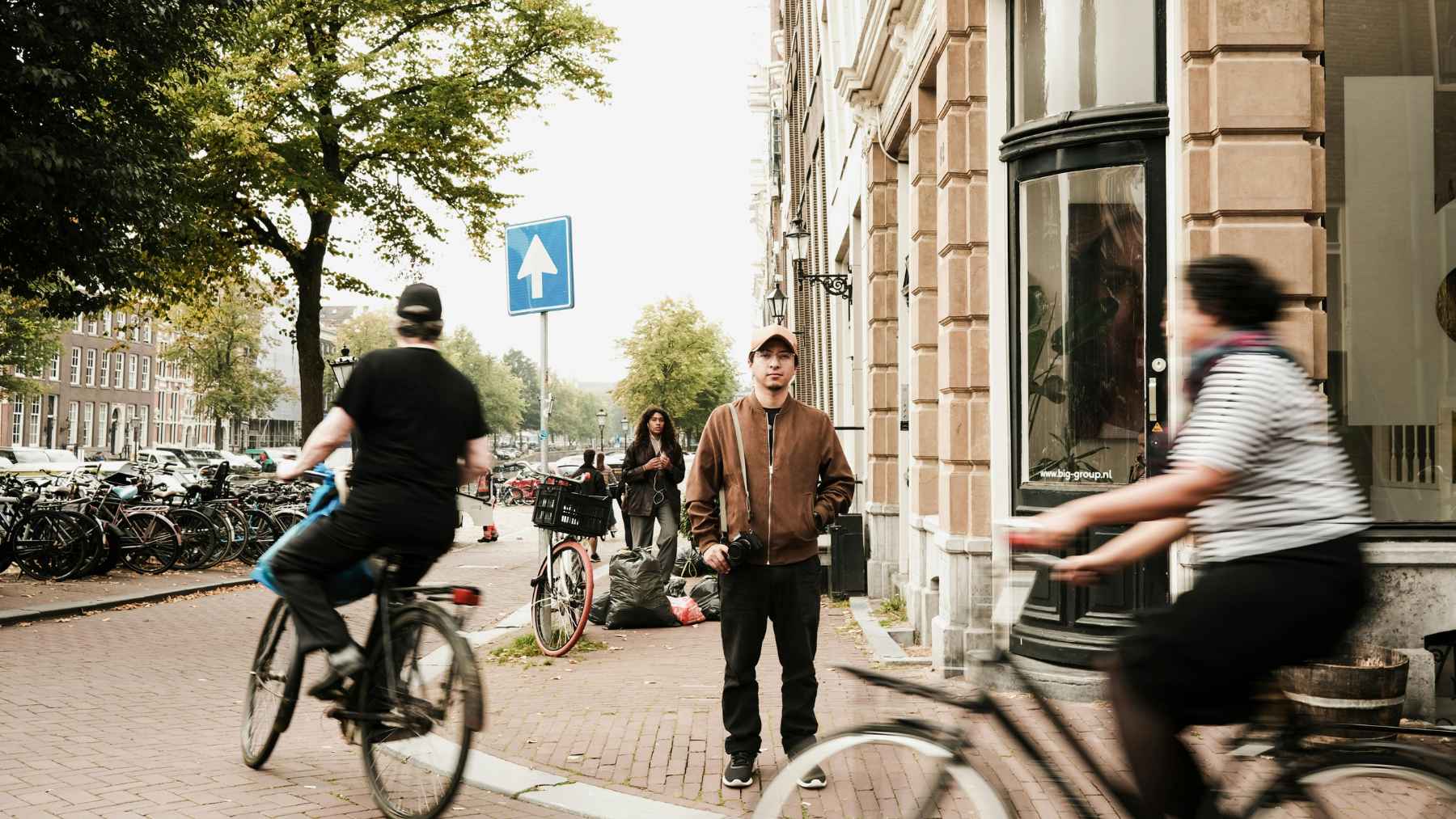
People and cyclists on a European city street, illustrating daily life in a region that could be affected by sharp cooling if the AMOC collapses.

A climate model simulates an AMOC collapse and finds temperatures in northwestern Europe could fall 10-15 °C

—
March 14, 2026 at 6:31 PM
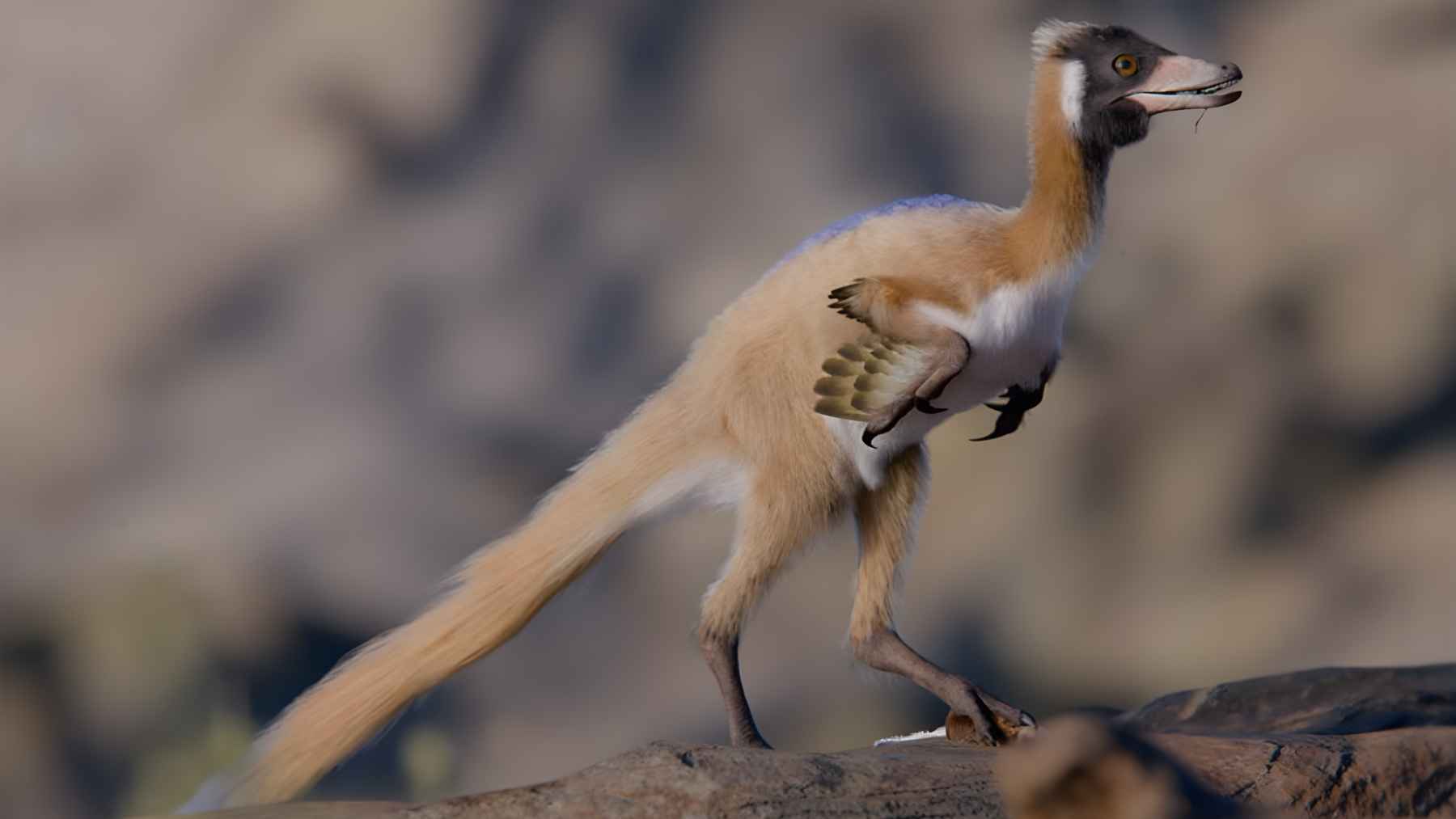
Illustration of Alnashetri, a tiny bird-like dinosaur from Patagonia, showing the species that is reshaping alvarezsauroid history

A dinosaur the size of a cat and weighing less than 2.2 pounds changes history; the 90-million-year-old Alnashetri fossil rewrites its lineage

—
March 14, 2026 at 12:30 PM
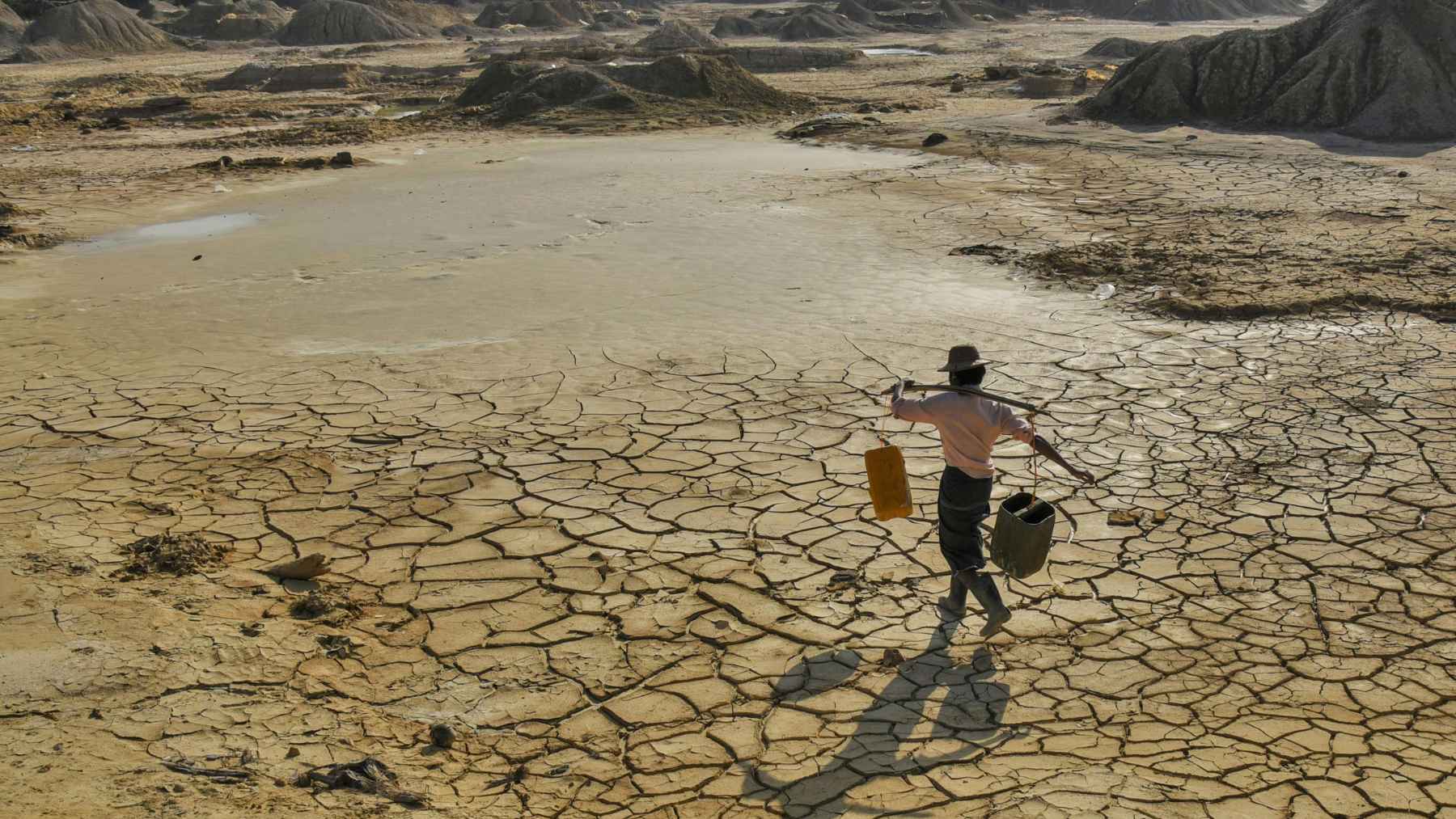
Person walking across cracked dry land carrying water containers, illustrating worsening drought and future global water shortages.

A study warns that “Day Zero” water scarcity could hit the Mediterranean, southern Africa and North America this century

—
March 14, 2026 at 6:30 AM
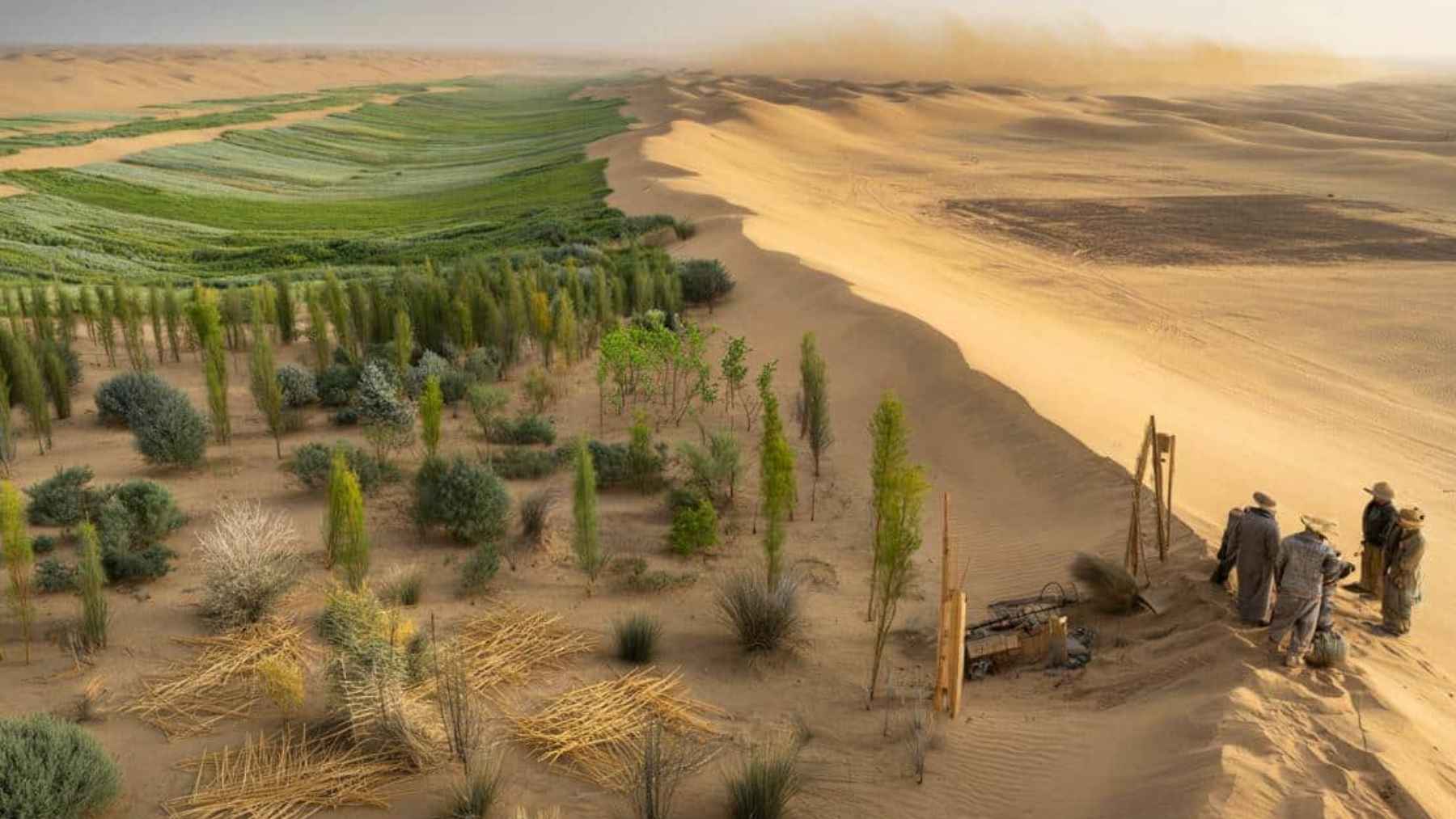
Tree plantations and restored vegetation on the edge of the Gobi Desert in northern China, where regreening affected water availability

China planted trees like crazy to slow the advance of the Gobi Desert and ended up causing another big problem: water began to disappear from the soil and aquifers as rainfall patterns changed

—
March 14, 2026 at 6:10 AM
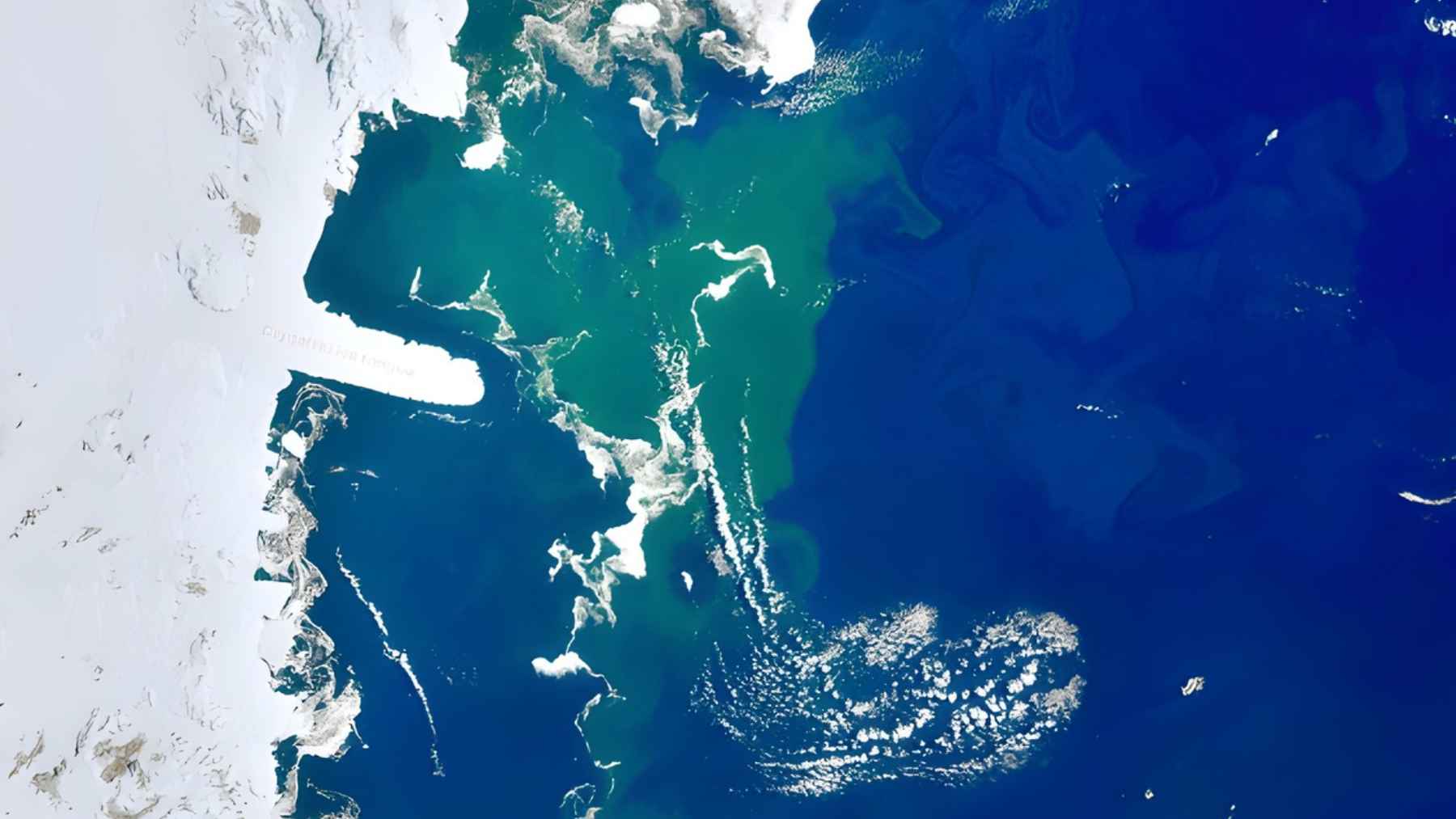
Satellite view of a large phytoplankton bloom in Antarctic waters, illustrating research linking seafloor earthquakes to surface marine life.

Earthquakes beneath the waters of Antarctica could be “fueling” explosions of life on the surface, and the mechanism surprises even experts

—
March 13, 2026 at 10:15 AM
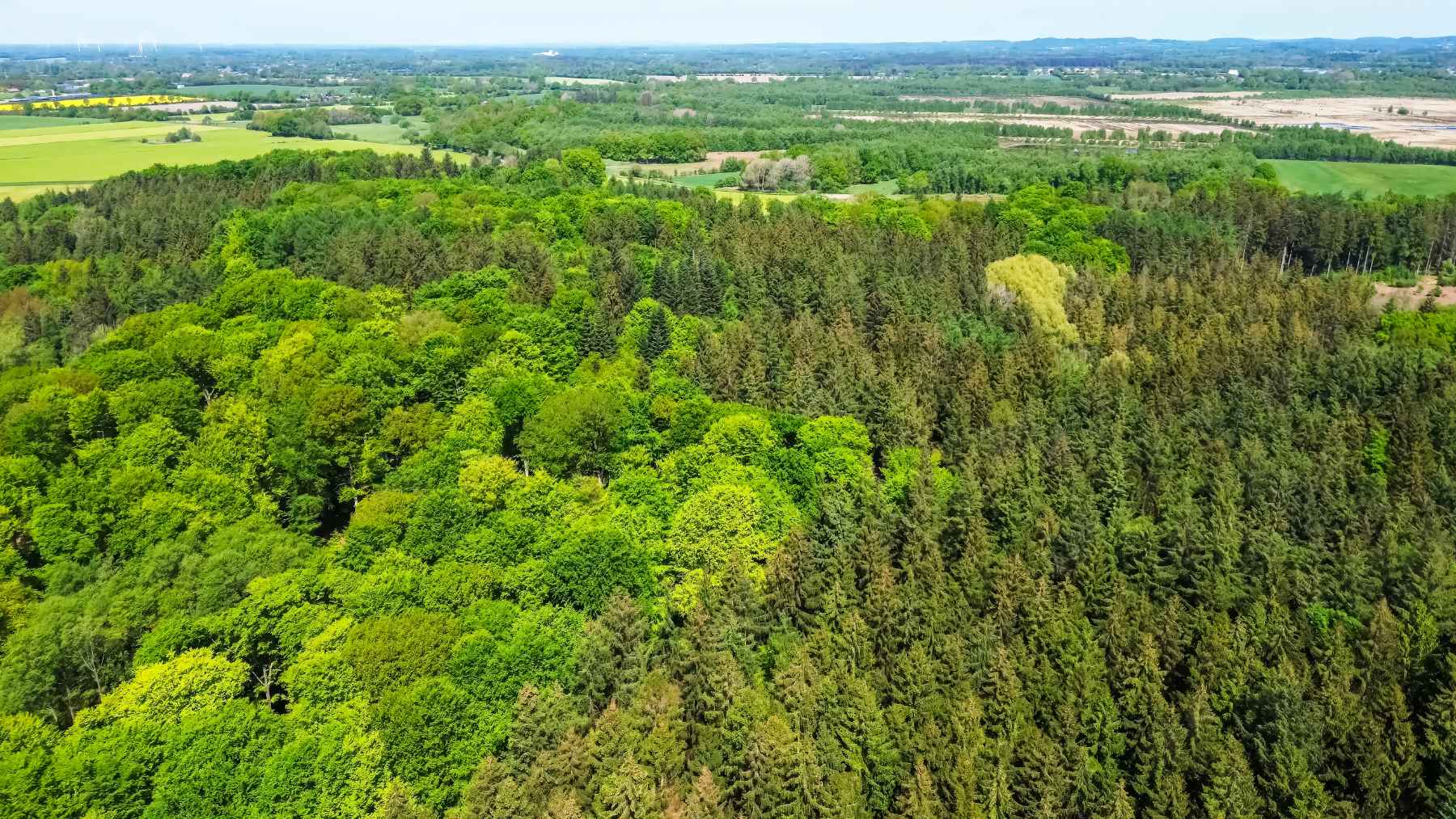
Aerial view of dense mixed forest in Germany, illustrating research on how forest soils respond to climate change and absorb methane.

Nature responds to climate change in surprising ways, and German forests are proof of this

—
March 12, 2026 at 5:00 PM
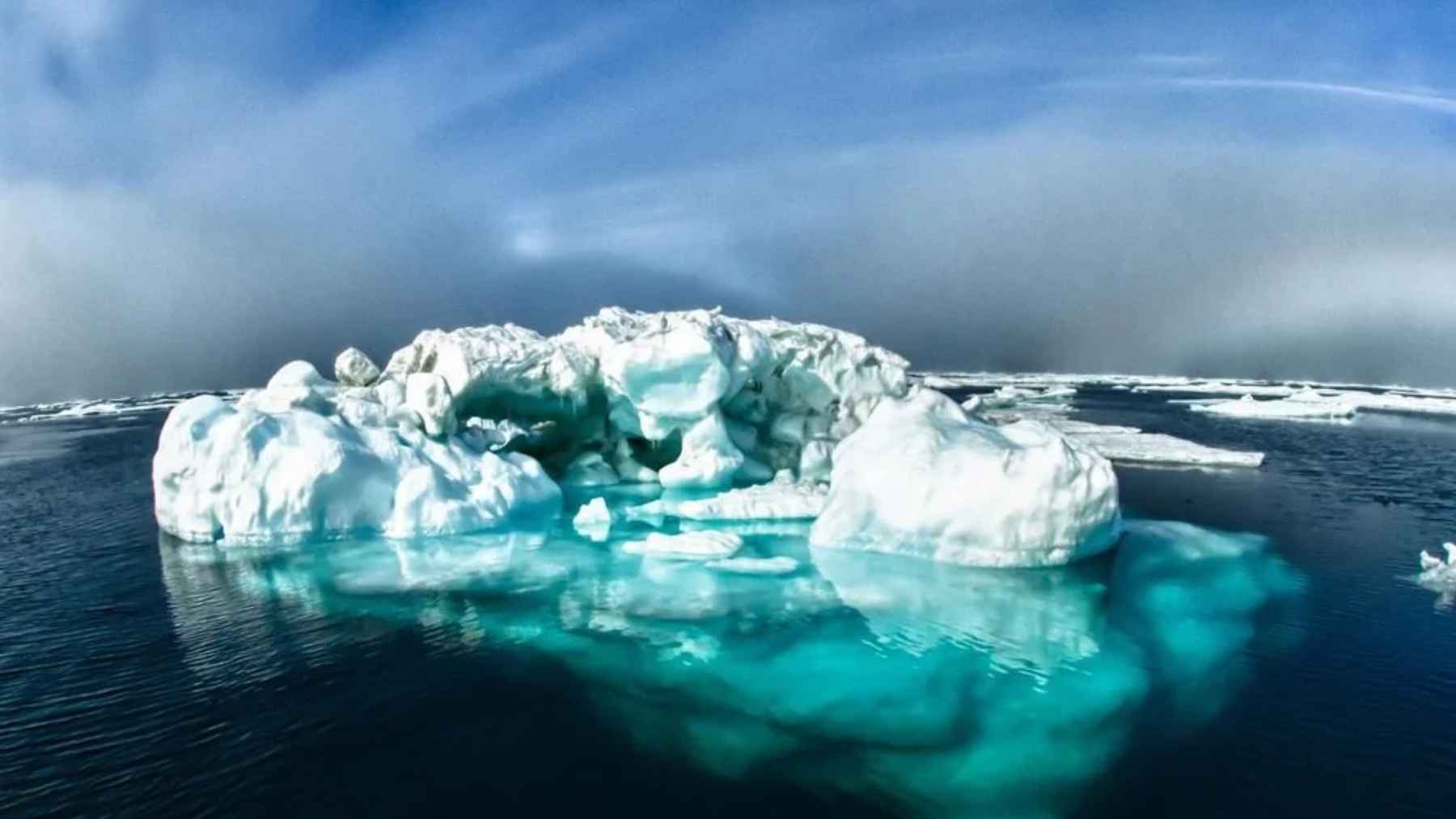
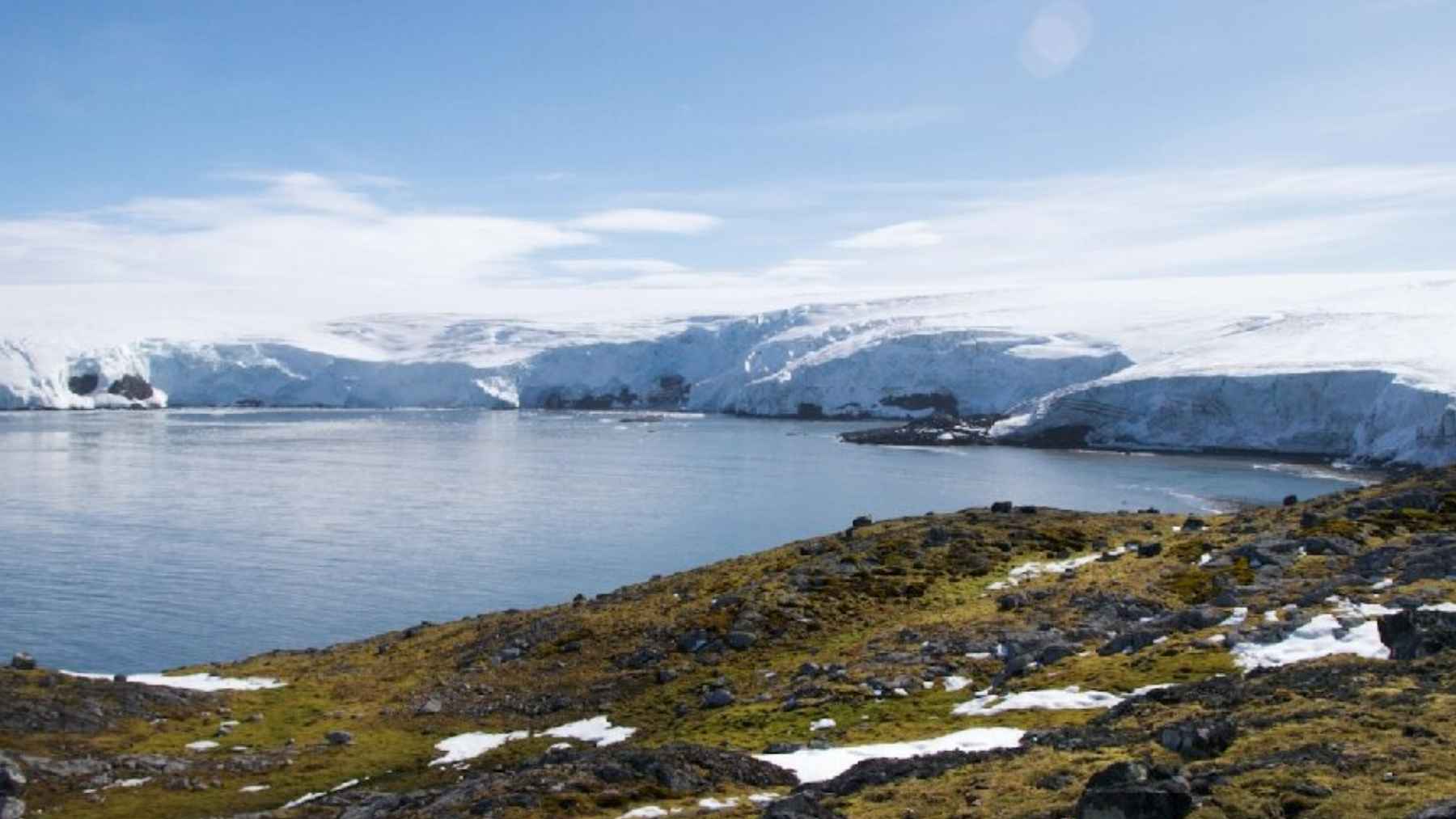
Arctic coastal landscape with melting ice and exposed tundra, illustrating how warming may open the region to invasive species.

More than 2,500 invasive species are poised to conquer the Arctic as the ice disappears

—
March 12, 2026 at 1:18 PM
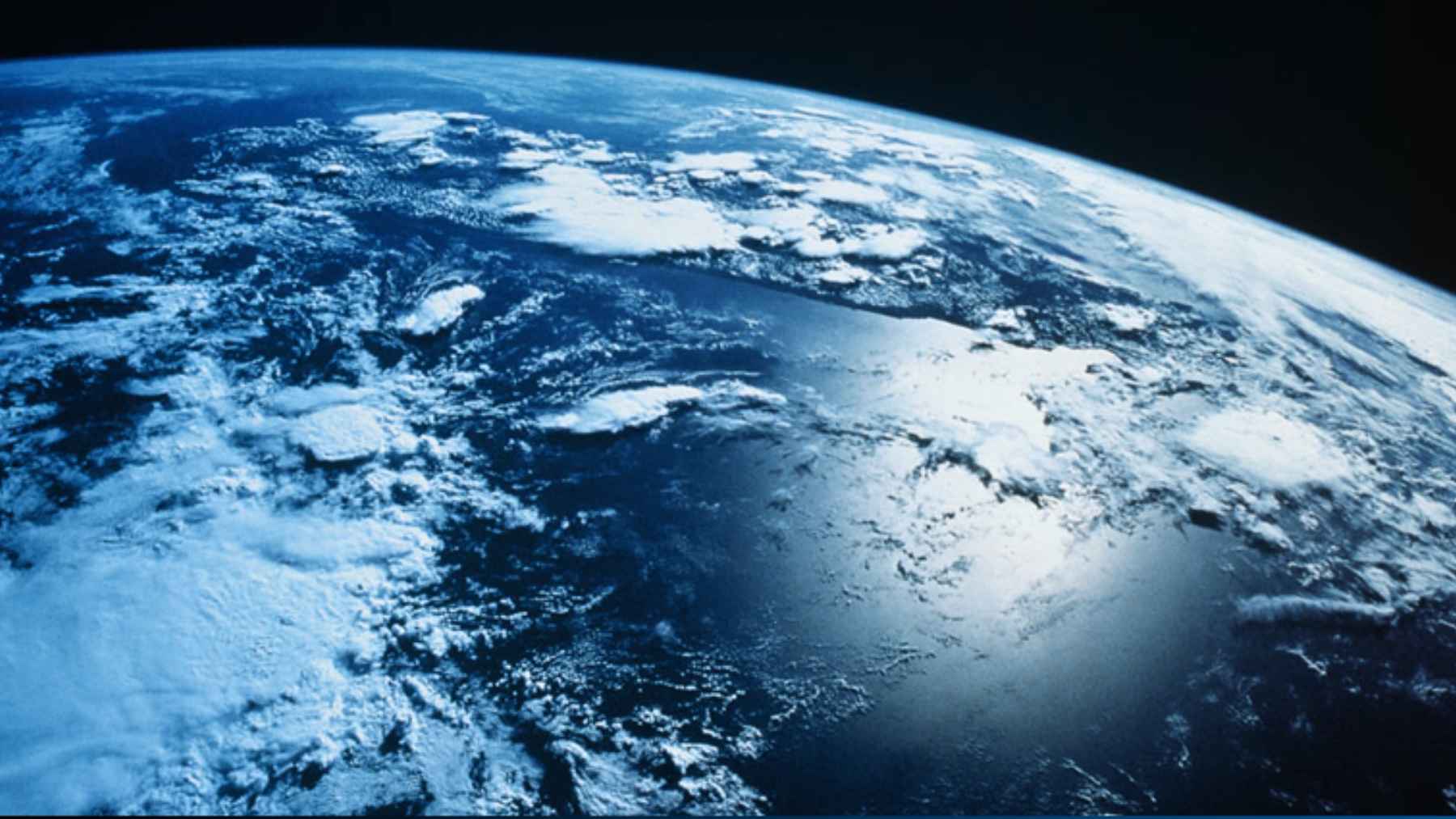
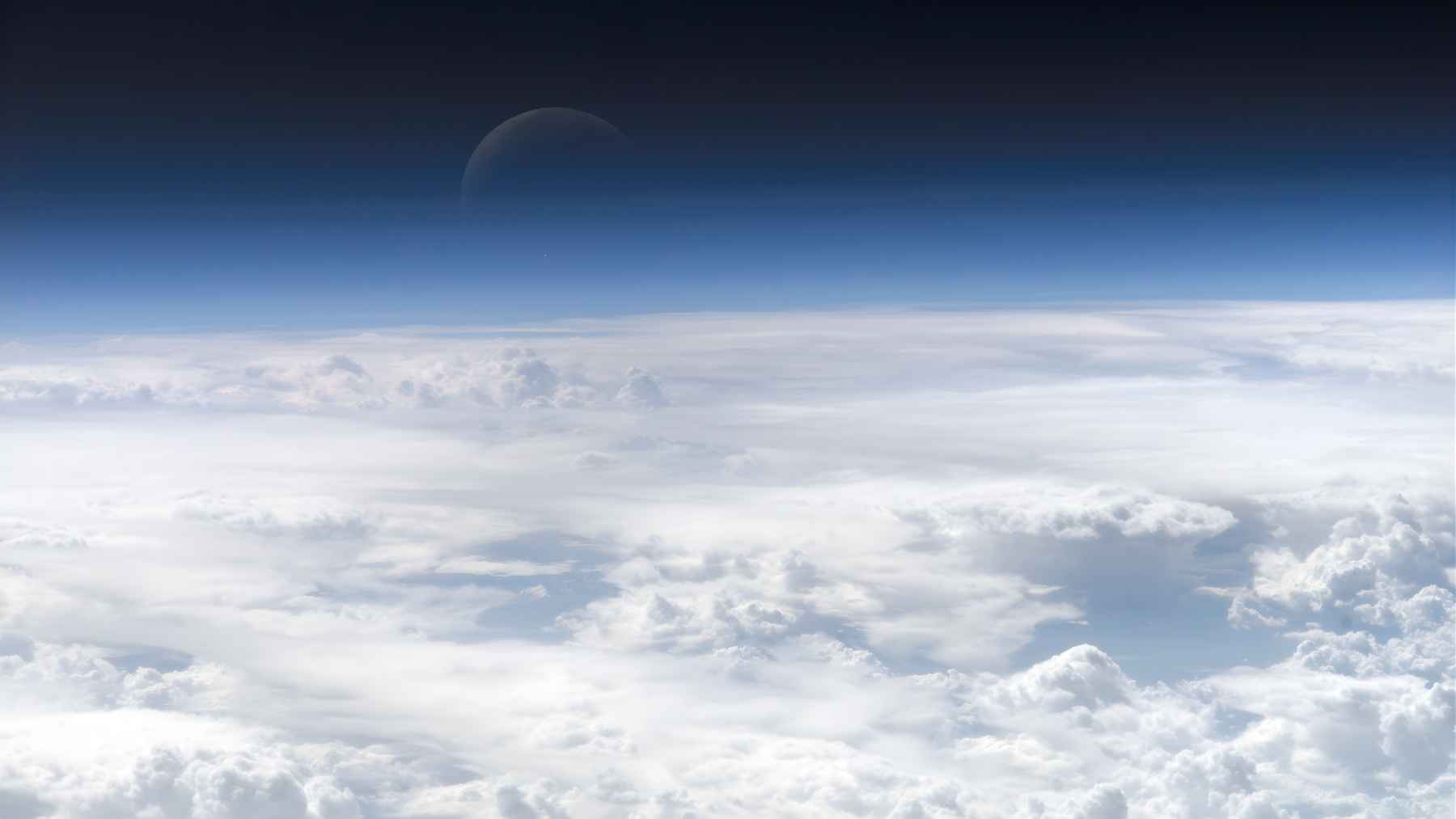
View of Earth’s cloud-covered atmosphere from space, illustrating research on how the planet could one day lose its oxygen-rich air

The Earth could enter a phase with a weakly oxygenated or anoxic atmosphere, which would be a major red flag for our search for life on exoplanets

—
March 12, 2026 at 8:45 AM
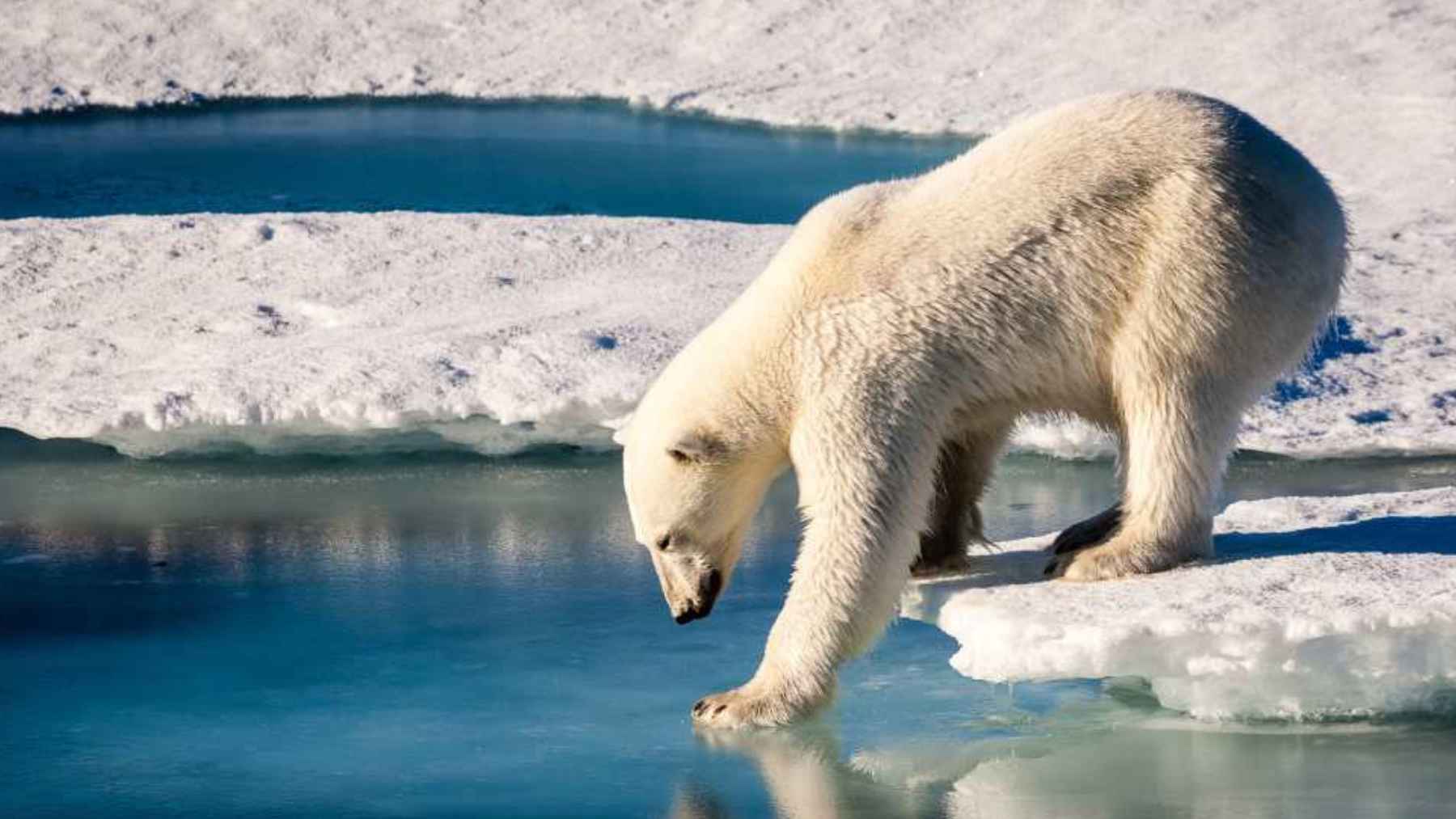
Polar bear standing on Arctic sea ice in Norway as scientists report some Svalbard bears are getting fatter despite ice loss.

Although Arctic ice is disappearing faster than ever, scientists are discovering that polar bears in Norway are getting fatter and healthier

—
March 12, 2026 at 5:36 AM
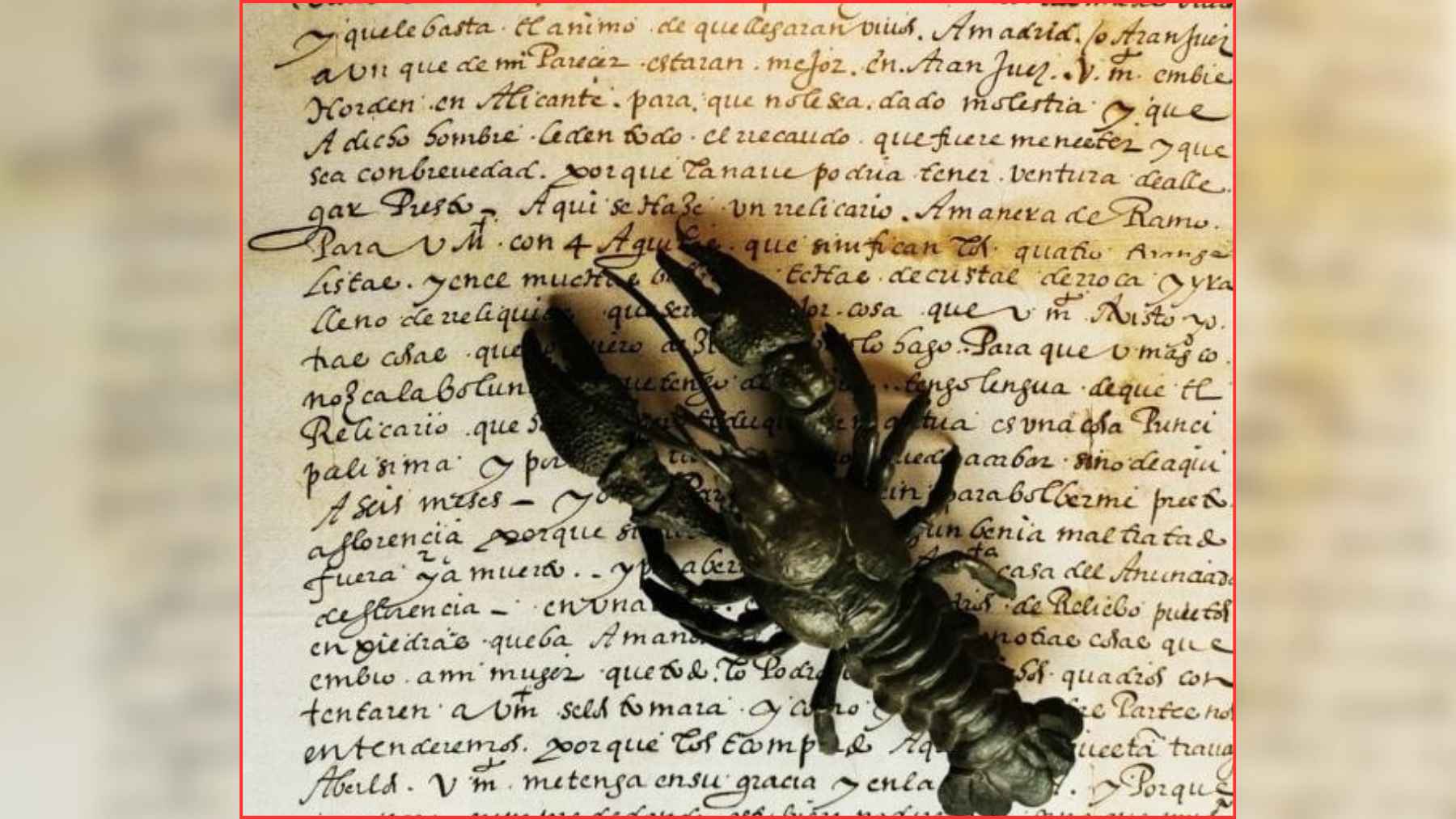
Historic handwritten document with a preserved crayfish specimen, illustrating new research on the debated origin of the Iberian crayfish.

What for centuries was considered a native species could in fact be a “royal whim” from 1588, and now science is reopening the debate on the Iberian crab

—
March 11, 2026 at 12:30 PM
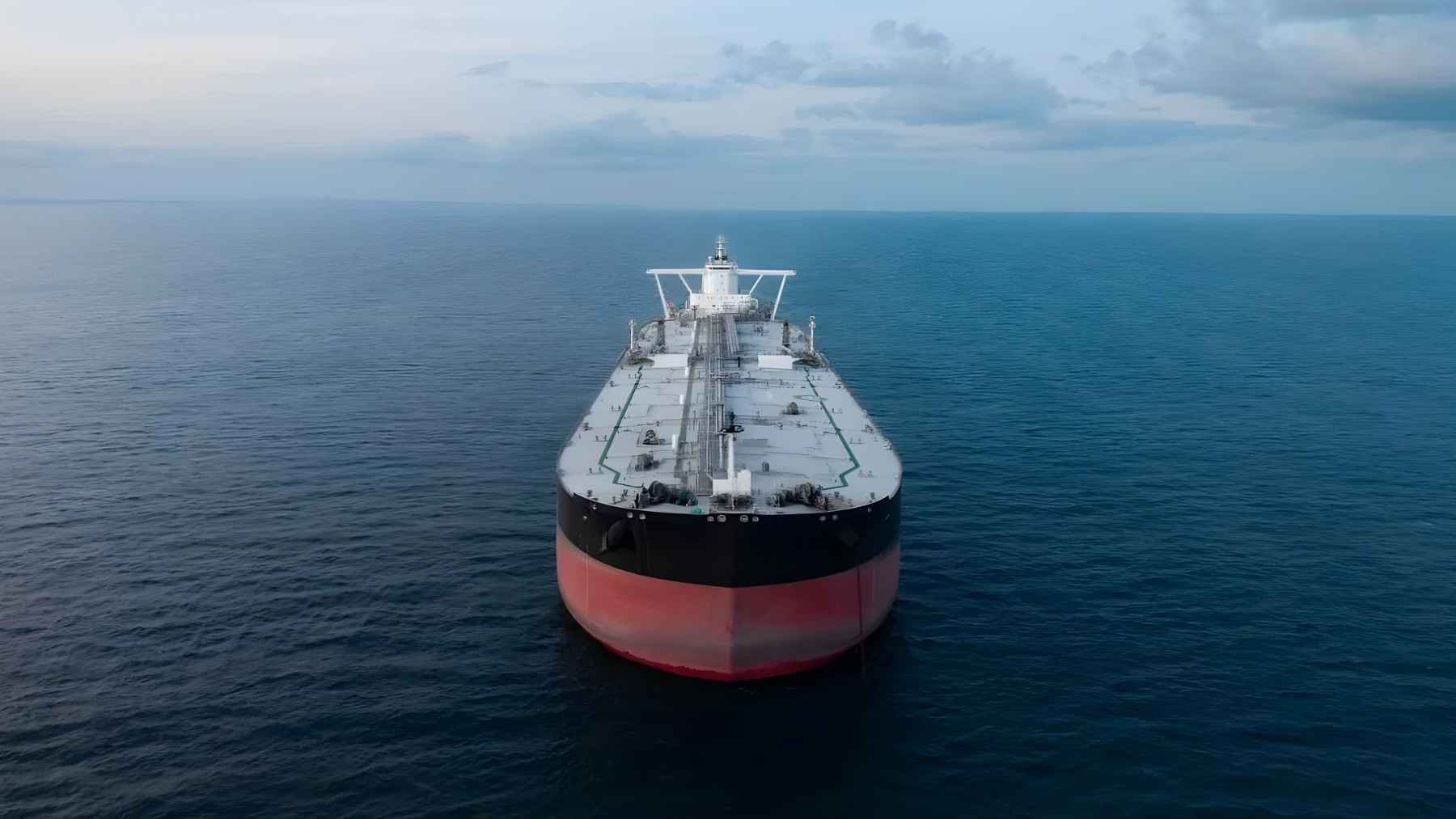
Oil tanker at sea near the Strait of Hormuz, illustrating the growing spill risk from stranded crude carriers in the region

More than 68 stranded oil tankers increase the risk of oil spills in the Strait of Hormuz

—
March 11, 2026 at 6:26 AM
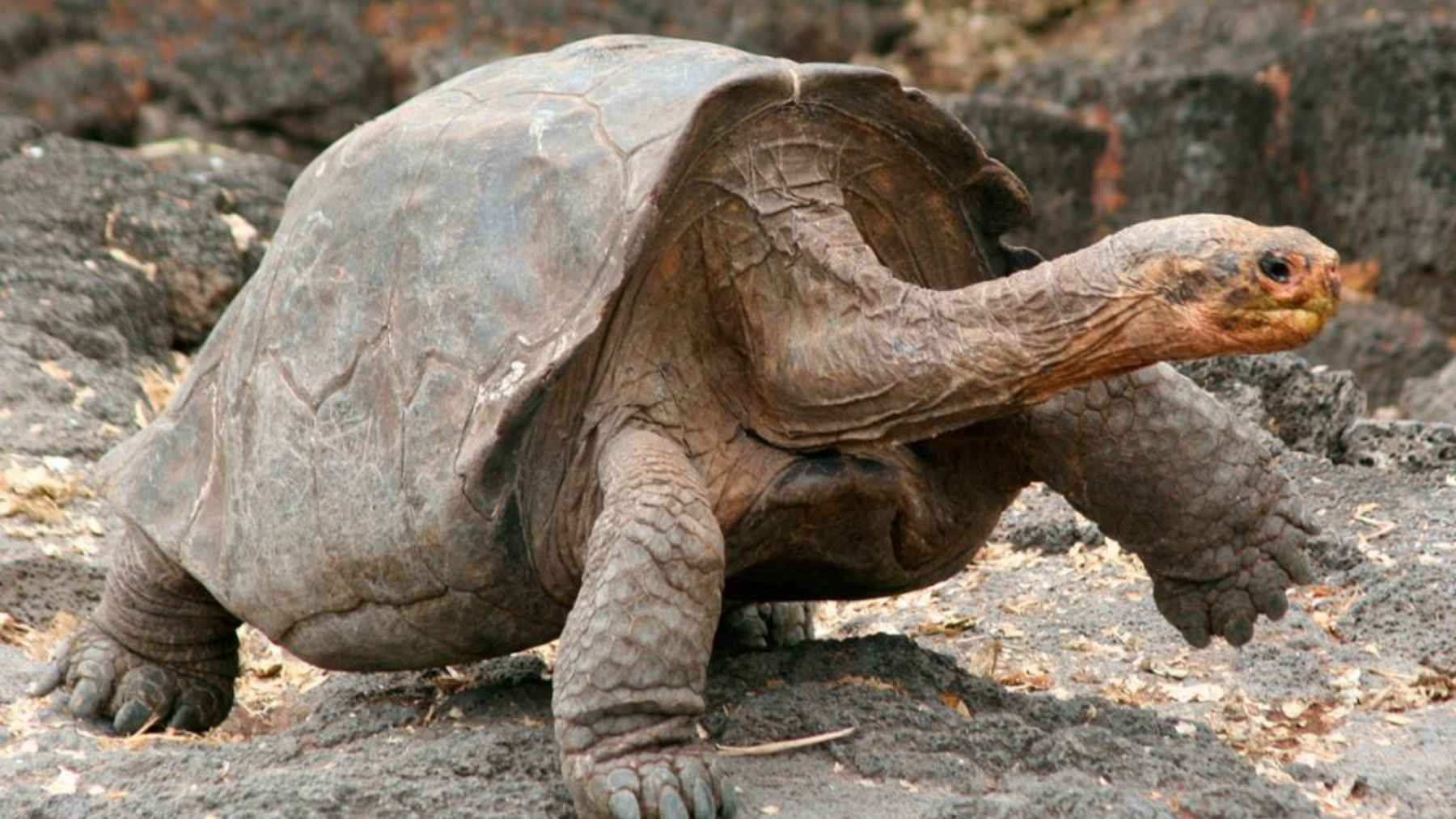
Gramma the Galapagos giant tortoise resting in her enclosure at the San Diego Zoo

Farewell to a century-old legend: Gramma, the Galapagos tortoise at San Diego Zoo, has died at the age of 141

—
March 8, 2026 at 6:30 PM
Detailed scientific map showing mountains, valleys, and buried rivers beneath Antarctica’s thick ice sheet

Beneath an ice sheet averaging 1.2 miles thick and peaking at 3.1 miles, Antarctica concealed mountains, valleys, and giant rivers, and in 2026 we finally had the most detailed map to predict how much sea levels would rise

—
March 8, 2026 at 12:30 PM
Previous Next

ECOnews alerts

Get the most relevant environment stories as soon as we publish them

ECOnews is the English-language edition of ECOticias.com, focused on environmental and sustainability news for a global audience: mobility, energy, economy, technology, science, environment and trending stories.

© 2026 ECOnews · ECOticias.com, the green newspaper since 2004 ↑ Top